Lots in store for buyer of €600k Limerick gem with Switzer family links
Courtmatrix Rathkeale Switzer
|
Rathkeale, Co Limerick |
|
|---|---|
|
€600,000 |
|
|
Size |
(130 sq m) 1400 sq ft |
|
Bedrooms |
3 |
|
Bathrooms |
2 |
|
BER |
Exempt |
SWITZERS in Ireland were best known for setting up a department store, but before that they were refugees who fled war and religious persecution in the German Palatine 300 years ago and built this cottage at Rathkeale in West Limerick.
On his arrival in 1709 Christopher Switzer was one of 3,000 protestant Palatine refugees who came to Ireland and one of a 100 families who settled at Castlematrix near Rathkeale. Coming to an Ireland where Catholics were being oppressed and disenfranchised by the Penal Laws enacted by the Protestant ascendancy, the Palatines were victims of war and persecution against Protestants in Germany.
Most Palatine refugees wanted to go to the new world to seek their fortune, not to Ireland where the economic conditions were hard. The majority of them left, but the Switzers were among a small number that remained.
And almost 300 years after Christopher Switzer settled in Rathkeale, Gary Switzer came from the UK to do a bit of genealogical digging. “All I knew about my family history was that grandfather was Irish even if his name didn’t sound Irish” he reveals.
A visit to the Palatine museum in Rathkeale proved quite a revelation - he realised that he had generations of Irish ancestors and German ones too. “I traced a direct descent to Christopher – he’s my great great great ---- I think it’s six greats – grandfather.” Gary had already put a deposit on a cottage in Clare which he planned to renovate when he came across an old map showing where the Switzer family lived in the 1700s.
Finding the cottage derelict but still standing, he set out to find the owner – who turned out to be a neighbouring farmer also of Palatine descendant. He later discovered that the cottage had been continuously occupied by the Switzers until the 1960s before being left derelict for 40 years.
After finding the owner and agreeing to buy the cottage he went inside for a look. “It was like a time capsule, the kettle was on the range and the clothes were still hanging up and it was full of furniture.
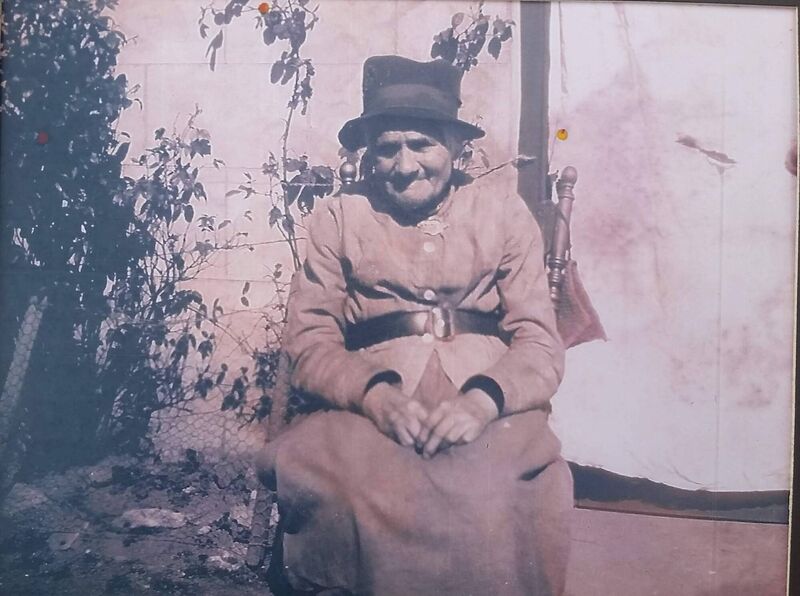
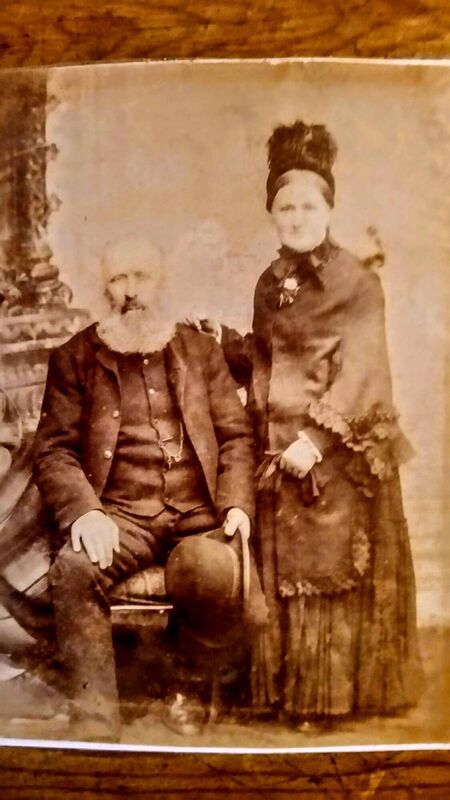
Amongst the dusty belongings left behind by its last owners was the family bible of Jacob Switzer dating from 1850 which listed the names of his children and contained a number of photographs.
Delighted be able to buy a cottage built by a long distant ancestor, Gary set about making it comfortable for modern living while also attempting to keep its traditional character.
“The roof was still good although there were a few leaks,” he says explaining that the original stone cottage, with its metre-thick stone walls, had been extended quite significantly over the years by successive generations of Switzers.
He started by taking down ceilings and removing plaster off walls and subsequently brought in trades people to put in windows, oil fired heating and modern plumbing and electrics.
“When we took out an old Victorian stove we found a large inglenook fireplace behind it – it was pretty amazing to think that this was the fireplace which the family would have sat in front of 300 years ago.’’
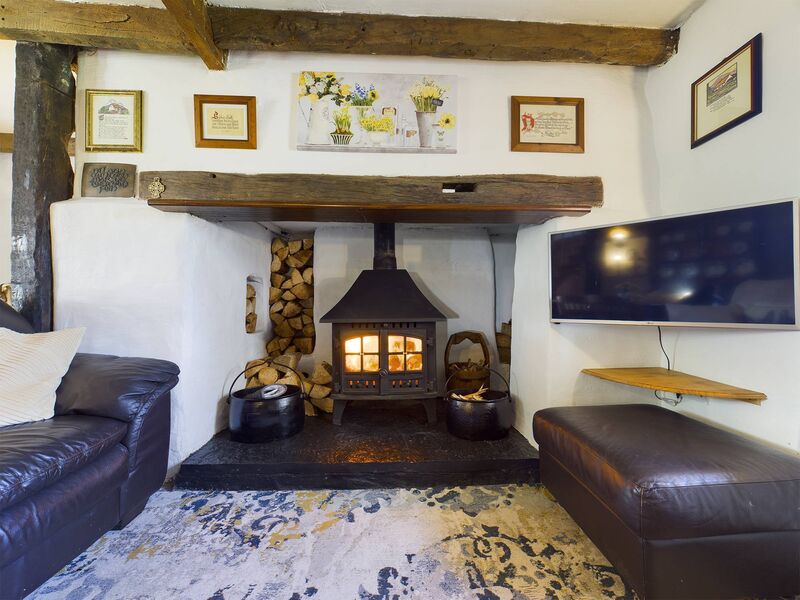
While he was renovating the house he paid a trip to Assenheim, the German village where the Switzers originated. “I spoke to the villagers in the town hall and told them about the house and the Palatines in Ireland. “A few weeks later they sent me some oak old beams from a 200-year-old house being taken down in the village and I incorporated them into the cottage.’’
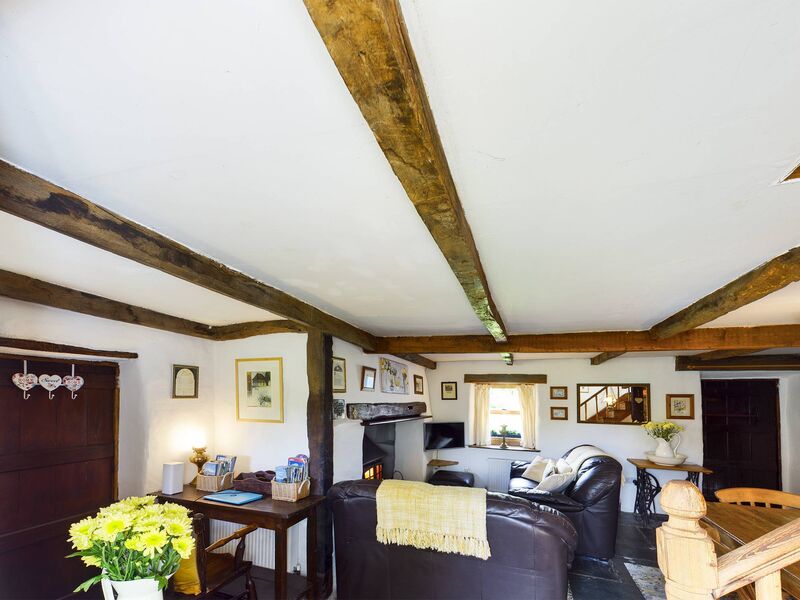
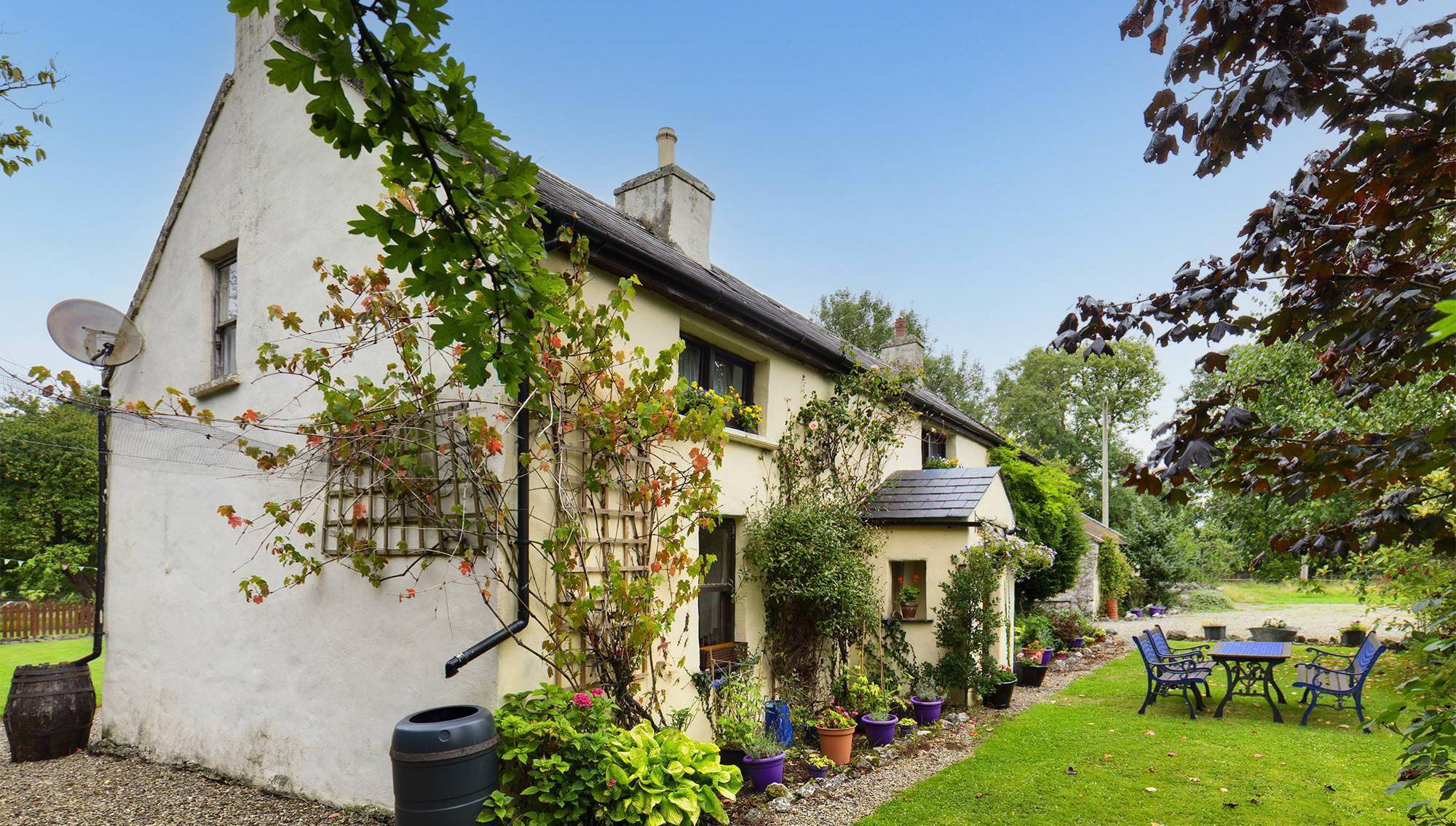
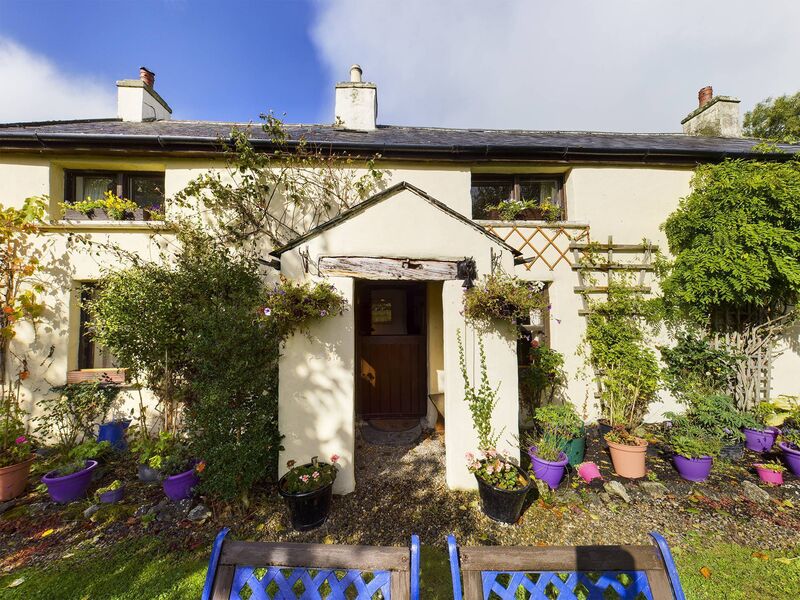
Now called Courtmatrix Cottage, it’s a three-bed property with 1,400 sq ft of accommodation.
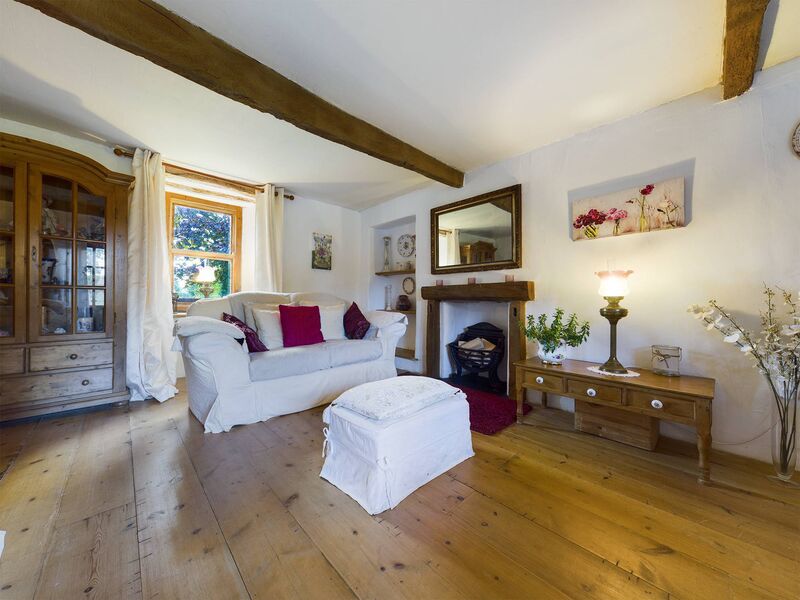
Downstairs there are two timber-floored sitting rooms with fireplaces, including the one with an original inglenook fireplace, now fitted with a stove.
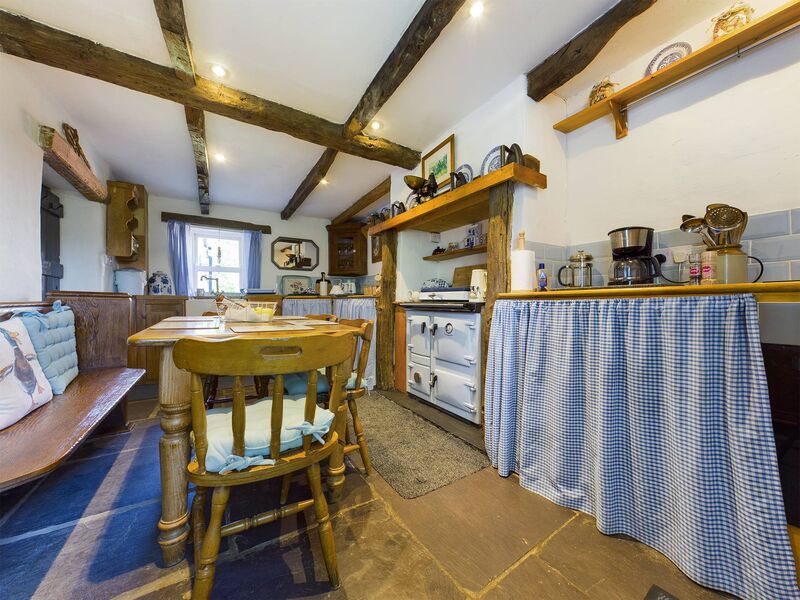
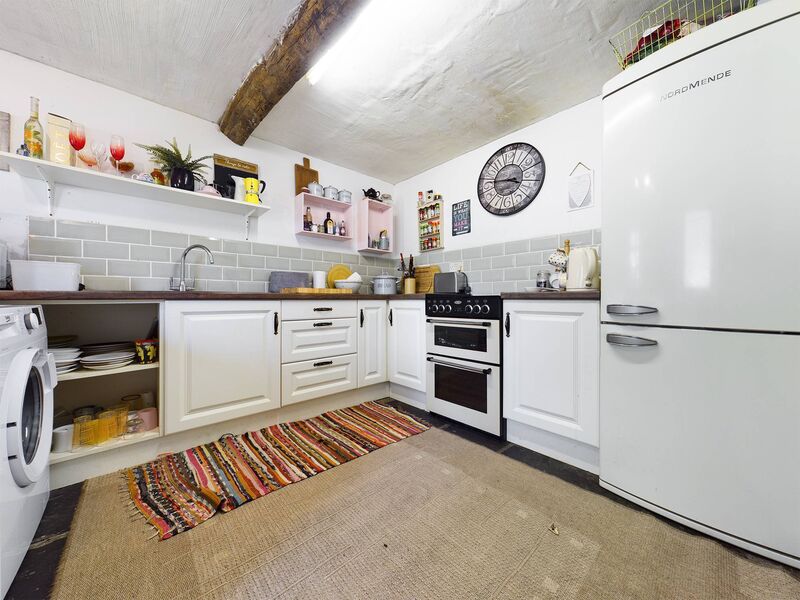
There’s also an old fashioned timber kitchen with a 1920s range.
In an extension at the rear, Gary put in a bathroom and added another on the upper floor, which also has three timber-floored bedrooms with low windows and beamed ceiling.
In addition to renovating Court Matrix Cottage Gary also restored another traditional cottage alongside it. Here the accommodation includes a kitchen, a sitting room a bathroom and three bedrooms.
The exterior of Court Matrix cottage now resembles that a 19th century farmhouse with rosebushes and trailing plants on the walls.
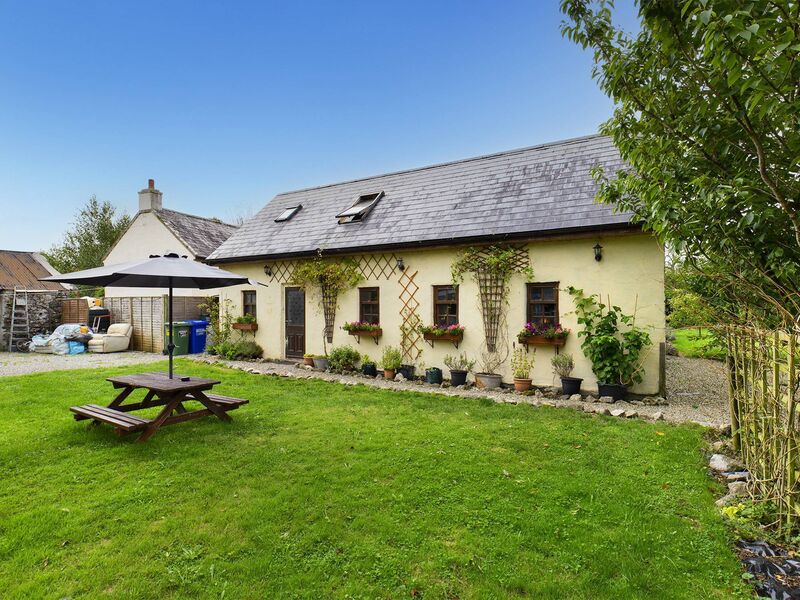
It’s on a site of three acres and has a huge apple tree in the garden, which Gary believes is at least 100 years old.
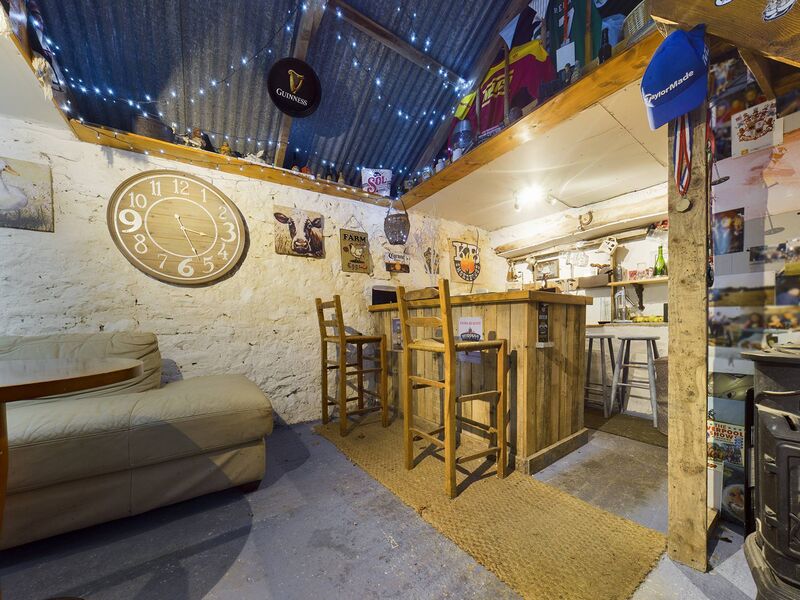
“All the houses built by the Palatines had apple trees. They came from a wine producing area and when they couldn’t make wine here they made cider instead – I found the remains of a cider press in the garden." As a lockdown project, Gary turned an outbuilding into a Síbín (shebeen) or little pub where he can serve up the cider he makes from his own apples.
In recent years he rented CourtMatrix Cottage on Airbnb and created a Facebook page for it called Switzer Cottage – which has entries from guests from the US and Canada whose ancestors were Palatine Germans who emigrated from Limerick.
Ireland’s most notable Switzer was John Wright Switzer who founded Switzer’s Department store in 1838. He came from Newpark in Tipperary and it seems highly probable that he too was a descendant of Christopher Switzer.
Although only a relatively small number of Palatine families remained in Ireland, they maintained a distinctive lifestyle for many years.
"They continued to speak German for close to one hundred years and had their own Burger Meister – like a mayor,’’ reveals Gary.
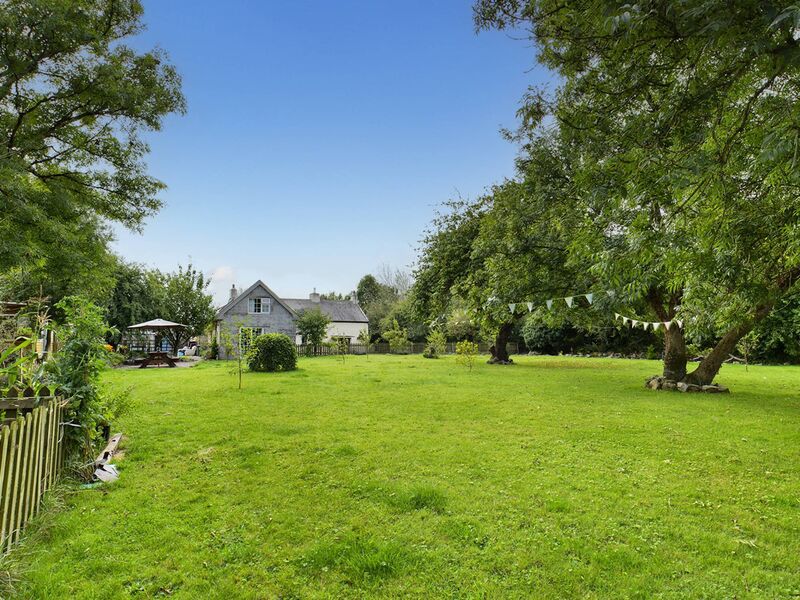
Courtmatrix Cottage with its three-acre site and the Switzer Residence alongside it is on the market with a guide of €600,000. Diarmuid Ring of RE/MAX in Limerick says it’s historically interesting, pretty and full of character and is attracting local interest: “We have also had calls from a few US buyers thinking of in using it as rental property,“ he adds.
A cottage with many stories

CONNECT WITH US TODAY



Be the first to know the latest news and updates