Trailblazing Doc Paye sisters' Model Farm Road home on the market for €825,000
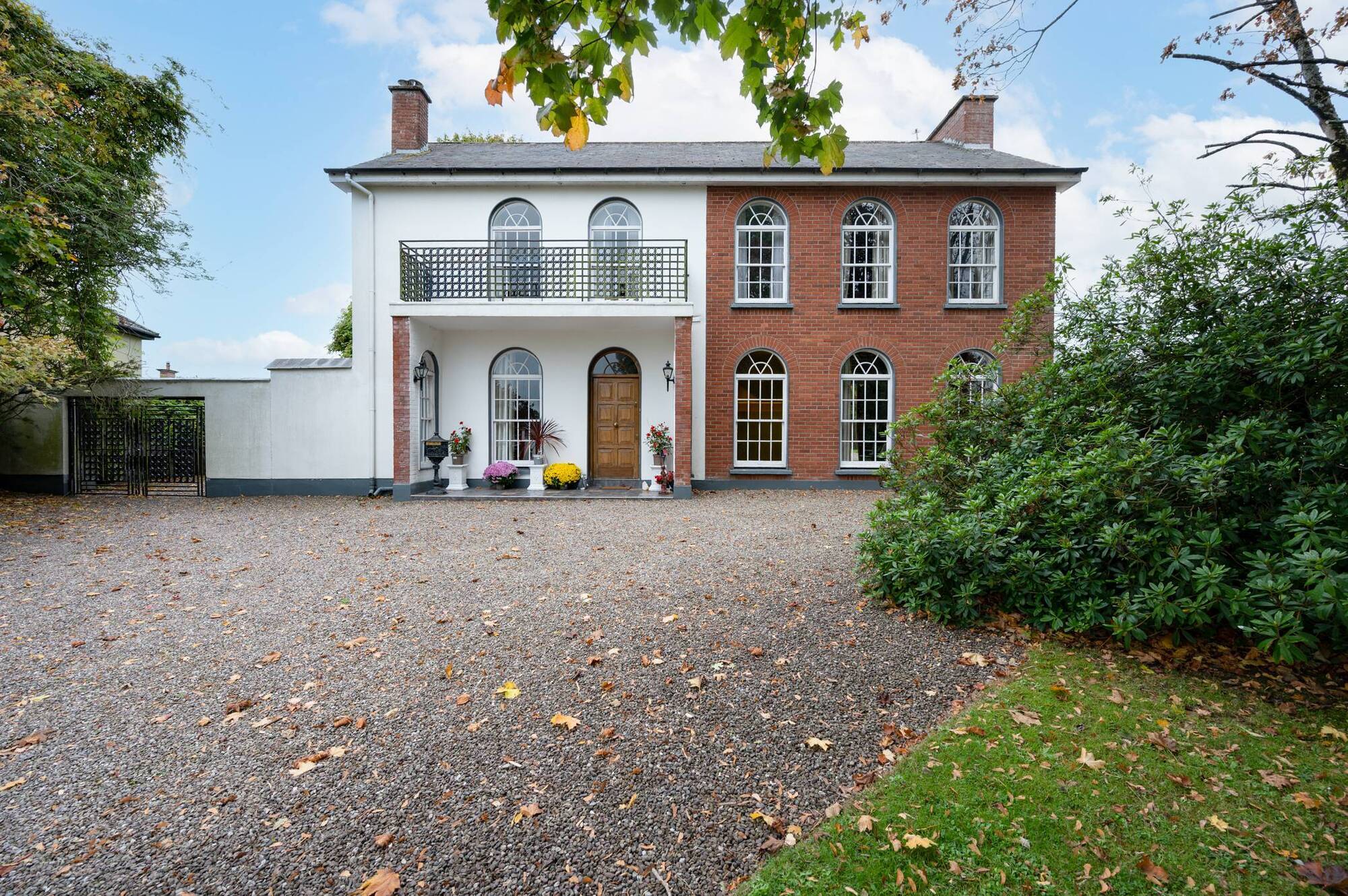
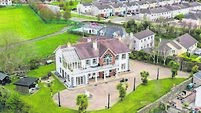
Doc Paye's family home at 9 Hillsborough, Model Farm Road, Cork City
|
Model Farm Road, Cork |
|
|---|---|
|
€825,000 |
|
|
Size |
218 sq m (2343 sq ft) |
|
Bedrooms |
4 |
|
Bathrooms |
4 |
|
BER |
G |
THERE’S nothing traditional or conformist about No 9 Hillsborough on Model Farm Road, which is entirely appropriate, as the women who lived there eschewed convention too.
They were Margaret, Sheila and Úna Paye, each a trailblazer in her own way, and all bound up in the history of a school known to generations of Cork students as “Doc Paye’s”.
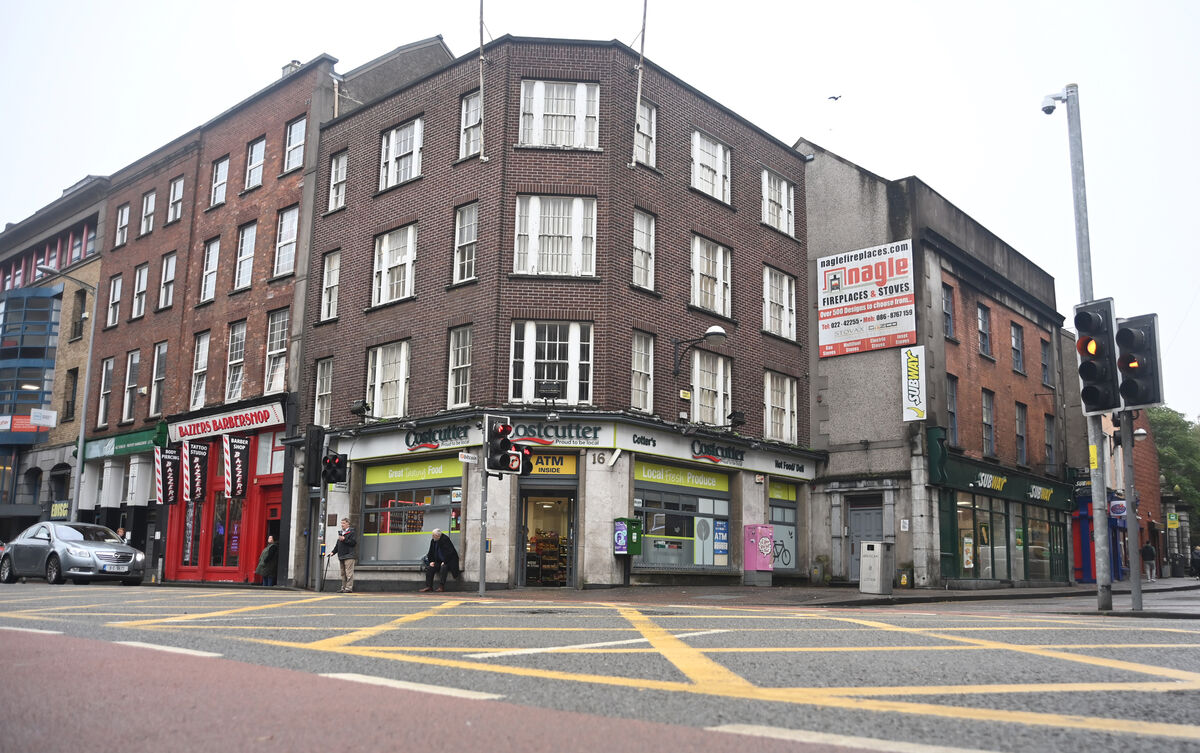
On the corner of Washington Street and South Main Street, Margaret opened the private school in the late 1960s and it was quite avant-garde for its day, a "senior cycle" institute with the emphasis on science subjects, at a time when sitting the Leaving Certificate wasn't quite as central to students' lives as it is now.
A family friend of the sisters recalls how they visited schools encouraging boys to continue with their education to Leaving Cert level, with a focus on the sciences.
He compares it to the drive today to encourage girls to study the STEM subjects (science, technology, engineering and maths) for their final school exams.
The sisters were in the vanguard of that movement he says.
"Sixty years later, the job still isn't finished," he adds.
The sisters were scientifically gifted themselves. Margaret was awarded a doctorate in Biochemistry in the late '50s, traversing traditional job gender boundaries, while her sister Sheila obtained a Masters in Chemistry.
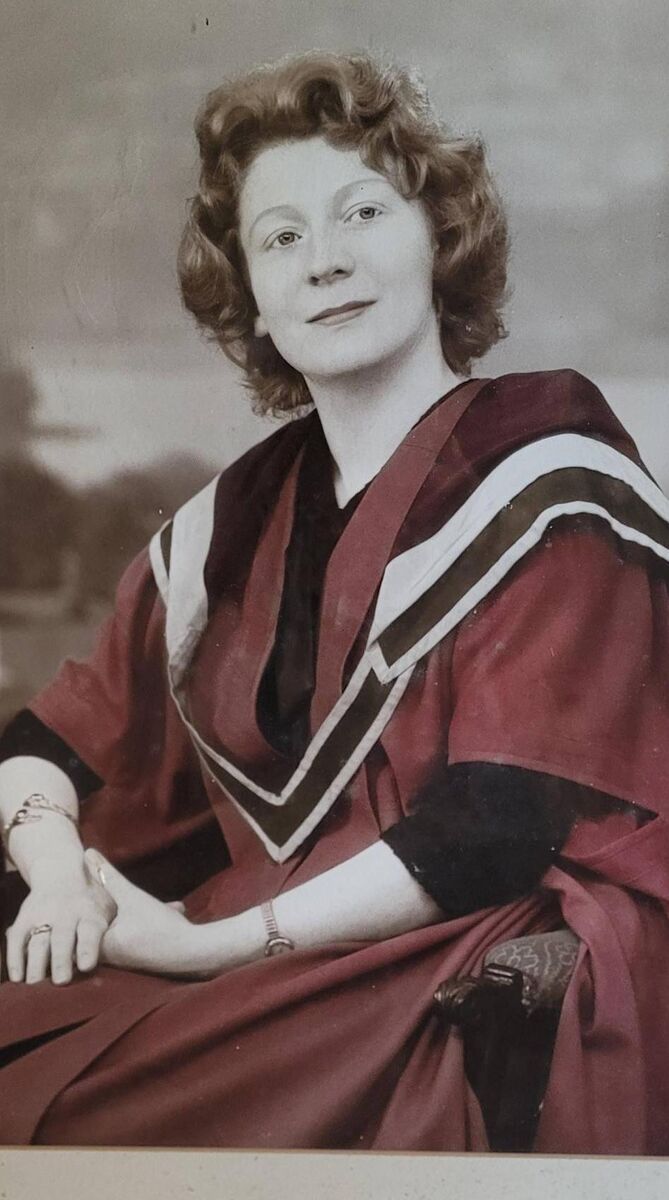
Somewhere along the way, Margaret attracted the attention of Nobel prize-winning Austrian physicist Erwin Schrodinger while he was working in Dublin in the 1940s. The family friend says he invited her to come to Vienna with him, but instead she accepted a job in the laboratory at Whitegate Oil Refinery. In light of recent revelations which show Schrodinger was a paedophile, it seems she made the right choice.
After spending the bones of a decade in Whitegate, Margaret opened what became known as "Doc Paye's" but was officially called Holy Trinity College, in Cork City centre in 1968.
It started out as a secondary school focused on teaching science subjects and subsequently branched into running science courses for Pre-Med and Pre-Dent students who wanted to study medicine or dentistry at UCC.
Margaret’s sister Úna (Agnes), who had worked as an accountant at the Cork Ford factory, joined her siblings at the school in the late ‘80s following the car factory’s closure, and she looked after the bookkeeping and the library.
In 1989, Margaret expanded into offering A-level courses for people who were hoping to gain entry to third-level institutes in the UK and she set up what was known as the Cork Law School offering access courses in law and politics. Following an approach from the University of London, she also opened an LLB (Bachelor of Law) course as an external college of the University of London.
The success of these courses prompted her to branch out further, and in 1990 she introduced courses to prepare students for gaining entry to Blackhall Place, to train as solicitors.
For those wondering what prompted a scientist to segue into the law, the family friend offers some insight. While sifting through her papers, he came across a document which showed a possible link to David R Pigot, a judge of considerable ability in the mid 1800s, who became the first Catholic to be appointed chief baron of the Exchequer of Ireland in 1846. Margaret's family tree shows Pigot had married a woman with the surname Paye.
“People were wondering why someone with a biochemistry degree had an interest in law so maybe that interest was already in the family,” the friend says.
In fact Margaret was a polymath, interested in just about everything, even in the design of her own home off Model Farm Road, which is every bit as singular as the woman herself.
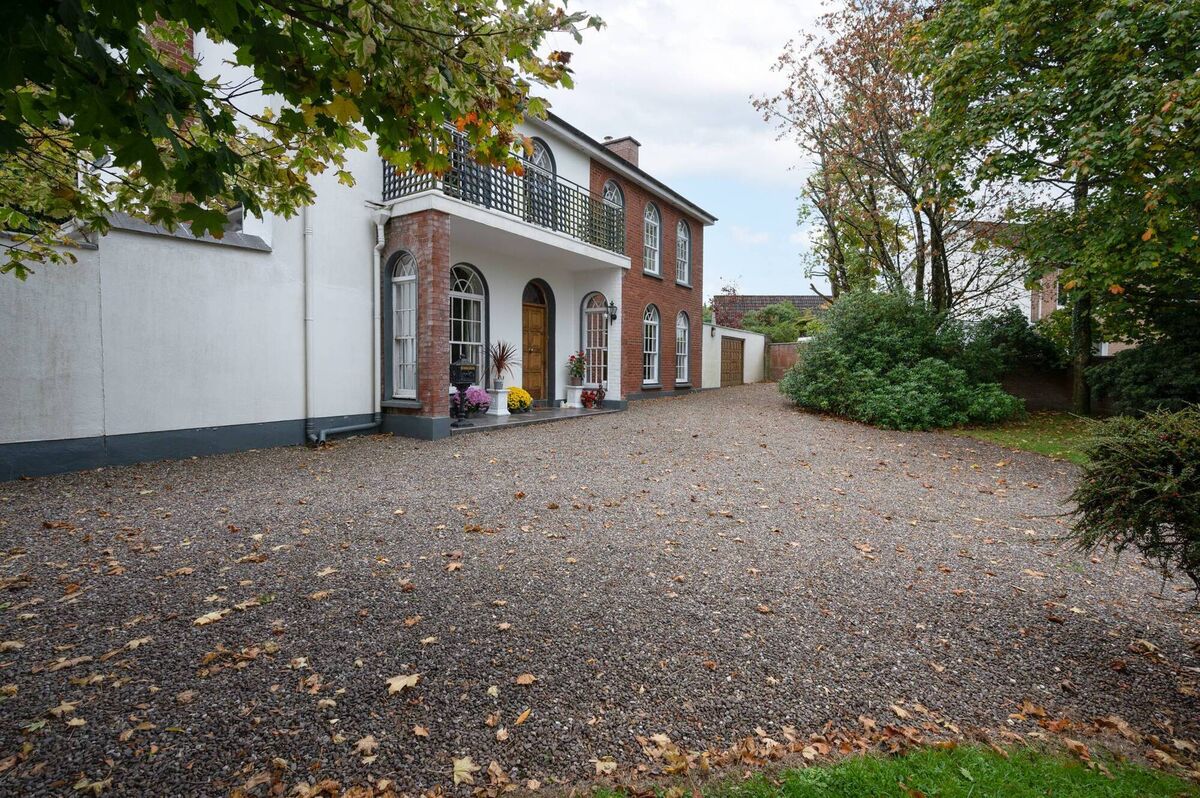
Built in 1973, the family friend believes the house design was influenced by years of holidaying in Spain.
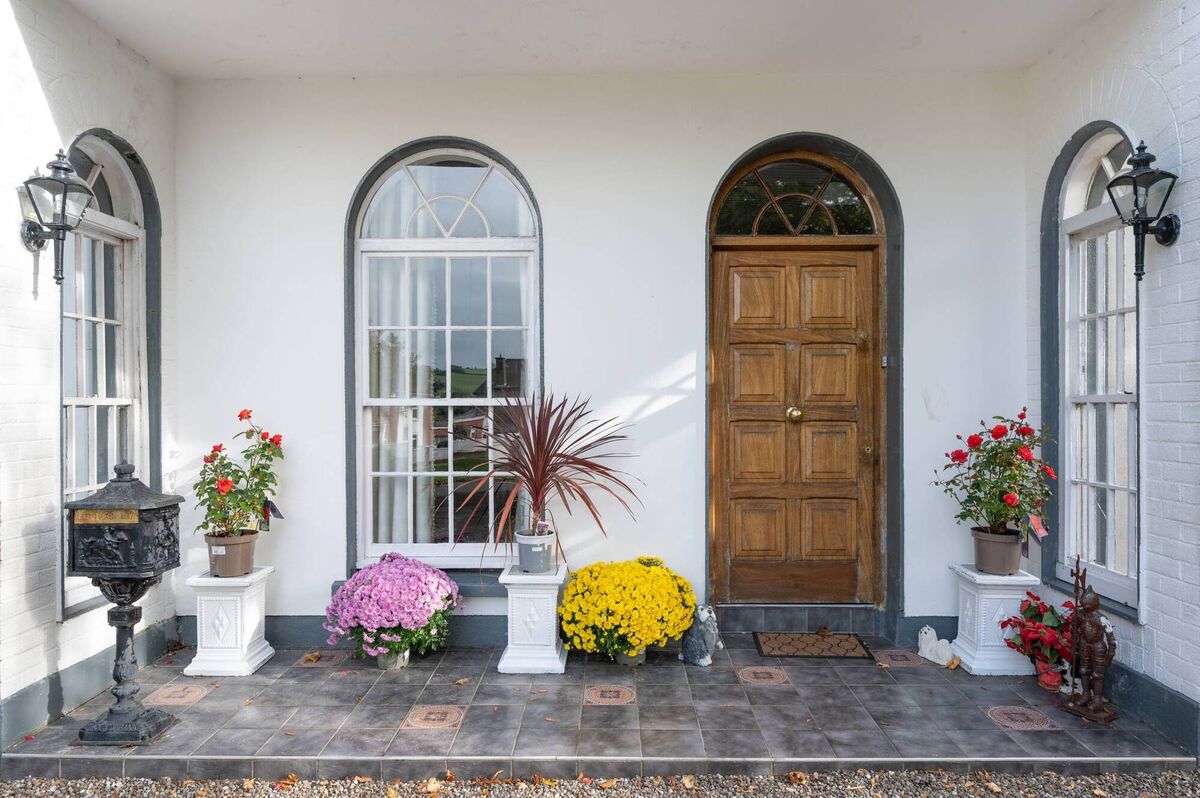
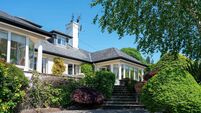
“The family went on holidays to Palma in Majora, in the ‘50s and’60s, when no-one else was going there and I think you can see an element of that in the front porch and the balcony above it,” he says.
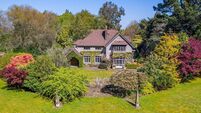
The front façade is such that if you cleaved it down the middle you’d have a solid red brick on one side and a white-washed, Spanish-style villa on the other, with a wide open porch and balcony overhead. Gorgeous Georgian windows marry the two sides and are even in the walls of the porch.
It’s a safe bet that when you cross the threshold you won’t have seen an entry hall like that at No 9 before.
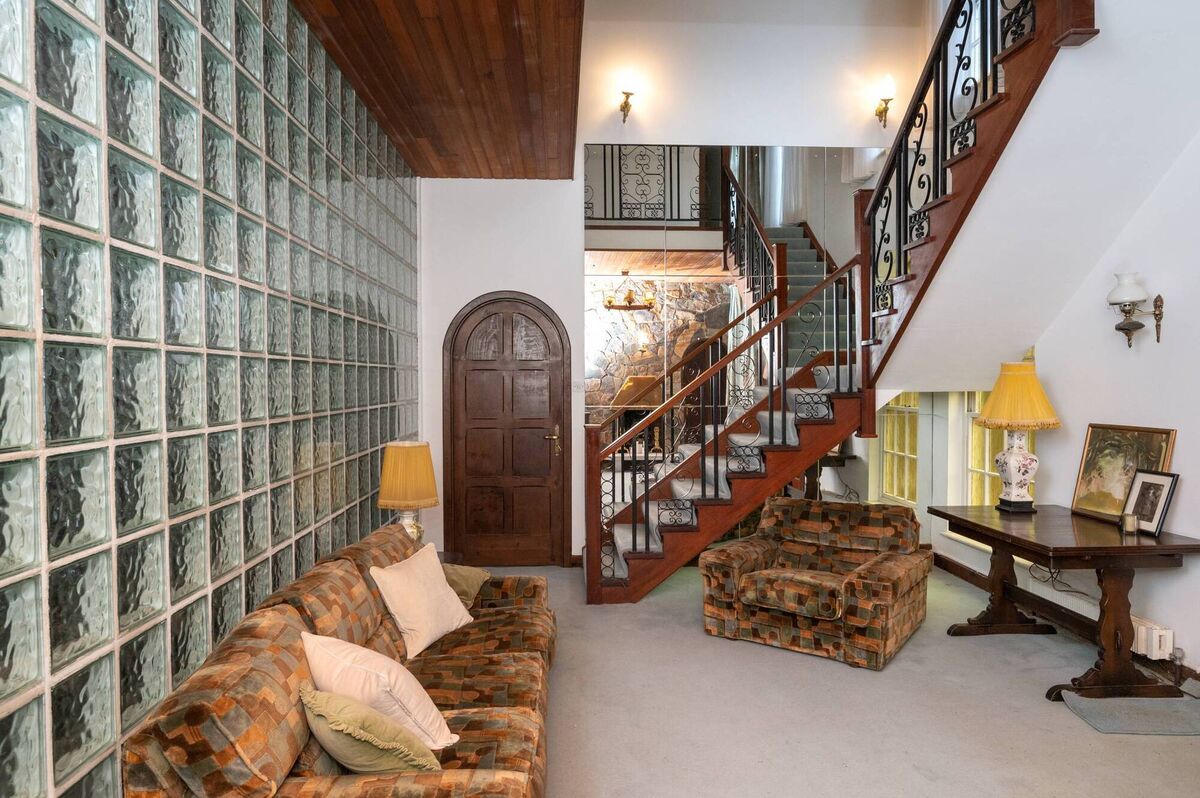
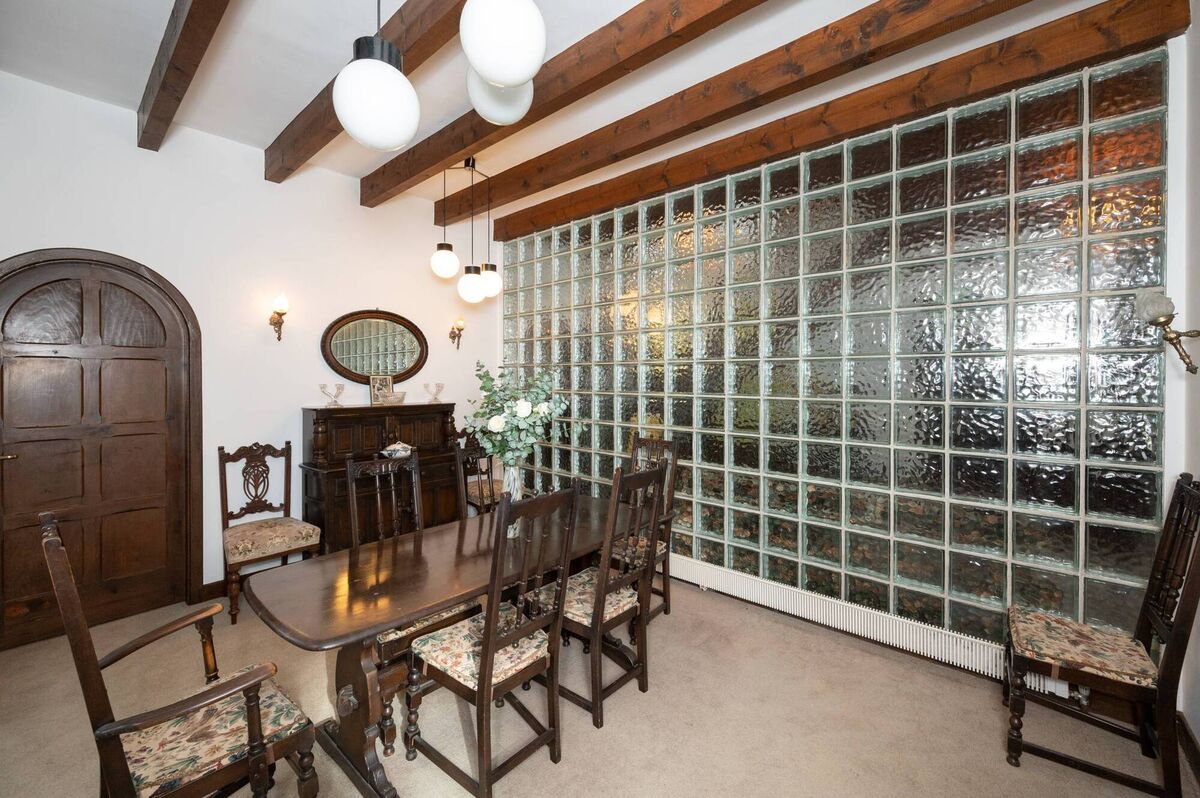
In fact you couldn’t call it a hallway. It's more a foyer where dramatic pieces compete for your attention, starting with that ‘70s classic, a glass block wall of considerable breadth and height which lets light through to the dining room behind. Then there’s the large, raised, open fireplace on a feature stone wall, and a striking L-shaped staircase with ornate balustrade upto a mezzanine.
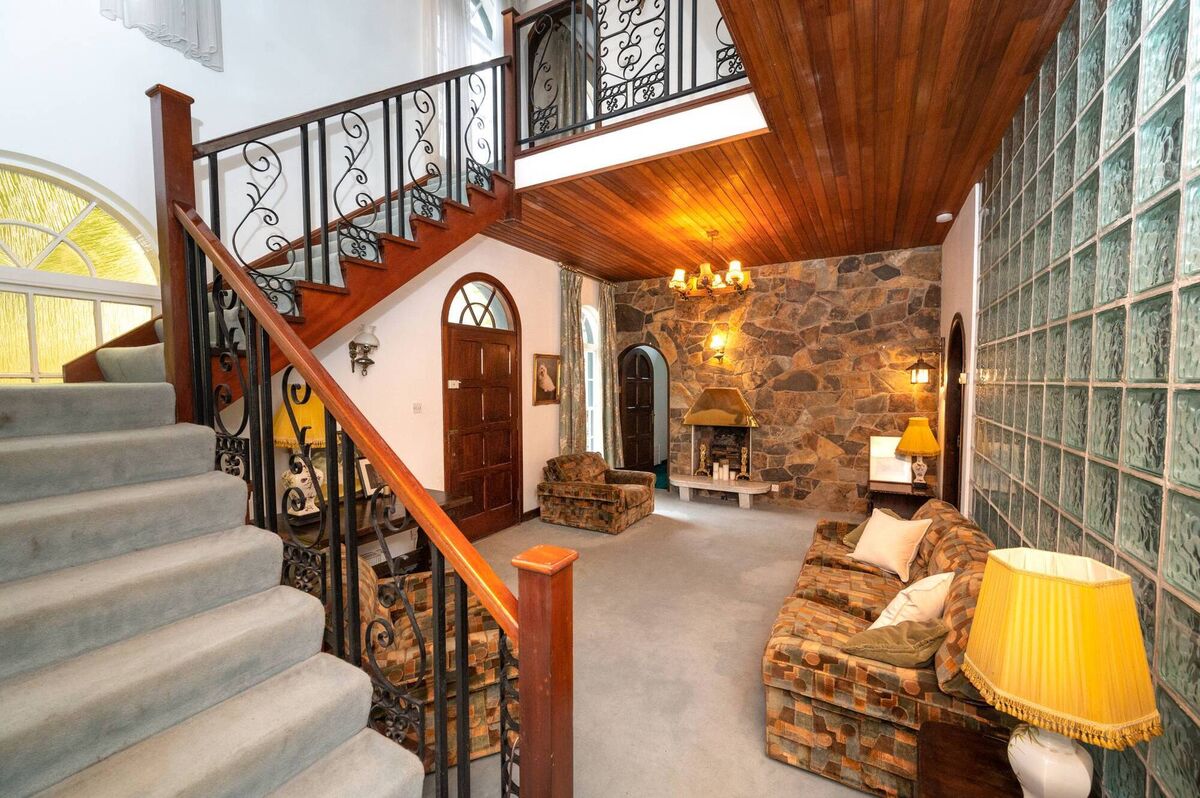
It’s an intriguing space dominated by ‘70s retro and the impact is heightened by a series of tall mirrors on the stair wall which magnify the room’s depth. The look may be dated, but it’s still pretty impressive and as car makers will tell you, nostalgia sells.
The 218 sq m house has lots of unique features because, as the family friend says, Margaret was a woman with ideas and the house was another medium through which she could express herself. One feature that really stands out is the sunroom, open plan off the formal dining room, surrounded by those graceful Georgian windows (seven in total) and with a fabulous fixed-frame circular skylight window.
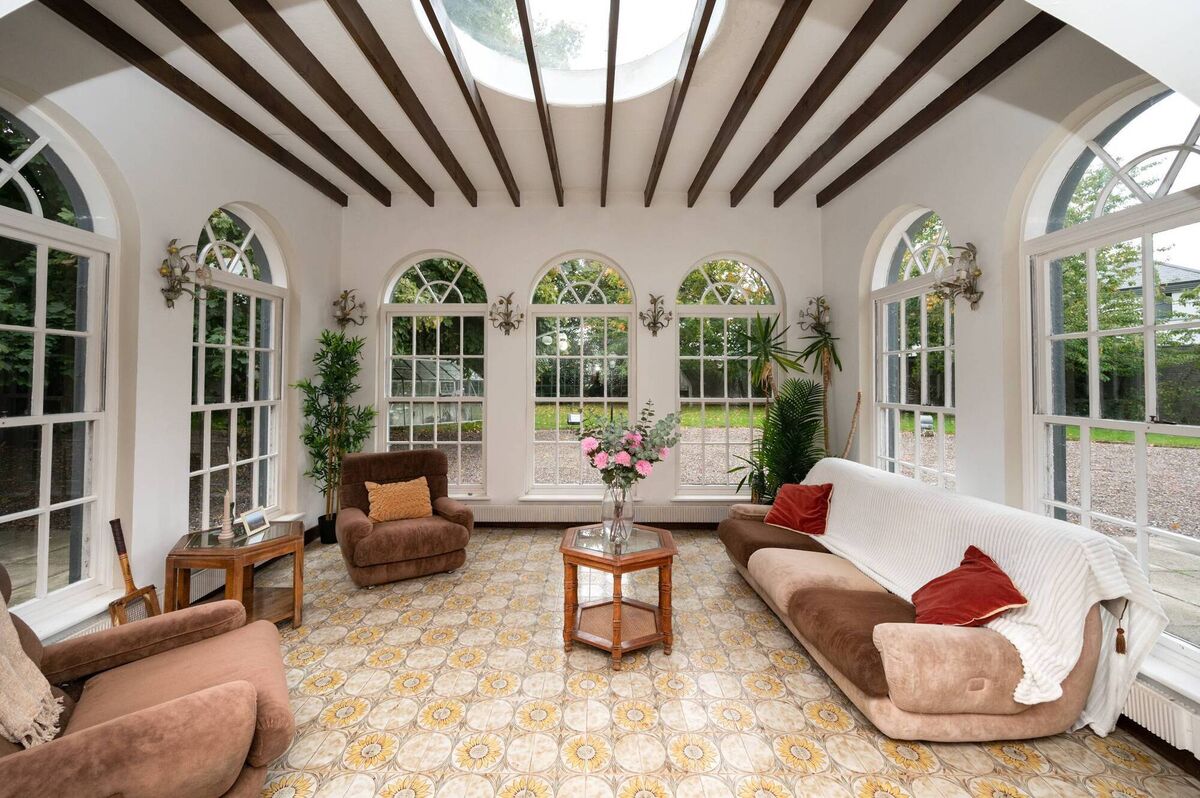
It’s bathed in natural light and has garden views in every direction.
The dining room is intriguing too, with the glass block wall forming a striking backdrop.
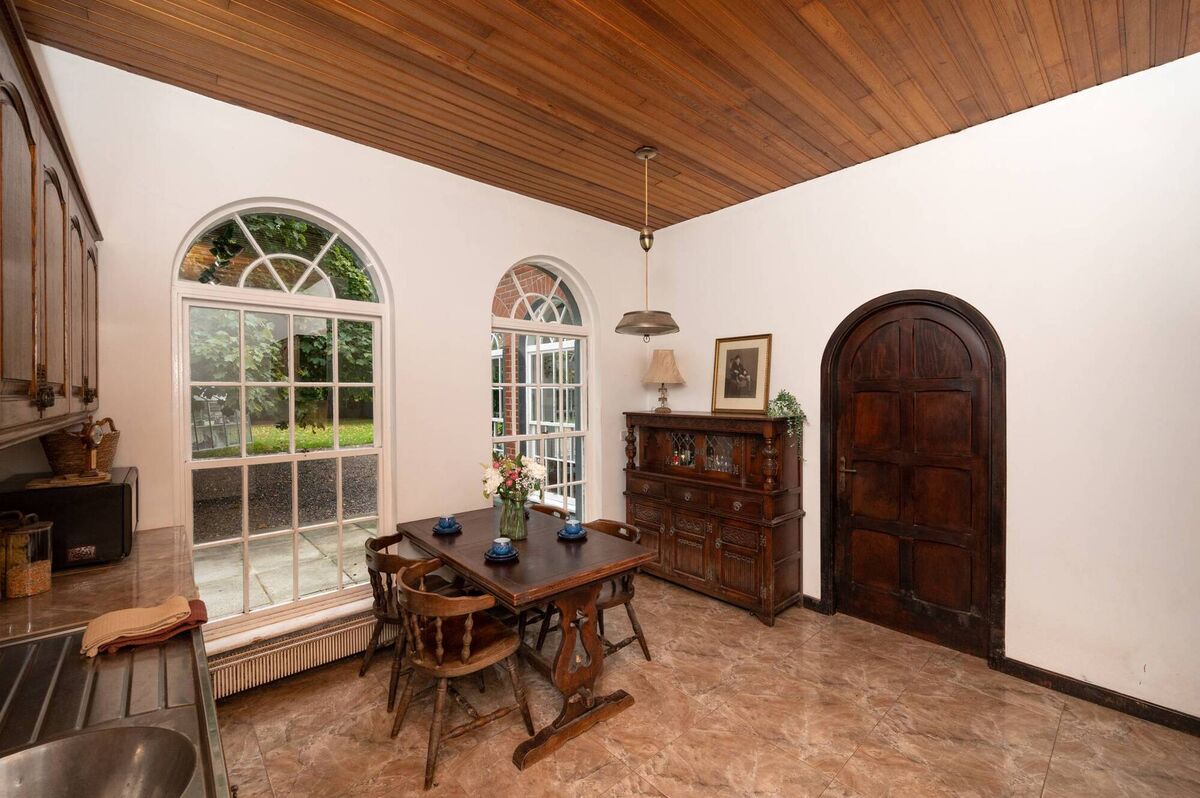
Windows were important in this house – each of the bathrooms has a clerestory window that sits high in the wall near the roofline, ensuring privacy, while letting light in. They’re used in the kitchen too, which is off the dining room and there are two Georgian windows in the kitchen, overlooking the garden.
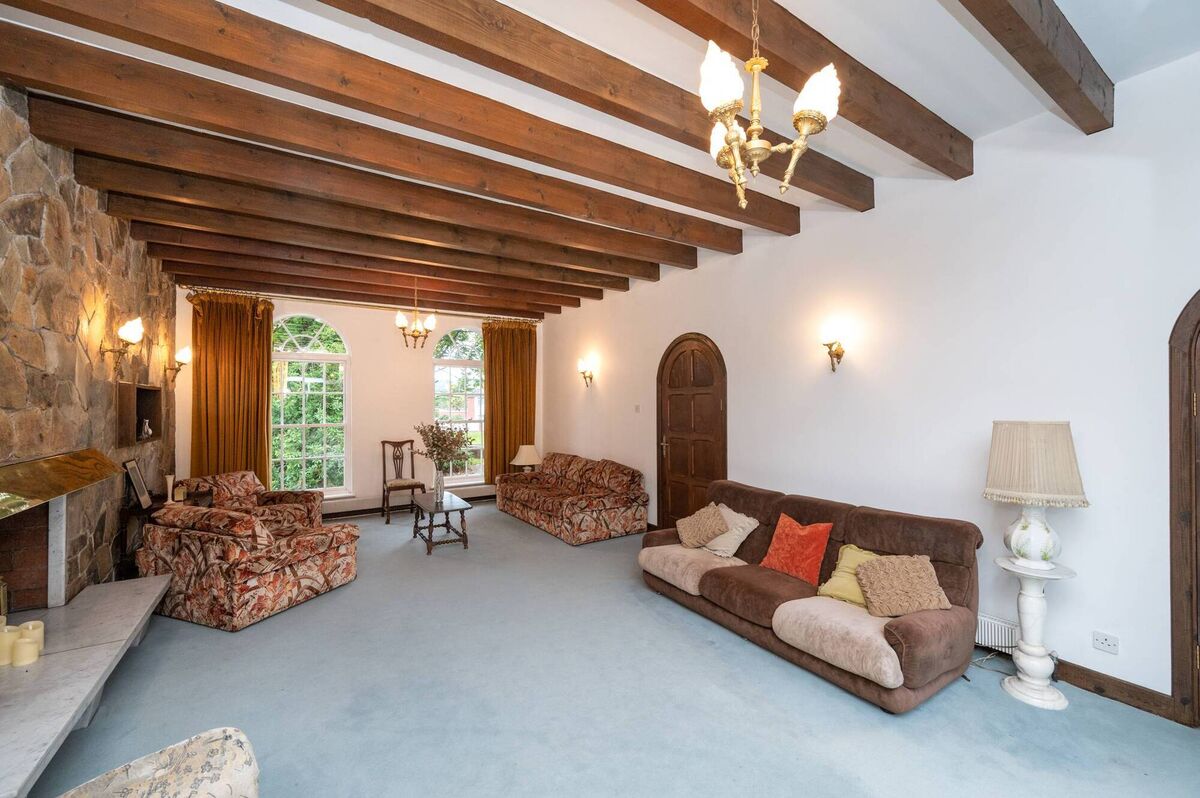
A very large living room runs the depth of the house and has a huge feature wall above the raised fir place. Like the sunroom and the dining room, beams run the length of the ceiling.
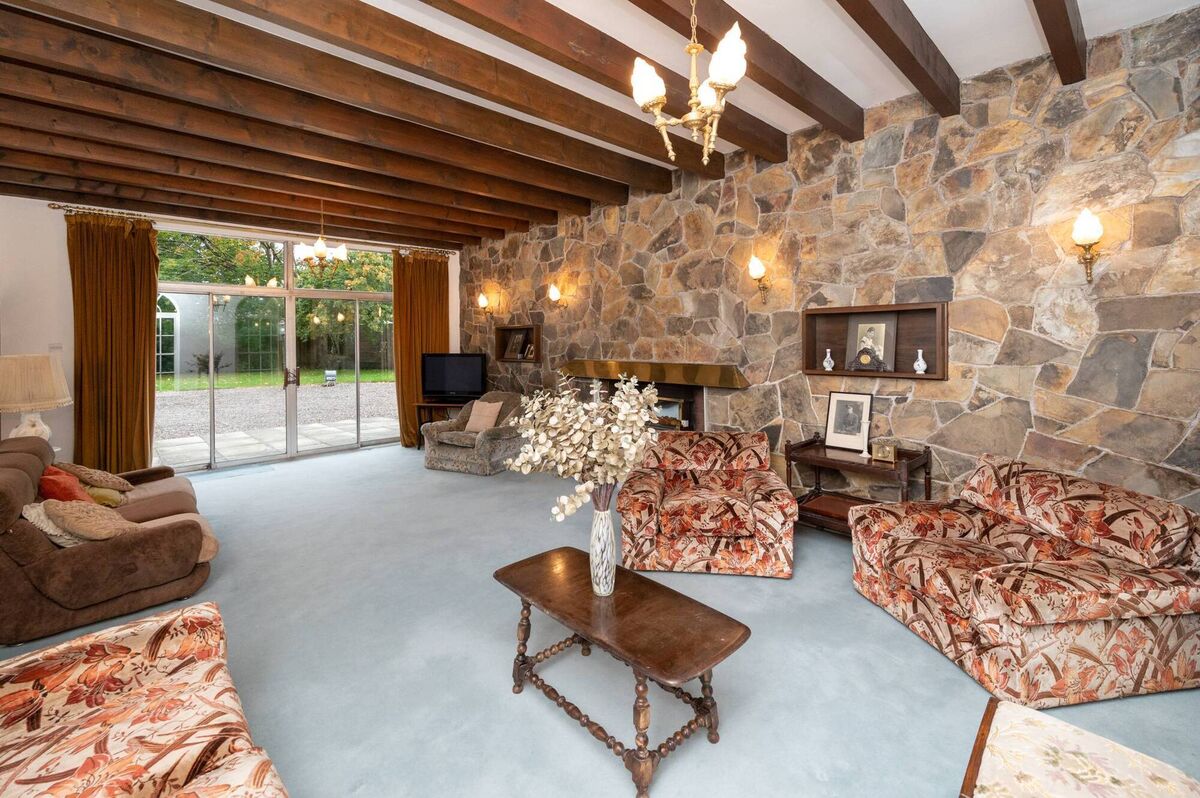
Glass doors at the garden end lead outside.
Upstairs is dated too, but all of the bedrooms have beautiful curved wooden doors (they are throughout the house) and views out of Georgian windows. The front bedroom has an ensuite with unique double doors that you’d be hard pressed to find these days.
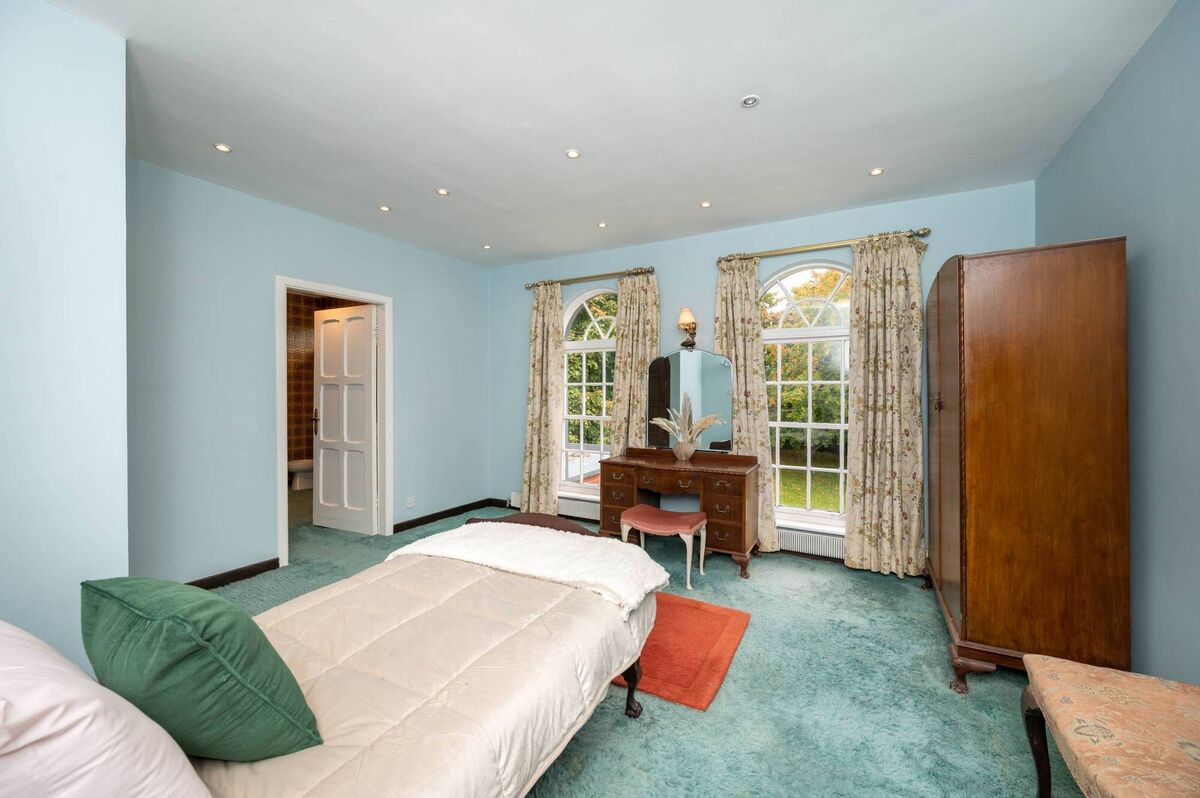
Unfortunately, the balcony off the front bedroom can only be accessed by climbing out the window, but new owners may address that.
Bedrooms to the rear have garden views, one has an ensuite and there’s access from the main bedroom to the main bathroom, where there’s a terrific bath and a huge vanity unit.
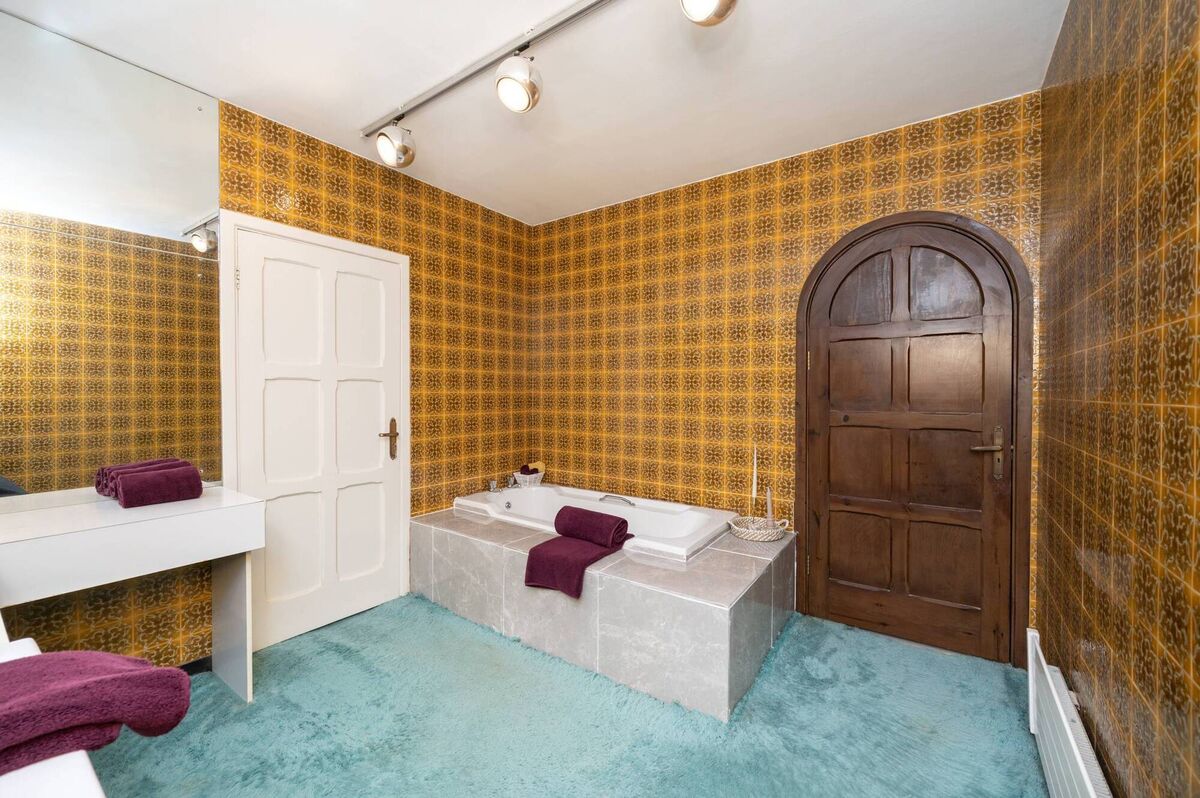
Mounted spotlights big enough for a stage production hang from the ceiling and there’s enough ‘70s tiling for a Stanley Kubrick movie.
There’s a fourth bedroom upstairs too, which the sisters used as a library.
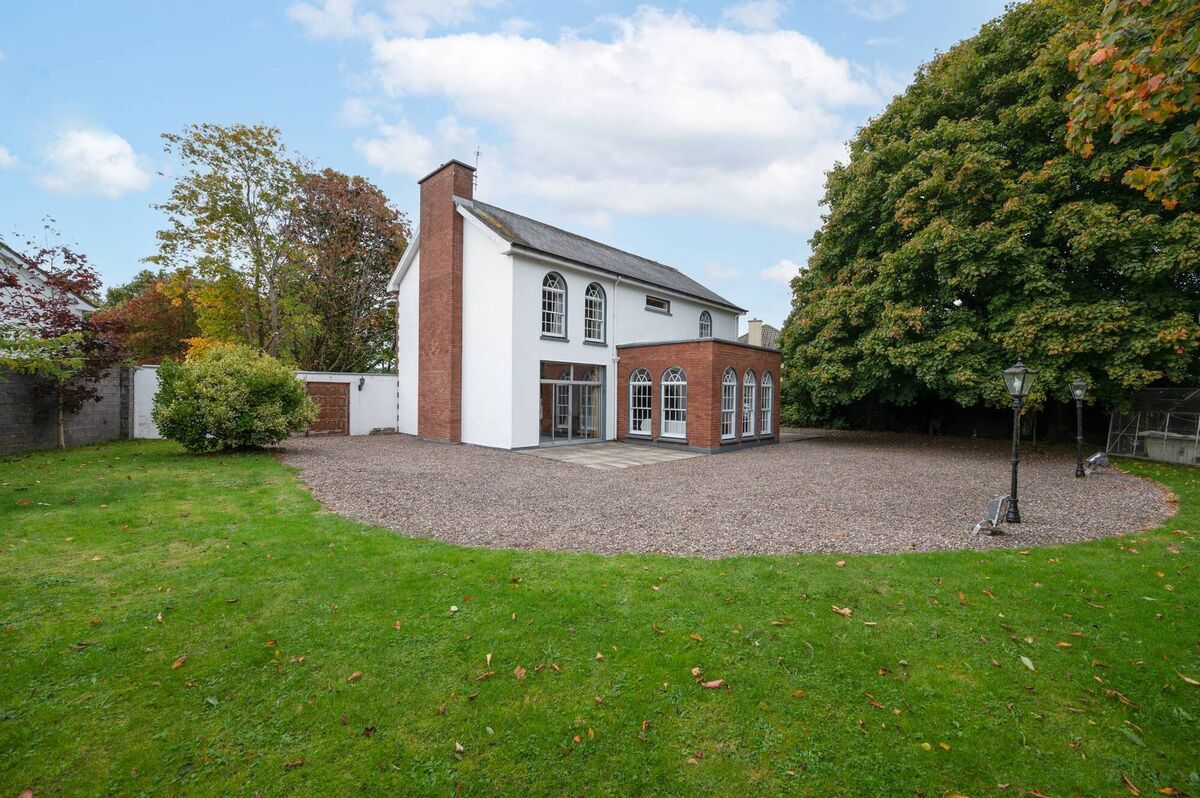
No 9 sits in lovely grounds, nicely landscaped to the front, with mature flowers and shrubs and off-street parking in the gravel driveway.
Outback is south-facing and fully enclosed and fabulously private, with a number of trees forming a huge canopy on one side of the lawn.
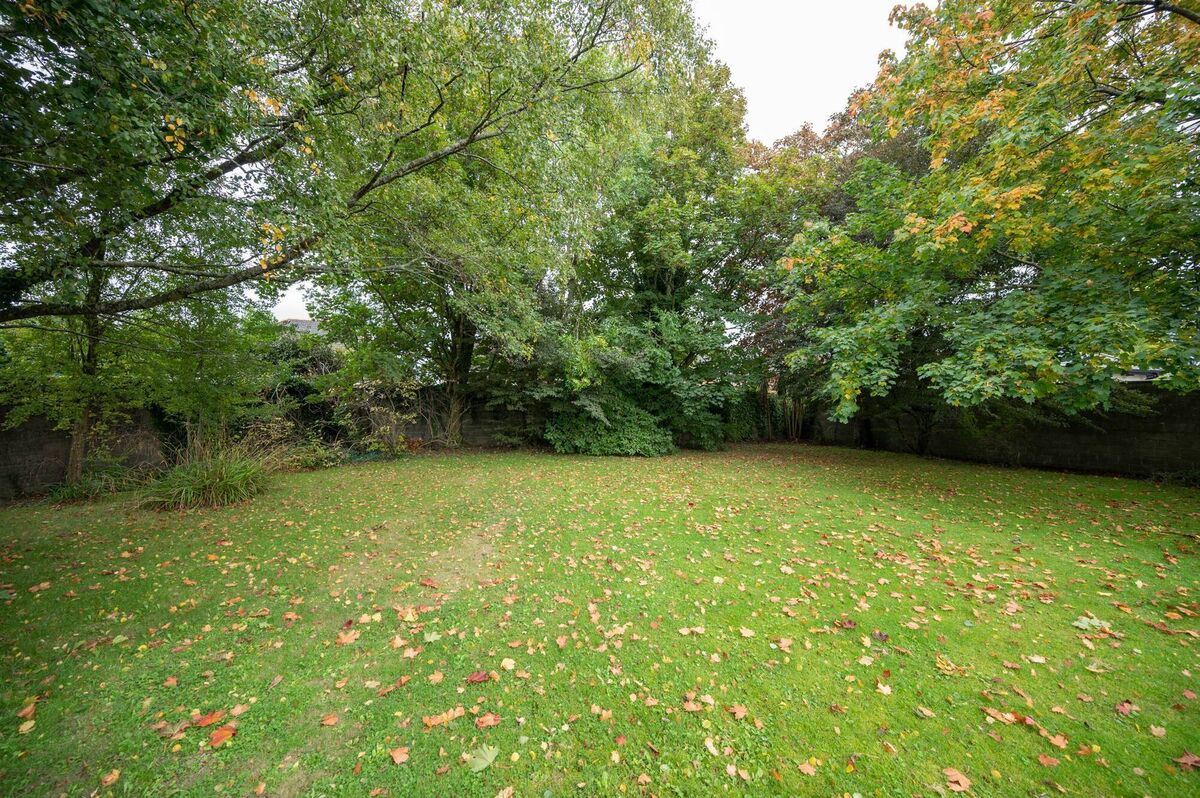
Patio areas run along either side of the protruding sunroom.
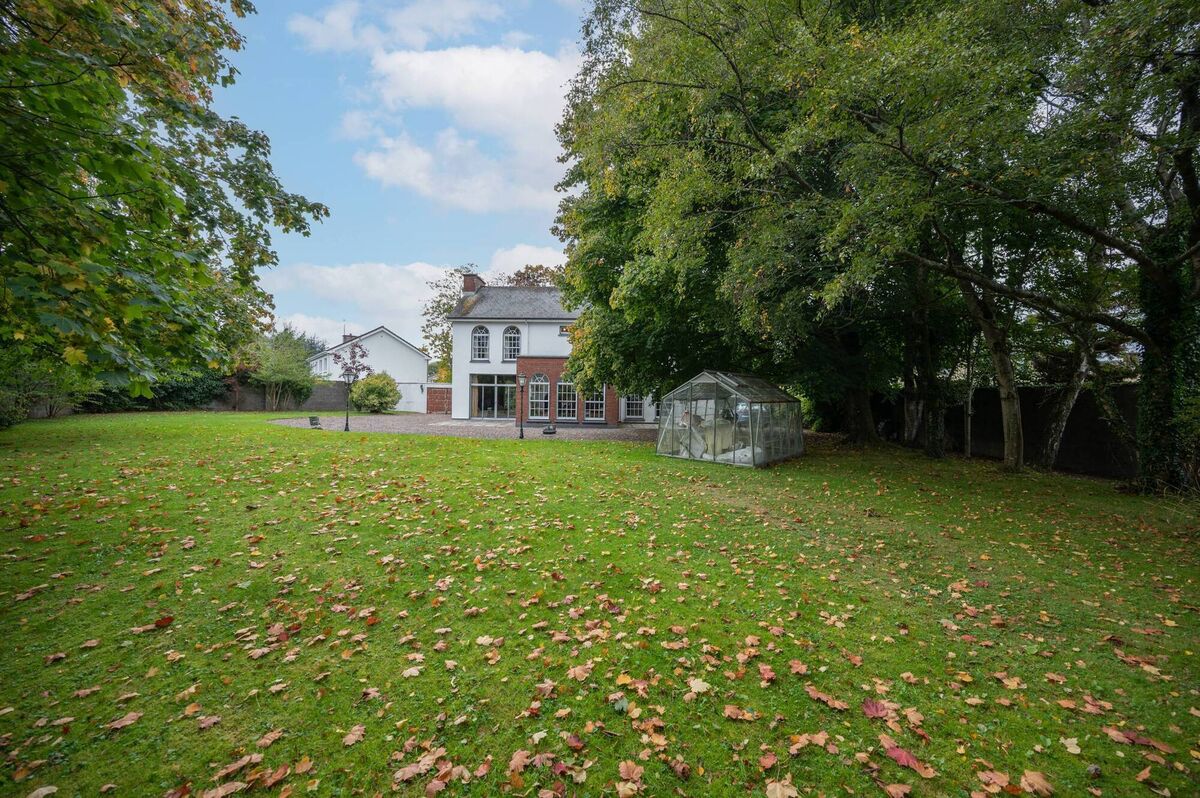
Norma Healy of Sherry FitzGerald is the selling agent and she describes No 9 as “a magnificent four-bedroom residence situation in a niche development in one of Cork’s most prestigious residential areas”. For sure it’s not your typical city housing estate. All of the homes in the front section of Hillsborough are one-offs, none are small, all have large gardens. This one is on 0.4 acres and the setting is serene and leafy.
The view from the front is towards Inniscarra and out front has a gravel drive and parking for several cars. Another feature of No 9 is the access to the rear. Walls on either side of the house run to the site boundary and there are double gates in the wall on one side to let cars through and double doors in the wall on the other side.
Ms Healy says No 9 has “harnessed all the trappings of its wonderful rural setting, yet is still positioned in a central location”. That centrality means its ideally located for anyone working at Cork University Hospital or Munster Technological University or UCC. Bishopstown and Ballincollig are nearby and Cork City centre is a 15-minute drive.
Ms Healy describes No 9 as “a property filled with immense style and character” which seems very much in keeping with the Paye sisters, who were known for their glamorous beehive up-dos and commitment to wearing academic gowns during their time at Doc Paye’s, which closed when Margaret retired in 2012.
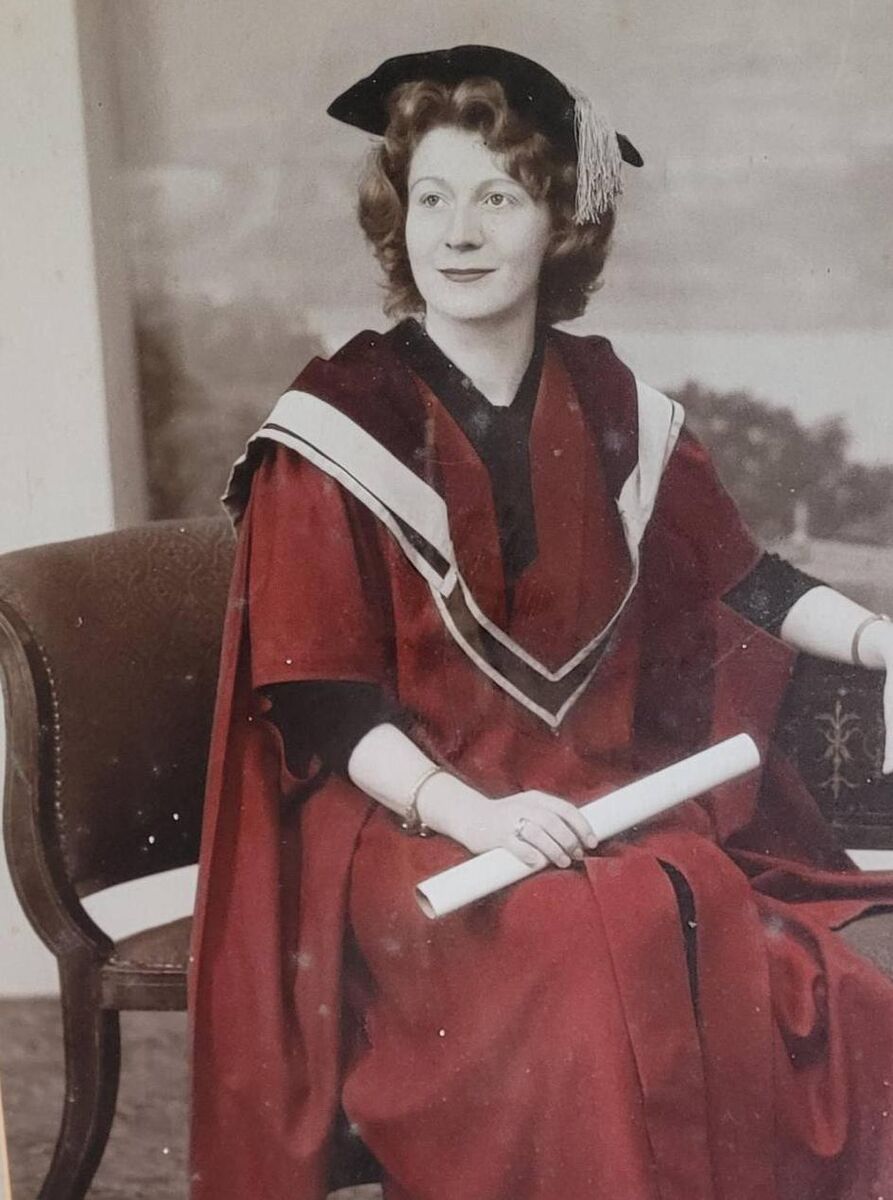
Her retirement allowed her more time to indulge one of her pet loves – taking care of her dogs. In fact she and her sisters were show judges and always kept dogs, the family friend says. They took care of their mother too, who moved in with them from the family home in Laburnum Lawn, after their father (Charlie Paye, holder of 1911 County Football Championship medal with Fermoy and winner of Munster Railway Cup Medal) died in the 1960s and she remained at No 9 until she in turn passed in the early ‘80s.
Sheila and Úna passed away in the noughties and Margaret died in June of this year.
Their caring nature and unconventional approach to living is reflected in their decision to leave a substantial amount of the proceeds of this house sale – which Ms Healy is guiding at €825,000 - to their favourite charities.
Ms Healy says it's "a very special property on a lovely private site" that will attract a strong mix of buyers, including people looking to relocate to Cork from up the country and from overseas.
A house that will need investment and a substantial improvement to its G energy rating, but also a home that deserves to be respected for what it is and for the history that comes with it. Attractions include the Model Farm Road location and the site size. A unique trading up opportunity.


CONNECT WITH US TODAY



Be the first to know the latest news and updates