Do I have to have a flat roof on my rear extension?
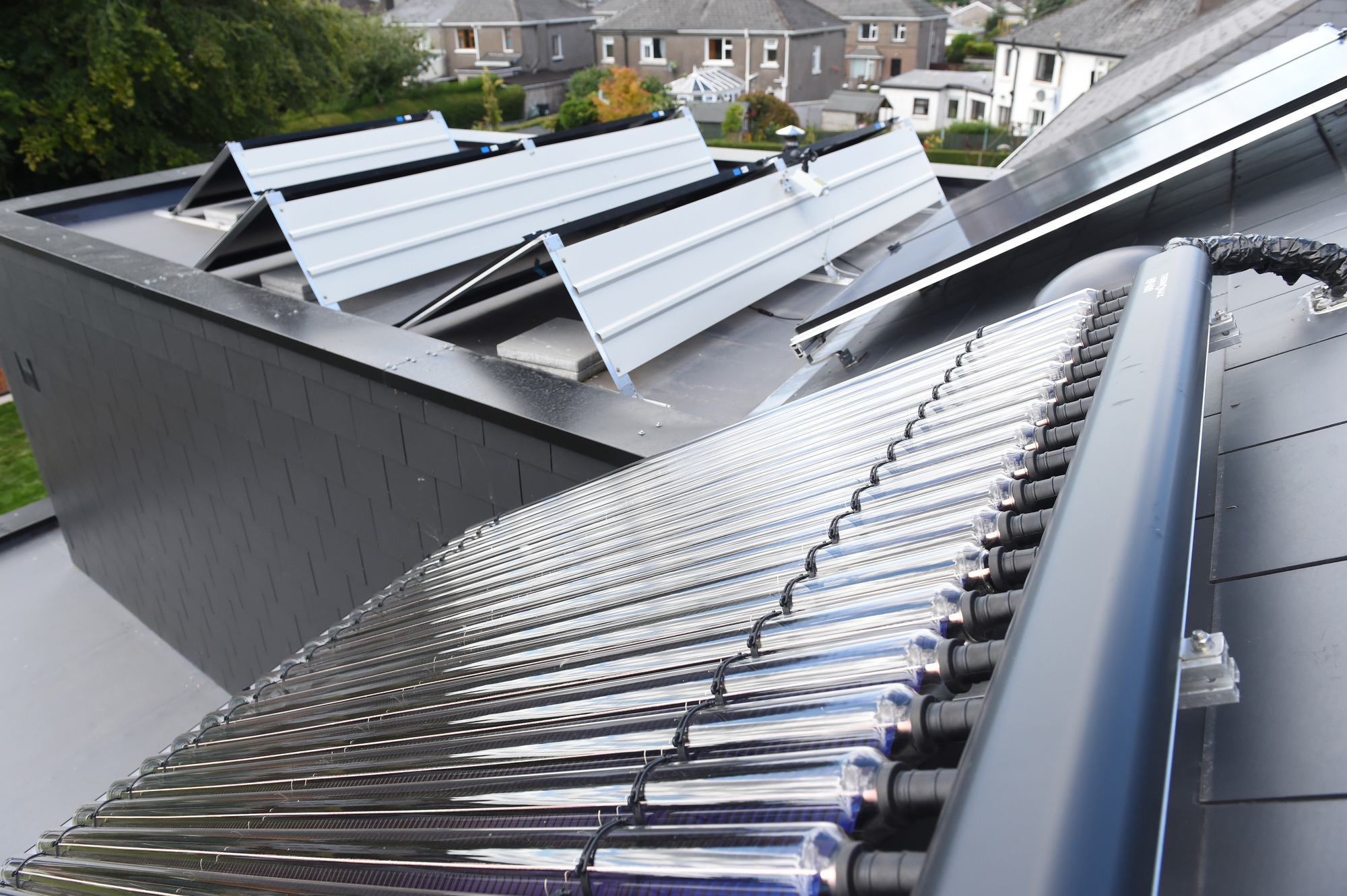
Which is the most-suitable extension to go with when adding to the ground floor?
Do I have to have a flat roof on my rear extension?

A reader and her husband are debating which roof option to go with on their ground-floor extension: A flat or a pitched roof.

Hi Kieran,

We’re fortunate enough to own a home with enough garden to enable us to extend to the back now that our family is growing. We want to add a ground-floor extension, open up the kitchen to create the very popular kitchen/living/dining room and also a ground-floor bedroom with a bathroom to future-proof it. Architects seem to love flat-roof extensions or low-pitch membrane ones.

My husband is quite traditional and likes the idea of a property with what he calls “a proper roof” as he steeples his fingers to make a point and says this is tried and tested, and that troublesome flat roofs from previous decades just prove his point. Where do you stand on this?

Thanks very much, Laura, Ballinlough, Cork

Hello Laura,
Thank you for this question and it’s not a question I haven’t been asked before I might add.

There is quite a “detailed” answer to this short question so let’s dive straight in.

The simplest and most common (and cost-effective) roof is generally a pitched roof with either slates or tiles. This is the roof you will see on most houses (for these very reasons) and they generally fall into gutters and downpipes taking your roof water to the soakaways in your garden. These roofs work very well as the water moves quickly away from the roof due to the falls and into your gutters.

Architects seem to love flat-roof extensions or low-pitch membrane ones.

The downside of pitched roofs is that their design becomes a little cumbersome when used in congested lower roof settings, particularly in single-storey extensions. It is often for this very reason that architects often tend to employ flat roofs.

Kieran McCarthy: 'I have never seen a roof leak due to a fault in the centre of the roof, it’s always at a junction, a vent, a rooflight, a capping, an outlet, and so on.'

The first flat roofs I have come across in residential settings were in the 1960s in our cities. Builders were beginning to build housing estates and the greater density forced them into a more dynamic design in line with the advent of the semi-detached home.

When you have single-storey roofs adjacent to upstairs windows it can often be the case that flat roofs are best as pitched roofs can obscure the first-floor windows along with the added difficulty of how to deal with the gutters overhanging neighbouring boundary walls. Thus heralded the invention of the humble “torch-on felt” flat roof.

Torch-on felt was generally applied by relatively inexperienced roofers or handymen. They could be torching a roof one day, cutting joists another day, and rolling out insulation the following week. The principal problem here was that they were not specialists in this trade and that — as this product was applied by the builder — you were only getting a short warranty period, possibly only a year if you were lucky.

I remember my father re-felting our house as the old roof had bubbled up due to water ingress and poor junctions. So, what has changed and can these roofs reasonably be used in today’s chique open-plan extension settings?

In today’s building world, flat roofs are almost exclusively built by specialists. There are a variety of large European roofing membrane companies that supply roofing membranes and then train and certify specialist roofing contractors in their installation. These roofs now generally come with a 20-year insurance-backed guarantee. You have a choice of either a modern mineral felt, a PVC welded membrane or indeed a fibreglass roof. So, nothing can really go wrong anymore right? Wrong!

In my experience, flat roofs have certainly come a long way and are now much more fit for purpose than in the past. Yes, they are designed by professionals and installed by specialists with great guarantees but for me, it is all down to the details now.

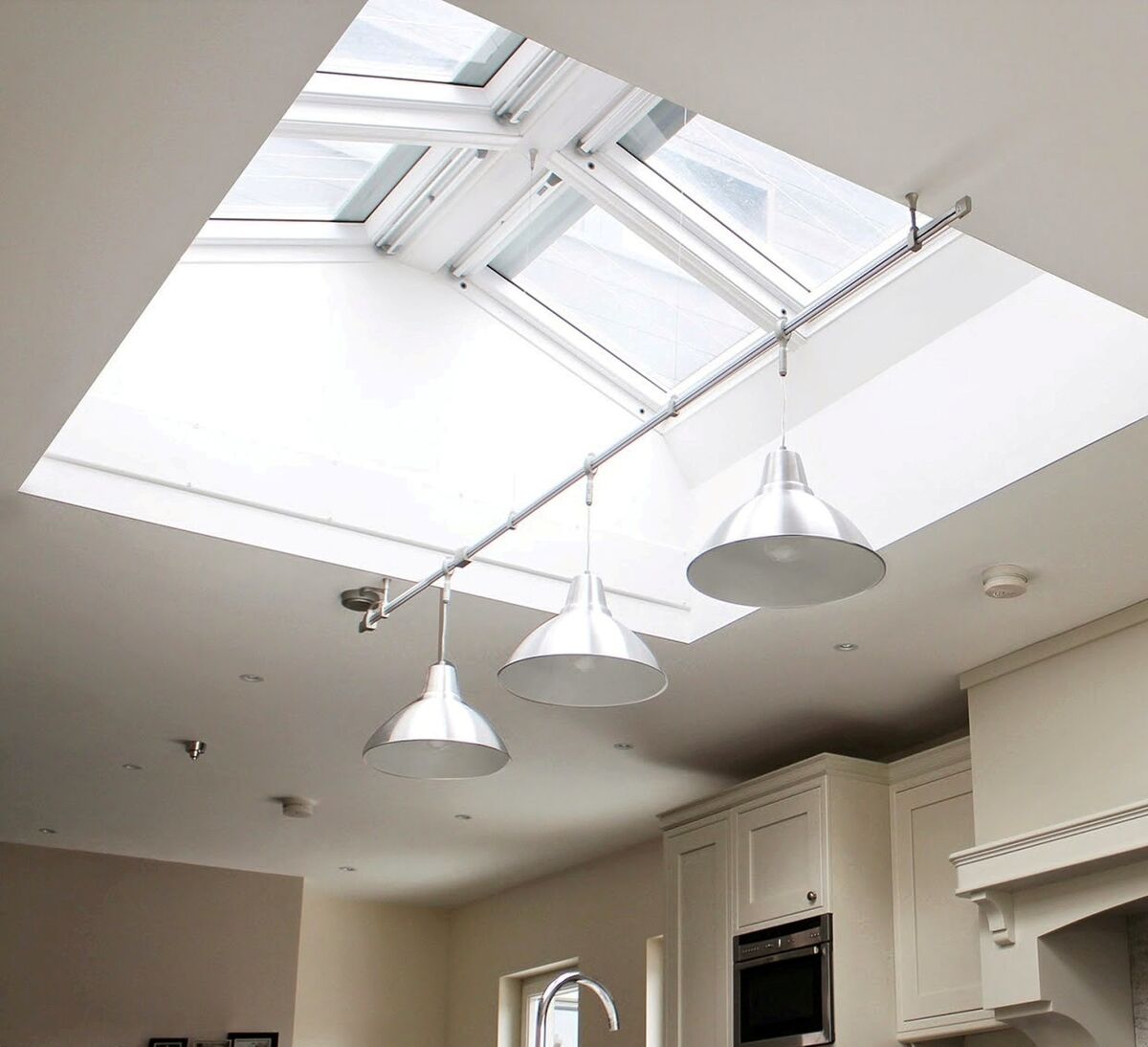
I have never seen a roof leak due to a fault in the centre of the roof, it’s always at a junction. A vent, a rooflight, a capping, an outlet, and so on. You have to imagine the roof holding a big volume of water in a heavy rain downpour and the water rising on the roof and looking for a quick exit. That’s when your problems will arise.

If you design your roof for this eventuality, you will very likely have a trouble-free flat roof for a very long time but, it’s all in the details. Ensure water can move quickly and without obstruction to the downpipes. Have more outlets than you need and ensure you maintain them, particularly in late autumn when they can fill with leaves.

Ideally avoiding parapets is best and a gutter system (though not as aesthetically pleasing) will allow for a quick release of roof water in heavy rain, which could very well provide the very escape valve that you need.

Kieran McCarthy is a building engineer with KMC Homes, serving Cork and Limerick. He is also co-presenter of the RTÉ property show Cheap Irish Homes. Tune in to Kieran’s new podcast, Built Around You coming this month. For more information or to take part in the podcast and share your home-build story, follow Kieran on instagram @kierankmc

x

More in this section

Revoiced

Newsletter

Sign up to the best reads of the week from irishexaminer.com selected just for you.

Cookie Policy Privacy Policy Brand Safety FAQ Help Contact Us Terms and Conditions

© Examiner Echo Group Limited