Kieran McCarthy: How to keep out the draughts from an old Irish home
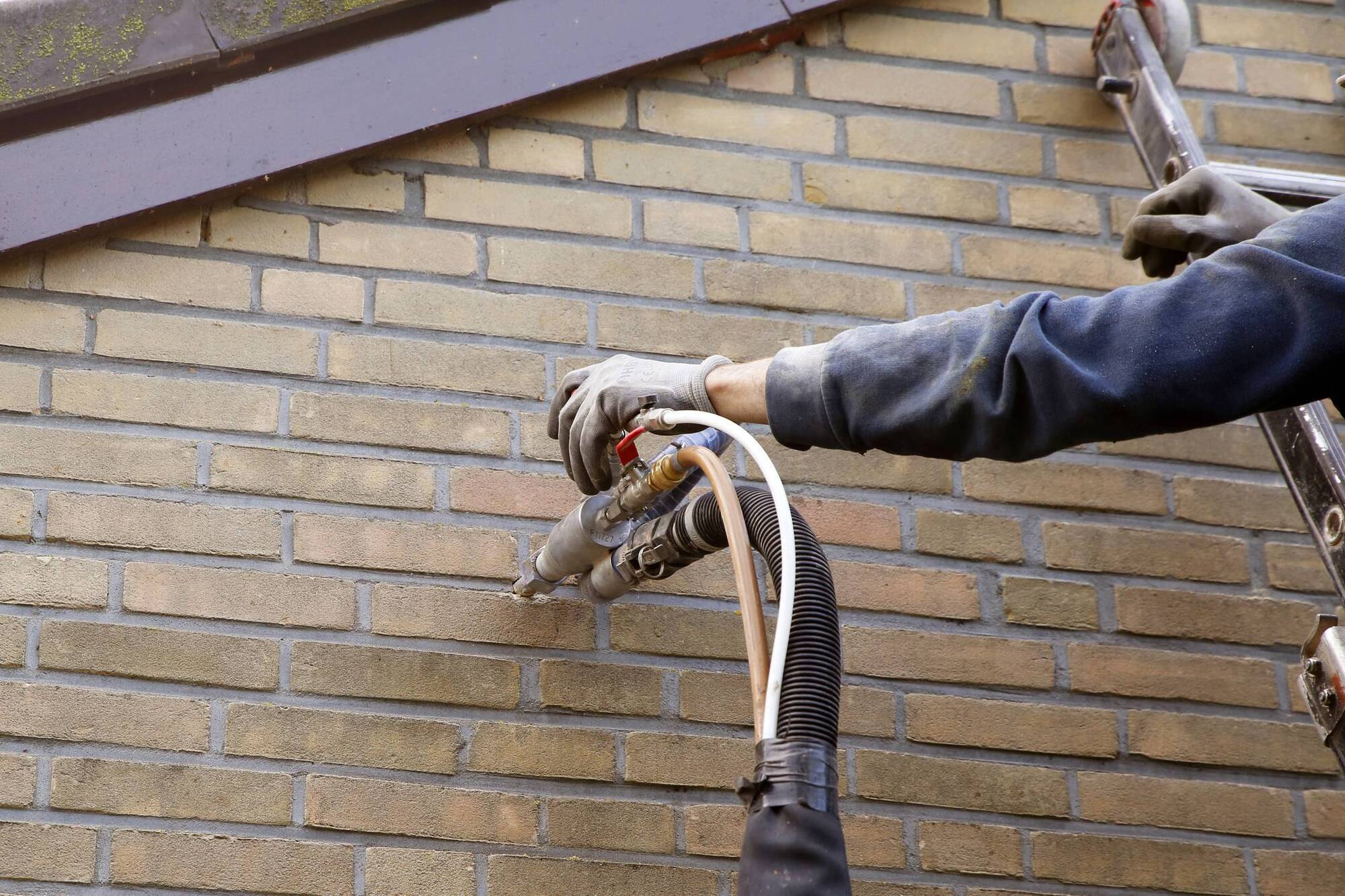
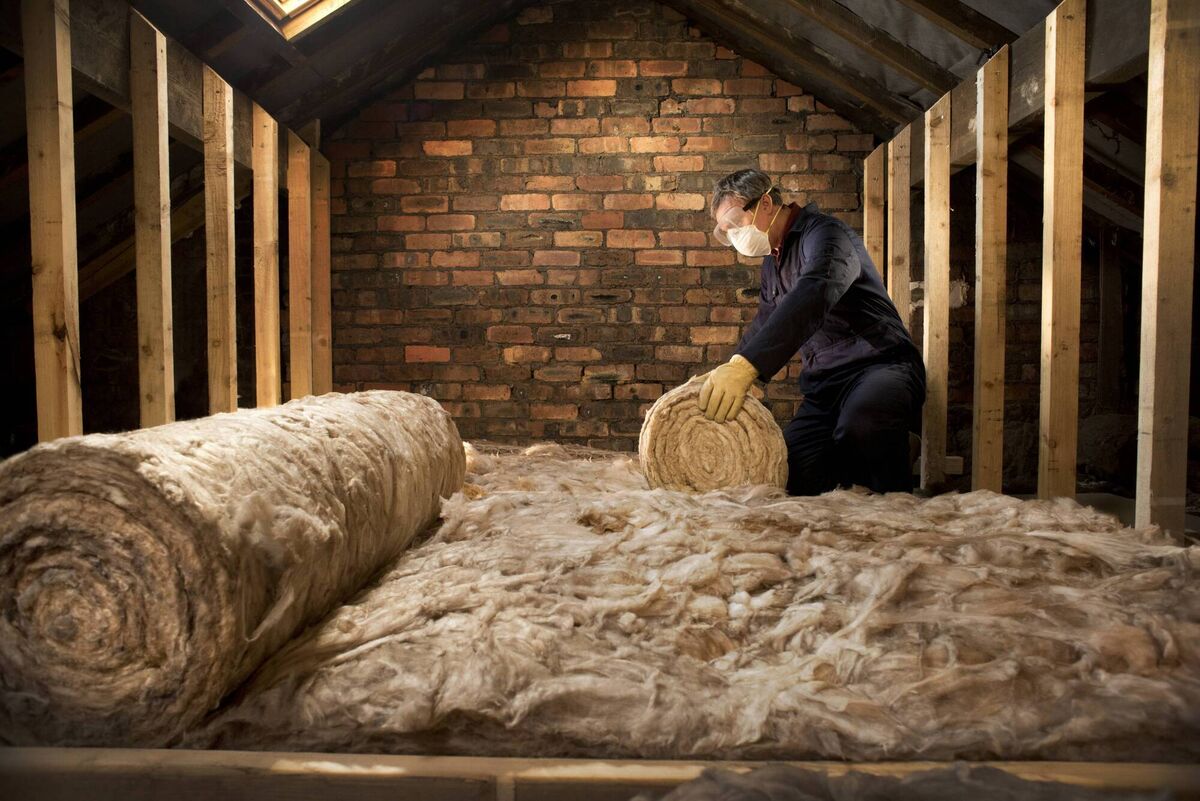
You can employ a specialist company to pump this cavity with insulation. This is by far the most cost-effective and least invasive insulation method available. Picture: iStock
HELLO Kieran. We are considering extending our current home into our back garden. It is a standard bungalow built in the 1970s. My question is about insulation. While we have double glazing, I never felt the home was very warm or cosy. What are the next options for fully insulating both the new section and improving the existing?
Thank you,
Claire, Patrickswell, Co Limerick
Hello Claire. Thank you for your question. Yes, there are so many bungalows in Ireland and they are certainly quite popular in Cheap Irish Homes too. While bungalows may not have the innate character that traditional Irish cottages possess, they are, as a rule, much simpler to renovate. Let’s explore these houses a little and describe the varieties of bungalows to be found in Ireland.
As early as the 1950s there was a move in Ireland away from the stone cottage or farmhouse. Ireland, and indeed the world was changing, post-war, and new building techniques were gaining traction in the Irish countryside.
Up to now, the principal way to build a house was to use locally sourced stone to build the walls and locally cut timbers to build the roof but this was all about to change. It took a long time to sort and grade the stone and stone wall building was a slow and laborious process. Stone was also difficult to manage when it came to tricky building details such as around windows and doors which were becoming more elaborate as people yearned for more natural light in their homes. Along came the invention of the concrete block.

Though I have seen stone houses built late into the 1950s in West Cork, block-built homes were being built in our cities much earlier than this. Block-built homes are much straighter and easier to renovate. They can be cut with ‘consaws’ or angle grinders and as builders and designers became more familiar with block masonry and indeed the need for heat retention, the advent of standing two ‘leaves’ of blockwork arrived and we welcomed cavity blockwork to the building stage.
The earliest I have seen cavity blockwork construction is around the early 1970s but I am sure there are examples earlier than this in cities. Around this time, with more standardised roof design, arrived the simple roof truss. This is essentially a pore-fabricated timber triangle which forms the shape and structure of your roof. They are designed slightly differently to cut roofs in that they are thinner and more difficult to alter but they are very simple to insulate.
In your case, Claire, it really depends on when your bungalow was built. If it was built in the 1950s and had a single ‘leaf’ block on flat (200mm-300mm thick walls) then you have a choice in terms of how you insulate these. External insulation (insulation on the outer face of your external walls) is the most expensive method but it offers the advantage of leaving all the internal spaces unchanged and you can live in the house when it is being done. It also means that the dew point of your walls is outside so there is no build-up of condensation that you need to ventilate.

The other option is to dryline these walls (insulation on the inner face of your internal walls). This costs a little less than external insulation but you will lose some space in all your internal rooms. You may need to remove many of your radiators and skirting boards and you certainly won’t be able to live in your house while the work is being carried out and you have to ensure you allow for a ventilated cavity to cater for a level of condensation on the outermost face of your new insulation layer here.
If, as is likely the case, your house was built in, say, the mid-1970s or beyond, then it is more likely that you have the now established two-leaf cavity set-up (two layers of blockwork in your external walls). If this is the case then you can employ a specialist company to pump this cavity with insulation.
This is by far the most cost-effective and least invasive insulation method available in this instance and this procedure and the insulations employed are improving each year.
When it comes to your roof, I am assuming that you have a trussed roof with a level attic floor. If this is the case, the simplest way to insulate the roof is to lay (or blow in) 300mm-400mm of quilt insulation.
It is worth remembering that there are grants available for works such as these.
When it comes to your new extension I would generally be in favour of using a similar construction to your existing house. This will mean that you can carry your wall and roof insulation details through.
It may be that your architect may want to use a flat or mono-pitched roof for the extension but these will need to be bespoke designed in terms of insulation and cold bridging. Your new floors will, of course, need to be insulated underneath and a radon membrane installed.
After that, the next most pressing question is what to do about the avocado-coloured bathroom ware.
Building engineer Kieran McCarthy is design and build director with KMC Homes, serving Cork and Limerick. He is also co-presenter of the RTÉ show ‘Cheap Irish Homes’.
CONNECT WITH US TODAY
Be the first to know the latest news and updates