Building Advice: Adding a room upstairs
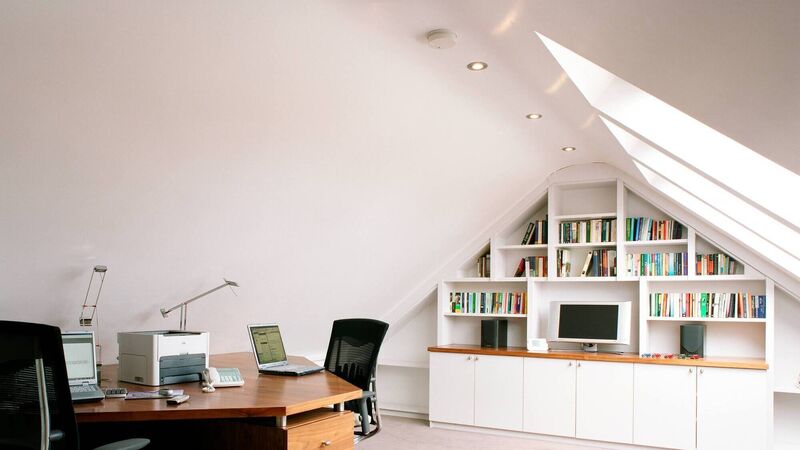
A proper attic conversion can free up badly needed space in the home
Building Advice: Adding a room upstairs

It is important to avoid spending a considerable sum converting an attic but losing the handy box room office to attic stairs

Hi Kieran, My partner and I live in a newly built mid-terraced house in Glanmire and are expecting a baby so we are looking to ensure we have enough room for everything as I have heard a new baby needs a lot of space: obviously, a bedroom but also additional storage, changing areas, play areas etc. At the moment we both work from home so are considering a home office in the attic. Is this possible in a house like ours and what do we need to watch out for?

James and Eva

Hi James and Eva, I remember when our son was born (15 years ago!). All of a sudden there was baby gear everywhere.

It really was the biggest (positive) life change and very significantly impacts on your home. Looking to the attic is obvious but there are several things to look out for.

Is there decent head room?

Ideally you need 2.4m (8ft) ceiling height for a significant portion to create a comfortable environment for an office.

In most new houses, attics are built using a trussed roof so there may be roofing struts taking up space and moving these will affect the strength and bracing of your roof.

Where will the stairs go?

It is important to avoid spending a considerable sum converting an attic but losing the handy box room office to attic stairs. Ideally you need to follow the path of your existing stairs, just a level higher (ie using your landing), as this will not negatively impact the remaining rooms of your house.

Adjusting the roof structure

There are two ways to build a roof structure. You can buy timber and cut and build a roof on site. This is called a Cut Roof.

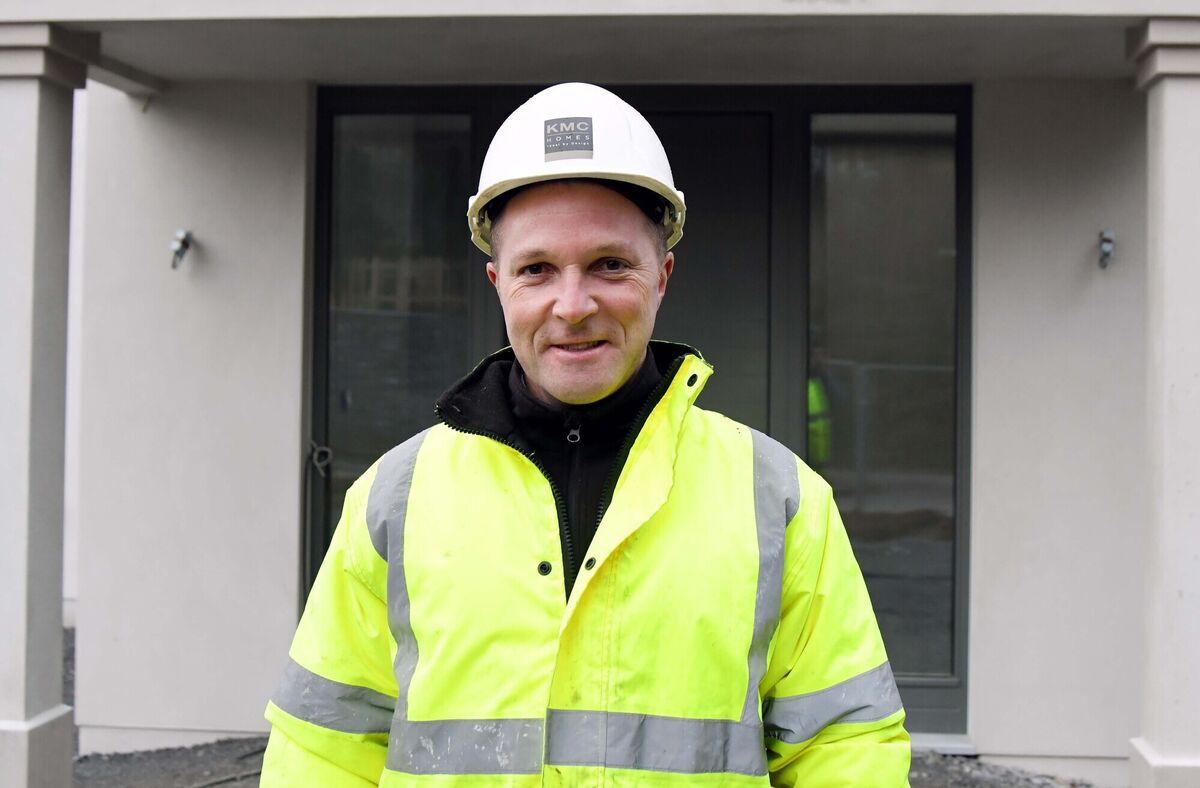
Kieran McCarthy of KMC Homes: 'A cut roof is much easier to work with because they are heavier timbers and can be altered by a competent roofer with guidance from an engineer.'

Alternatively, you can purchase prefabricated trusses which already form the sectional roof shape and are fixed together by your roofing carpenters on site.

A cut roof is much easier to work with because they are heavier timbers and can be altered by a competent roofer with guidance from an engineer.

A trussed roof is a much more complex design and should not be altered without consulting someone competent in trussed roof design.

The timbers of a trussed roof are much thinner and will need to be substituted with further timbers to form the floor unless the roof was originally designed to take a heavy floor loading as you would have in an attic conversion.

Let there be light!

A home office needs natural daylight. You will need to add a roof light to the rear of your house. This will require external scaffolding to open the roof and reinstate it around the rooflight.

One of the benefits is you may be able to bring building materials through this opening if it’s big enough, helping with costs and minimising disruption to your house.

Again a cut roof will be easier to trim out for a roof light than a trussed roof.

You also need to install an electric light and sockets. I would suggest fitting an electric radiator as these are now very efficient.

Keeping it Cosy

Your attic will likely have quilt insulation over the attic joists so you will need to insulate the sloping roof rafters. This is costly and will require advice on the most appropriate insulation.

Another consideration is the ventilation of the insulated spaces, to avoid creating condensation from trapped moist air. When plastering the ceiling you will need insulated plasterboard over this insulation to cover over the exposed timber ends to avoid cold bridging.

Complying with Building Regulations

There are several important building regulations to which you must adhere, covering elements such as ventilation, structure and, very importantly, fire escape.

You have now created a three-storey house so your house needs to be reviewed by an engineer to check to safe egress during a fire. It is likely all doors leading from hallway and stairwell will need to become fire doors with door closers.

So, lots to consider but a poorly designed or built attic conversion can detract from the enjoyment and even the value of your home rather than providing the peaceful workspace and sanctuary you are seeking.

Civil engineer Kieran McCarthy is founder, and design and build director with KMC Homes. He is a co-presenter of the RTé’s Cheap Irish Homes TV programme

x

More in this section

Revoiced

Newsletter

Sign up to the best reads of the week from irishexaminer.com selected just for you.

Cookie Policy Privacy Policy Brand Safety FAQ Help Contact Us Terms and Conditions

© Examiner Echo Group Limited