Covid gave sad coda to wonderful West Cork historic farm home
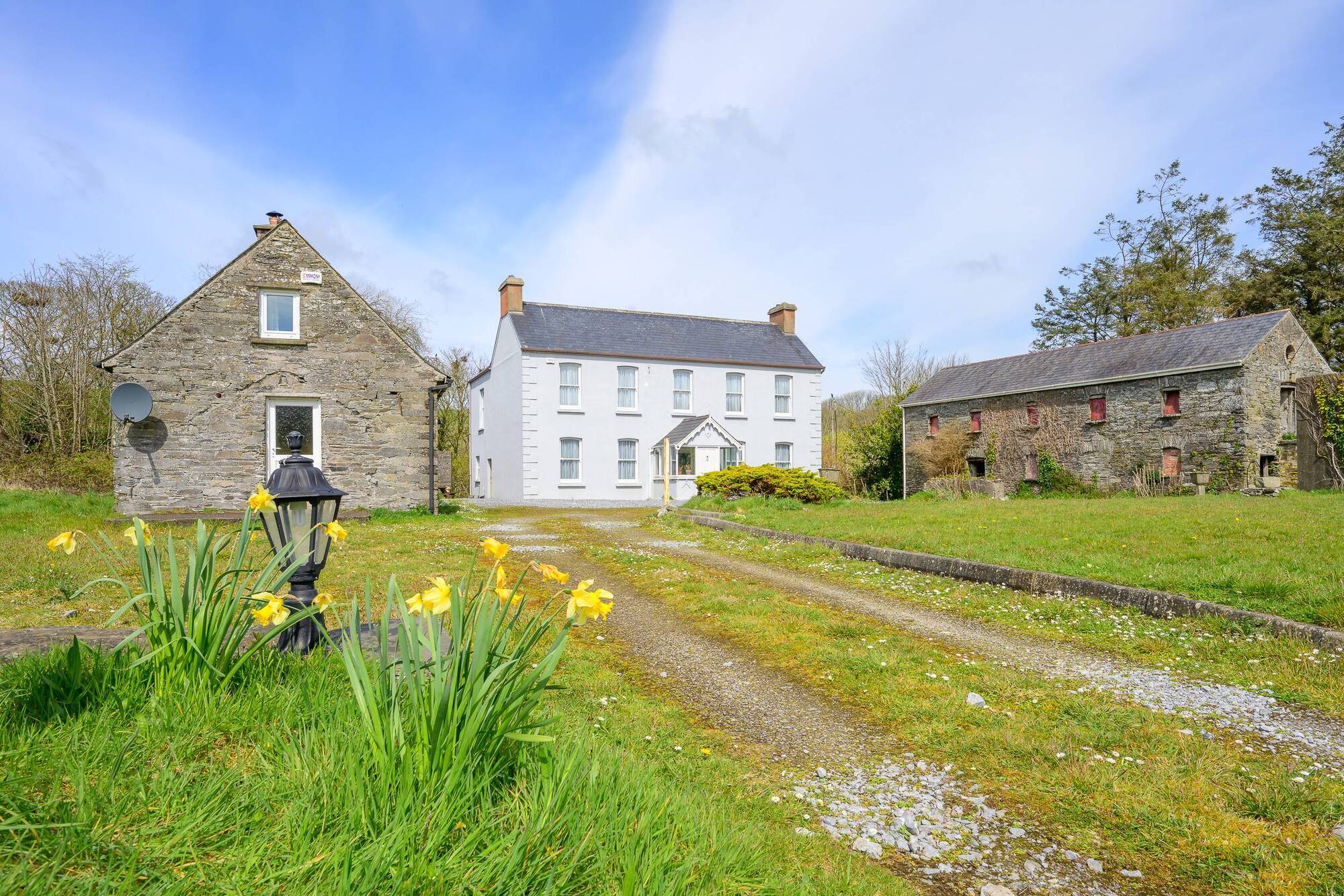
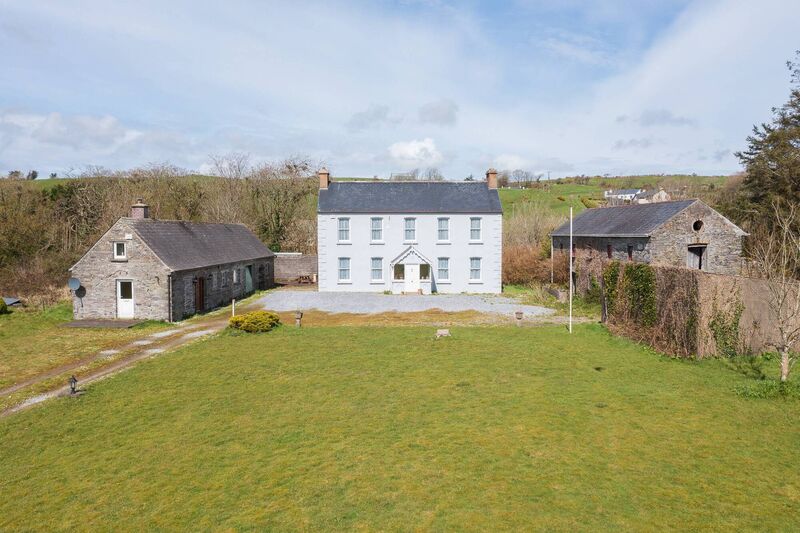
Part of West Cork's history: Rathbarry House, at Newmills, is a tribute to its previous owners. Hodnett Forde's John Hodnett and Mark Kelly are selling by auction in June with a modest €425k pre-auction guide
|
Rosscarbery/Rathbarry, West Cork |
|
|---|---|
|
€425,000 |
|
|
Size |
218 sq m (2,350 sq ft) |
|
Bedrooms |
5 |
|
Bathrooms |
2 |
|
BER |
Exempt |
But, the Barry family link here came to a quiet end early last year, after its single, gentleman farmer inhabitant, Gerald Barry, passed away with Covid-19 symptoms.
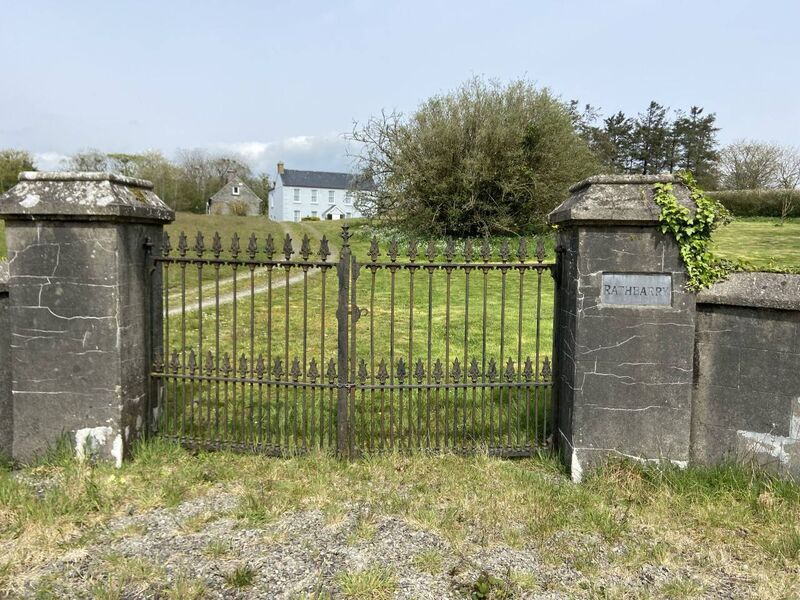
Because of Covid-19 restrictions then in place, his funeral could not be held at his local Rathbarry Church. Instead, the hearse came out from Clonakilty, and stopped, to pay a final farewell to his farm, and home at the gates where the house name “Rathbarry” is carved on stone pillars. It then went past neighbours along the rest of the narrow country backroads to Rathbarry cemetery and Mr Barry’s final resting place, where he was interred alongside his brother the Rev Edward Barry, who predeceased him in 2015.
The sad account of the muted end of a quiet and hard-working life on 107 acres was recalled for the Irish Examiner last weekend, by a third cousin (who had the late Mr Barry at her home for his last Christmas dinner with her), as the “For Sale” sign went up on the Barry home and farm, set for auction on June 17.
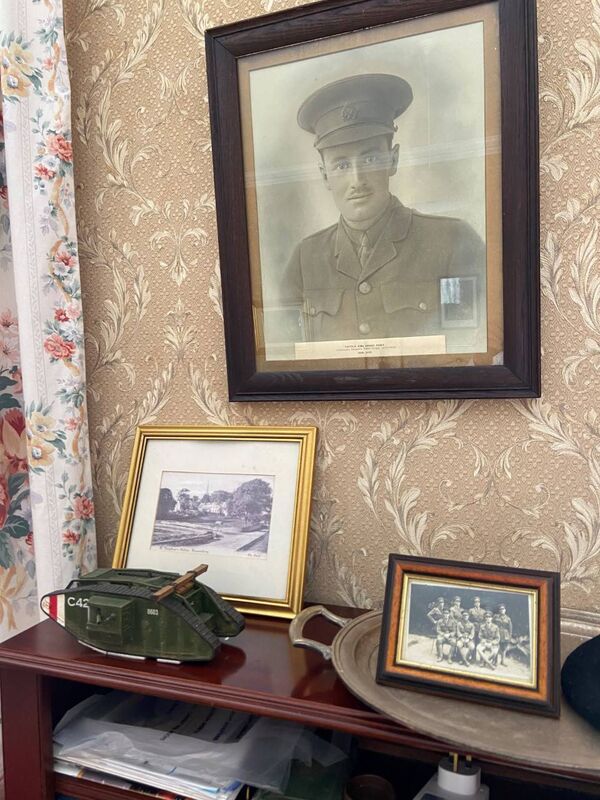
The next generation included Capt John Edward Barry (1896-1959) who was in the Connaught Ranger Tank Corps in the Great War: as the house comes for sale, he’s seen in his 4th Battalion uniform in a photograph along with some military and family memorabilia (pic, far right).
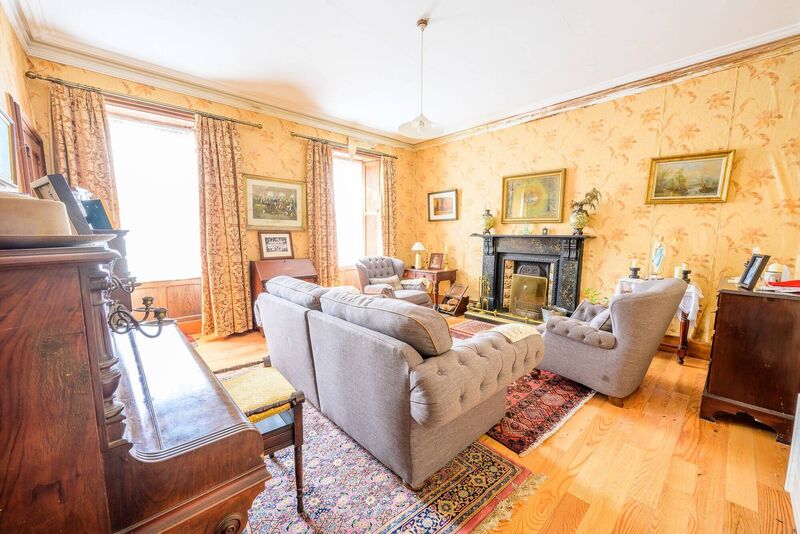
The family, and property’s lineage, is summarised today by the late Gerald Barry’s estate executor and third cousin, who also speaks of numerous visits here, down many decades to the Barry home. She notes on just about every visit, if not farming, he was to be found doing some job to his home, tackling flooring (several rooms have recently fitted oak floors), adding wash-hand basins to several of the five bedrooms, maintaining, and minding all the while.
The mindful, long-time resident also logged his home’s expenditure, in neat writing in a school jotter. With a simple diagram of rooms layout, it notes this Rathbarry House being built in three sections – in 1850, 1898, and 1905.
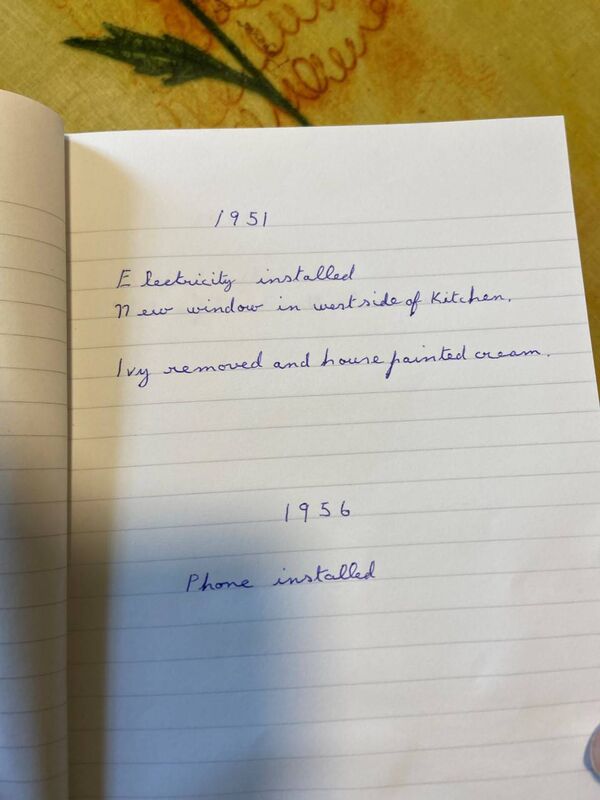
In 1951, electricity was connected, a telephone line followed in 1956. One of the three chimneys was capped in 1963, and in 1972 central heating was installed. The barn roofs were replaced in the 1970s, and the house itself also got a new roof.
The flagpole’s ready to hoist some new flag, post-change of ownership, and the guide price prior to the June 17 is a very low-seeming €425,000 AMV quoted by agents John Hodnett and Mark Kelly of Hodnett Forde.
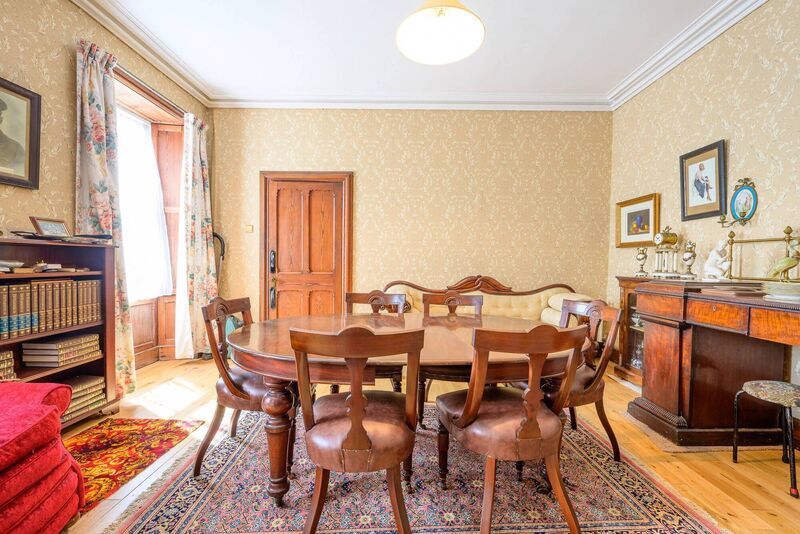
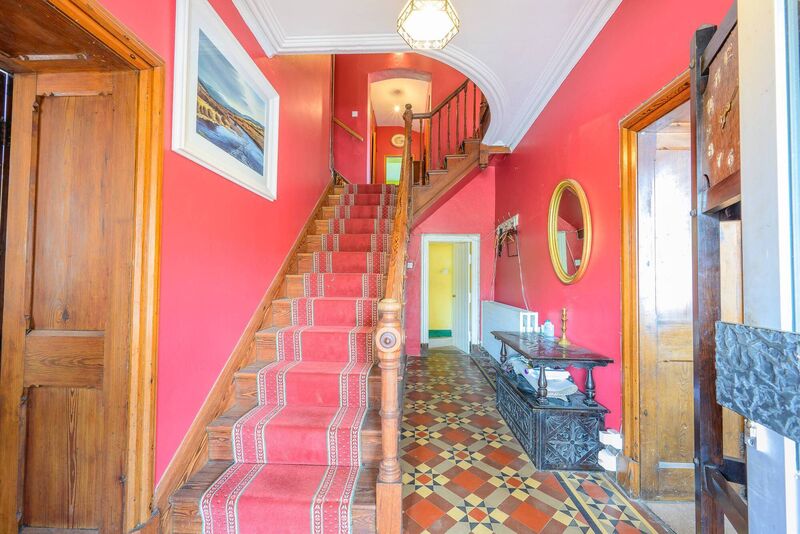
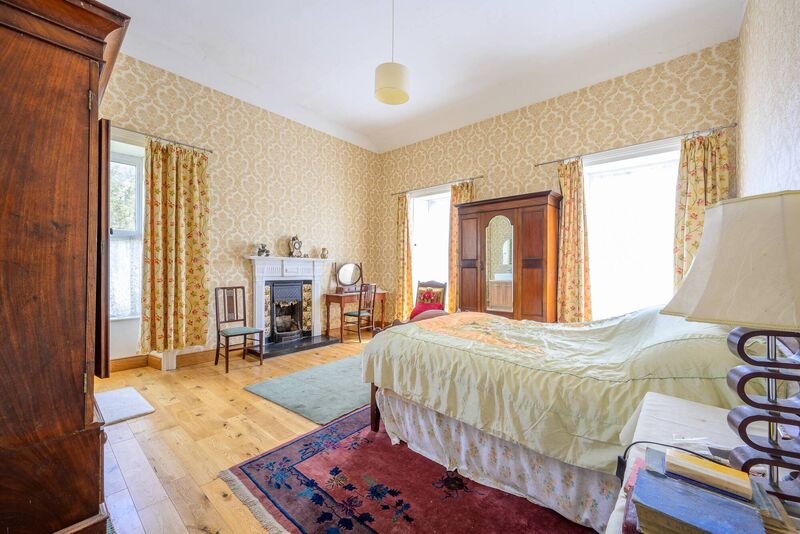
The house itself has 2,350 sq ft, with spacious reception rooms, lots of period trim – including original fireplaces, pitch pine joinery and window shutters, pitch pine stairs with unusual curved landing rails, and high ceilings (even more so upstairs) – five bedrooms, two bathrooms, sunny porch entrance, and a very basic kitchen.
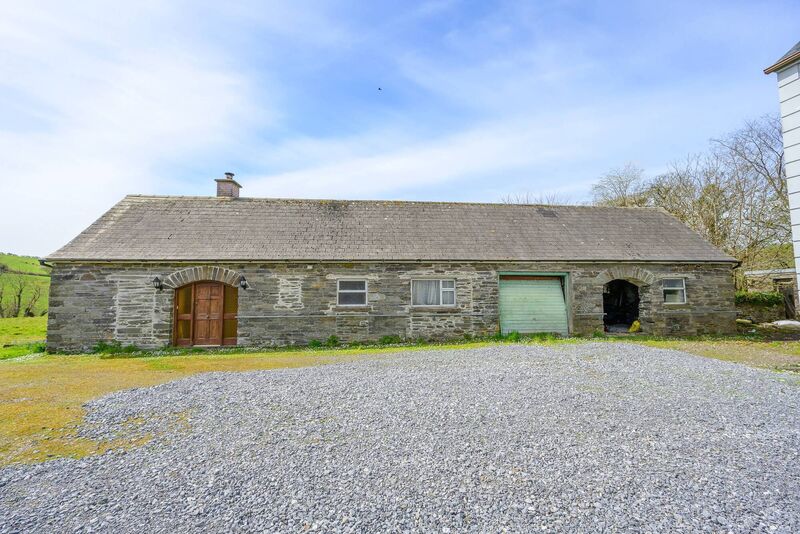
The coach house has a dated, converted section with a number of rooms, over two levels with two staircases, one precipitously steep. If planning’s approved, it could have guest/rental potential, and was previously a servants’ quarters, according to the last occupant’s dutiful, handwritten note. Like the even larger, c 1820s facing old lofted stone outbuilding with ocular gable windows, it has some top-quality stonework.
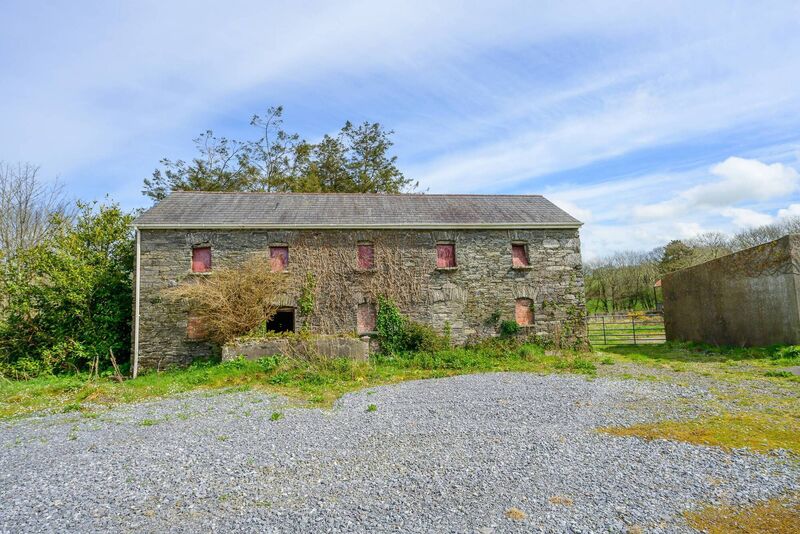
The National Inventory of Architectural Heritage says they “complement the setting of Rathbarry House. Their rubble stone construction adds texture and contrasts against the rendered house, while ocular windows with red brick surrounds add variety and character to these otherwise utilitarian buildings.”
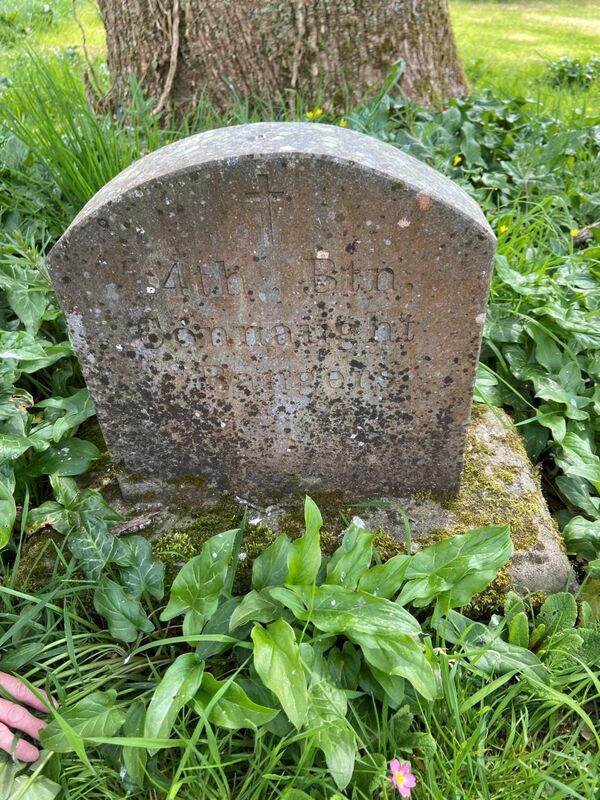
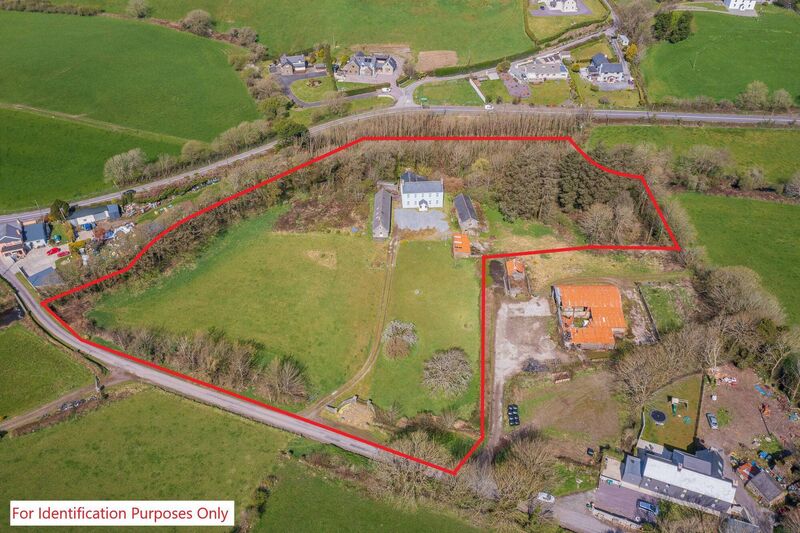
Hodnett Forde auctioneer Mark Kelly describes the mix as stately, and is selling on 3.7 acres, with lawns flanking a central (currently unused) main drive, with “Rathbarry” engraved on a pillar. Years back, another mason carved a memorial stone for the late Capt John Edward Barry of the Connaught Tank Regiment, now lichen-covered, under a Spanish Chestnut tree to the right, as mature as the property itself.
CONNECT WITH US TODAY



Be the first to know the latest news and updates