Building advice: Preparing your home for stormy weather
Storm season is not over, it’s a good time to do a check and be prepared
Building advice: Preparing your home for stormy weather

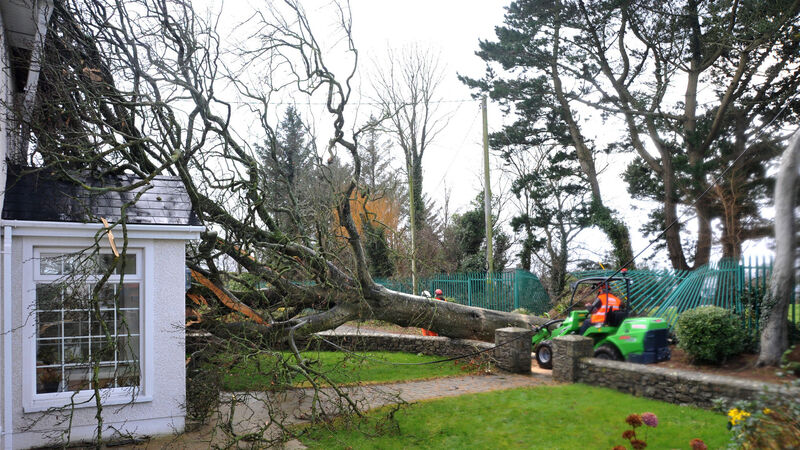
Pre-storm checks can help avoid future problems as we remain in storm season. Pic: Larry Cummins

Hello Kieran. I wonder if you can help me. As I lay awake listening to the storm blow over my house recently, I thought I should really have prepared more in advance of this weather event. Are there fairly standard things people should watch out for or prepare for in advance of what has now become our ‘storm season’?

Thank you — Ruby, Wicklow

Hello Ruby. Thank you for your topical question. It would seem that we are certainly feeling the effects of some level of climate change with unusual weather events becoming more usual and indeed we seem to experience some version of an annual storm season. 

Given that we are likely to experience these events more regularly, let’s have a look at the key storm factors and how we can best prepare for them in advance of these sleepless nights.

In general, the two key storm factors I would focus on are wind and rain. Yes, we have snow and ice too but these are more gradual and a little less likely in a storm setting. 

My biggest concern in a storm (as I live close to the sea) is wind. Unseasonably strong wind can cause a major upset to your home and wind has an uncanny knack of finding weak spots and exploiting them.

Kieran McCarthy: 'The first place I would always start in a pre-storm check is the roof of your home.'

When you add wind-driven rain into the equation you may find that roofs that never leaked in the past are now showing signs of weakness. Heavy rain itself, of course, brings with it its own perils and flash floods can cause damage to your garden and house so let’s look at what we can do to offset these climatic risks.

The first place I would always start in a pre-storm check is the roof of your home. Are all the slates and leadwork in place? (A visual check from the ground is fine here).

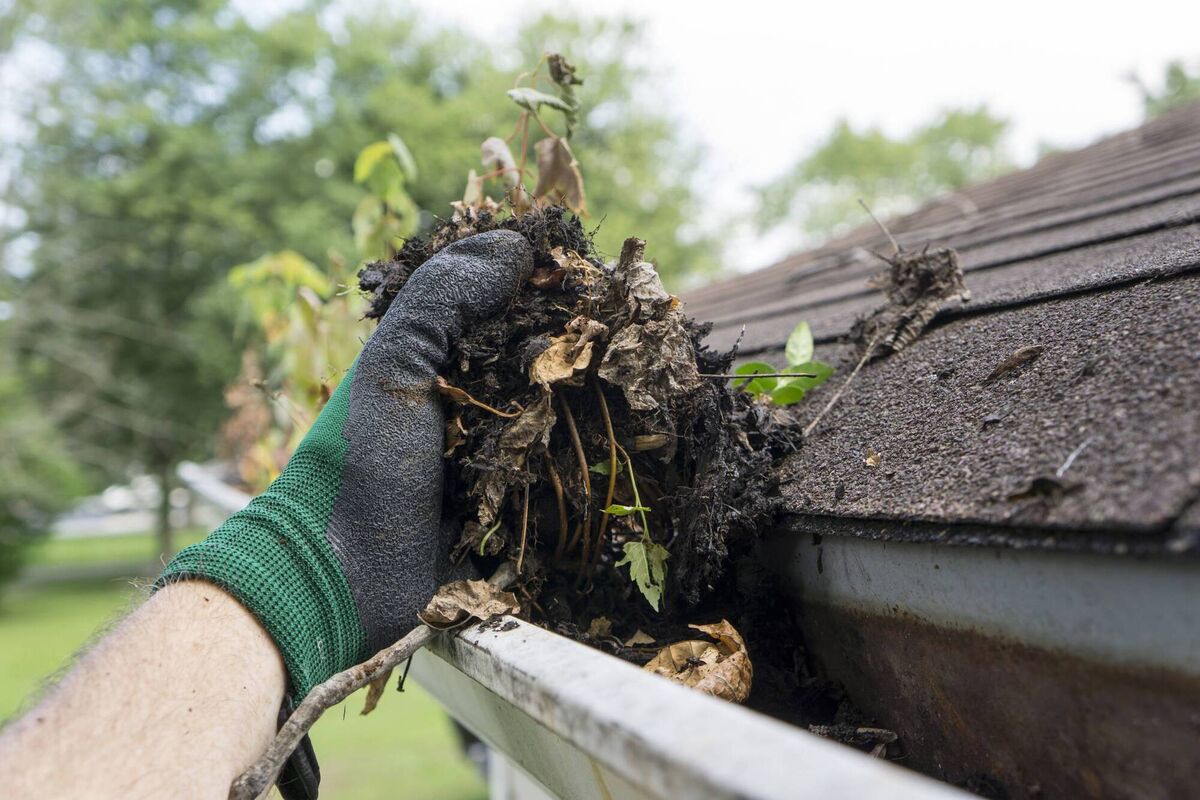
Pay particular attention to junction details, eg, around chimneys which are generally where leaks occur. Next, I would check your gutters and downpipes. Remember, autumn isn’t too long ago, so if you have trees nearby you may very well have leaves or indeed pine needles in your gutters that need cleaning out to ensure they can deal with the flow of water from your roofs.

Keeping gutters clear is very important.

Are all your gutters falling correctly (you may see a bulge where your gutter is holding water if they aren’t) the repair here might be a simple clean out, or indeed a handyman/carpenter to adjust the falls of your gutters. 

In a flat roof situation the outlets and gutters are even more important as these elements will be key to the workings of this roof type, particularly if there are parapet edges present.

Next I would check all your elevations (walls and windows) to see if everything looks in order. Are there any hairline cracks in your plaster? If so, this might be a simple repair with plaster or sealant (assuming they are not structural) to ensure they keep out driving rain.

Are your windows in good working order? Are they all closing correctly and are they all sealed to the surrounding wall reveals? 

Again, a simple maintenance visit can deal with most of the issues you might experience here. 

If your windows are ageing and in need of eventual replacement I would wait until the weather improves in spring/summer to replace these as you will likely be waiting for months for new windows so this gives you plenty of time to order in advance.

Finally, are there any items, eg, old satellite dishes, etc, that might be at risk due to their age? It might be that these are no longer needed or need to be replaced.

On the ground, are all your gullies free from debris and in good working order? These are usually a simple fix. You may need to remove the grill and clean it with a hose. If the gully is blocked, don a set of rubber gloves and remove any blockage by hand to ensure a free movement of storm water when the rains come.

Are there any objects on the ground that could become airborne in heavy winds? Of particular note here of course are trampolines, garden furniture, plastic flower pots, and the like, These items are generally stored in your south facing rear garden but in a heavy prevailing South West gale these items could be hurtled toward your home.

Finally, inside I would recommend having a torch and batteries to hand as well as matches and candles and make sure your mobile phone is fully changed. We still regularly get power outages, particularly in the countryside so best to have these to hand for additional peace of mind as you wait for the storm to pass.

Civil engineer Kieran McCarthy is founder, and design and build director with KMC Homes. He is a co-presenter of the RTÉ show Cheap Irish Houses.

x

More in this section

Revoiced

Newsletter

Sign up to the best reads of the week from irishexaminer.com selected just for you.

Cookie Policy Privacy Policy Brand Safety FAQ Help Contact Us Terms and Conditions

© Examiner Echo Group Limited