Steel yourself for insulation
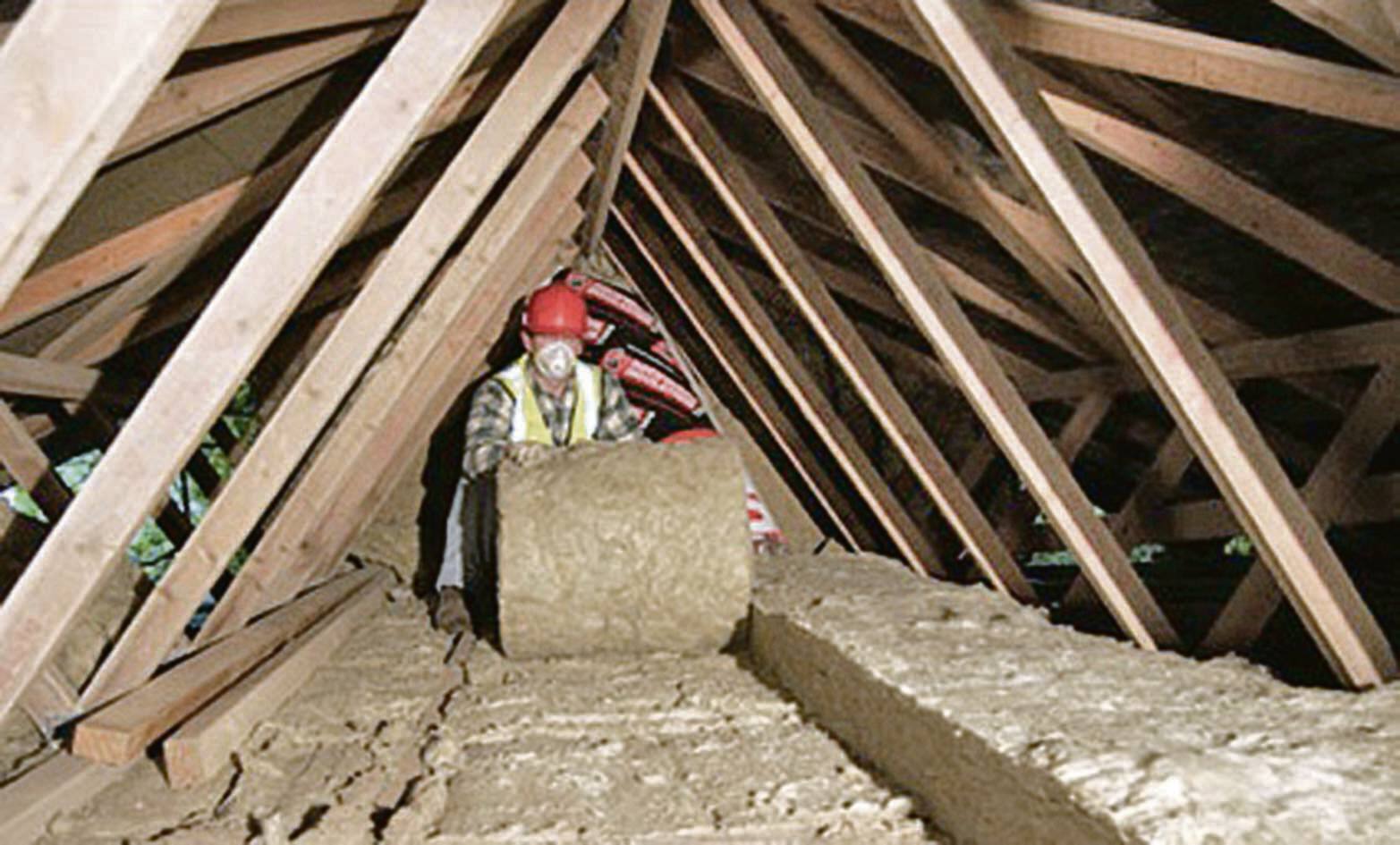
Hot air rises, so your attic insulation is your most valuable insulation in terms of maintaining a warm and cozy home.

Hello Kieran,
My son and his partner bought a dormer steel-framed house (in North Cork) two years ago, BER rating B2.
Steel framed house built in 2007, 2,000 sq ft, with insulation on inside and outside walls, 4 inches of fibreglass insulation between ceiling upstairs and the slate (6 x 2 rafters), double glazing windows, all vents closed at present, open fire and oil heating, sunroom attached.
The house is extremely warm upstairs in the summer and absolutely Baltic in the winter time. Have you any ideas as to how this problem could be rectified please? Thank you,
Theresa.
Hello Theresa,
Thank you for your correspondence. I am sorry to hear that your son is experiencing these issues with his recently-purchased home. When you indicate that there is excessive heat in the summer and heat loss in the winter, it does seem that there is inadequate insulation in the house but let’s dig a little deeper and discuss the various elements you have highlighted.
Given that the house was built back in 2007, it will need to comply with the prevailing building regulations of that time. Though these are less onerous than the nZeb regulations in place today, they should nonetheless provide for a reasonably comfortable home.

As a general rule, the simplest house to insulate is a block-built house with a timber attic roof structure, as the techniques are well tested and forgiving. You are either insulating in the cavity or (occasionally) externally for the walls and across the floor of the attic for the roof. The introduction of a steel frame in your house does add a little complexity and I don’t know what is between the steel uprights. It appears from your letter that the house consists of insulation outside the steel structure, which is positive. You certainly need the insulation on the outside of the steel, otherwise it will cold bridge and you will get condensation on the steel and of course heat loss through your walls. You also need some floor insulation under your ground floor slab and you need attic insulation which gets much more complex in a dormer roof setting.

As we know, hot air rises, so your attic insulation is your most valuable insulation in terms of maintaining a warm and cozy home. If all you have is 100mm fibreglass in your dormer roof then you are certainly lacking a significant level of insulation. Generally today, either a rigid or specially selected specialist quilt insulation is used in a dormer setting. This insulation needs to be designed for the u value and BER requirement of your house and measures need to be taken to offset cold-bridging. I would imagine that you are losing a considerable amount of heat through your attic accommodation in the winter and gaining too much heat from above in summer, both due to your lack of insulation.
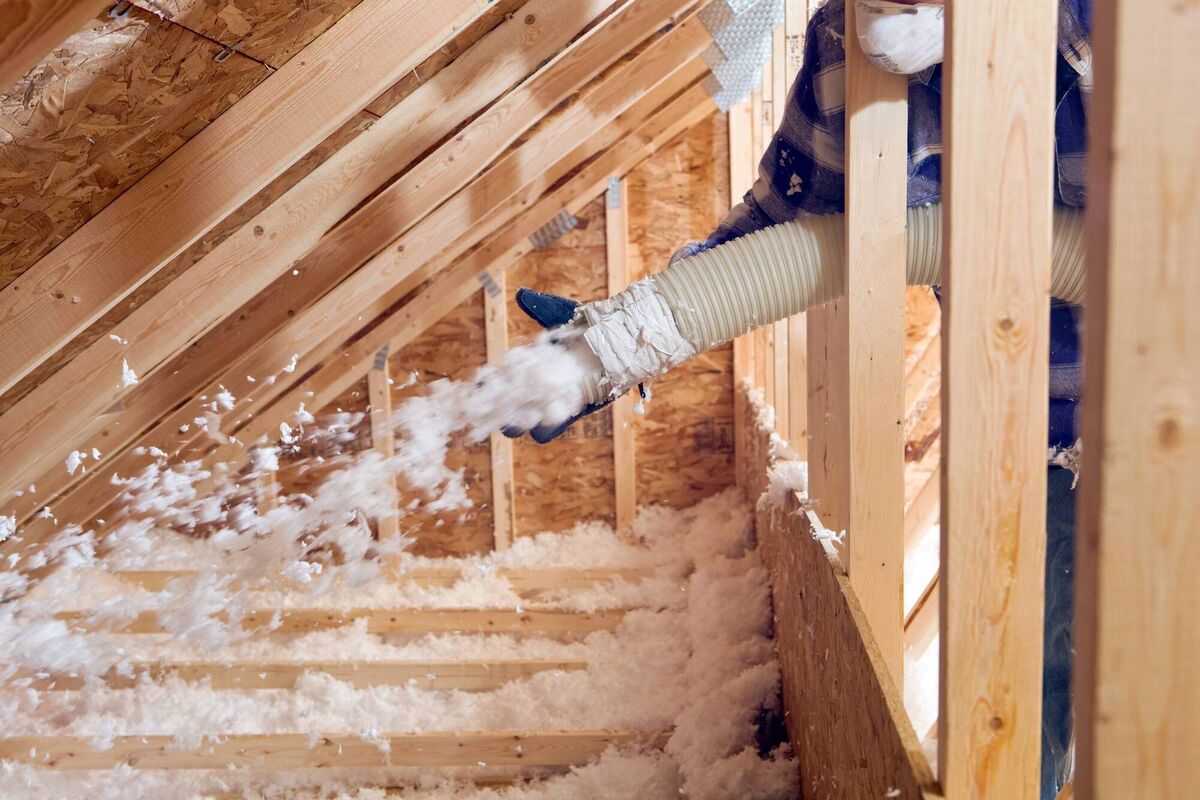
In a dormer roof you need insulation in the rafters, down the knee wall and across the dormer void floor where it should meet your wall insulation by your wallpate (where your roof connects to the top of your walls)
The next element I would look at is airtightness. In a dormer roof it is difficult to prevent heat loss due to warm air leakage. Airtight control measures were only in their infancy in 2007 so it is likely that you are losing a considerable amount of heat from this source too. Given that you are also experiencing a lot of heat gain in summer I do feel that the lack of insulation in the attic is your biggest problem. If you are considering re-insulating this area I would opt for an air tightness ceiling membrane across the sloped ceiling, knee walls and dormer floor during these works and it will certainly be of value to you. If you are not using your open fire it may be worth considering if this is also contributing to air leakage.
Beyond this you also mentioned your windows and heating system. Though these are now middle-aged and will certainly not be as efficient as systems currently on the market, it is somewhat unlikely they are major contributors to your problem. If your windows are in good condition you could consider applying an airtightness seal at the window reveals, again to combat drafts in these locations. It should be noted that as you improve your airtightness levels you may need an active mechanical ventilation unit to add a level of air movement in your home. Your boiler could be upgraded to a condensing boiler which will be much more efficient but this will mostly lower your heating bills than provide additional heat.
What I would advise to help you further is to try and get a copy of the BER assessment that was carried out for your house. A B2 is a good energy rating but what generally comes with a BER assessment is is a report where the BER assessor will table a series of energy-saving improvements and their likely impact and value for money. This is a great document to have and may very well set your son and his partner on their way to warmer winter and cooler summers in their new home.
Civil engineer Kieran McCarthy is founder, and design and build director with KMC Homes. He is a co-presenter of the RTÉ show Cheap Irish Houses.

Continue reading for €5
Unlock unlimited access and exclusive benefits
Already a subscriber? Sign in
Cancel anytime
CONNECT WITH US TODAY
Be the first to know the latest news and updates