Blow-ins since Thackeray rate what they see on Cork's Grattan Hill
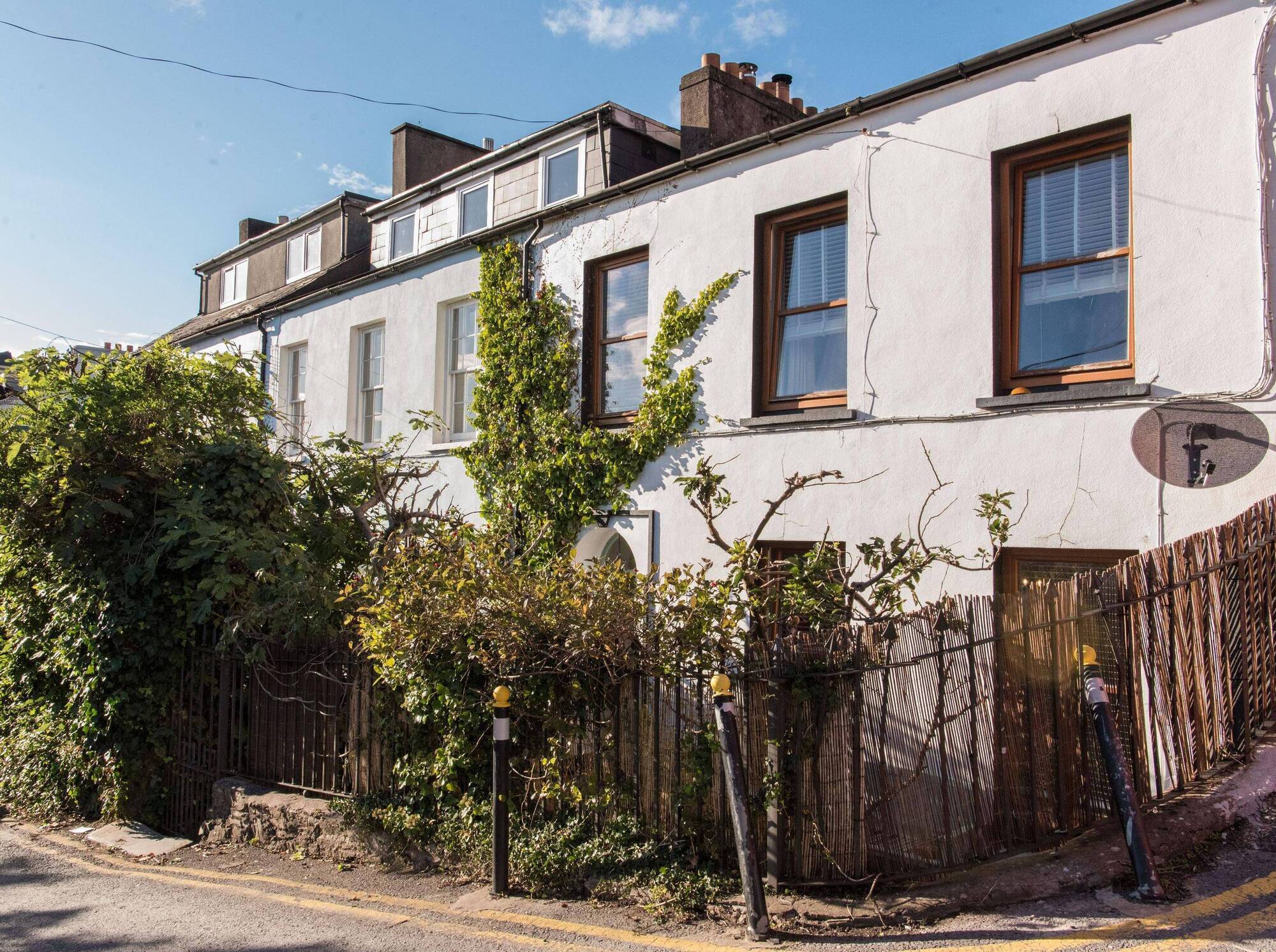
Sunny 200 years old terrace has always been favoured by artists, writers, poets, and creatives — so why don't the locals wise up?
Blow-ins since Thackeray rate what they see on Cork's Grattan Hill

Centuries' strong: 22 Grattan Hill Cork city dates to the early 1800s and is for sale,  priced at €495,000 by Fiona Waldron of Auctioneera: final bids by Jan 27


Grattan Hill, St. Luke's/Cork City

€495,000

Size

169 sq m (1,808 sq ft)

Bedrooms

3 + Attic

Bathrooms

3

BER

d2

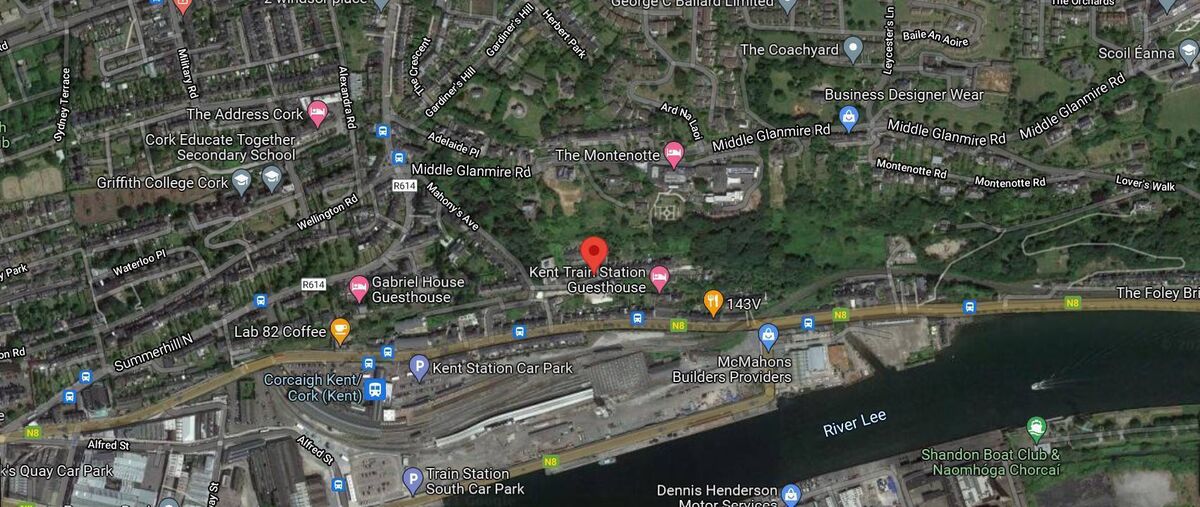
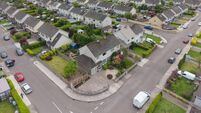
There has been a long, and noted, line of artists, writers, musicians, poets, and journalists living at Cork city’s Grattan Hill, where south-facing late Georgian and early Victorian homes look out over the River Lee and the constantly evolving quays and Marina.

Grace and relative grandeur at 22 Grattan Hill.

Here, where tall buildings have started to spring up and are looking set to replace early 1900s silos and cranes, the long legacy of Grattan Hill being graced and favoured by generations of creative types goes back even further — almost two centuries — to a short period when English novelist, essayist, and journalist, William Makepeace Thackeray, was an early resident on this Cork hillside.

Thackeray, India-born but sent to school at a young age in England, married an Irish woman, Isabella, and later inherited some £20,000 as a young man, a fortune which quickly dissipated due to a mix of short-lived high living mixed with a bank collapse — sound familiar?
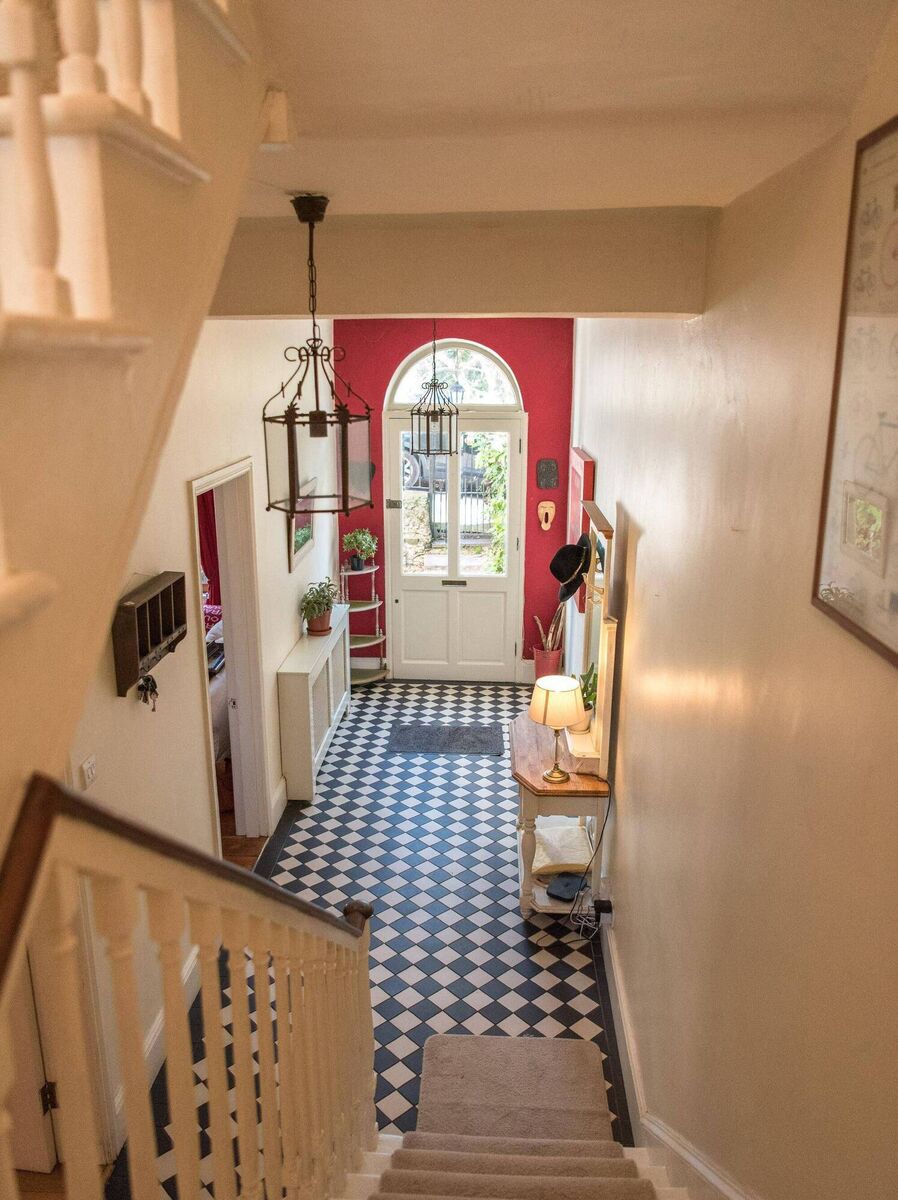
Long haul flight ... of stairs.

He became familiar with Ireland in the 1830s and 1840s, famously, in this country at least, for writing The Irish Sketch Book in 1842, almost brutally describing Irish poverty, in the years just before the Great Famine made that earlier poverty look like a picnic.

Arch and architecture at Grattan Hill terrace.

His name crops up now, again, in a conversation with the departing owners of No 22 Grattan Hill, along with the names of current residents in the terraces, as do the likes of the late poet John Montague, his second wife Evelyn, and the Irish Examiner journalist and poet, Seán Dunne.

Going through the roll-call, from artists to architects, it’s almost salutary to note that many were ‘blow-ins’ to Cork: Montague had been born in New York, artist Evelyn was French, and the late Seán Dunne came from over the border in the Déise, and was, a bit like Thackeray, well-able to puncture pomposity and, in particular, Cork snobbery.

Grattan Hill overlooks the River Lee,  Marina and rail station.

Who’ll come out to bid now for the period home beauty that is No 22 Grattan Hill and which, in line with the above thesis, is owned by a couple active in the arts and especially in the theatre, who’ve worked in the US and UK before locating to Cork?
The duo, parents of three children with one living ‘at home’ still, had initially lived over on Cork’s southside but moved over when they saw the charms of No 22, which had just been restored by an adept serial renovator.

No 22 had been taken firmly in hand by Michael and Ann O’Sullivan-Garvey. Galway-born Michael had trained as a carpenter, got involved in doing up period homes in North London, and later trained as a psychotherapist.

His wife Ann had Cork roots, insisted they’d live in Cork when moving to Ireland in the early 2000s, and, between them, they worked on houses in the likes of Military Hill, Myrtle Hill, and Grattan Hill.

After their city sojourn and successfully working in tandem in reconstruction and interior design, they took on the far more ambitious work at north Cork’s Queen Anne-style manor home Ballinterry House near Rathcormac and Conna.

That dates to the early 1700s and for decades prior had been home to Hollywood actor Hurd Hatfield, whose most notable role was in the 1945 Oscar-winning film Picture of Dorian Gray (Ballinterry has since been opened to paying guests.)

Sunny aspect to the front.

Coincidentally, the work done by the O’Sullivan-Garveys at the city-scanning No 22 Grattan Hill has an almost Dorian Gray appeal. 
It’s stood the test of time very well since its mid-2000s overhaul — the current owners pay generous tribute to the quality of the work they did here.

“Michael said he had spent way too much on it, digging right down excavate floors, that he could have done less if he was just going to sell it on,” they said.

They bought here in 2007 just as it was being prepared to go to the open market, so got in before it got much public viewing traffic, while the price paid is unrecorded, as it was back in pre-Price Register days.

It finally gets an open market listing, though, and came for sale prior to Christmas, listed with estate agent Fiona Waldron of Auctioneera.

Intending viewers should, however, take note that the Auctioneera sale method sees a January 27 date set for final bids: right now, as of Thursday, No 22 had a bid at the official guide price of €495,000.

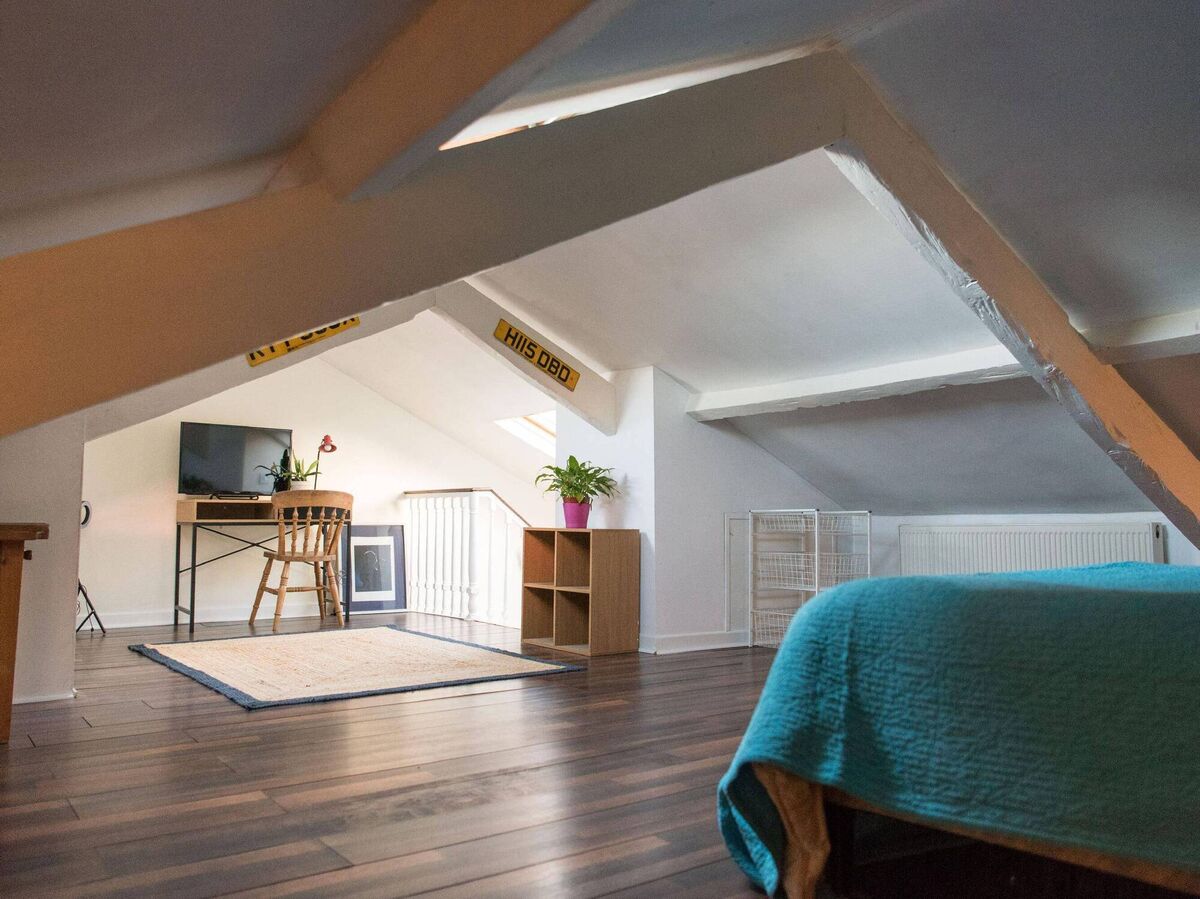
Attic eyrie is atop first floor's three bedrooms.

That’s for a very well presented family home of about 1,800 sq ft, with three first-floor ‘official’ bedrooms, while there’s further and characterful space up at attic level. This level has stout exposed roof trusses (currently adorned with the UK car reg plates of the first cars one of the owners had in London, decades ago), and it’s a top-floor eyrie which was always much in favour with the family’s offspring during childhood and teenage years — sort of ‘out of sight, out of mind’.
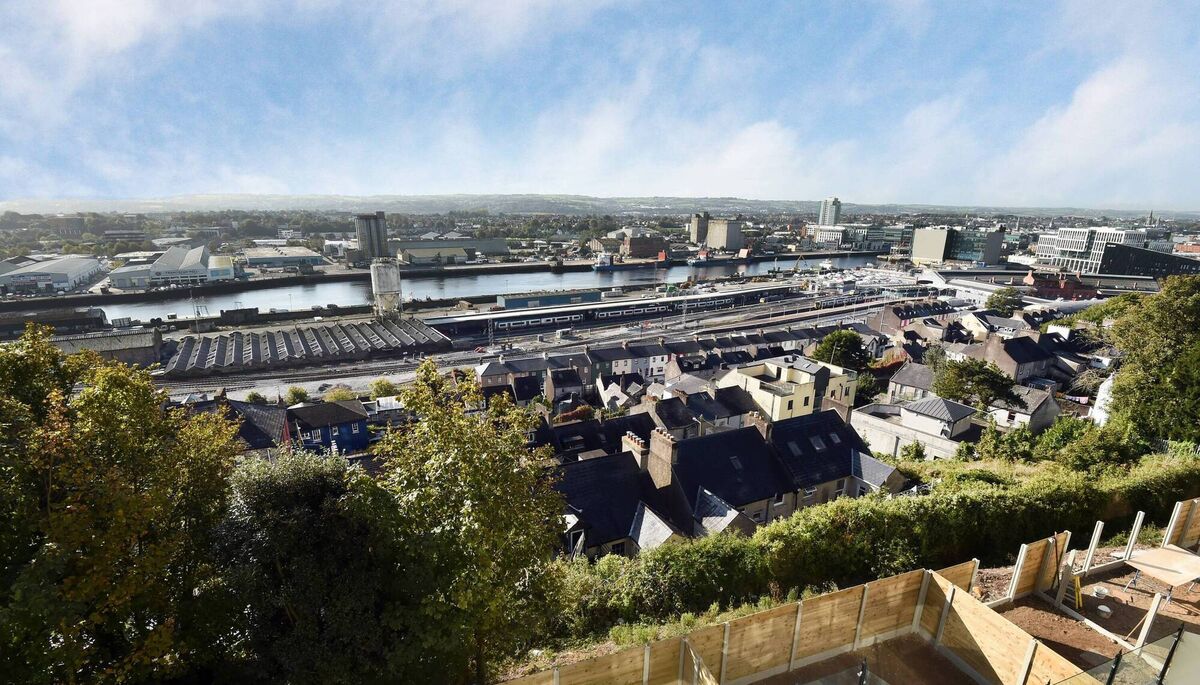
Grattan Hill is set just east of CIE’s Kent Railway Station and the fast-evolving quarter of offices, hotel, and other mixed uses springing up at the HQ/Horgans Quay hinterland (with apartments also in the planned mix) and Penrose Dock, with many hundreds of Apple jobs set to arrive post-Covid/return to offices at HQ, amid capability of thousands of other jobs already being delivered.

It’s reached up a steep hill off the Lower Glanmire Rd, Lower Grattan Hill, as it passes over a former rail line corridor just before it pivots left to Mahony’s Avenue, up towards the church at the back of St Luke’s Cross (now a concert venue), and to the right to Grattan Hill, with Wellington Terrace behind.

These terraces, along with Richmond Terrace and Lincoln Place, are described by Cork City Council’s heritage department as being “of architectural and historical significance ... the boundary is overwhelmingly residential in character, one commercial user and a primary school being the only exceptions”.

View from Arbutus,  Montenotte, above Grattan  Hill and Wellington Terrace.

In very recent times, the view from these venerable tiered terraces, which are set in an architectural conservation area, is only topped, effectively, by the new-build townhouses, also in terraces, at the Arbutus development by M-Homes in the former grounds of the Arbutus Lodge, just on the city side of the Montenotte Hotel and its widely appreciated open-air viewing terraces.

While the original Arbutus Lodge/ex-hotel has sold for over €1.2m, the townhouses have variously sold from under €700,000 to one making just over €817,000, according to the Price Register, with the views (and A-rated BERs, it must be said) helping to drive sales.

Even though likely to be a protected structure and thus exempt from a BER, No 22 Grattan Hill has been energy rated, getting a decent D2.
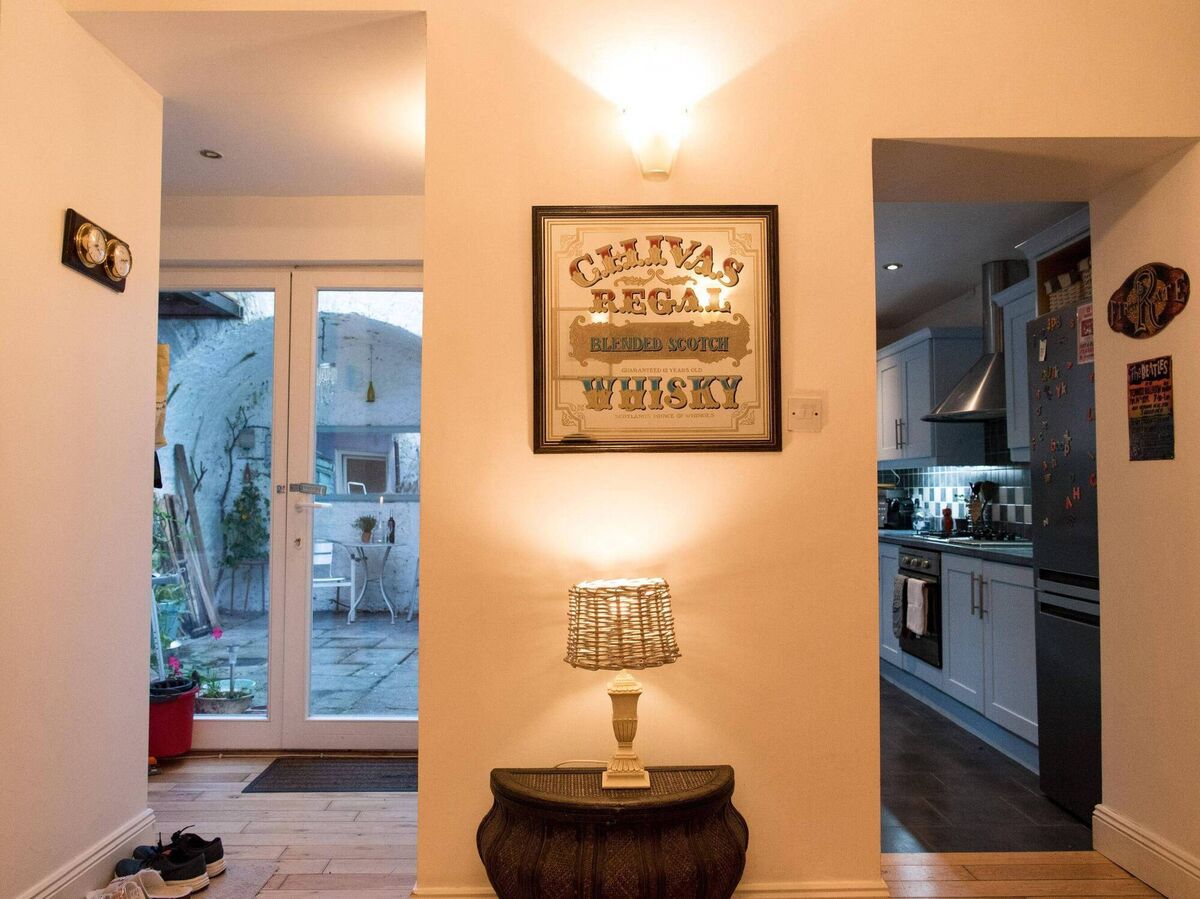
View to rear courtyard and galley kitchen, right.

Underpinned, it has gas central heating and solar panels, with double glazing throughout, and has wood-effect tilt and turn windows on the three-bay facade imported from Germany for its 2007 overhaul. They are thermally efficient, but are in contrast perhaps to the Georgian-style sash windows in some of the neighbouring properties (some neighbours have added big, box bay dormers to the top floors to get more headroom at attic level and eyrie-like views).

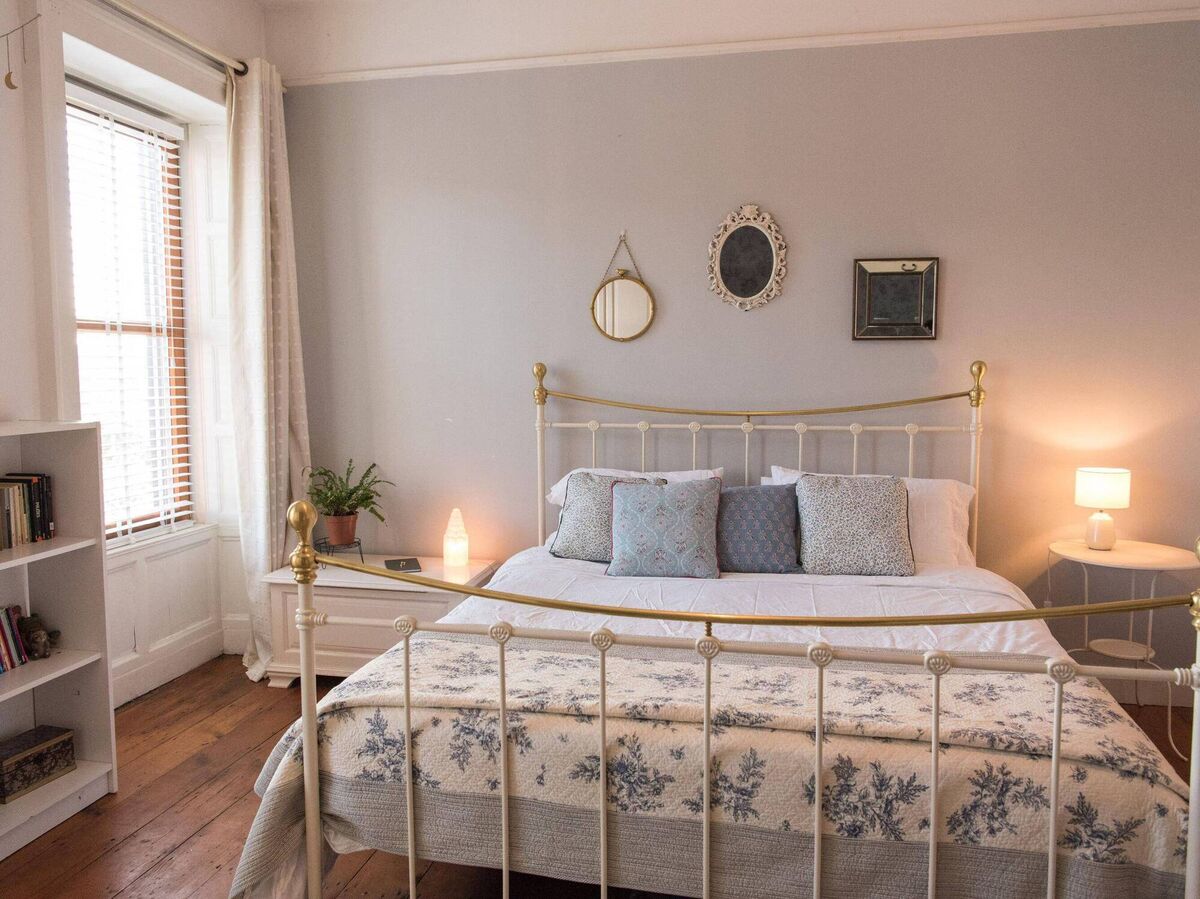
Bedroom.
Bedroom.

Moving on and trading down now, the couple who’ve been here for a decade and a half say there’s a fantastic community feel and camaraderie among all of the residents, with an inclusive, annual outdoor garden party and barbecue for one and all, and all ages, at the end of every August, before schools return.
They say it was a welcome eye-opener for them on fetching up here, having known very few of their neighbours while living on the southside.

Without being all twitchy curtains, it’s likely that since day one, they can name the occupants of the terraces around them.

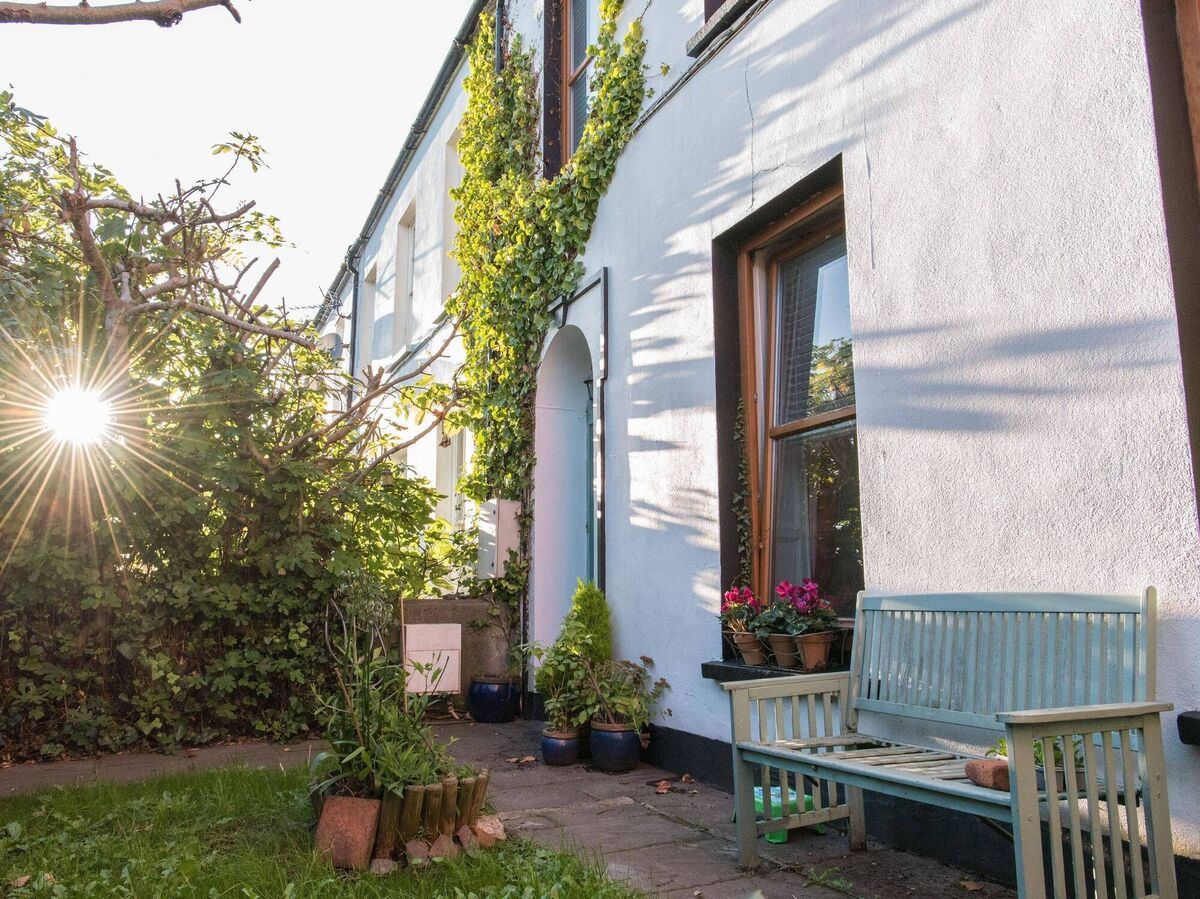
No 22 is set at the end of one run of terraced homes, with the road up to Wellington Terrace around its eastern gable, passing its wrought-iron boundary railings, worn limestone stoop, and mature shrubs, with ivy up part of its facade and shading fig tree.

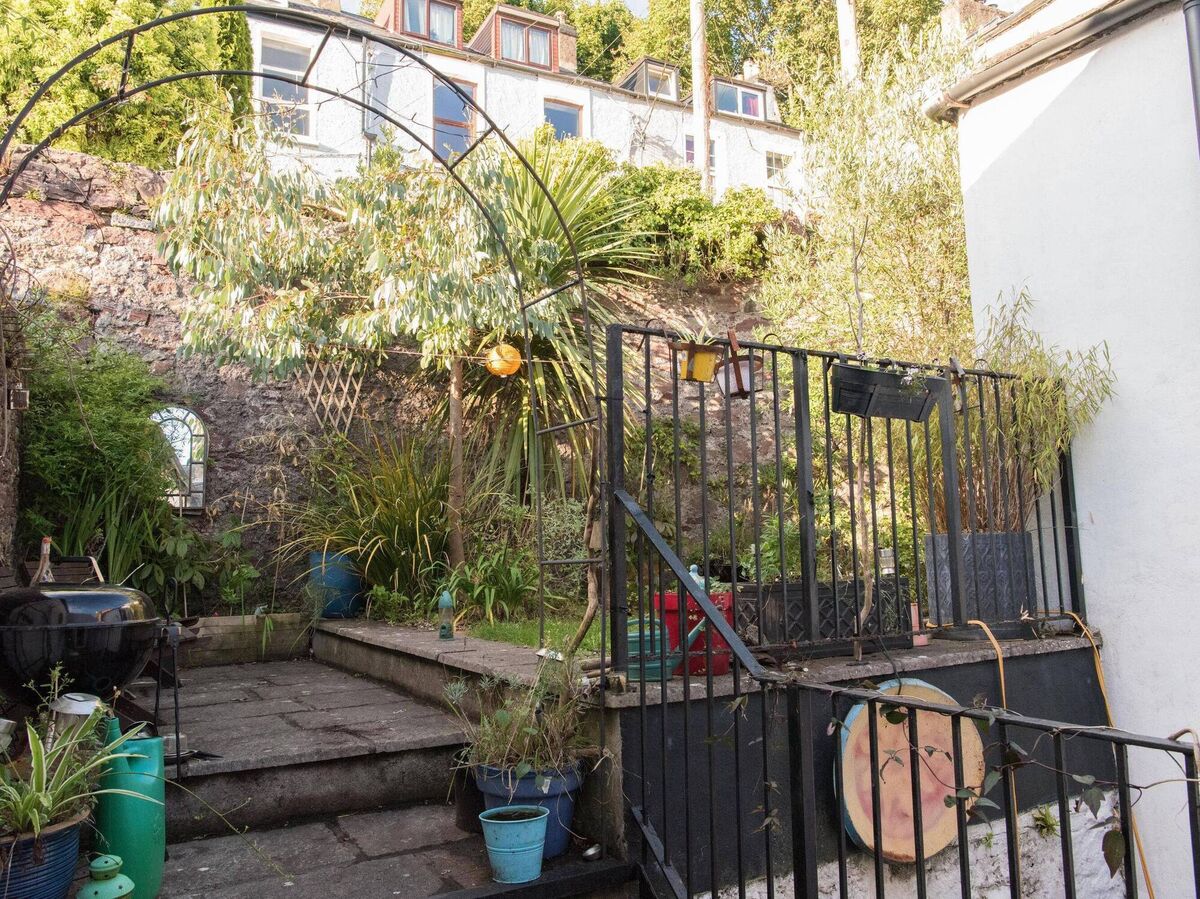
Behind, there are tiered gardens, with a limestone flagged rear patio/courtyard, and higher garden above, reached via a decked steel bridge from the house’s mid-level/half-landing: planting includes pear, fig, an olive tree, eucalyptus, and a palm tree.

It’s all been attractively colonised and even has set-pieces, with odd lights in
trees and bushes, along with mirrors set up like windows, seating, and other relaxing spots.

Tiered garden to the rear of 22, with Wellington Terrace behind.

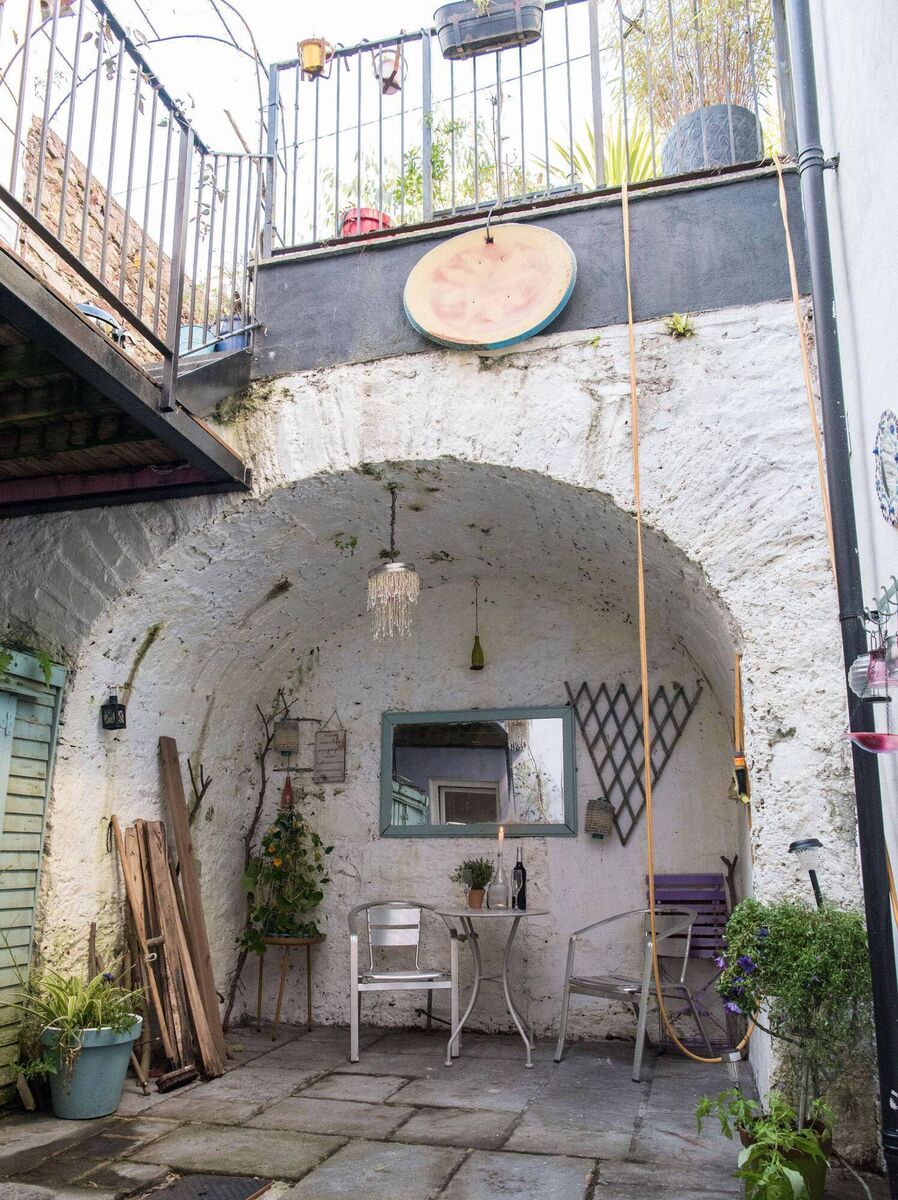
One of the most enjoyed is the deep, arched stone section at the lower level’s back wall — one of a number of similar arches running along the terrace and done nearly 200 years ago, say the owners, to support and bulwark the higher ground and Wellington Terrace rising up behind.

Ironically, the construction of the 16-
terraced contemporary townhouses in the Arbutus development also necessitated major foundations, deadwork, supports, and drains to protect Wellington Terrace from above. The joys of building on a steep hill.

There’s much joy within, too, pluscomfort, once past the round-arched topped front door, leading to a long hall, done in classical style with black and white tiles.
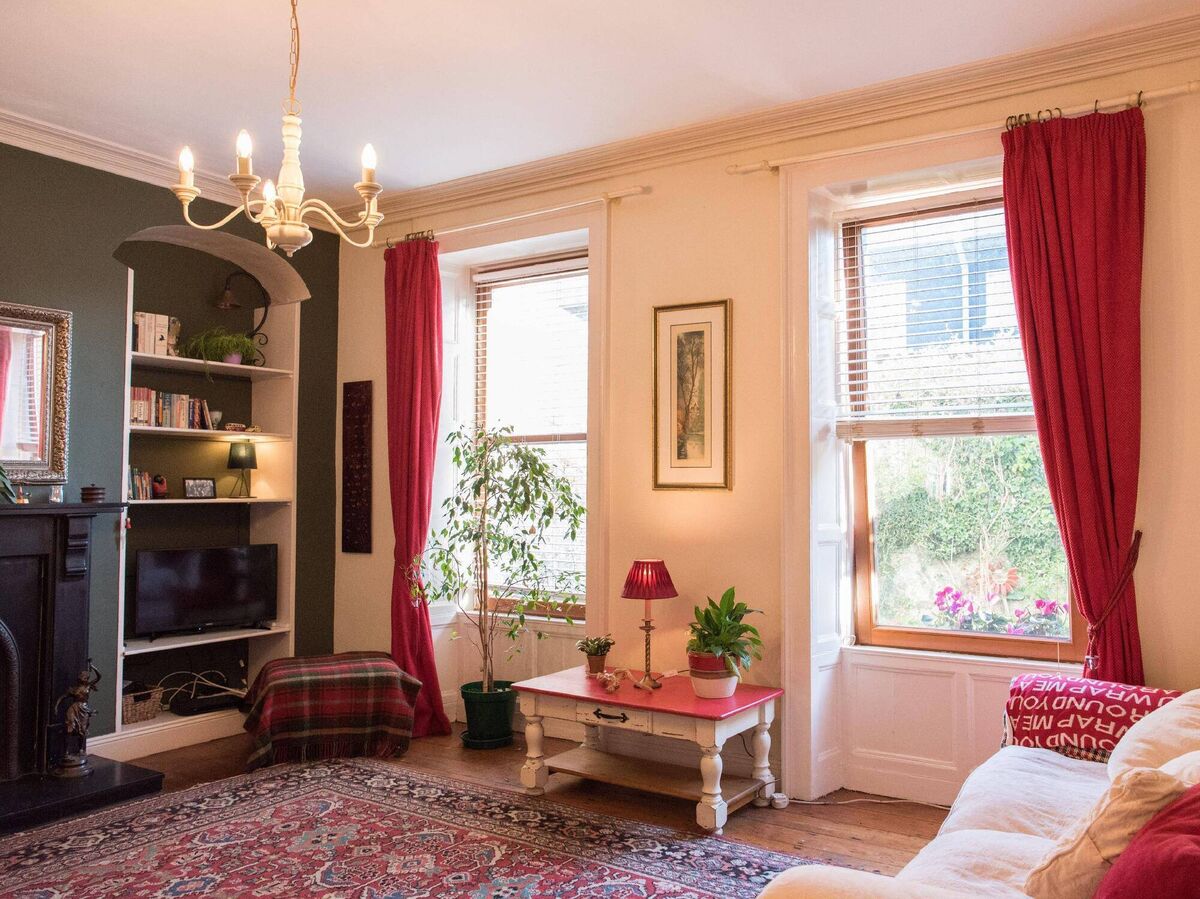
Interior view of 22 Grattan Hill.

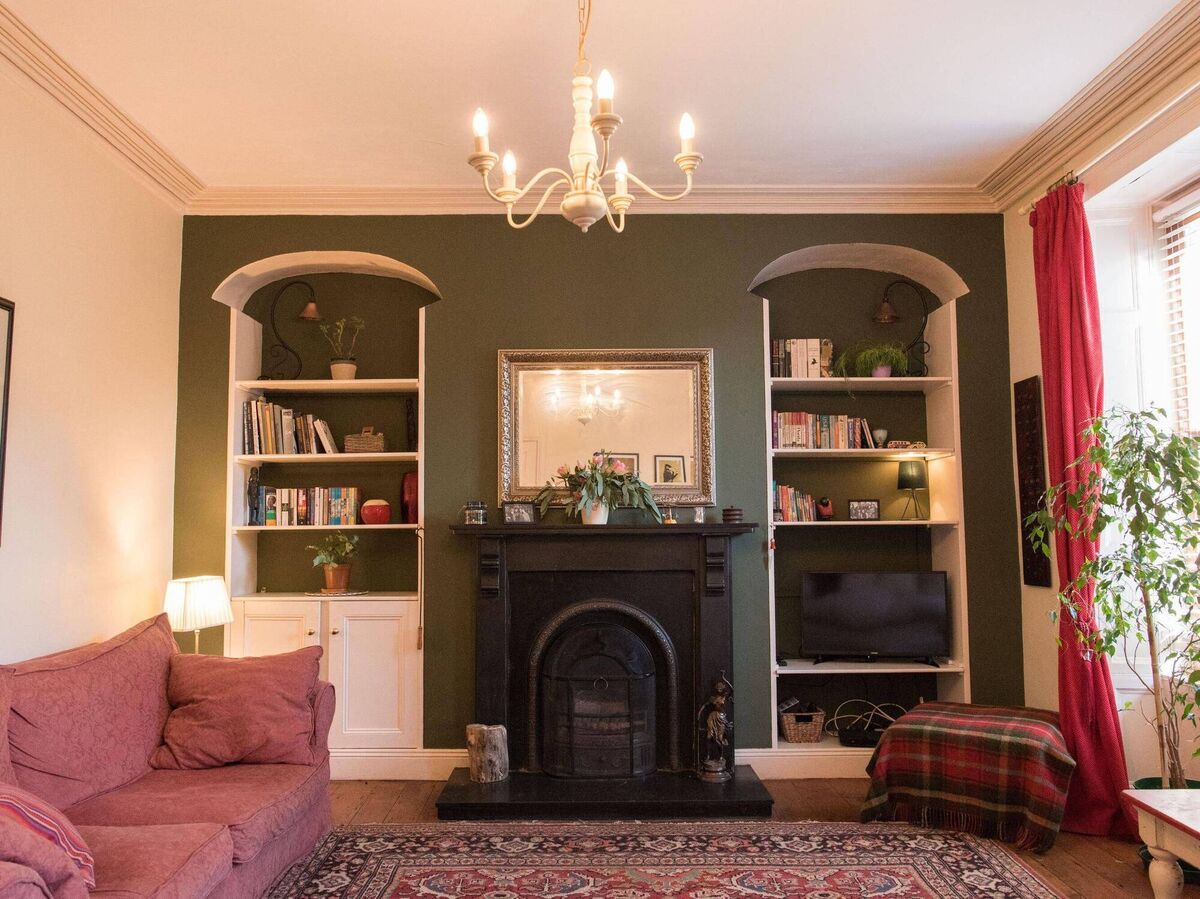
The front reception room to the right has a cast iron open fireplace, two tall windows facing south, with blinds fixed to the multi-action tilt and turn windows, while there are attractive, deep alcoves with arched tops on either side of the chimneypiece.
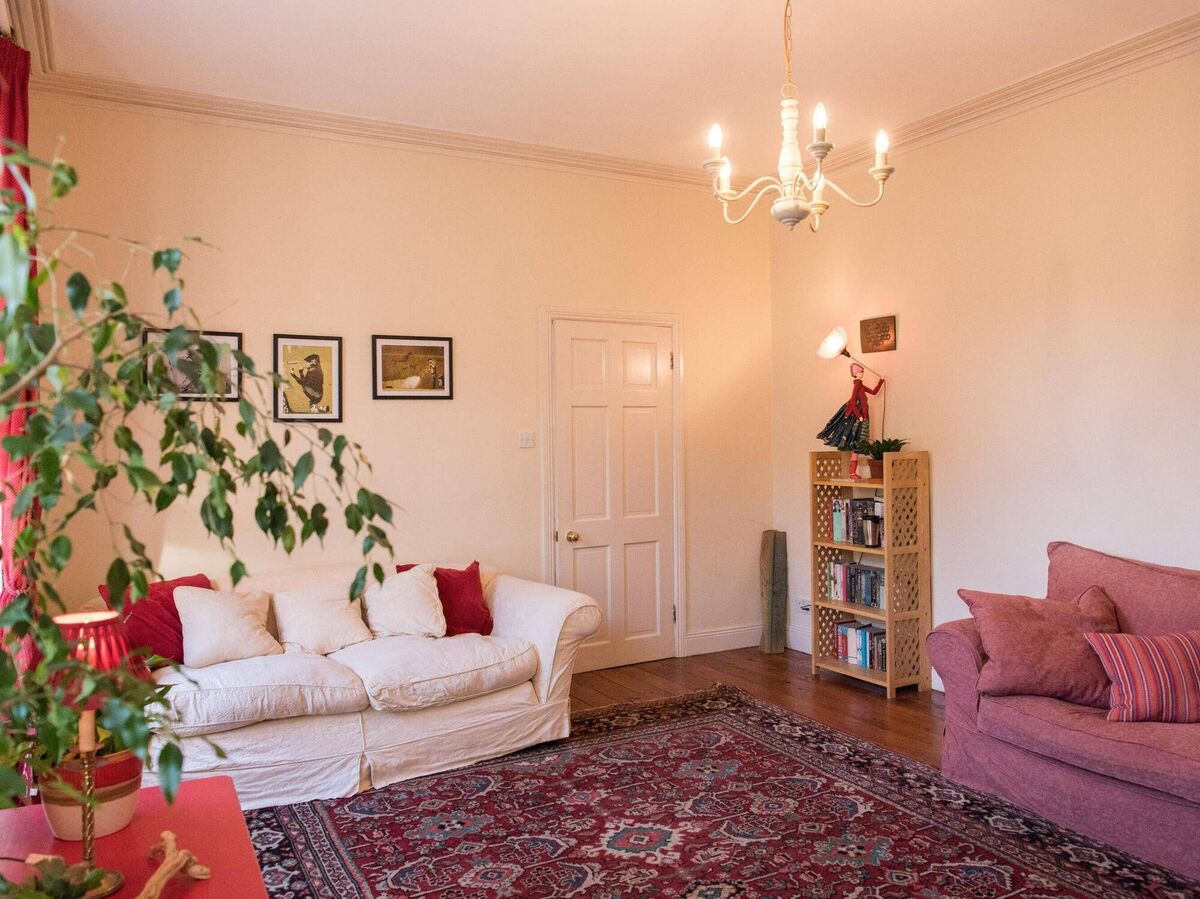
Reception room.
Reception room.

There are further recesses on the gable wall of the back reception room, which has a galley-style kitchen beyond in a two-storey extension, with units on either side and has a west-facing window, overlooking the courtyard.

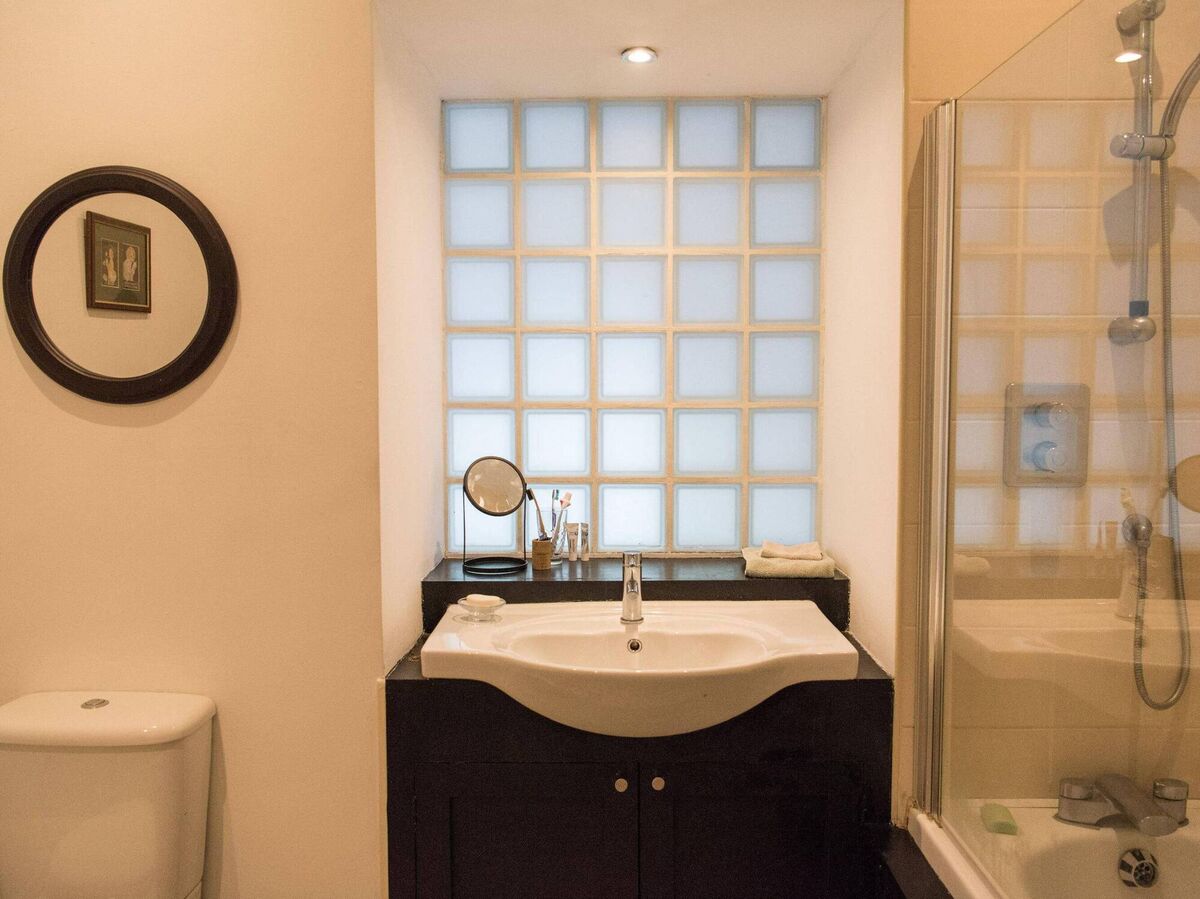
Main bathroom.
Main bathroom.

Also at ground level is a guest WC, one of the three bathrooms in the three-storey, three-bed+attic home, as there is an en suitewith one of the first-floor bedrooms with shower.

All three bathrooms are retiled, and carpets on the stairs and landing are new, with refinished old oak floors in the main in other rooms, while the back reception room has been floored with beech timber.

A nice modern touch are the 30 opaque glass blocks creating a private window in the main family bathroom, between it and a corridor beyond, and this room has a shower over a bath.

Auctioneera’s Fiona Waldron describes the period property as “a gorgeous home”, and stresses the convenience of the setting; the community-minded spirit; the overall condition post its 2007 costly refurb, while the area it is set in is on the up and up — just witness the arrival of Apple to new offices 0.5km away, the Dean Hotel, and a whole host more, in train round the train station.
VERDICT: Isn’t it time that true-blooded Corkonians give ‘blow-ins’ a run for their money in bidding on a Grattan Hill home?!

More in this section

Revoiced

Newsletter

Had a busy week? Sign up for some of the best reads from the week gone by. Selected just for you.

Cookie Policy Privacy Policy Brand Safety FAQ Help Contact Us Terms and Conditions

© Examiner Echo Group Limited