€1.295m modern Douglas mansion bookended by an attic gym and a basement wine cellar
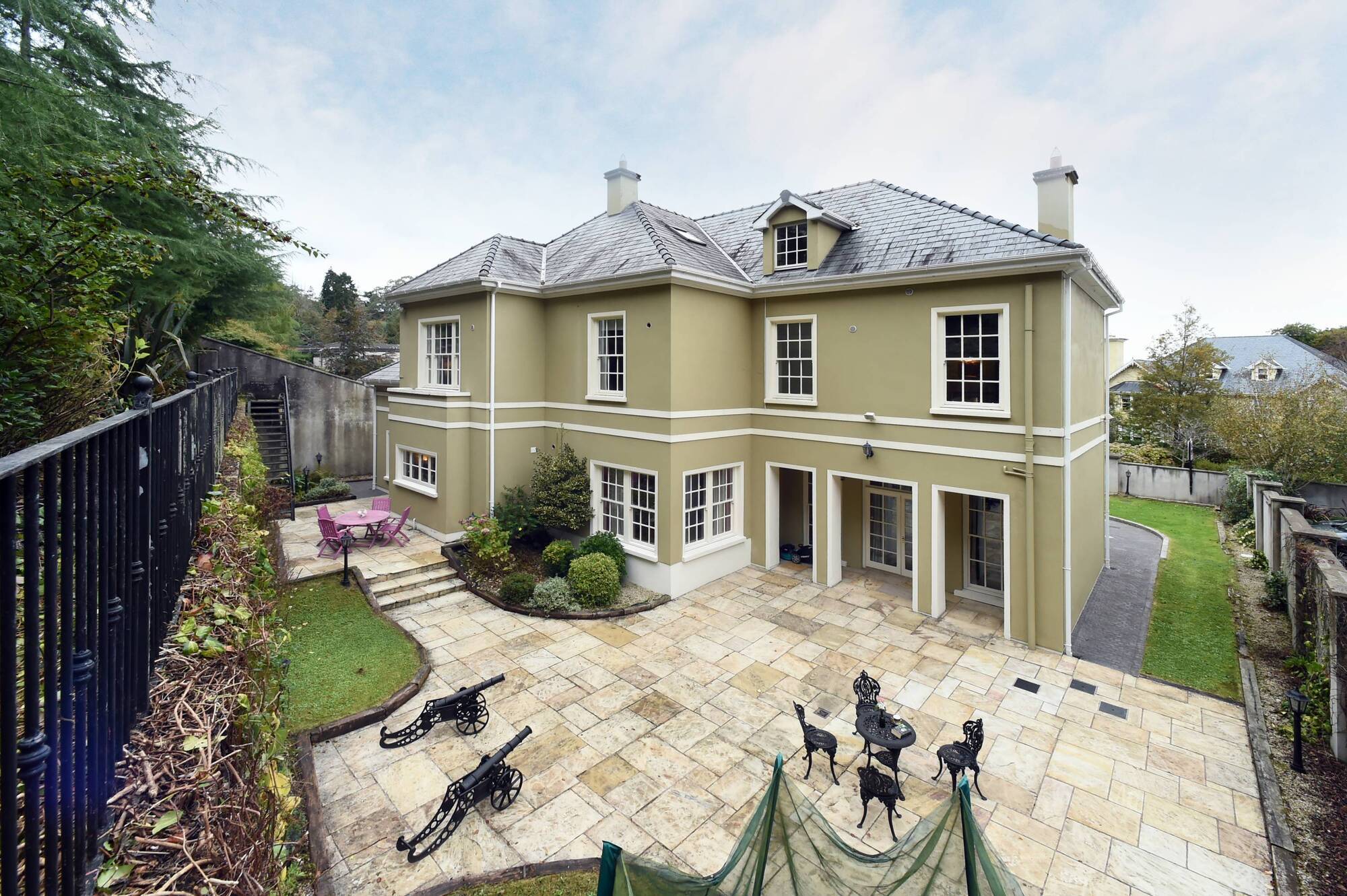
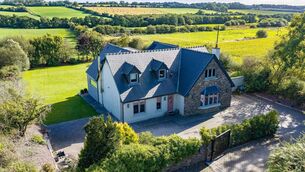
Impressive rear view of Carrigfoyle, 13 Maryborough Orchard in Cork's Douglas, priced at €1.295m by Glenn O'Connor of DNG Creedon
|
Maryborough Orchard, Maryborough Hill, Douglas, Cork |
|
|---|---|
|
€1.295m |
|
|
Size |
419 sq m (4,500 sq ft) |
|
Bedrooms |
5 |
|
Bathrooms |
4 |
|
BER |
c3 |
EXPENSE wasn’t really a concern when Carrigfoyle (and many of its well-heeled neighbours) was built back in 2004, near the peak time of the Celtic Tiger — it’s a big house, loaded with extras, over many levels and, indeed, loaded over split levels, from wine cellar basement to top floor, attic level gym.
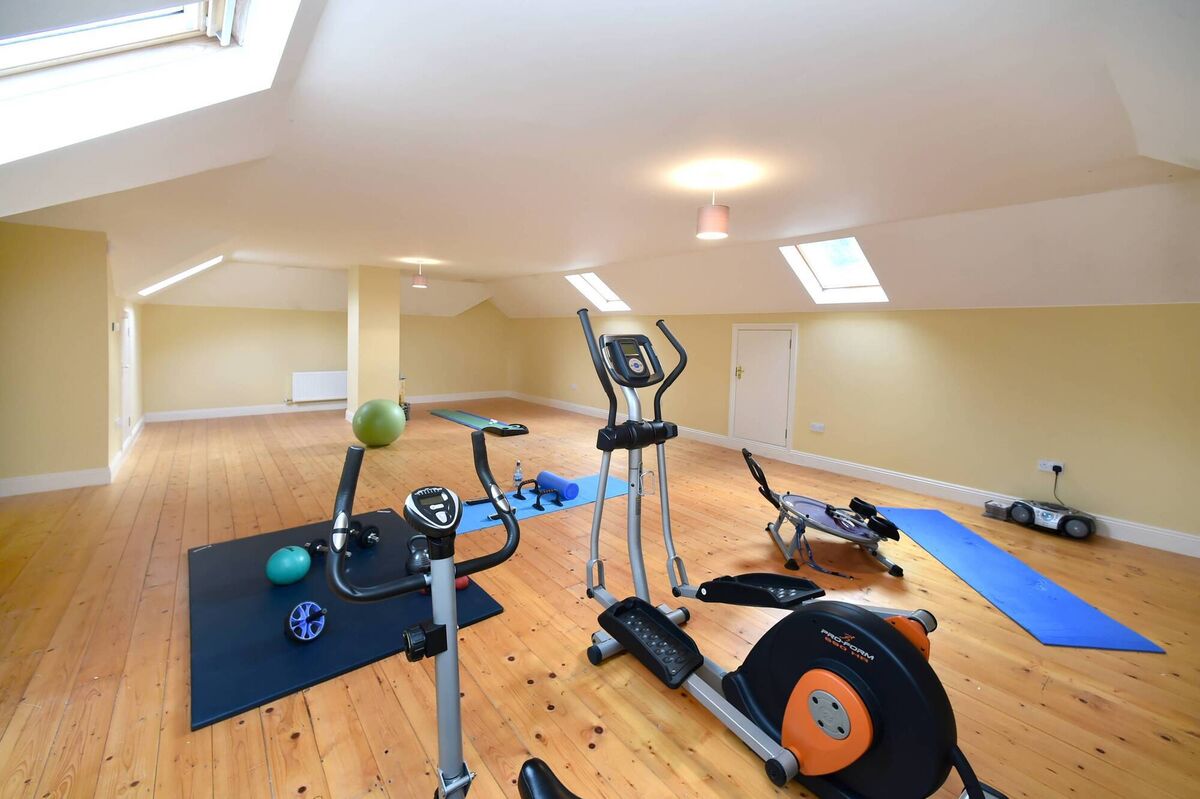
That gym/games room which is next to a mezzanine home office surveying this family home’s palatial main bedroom suite alone is a weighty 850 sq ft — that’s about the size of a good two-bed apartment which, of course, has this whole ‘other ‘house built under, in a plush supporting role.
It crowns a home that is 4,400 sq ft in total, and, perhaps the gym is a necessity, as the basement’s dedicated wine cellar is capable of holding 4,500 bottles of wine.
Cause and effect,
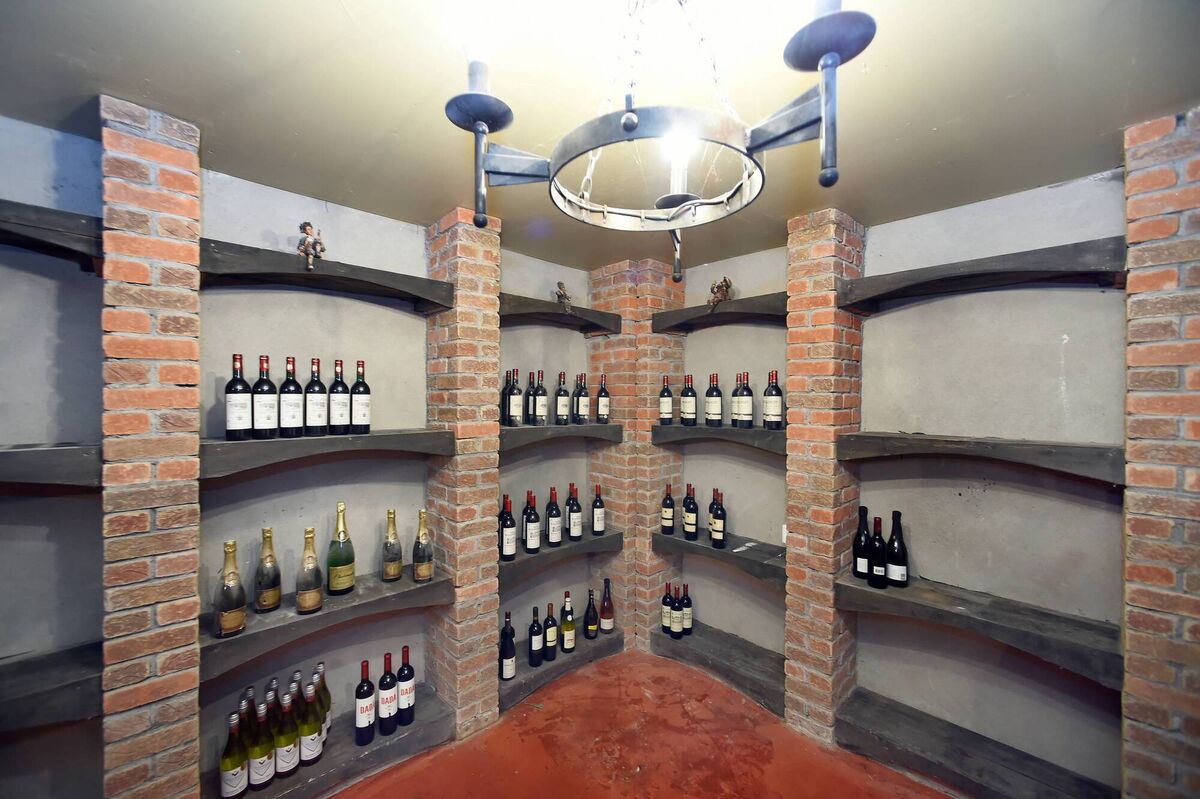
anyone?
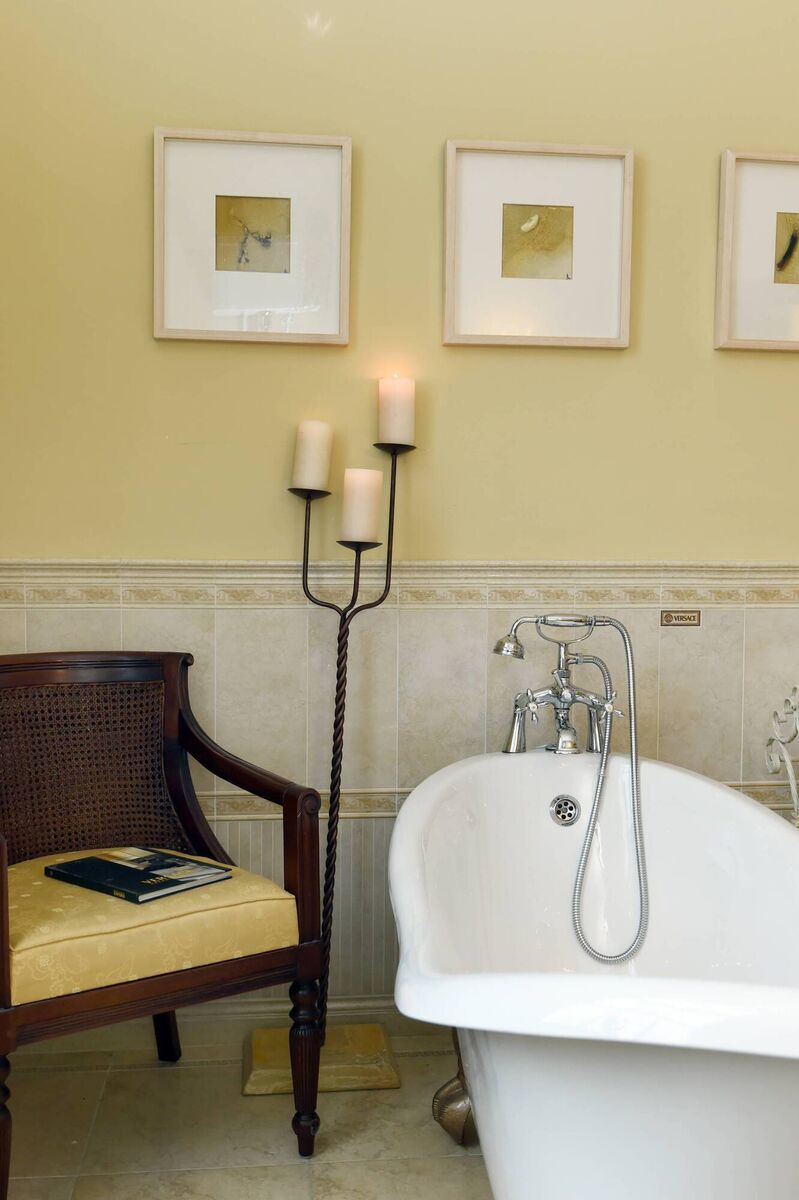
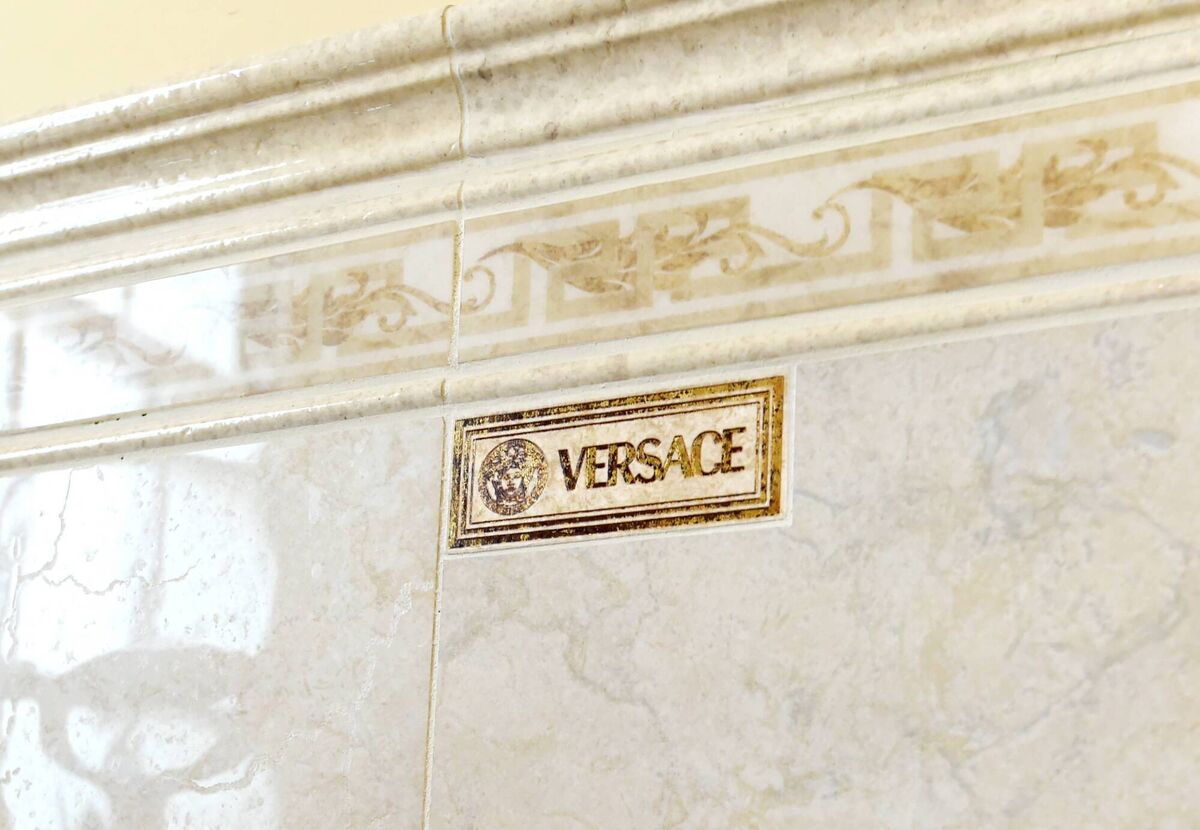
Luxury’s not just taken for granted — or for granite — it’s even signalled, such as in a large family bathroom with its extensive tiling said to be by Versace and imported from Italy. In fact, you don’t have to take the selling agent’s word for it: the name Versace is checked at least twice in small tiles on the bathroom’s walls.
But, we’re not in the Napa Valley here, no siree, we’re in Douglas, Cork, in the grounds of a house with a 300-year legacy.
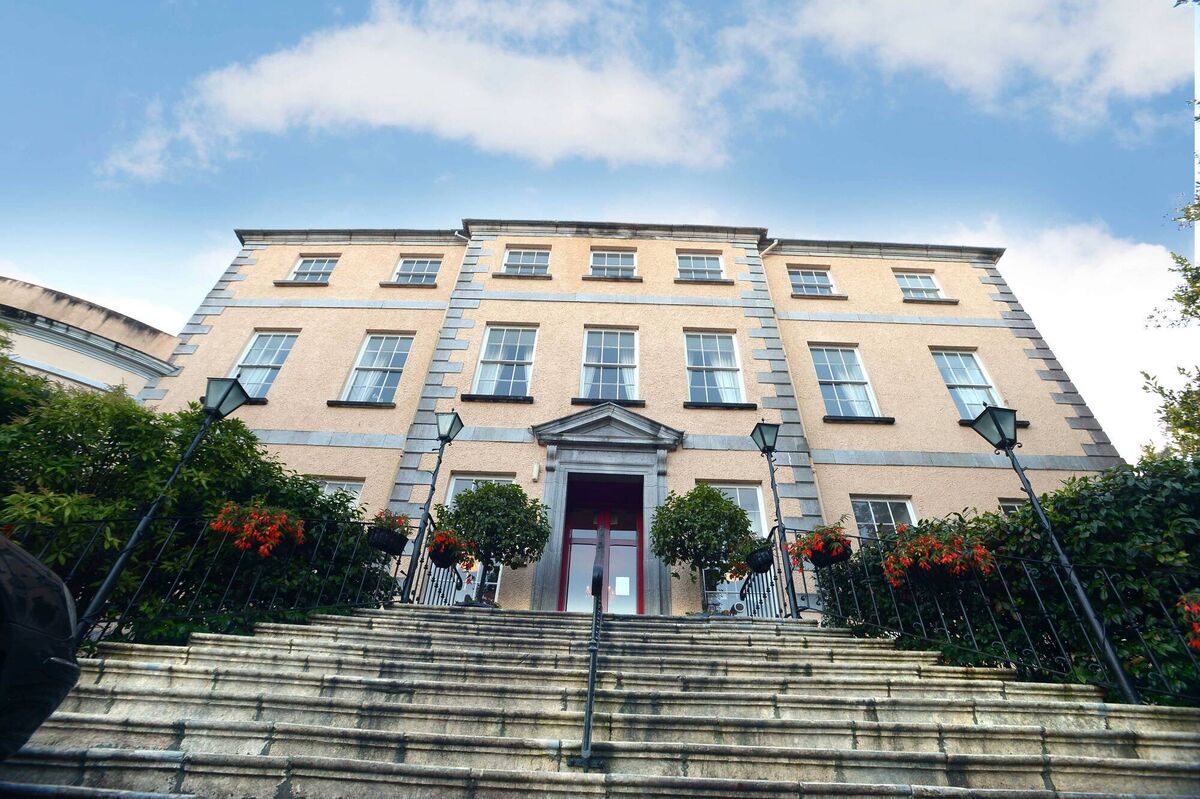
Carrigfoyle, which also carries the address 13 Maryborough Orchard, is one of only a small handful of the 15 to as-yet come up for resale. Among the handful to have sold in the past decade, the most recent was No 15, showing on the Price Register at €1.294m, and others have changd hands at prices from €950,000 to €1.5m.
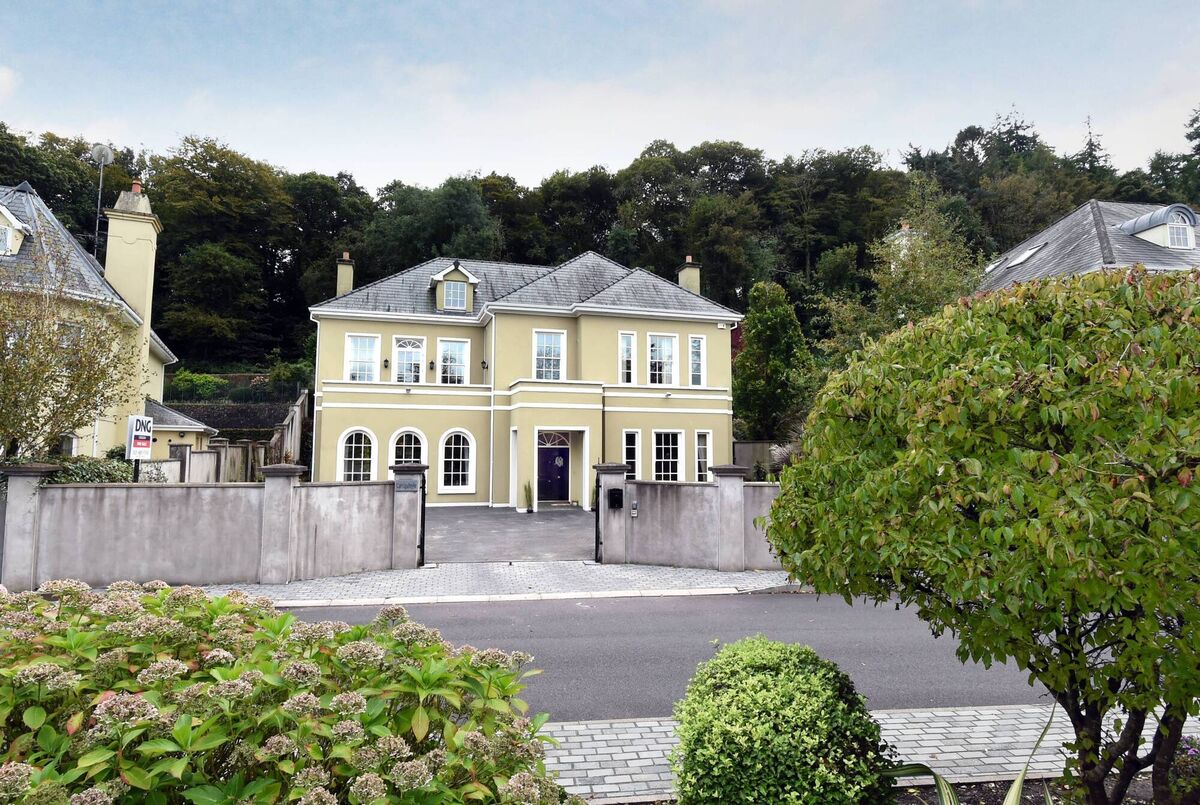
None of the homes built here in Maryborough Orchard was ever small: think 3,500 sq ft to over 5,000 sq ft, and one house, home to the head of a major pharma giant and almost certainly the largest within, is on a double plot.
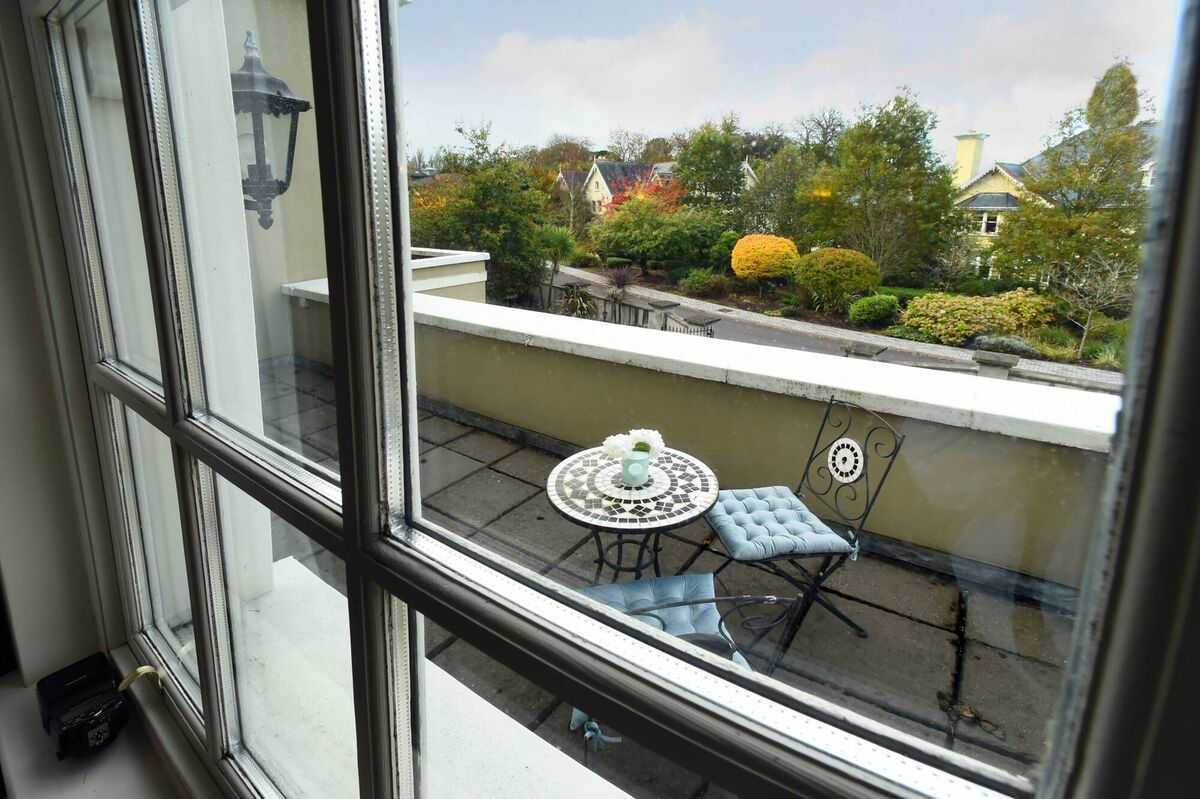
It’s clearly a robust, block build with Ducon slab concrete floors, with a feature balcony/terrace on the front elevation, reached off the main bedroom suite, one of five first floor double bedrooms, with two of them en suite, and ceiling heights at first floor level are 10’, and tip 11’ at ground level, with some double height spaces in several sections.
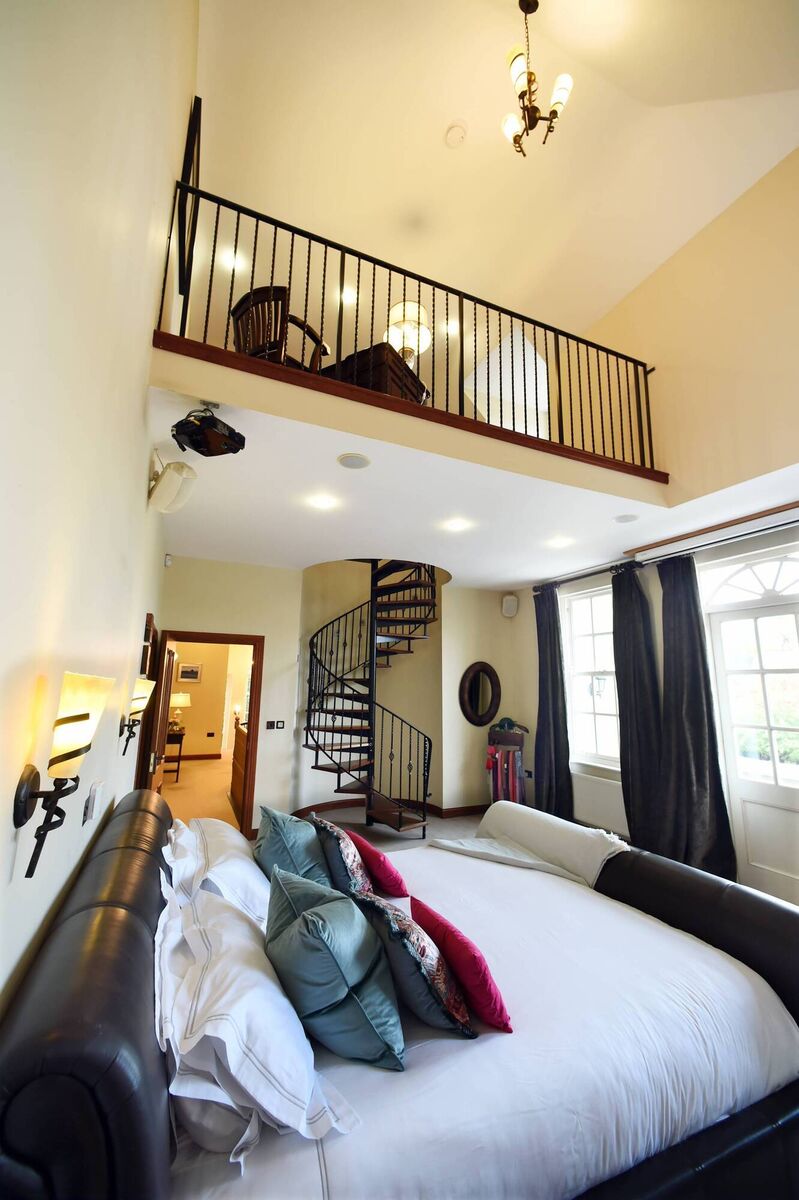
The main bedroom would sort of qualify as a presidential suite in many a hotel, with lofty/double height ceiling, double aspect, dressing room and large private bathroom. A spiral stairs leads to a mezzanine home office, set up with a desk and off the mezzanine is the bulked-up home gym/games room, with a dormer and Velux windows on several sloping ceilings making the 850 sq ft space nice and bright.
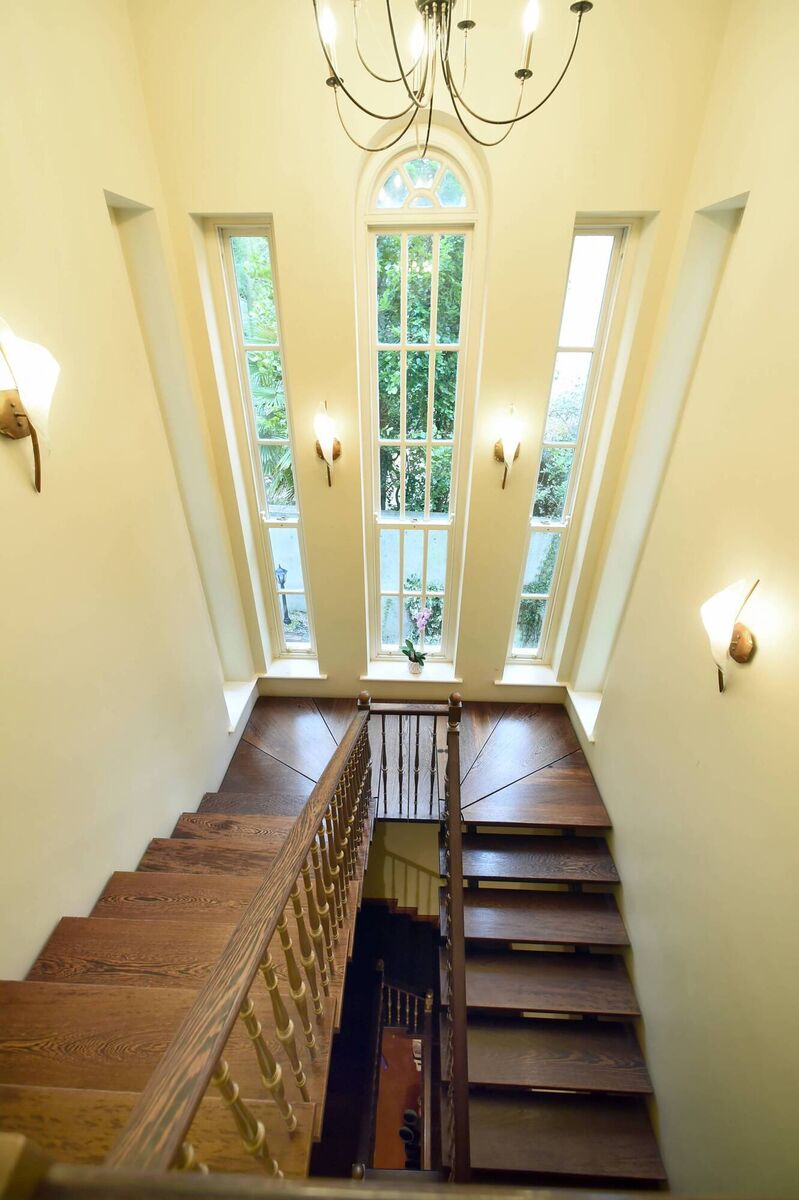
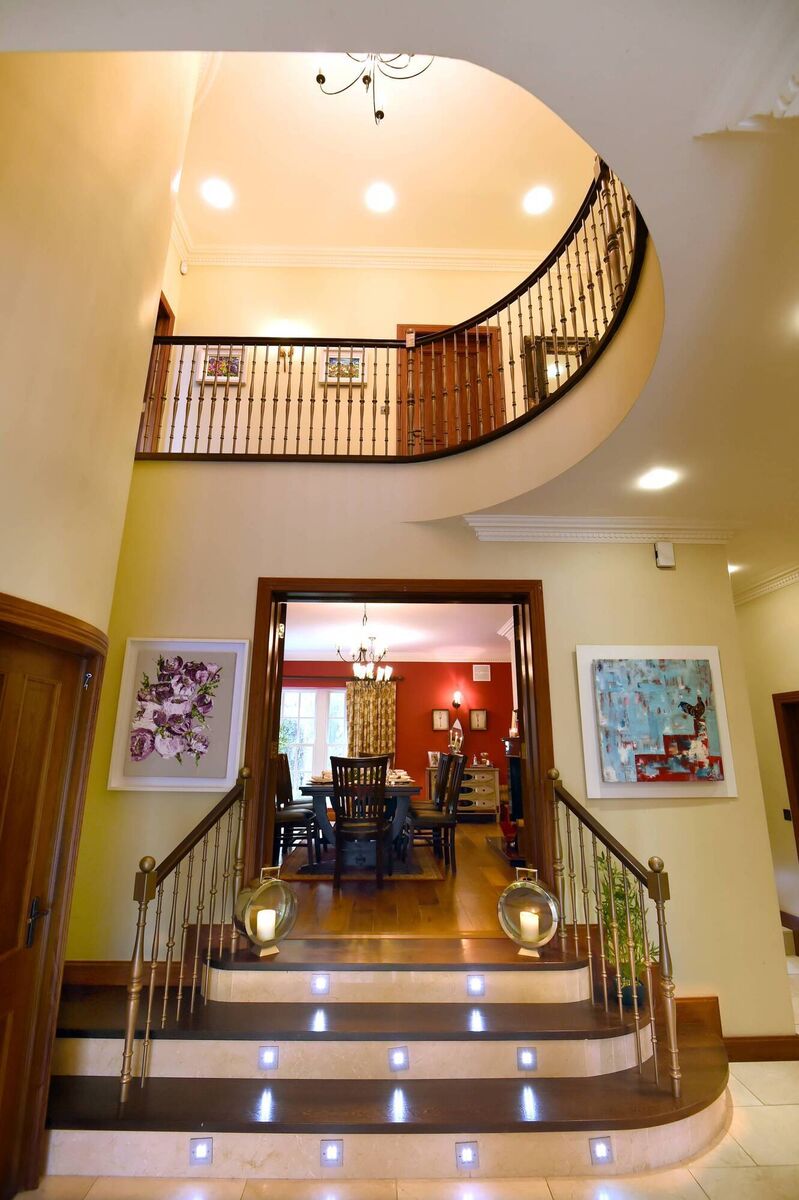
The main staircase linking the upper levels to the ground floor is an open, bespoke feature one, with treads in attractively grained bubinga wood from Malawi in Africa, with gilt/gold coloured wrought stair spindles here, and in the split-level section from the hall to the dining room, with the wrought iron work credited to Willoughby’s
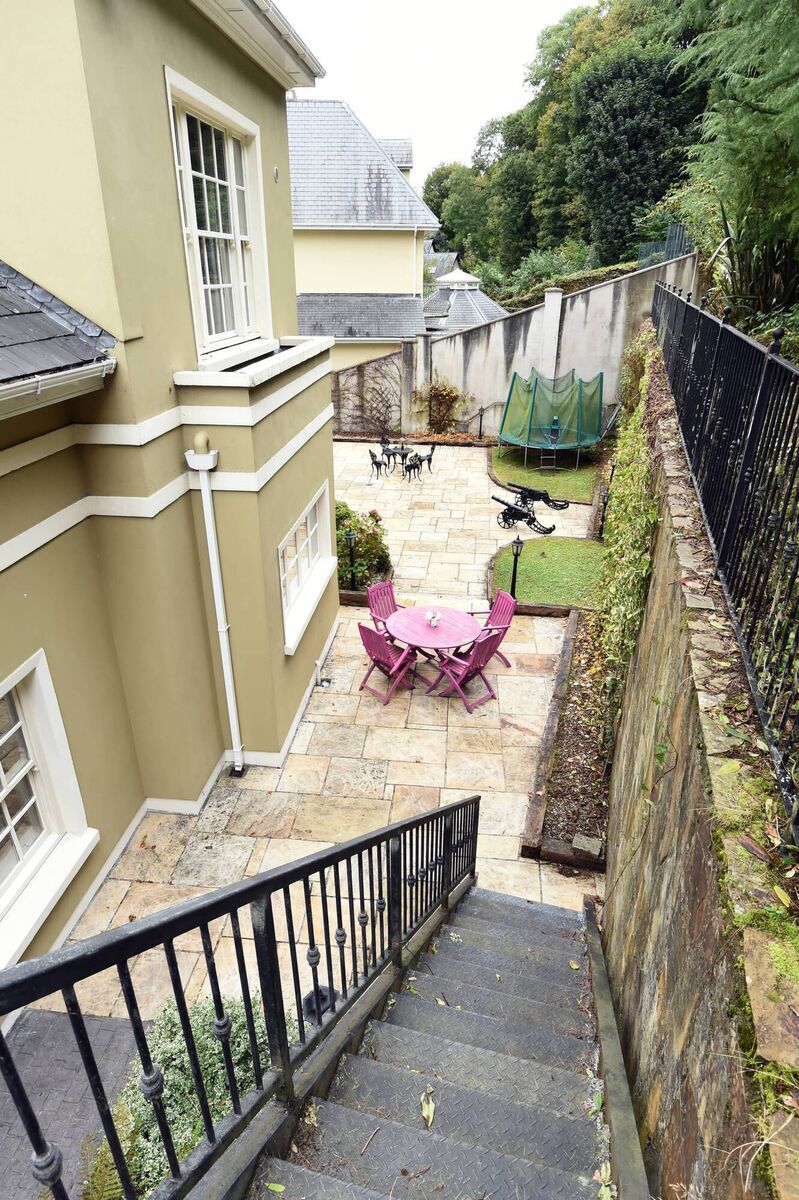
There’s some even more important steel work here too: some 30 tonnes of steel has gone into a retaining wall and steel steps leading towards the back of No 13’s site, which steps up into mature woods. There’s a bit of extra ground up here on this elevated section which could be colonised and tamed, with an example of what could be done in some neighbouring gardens into the woods, which are part of the original Maryborough House estate, with the Elden apartments above, off Maryborough Hill, but out of sight of the back of No 13.
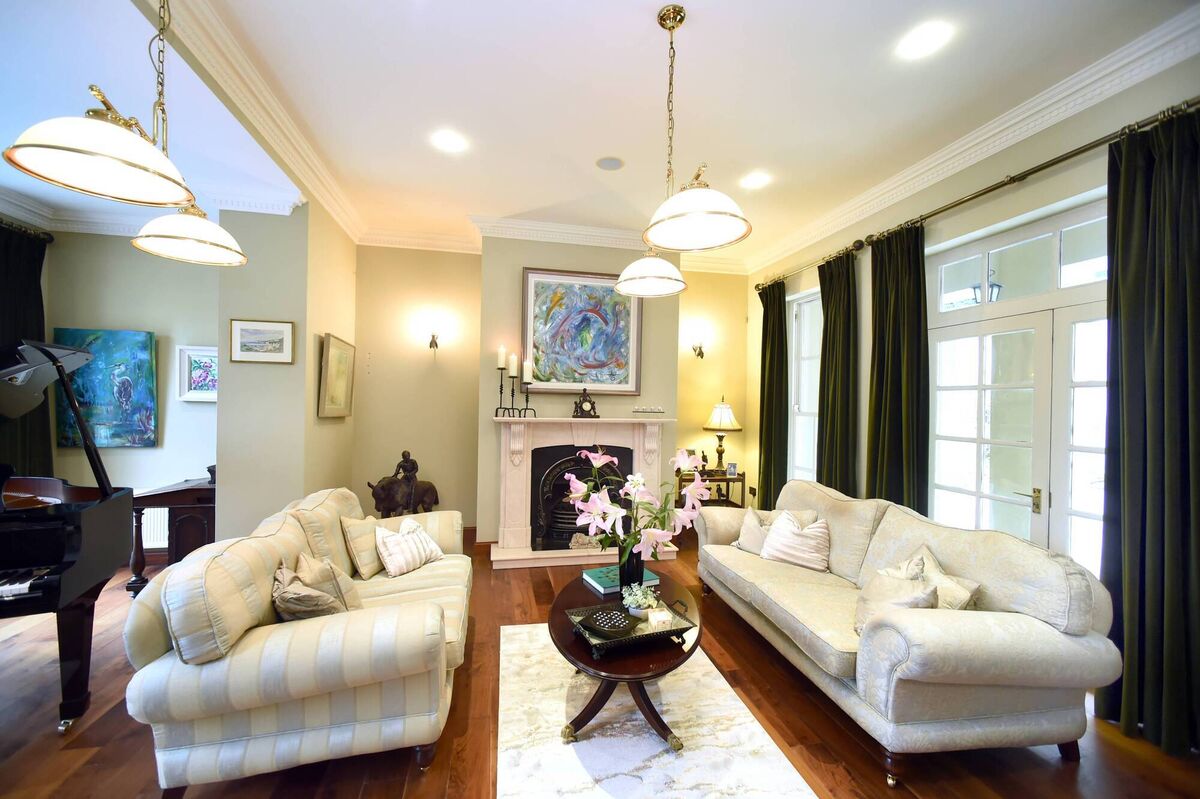
Several rooms, such as the drawing room and dining room (also walnut floored), have gas-fired insert fires: the various chimneypieces were in the €10k-€12k price bracket when installed, say DNG, indicating again the ‘no expense spared’ philosophy.
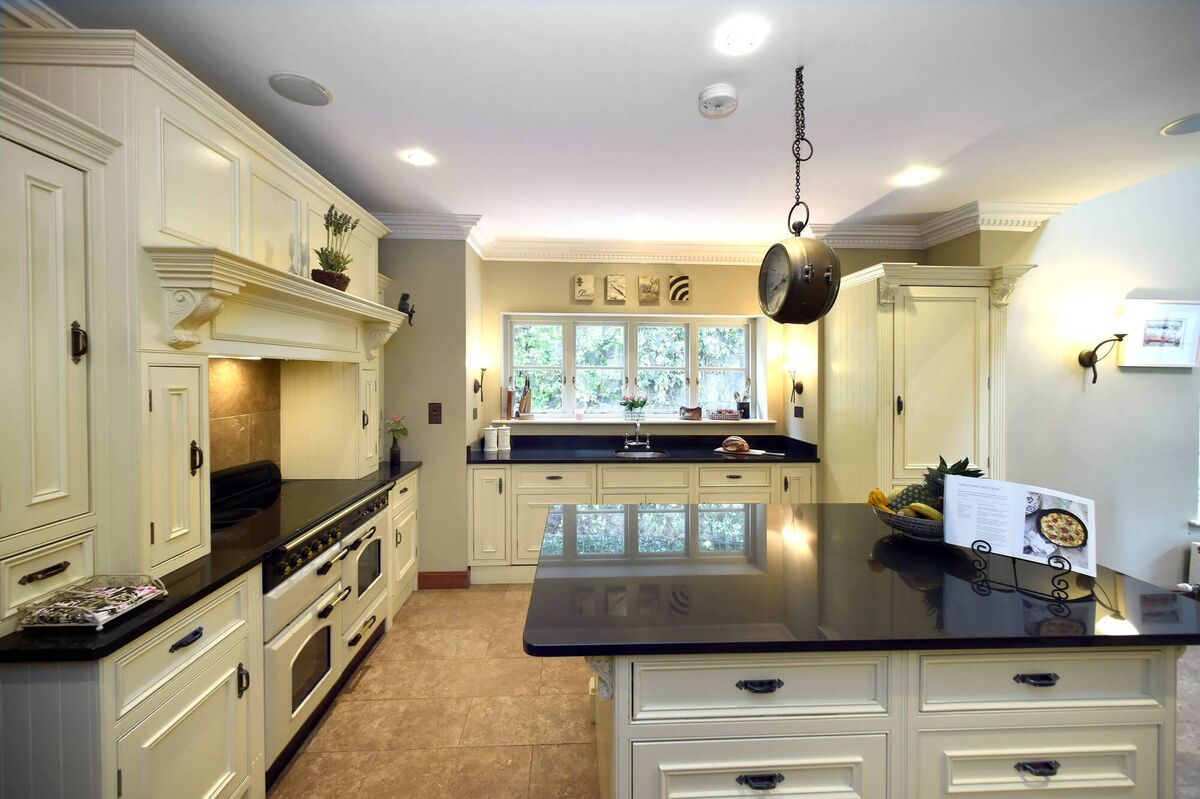
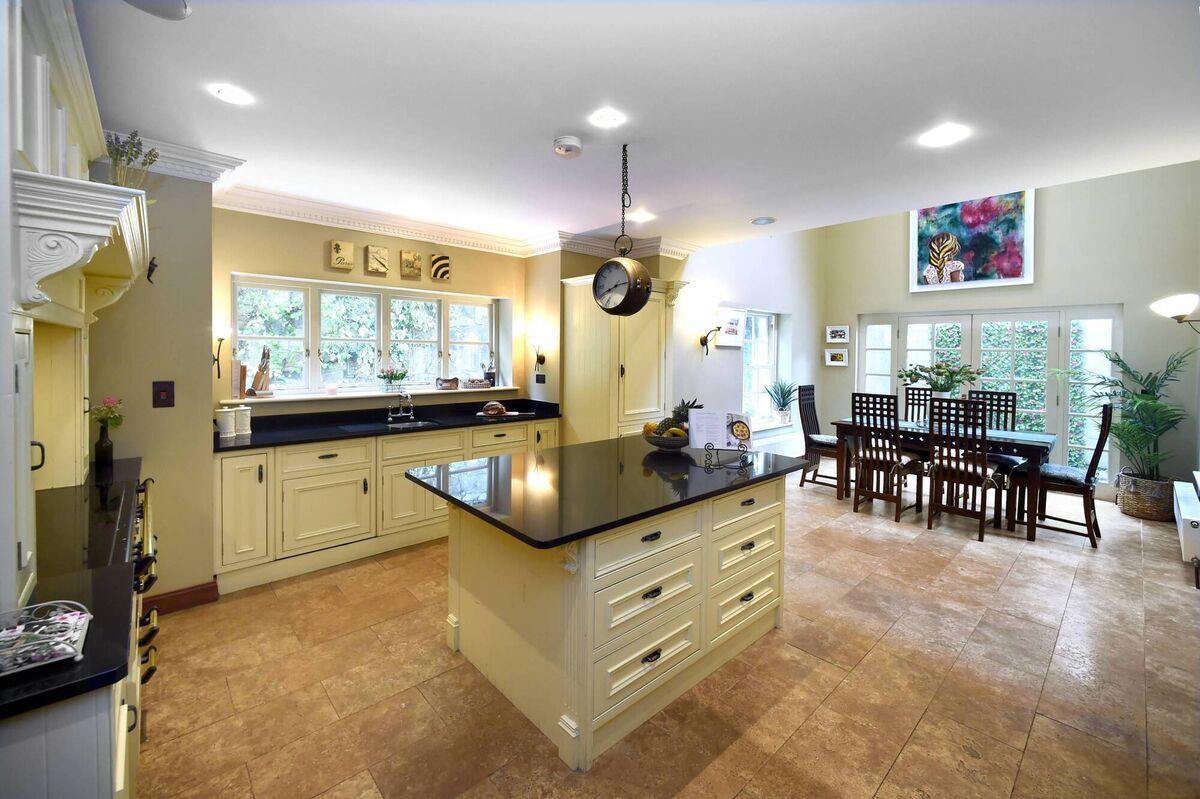
The kitchen, set in the back/south-west corner, has painted beech units, with quartz/granite tops, has an Aga which is such a part of the ‘hearth of the home’ that it’s included in the sale (some Aga owners get so attached to them they want to take these beasts with them when they move), and the kitchen/diner’s far end opens up into an extra height section, adding further to No 13’s ‘cubic capacity’ as well as its generous floor area.
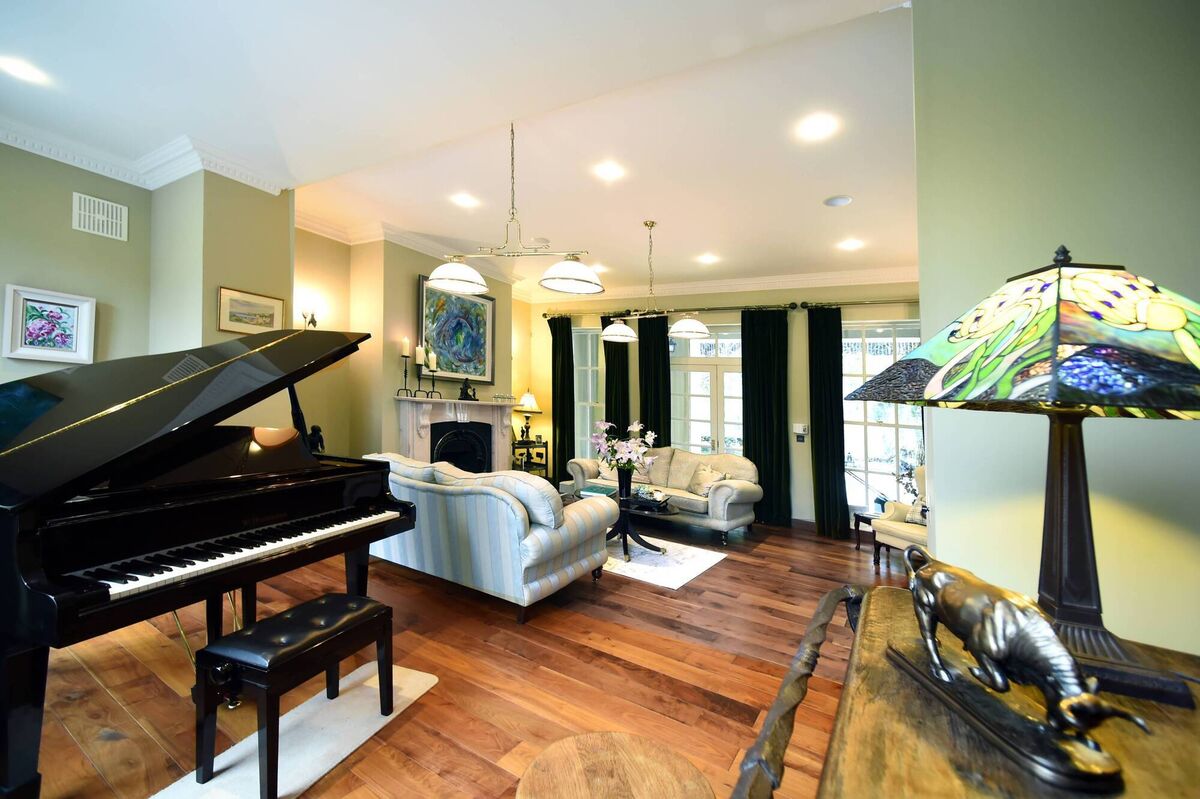
Internal doors are in Spanish oak, bathrooms are Victorian in character, and the windows (all with made to measure curtains and drapes) and external doors are also period house in character and proportion, done sliding sash style with lead weights, sourced from Mellott’s Joinery in Ballinrobe, Co Mayo, a fifth generation family firm, trading since the 1850s and able to produce A-rated timber sash windows.
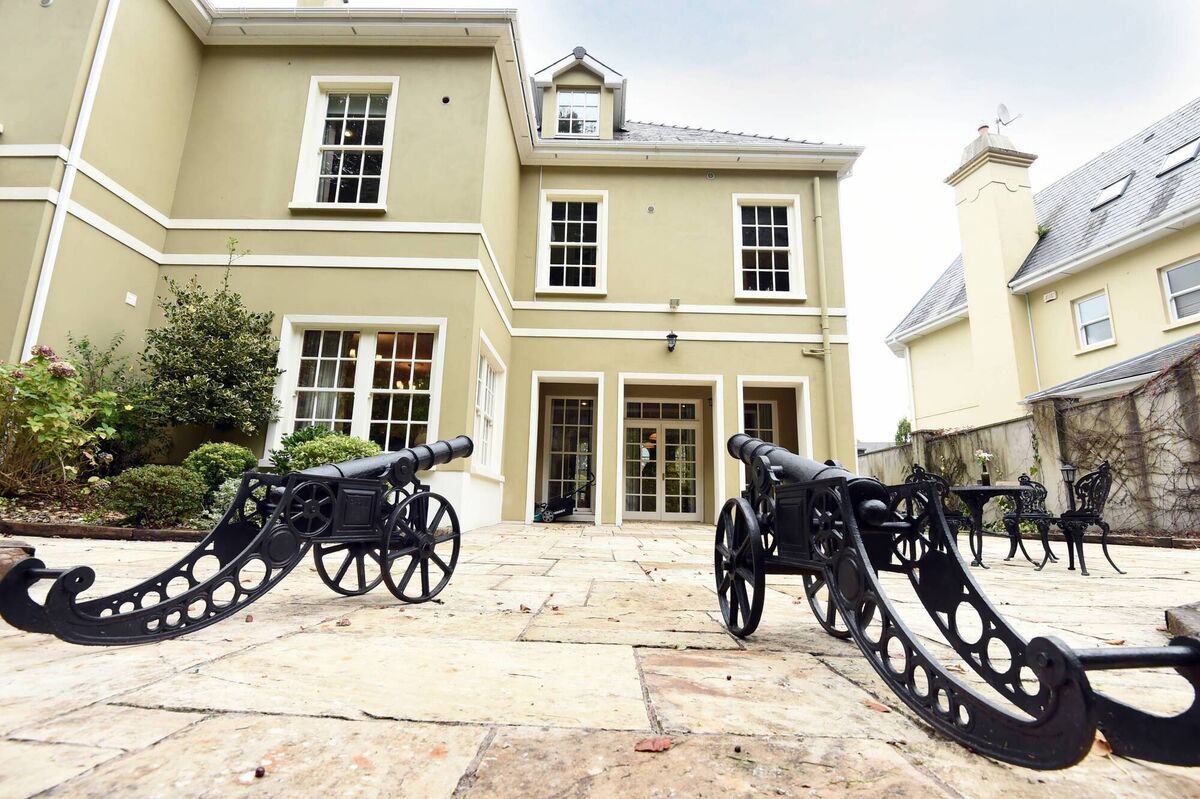
Investment in windows and doors at Carrigfoyle was a cool €150,000 back in the day ... did we mention ‘no expense spared?!’
It’s now a decade since the slow, inch-back from ‘the crash’ took hold, but it’s likely current day market values of high-end homes like this are still well under what it costs to build to this level.

CONNECT WITH US TODAY



Be the first to know the latest news and updates