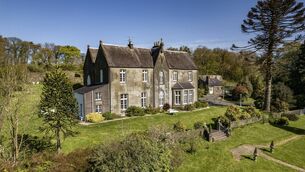
How to keep costs down when building your own home
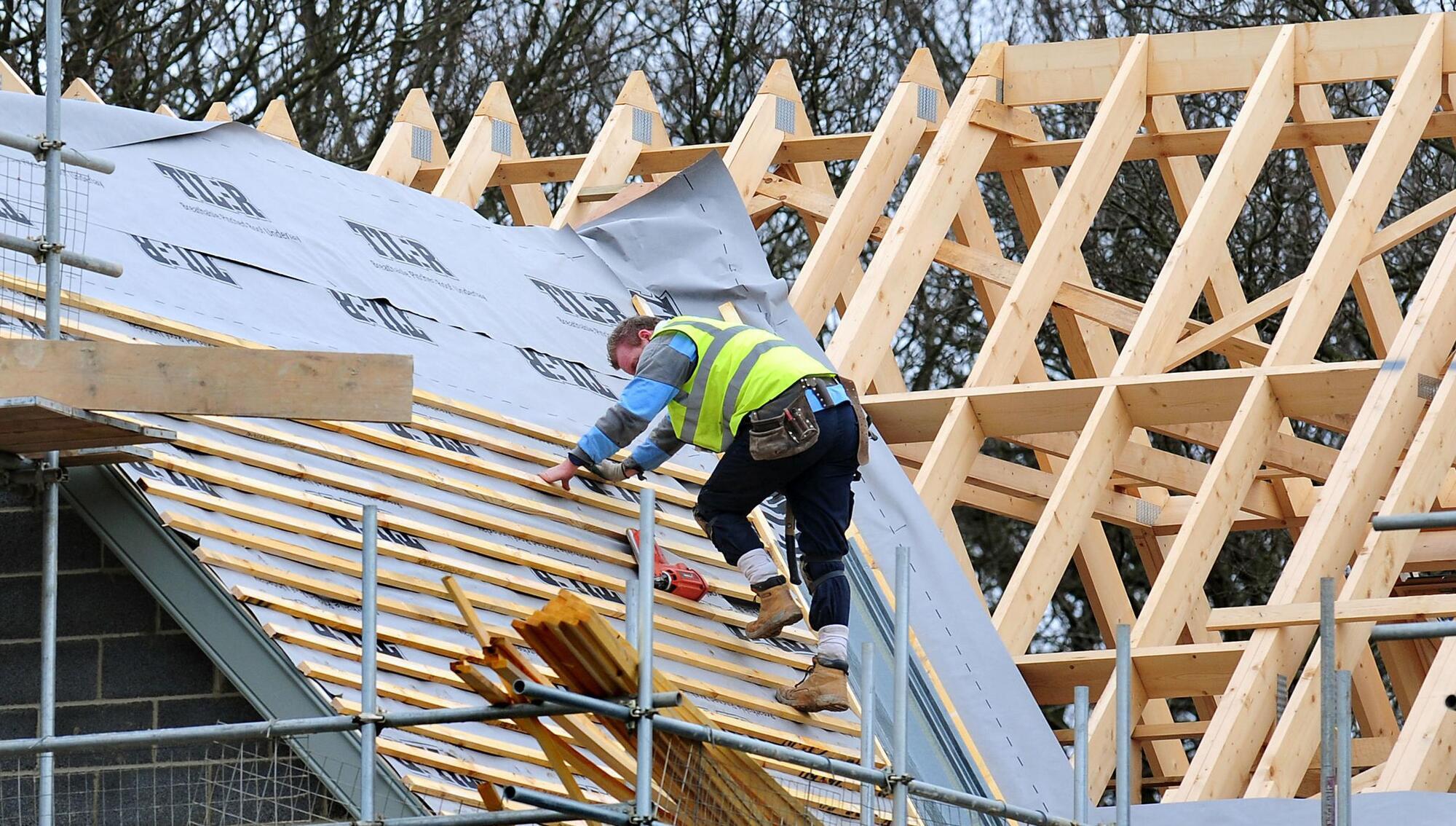
Three key factors that affect cost per square foot are building size, construction complexity, and design specification
How to keep costs down when building your own home

Building in Ireland is generally quite expensive in any event as there is a labour shortage and there has also been inflation in the cost of materials.

Hi Kieran, myself and my boyfriend wanted to buy a new home but it looks like we are priced out of the market where we want to live. We are at the early stages of considering building our own home instead. Are self-build homes always expensive? Are there simple, three-bed options out there that will be on the lower end of the scale in terms of price? What are the things that really add to the price of a self-build?
Thanks, Orla, Tralee

Hi Orla, many thanks for your question. Are self builds always expensive? I suppose this comes down to what you mean by expensive.

Building in Ireland is generally quite expensive in any event as there is a labour shortage. This has existed since the last recession when many builders have left the industry and there hasn’t been a significant influx of foreign labour to take their place.

In addition there is of course the recent materials cost inflation issue as a result of supply chain interruption post lockdowns but there are tentative signs that this is beginning to abbate.
Driving value

To answer your question in more detail we might consider what elements affect the cost of a new house and how you can drive value.

As we all know, the most common ready reckoner in terms of building cost is cost per square foot. Three key factors that affect cost per square foot are building size, construction complexity, and design specification. Let’s look at these in turn.

Three-bed one-off houses typically range from say 1,600ft² to 1,800ft². The less square foot you are building the less labour and materials you will use therefore the building will likely cost less.

So you are looking to build a three-bed house. Three-bed one-off houses typically range from say 1,600ft² to 1,800ft². The less square foot you are building the less labour and materials you will use therefore the building will likely cost less but the important thing to keep in mind here is that as a building gets bigger you get economies of scale as there are greater quantities and you may be able to strike a better deal with contractors or suppliers in this instance.
The other key aspect is that you will have significant fixed costs both in terms of overheads and indeed key elements such as your heating system, kitchen, ventilation, bathrooms, etc, so there isn’t a linear relationship here in terms of building size.

Construction complexity means a building is more complex to design and indeed build. It will take more hours to execute and there may be further engineering elements that need to be considered and incorporated into the building.

Special budgeting

A sloped site might contain rock or clay can necessitate rock excavation and/or retaining walls may need to be budgeted for.

A high level of bespoke architecture is another driver of cost, for example, a cantilevered first floor veranda will require significant additional steelwork and bracing to suspend this element above the ground floor. In both instances these engineering costs are over and above what you would typically expect in a traditional building budget.

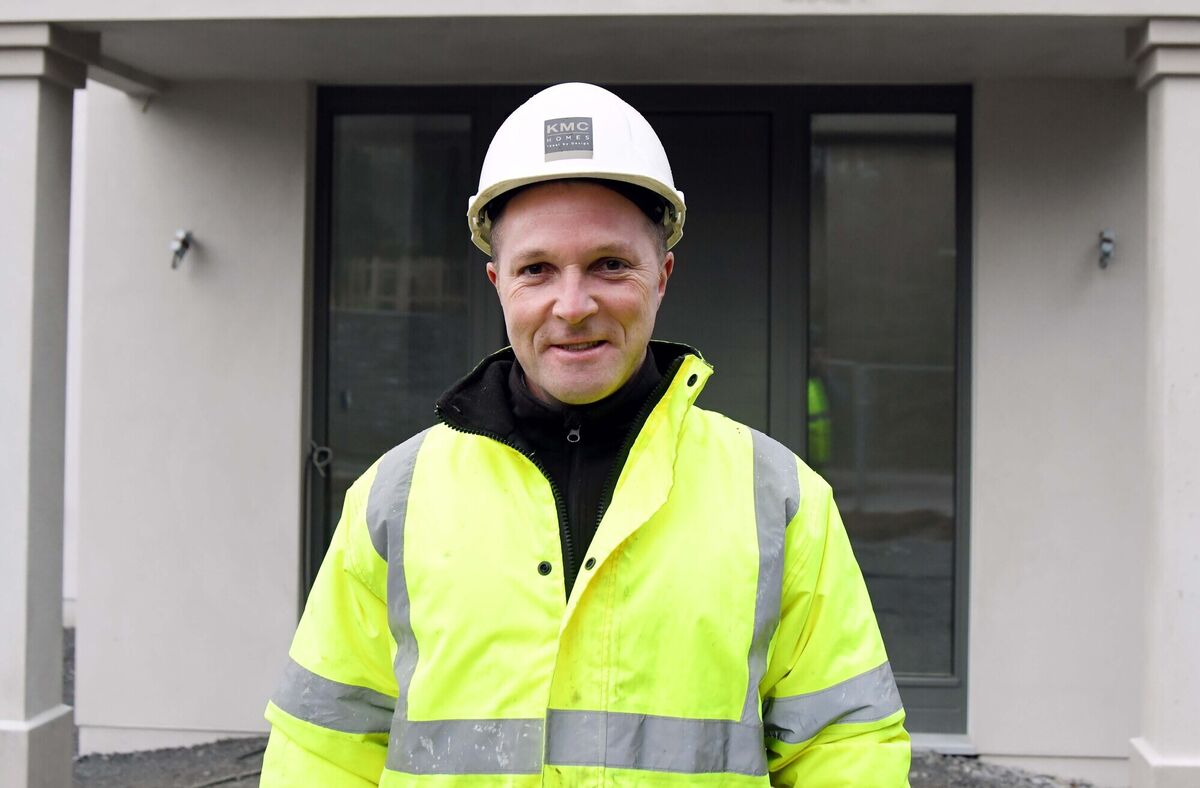
Kieran McCarthy, KMC Homes, engineer and builder. Picture Denis Minihane.

The third aspect to be aware of in terms of budgeting is of course client spend: How much would you spend on a kitchen, is it €10k or €25k? How many bathrooms are you fitting? (bathrooms are the highest cost per square foot room in your house due to the cost of tiles, bathroom ware, detailed plumbing, electrics and ventilation). What type of windows are you fitting? Double- or triple-glazed, are the frames aluminium, timber, or aluclad? What type of stairs are you fitting? Has it timber spindles or glass? Is it curved or straight?

If I was advising you on the best way forward, I would advise as follows: If you can, try and choose a level site adjacent to a level and straight road.

Speak to your bank and work out what you can afford to borrow in line with your savings to date. Ensure your architect/engineer knows your budget.

Cost check

Design a house that captures the best light and views in your site and works for you in terms of space and practicality and send your drawings to a quantity surveyor for a cost check as soon as possible.

There will likely be some changes to be made to align with your budget so best to get this exercise completed as early as possible.

Once this exercise is completed you can send for pre-planning knowing that if the planners are broadly on board you can proceed to the next stage of more detailed design with all the major boxes ticked.

I hope this helps and I wish you the best of luck with your exciting new venture.

  • Civil engineer, Kieran McCarthy, is founder and design and build director with KMC Homes. He is a co-presenter of the RTÉ show Cheap Irish Houses.

More in this section

Revoiced

Newsletter

Had a busy week? Sign up for some of the best reads from the week gone by. Selected just for you.

Cookie Policy Privacy Policy Brand Safety FAQ Help Contact Us Terms and Conditions

© Examiner Echo Group Limited