Building Advice: Home energy-saving measures
This week: A look at energy-efficient measures for a new home
Building Advice: Home energy-saving measures

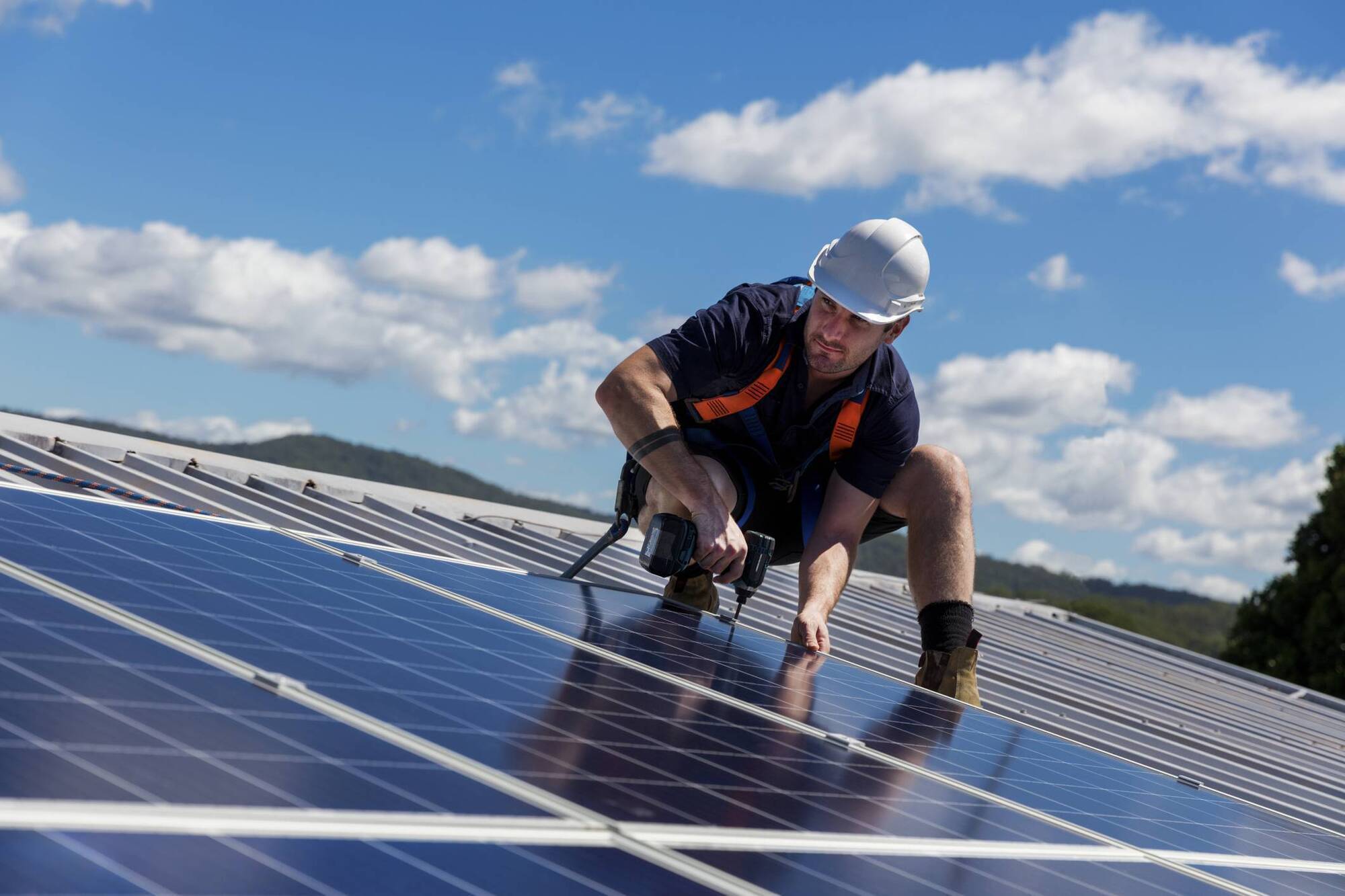
Photovoltaic cells need a sizable southern elevation on your roof to gain access to sunlight. Picture: iStock
Hi Kieran, 

I am planning to build a new home but am a bit overwhelmed by the various energy-efficient measures to add to the house.

I’d like to add solar panels and friends have said an air-to-water pump saves a lot on costs.

Are these elements difficult to install? When designing the home what do you need to consider?

Sarah, Rathcormac

Hi Sarah,

Thanks for your great question and it’s great to hear that you are giving early consideration to energy-saving measures in your new home, this is indeed very important.

When we design new homes we like to understand what renewables a client is considering very early in the design process as all these measures need to be sited in your new home and there may be further considerations needed in terms of say airtightness, electrical requirements, duct runs etc.

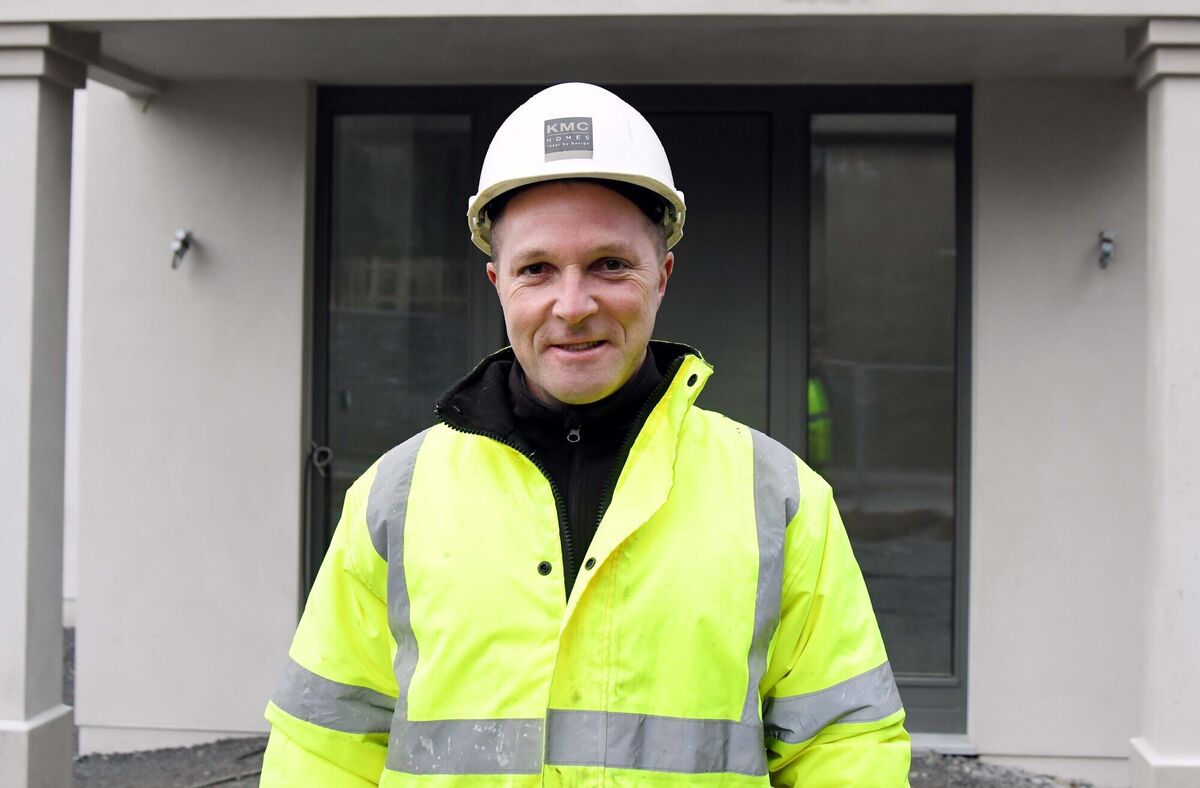
Kieran McCarthy: 'It's good to understand what renewables a client is considering very early in the design process.'

So what are the key elements available here and what do you need to consider? Let’s look at them one by one.

Air to water:

Air to water is a renewable heat source where heat is extracted from the air outside your home and conveyed to your heating elements and hot water store in your home, it is very efficient and just uses a small amount of electricity to run the system and pump this warm water. 

An air to water unit will have an indoor unit which is often sited in a utility room and an outdoor unit which is sited nearby outside so clearly space for these elements need to be considered early in your design.

Mechanical Ventilation:

There are broadly two options here. Demand control ventilation removes water vapour and a variety of other gases from your wet rooms and during this process draws in fresh air from outside through your window vents. This unit is often sited in a closet or in your attic. There are air ducts to the wet rooms (kitchen, utility, WC’s) but these are usually manageable.

The second option is heat recovery ventilation. This unit removes stale (warm) air from all your habitable rooms and replaces this with fresh air from outside but in doing so transfers the heat from the stale air to the new fresh air so you don’t lose heat in winter. You will need much more ducting as now most rooms will be affected so much thought must be given to how you will route these ducts though your first-floor void. This type of ventilation will also require a lower airtightness level so you will need to design this in.

Photovoltaic Solar Panels:

These are different from solar panels of the past in that they generate electricity from sunlight. I find they are great when fitted to a house with an air to water system as they generate electricity which is what powers air to water. Photovoltaic cells need a sizable southern elevation on your roof to gain access to sunlight and you will need structural supports (or ‘grounds’) internally. You will also need to provide for a series of pipes that will need to lead back to your main ‘fuse’ board.

There are further measures such as rainwater harvesting whereby a rainwater tank would need to be installed externally so you can recycle the rainwater from your roofs and indeed we are fitting heat recovery units to showers in a house we have currently under construction whereby we will reuse the heat from shower drain water. You will of course need to ensure you have adequate levels of insulation, airtightness and anti cold-bridging measures in place for some of these elements and indeed for the overall compliance and comfort of your new home and best to consider and design these in as early as possible.

So, you can see that new modern homes are so much more than four walls and a roof over your head but these energy saving devices, though a considerable upfront cost, save you a great deal of money in the long run and reduce your new home’s impact on the environment as well as your comfort and enjoyment at home, particularly in those long cold winter nights when fresh summer air is a distant memory.

  • Civil engineer Kieran McCarthy is founder of, and design and build director with, KMC Homes. He is a co-presenter of the RTÉ show, ‘Cheap Irish Houses’.

x

More in this section

Revoiced

Newsletter

Sign up to the best reads of the week from irishexaminer.com selected just for you.

Cookie Policy Privacy Policy Brand Safety FAQ Help Contact Us Terms and Conditions

© Examiner Echo Group Limited