Building Advice: Changing your fireplace for a more energy-efficient option
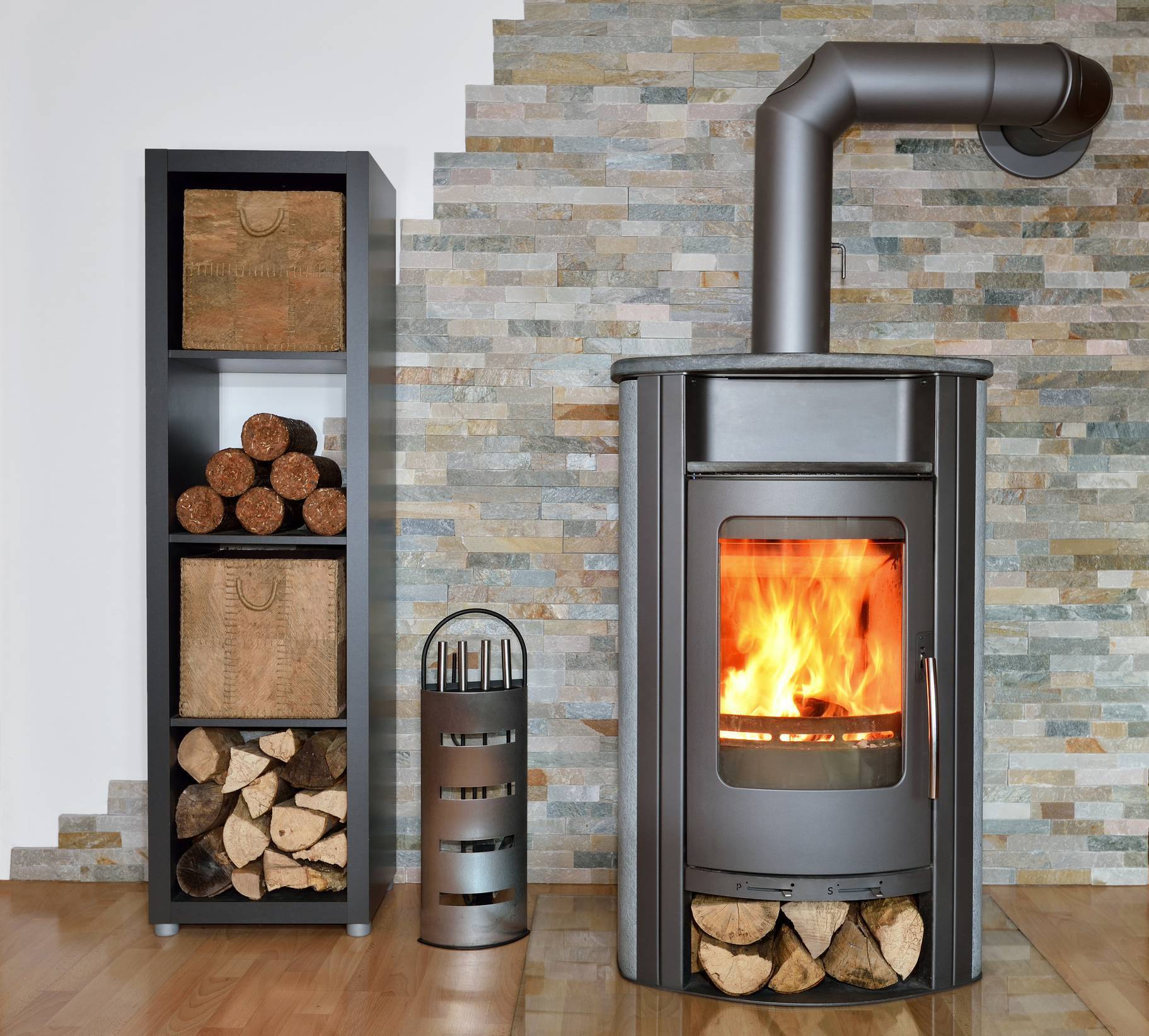
What are the advantages and disadvantages to replacing your fireplace
Building Advice: Changing your fireplace for a more energy-efficient option

Fitting a stove can also negatively affect your BER rating if you opt for a fossil fuel source.

Hi Kieran,

I currently have an open fire with a fireback and fireplace and a standard chimney in my front room.

I am considering changing it to a more energy-efficient option.

I have three options:

1. Insert a stove with new fireplace;

2. Put free-standing stove on a new granite hearth and keep the existing fireplace;

3. Install gas-effect fire (there is a gas supply close by) with a new fireplace.

What are the advantages/disadvantages of the three options and which would be the best option in your opinion?

Also, will I need a soot box installed in the existing chimney breast if I go for option 1 or 2 to clean the chimney?

Thanking you in advance Tony, Raheen, Limerick 

Hi Tony, thanks for your detailed question. It is amazing to be getting a stove query at the beginning of summer.

The whole discussion of stoves is a very interesting one. Believe it or not, in many new builds, people are opting to fit either an electric stove or, indeed, none at all.

The reality here is that, in a new build, your house is so well insulated and airtight that you only need a stove for effect and that if you fit a stove that is too powerful, you will literally need to dump the excess heat generated.

Kieran McCarthy: 'In many new builds, people are opting to fit either an electric stove or, indeed, none at all.'

Fitting a stove can also negatively affect your BER rating if you opt for a fossil fuel source.

With regard to your questions, I am assuming you live in a house built some time ago.

If you are proposing to fit a solid fuel stove, whether you opt for an insert stove or a free-standing one really depends on the styling of your room and your house in general. If you have an old fireplace that you are attached to, an insert stove may very well be the ideal choice.

If, however, your house is quite modern/contemporary, you have more options in terms of what you can do.

You could build a new fire breast in stone, or perhaps even fit a new fireplace. You could fit a new insert stove into either of the above options but, if you are opting for gas or solid fuel, you will need to ensure you have adequate heat and fire resistance behind and surrounding the stove to deal with the very considerable heat emitted. You will also need to ensure adequate ventilation for both options, particularly with a gas stove, which requires a dedicated vent. You will certainly need a detailed design for these works.

A free-standing stove is a little simpler in that there is less cause for concern with regard to its surroundings as it is clear of contact, but the ventilation requirements will still stand. In this instance, it really depends on what look you are going for.

We have fitted free-standing stoves with a column of stone behind and it can still look quite contemporary, but with a warm traditional twist in the stove itself.

Next you need to consider what fuel you use. Electric stoves have really improved in quality of late. They are cost-effective, easy to install and do not require a flue (as there are no emissions). However, unless you invest a considerable sum, they may look a little artificial (because they are).

Gas stoves are very life-like and provide instant heat. They require very little maintenance, but they burn fossil fuel and careful attention needs to be given to their fuel requirements and ventilation.

Solid fuel stoves are quite like gas stoves above, but require more maintenance. You will need to house a steady supply of fuel nearby and, again, you will have the heat and ventilation elements to consider and manage.

One other option is bio-ethanol. It provides a real (bio-ethanol) flame and a level of heat, but does not require excess heat or ventilation management so can provide a great alternative where a chimney breast or flue is not available.

As regards the soot box, these are very rarely fitted anymore. With a solid fuel stove, when you are cleaning the chimney, the flue can be cleaned from underneath through the stove.

The best advice here is to buy a good quality stove where this has all been considered.

The maintenance of a gas-fired stove will be much less in this regard. In any case, I hope the sun shines throughout the summer and we can begin discussions on outdoor patio recreational use and our stoves won’t be needed again until late autumn.

  • Civil engineer Kieran McCarthy is founder and design and build director with KMC Homes. He is a co-presenter of the RTÉ show Cheap Irish Houses.

More in this section

Revoiced

Newsletter

Sign up to the best reads of the week from irishexaminer.com selected just for you.

Cookie Policy Privacy Policy Brand Safety FAQ Help Contact Us Terms and Conditions

© Examiner Echo Group Limited