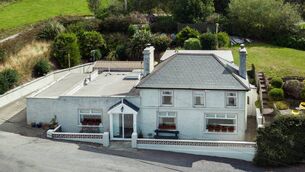
What to consider before converting your attic
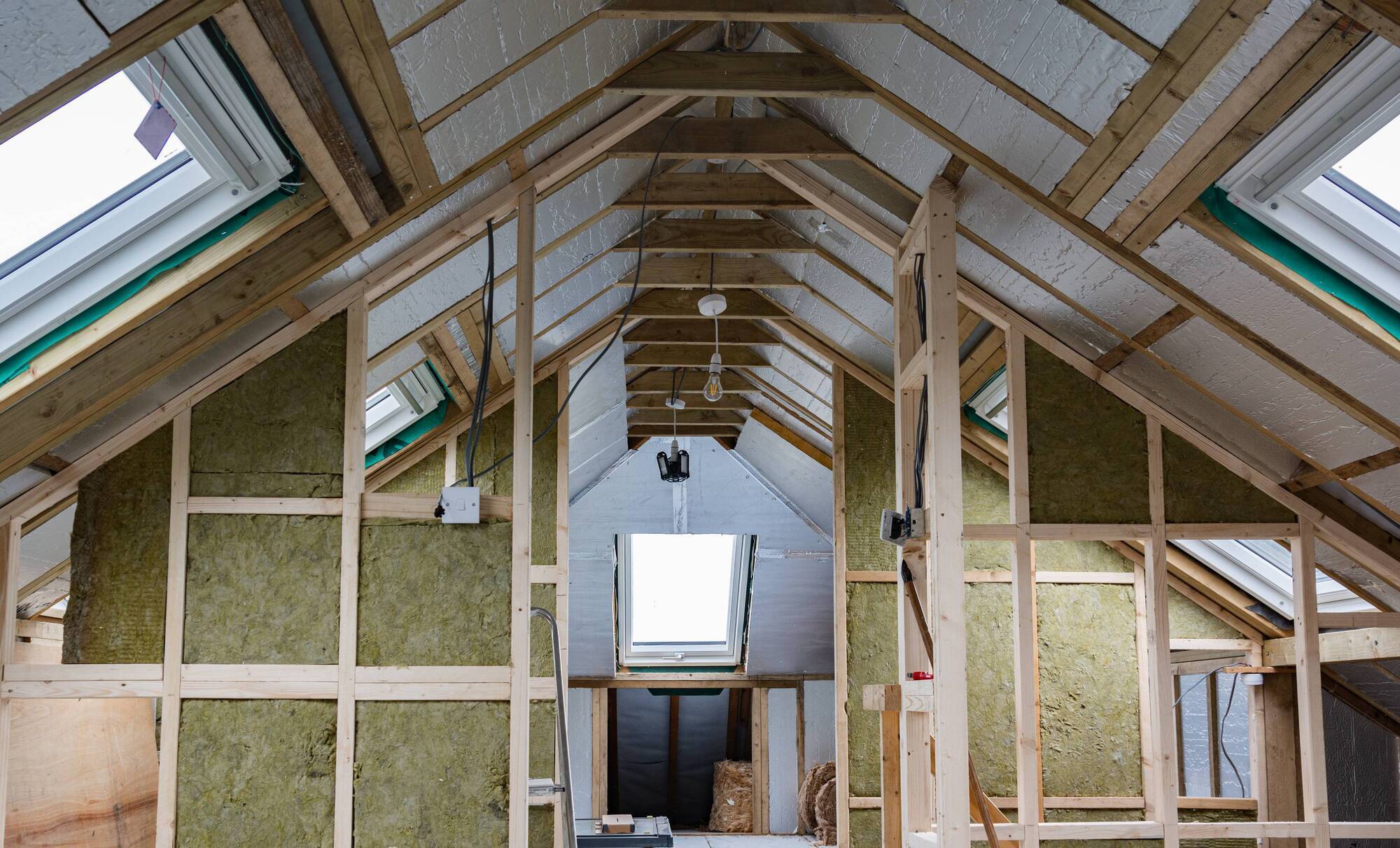
Now that we are all spending more time at home, an attic conversion might be worth considering if a bit more space is desirable.
A. Great questions. Yes, as we are all largely confined to our homes these days, every scrap of usable space is coming into focus. When all other avenues have been considered what comes into play is, of course, the often considerable space in your roof void. Could it be that the answer to all your space issues lies above? Before we answer this question there are a number of key elements that need to be considered.
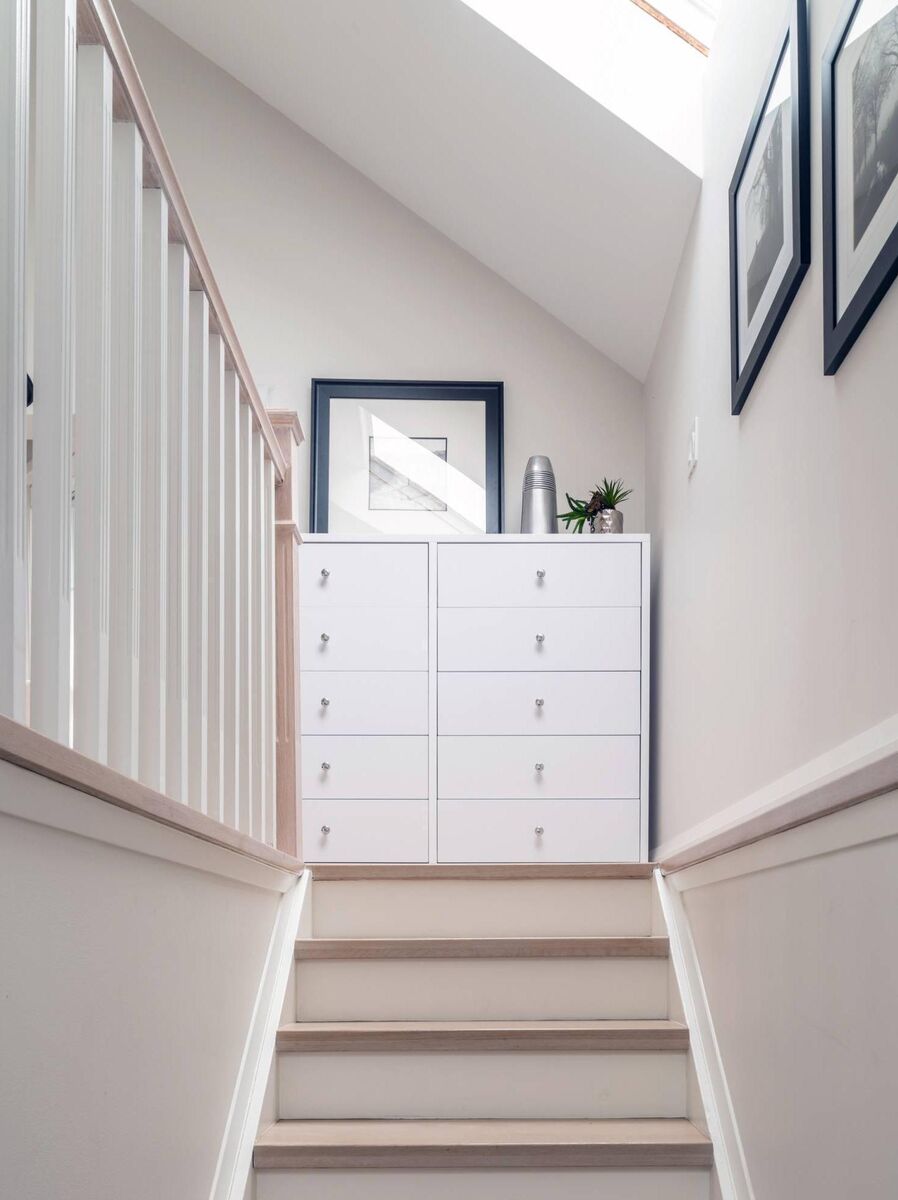
If this space is to be used for storage then a simple attic stairs will do, but if it is to become a home office then you will likely need a more substantial and permanent stairs which will need to arrive at the highest point on the attic (the ridge). Is there enough space to site this stairs?
Try to avoid losing the box bedroom to site a stairs that only releases enough space for another small office in the attic, you’ll have spent a lot of money with no real additional space released at the end. Is the attic structure actually suitable and strong enough to support a conversion?
If your house was built with a ‘cut roof’ where structural timbers were cut on site by roofers to create your roof structure then there is a reasonable chance they are suitable for conversion. It may be that some need to be adjusted to release space and a doubling up or upgrade on the floor joists but ask an engineer for advice here. If, however, your roof was built using trusses, which are prefabricated triangular roofing sections, these are much harder to work with and may not, in fact, lend themselves to conversion. Unfortunately, many new houses employ this technique.
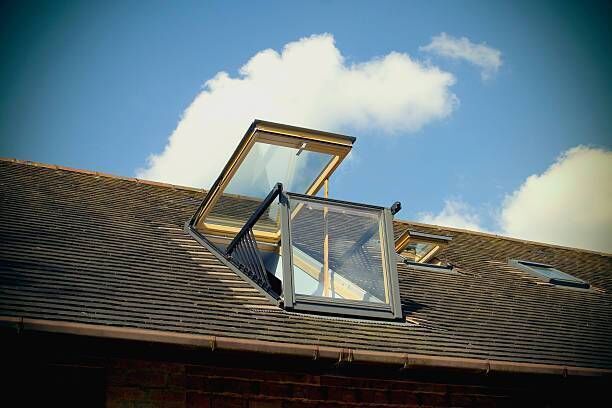
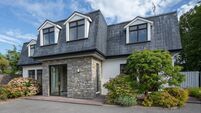
Depending on the future use of your attic, access to daylight may become very important, particularly for reading during the day in a home office. You may add roof-light type windows to the rear elevation of your home but any changes to the front elevation will require planning permission. If you are proposing to add roof lights to a southerly roof elevation, bear in mind that a south-facing roof elevation may become a premium asset later if you consider adding photovoltaic solar panels to your roof to generate electricity.
Insulating an attic is tricky as now you are mixing the insulation from the floor to the walls and ceiling above. This will certainly need expert attention to ensure you adequately insulate and ventilate this space. Electrics are relatively straightforward but the addition of plumbing is where things get more complicated. Adding a radiator is relatively simple but water and, in particular, drainage (plumbing a sink/toilet) will need much thought and the advice of an experienced plumber. All drains need to meet your existing drainage system and again proper venting of these new drains is essential.
Never a very exciting topic but seek advice on what regulations need to be adhered to when adding an attic conversion. For example, if you are converting an attic of a two-storey house you are opening the door on a variety of further fire regulations to ensure safe escape from this third floor in the case of a fire. This may involve changing your existing doors to fire doors and other such fire restriction measures. Seek advice from an engineer before you engage in builders in this regard.
In my experience, it is mostly older homes (or newer homes that were designed with attic conversion in mind) that work and offer valuable space in the roof void. Avoid just asking a builder to convert your attic without getting design advice beforehand. Many of the attic conversions of the past offer little or no value and indeed may detract from the overall resale value of your cherished home.
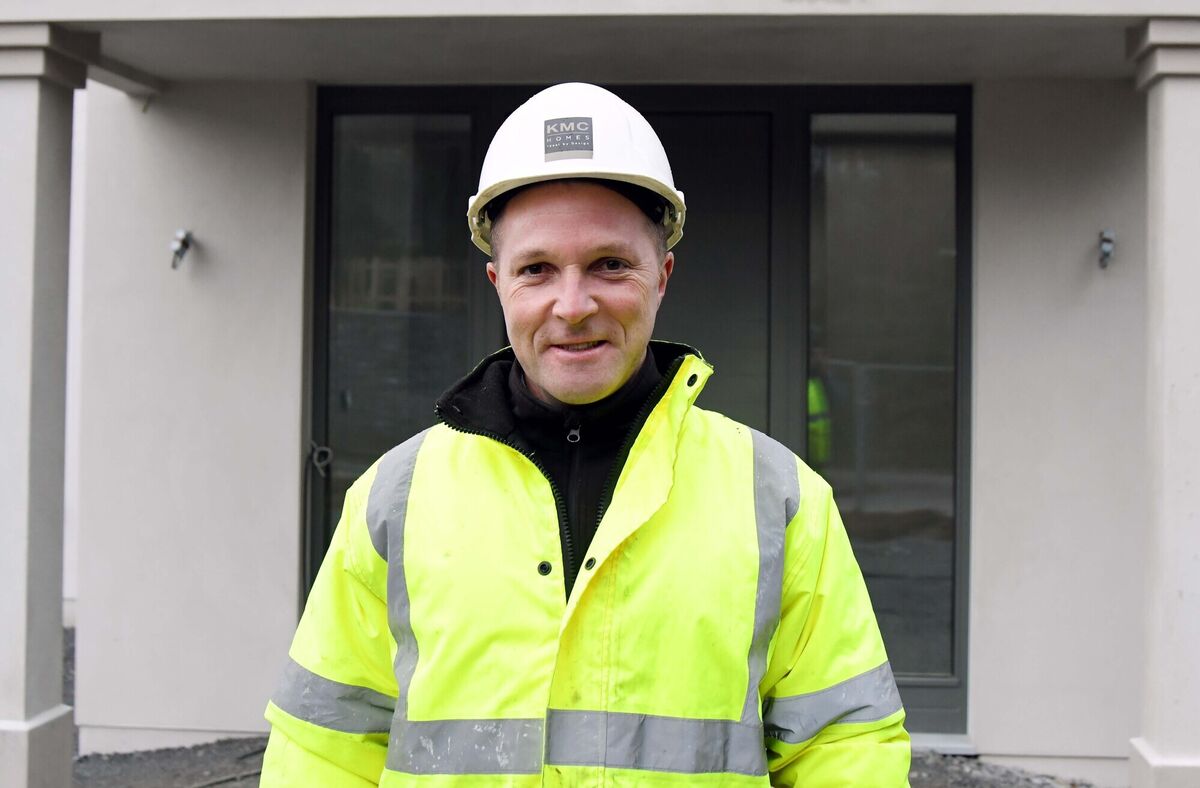
- Kieran McCarthy is a founder director of Design and Build firm KMC Homes, and co-presents RTE's .

CONNECT WITH US TODAY



Be the first to know the latest news and updates