How a boy from Coolock became California's star architect
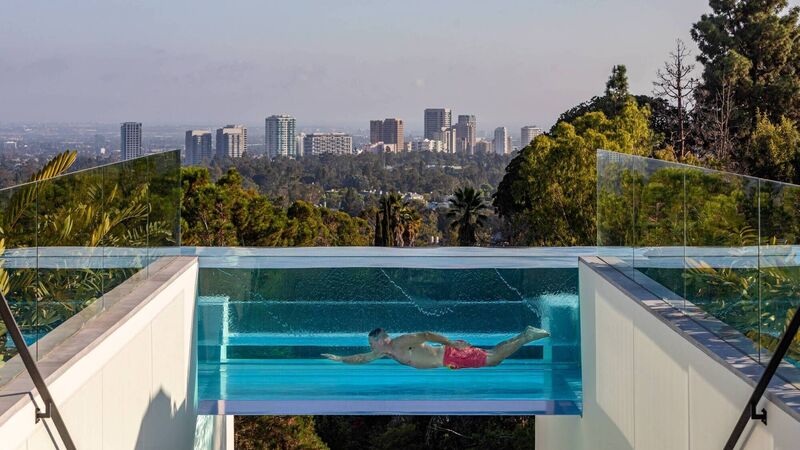
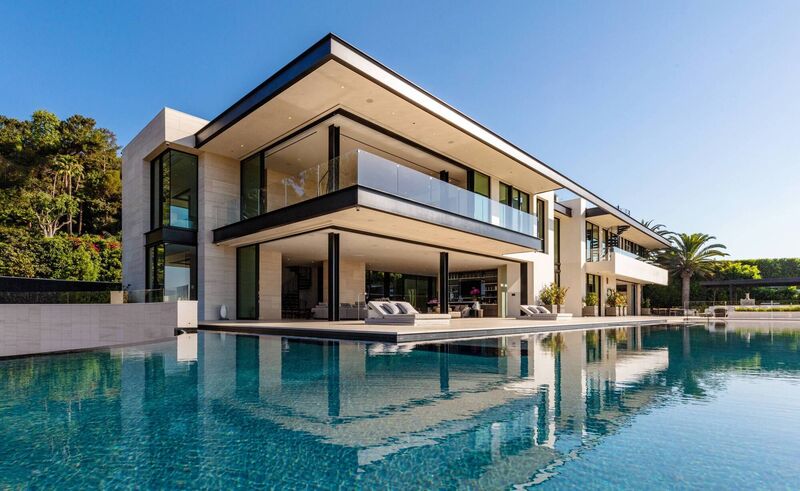
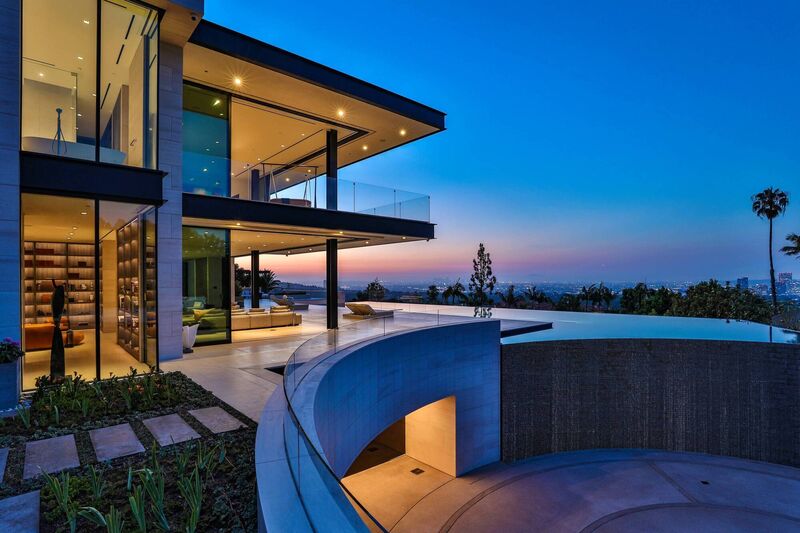
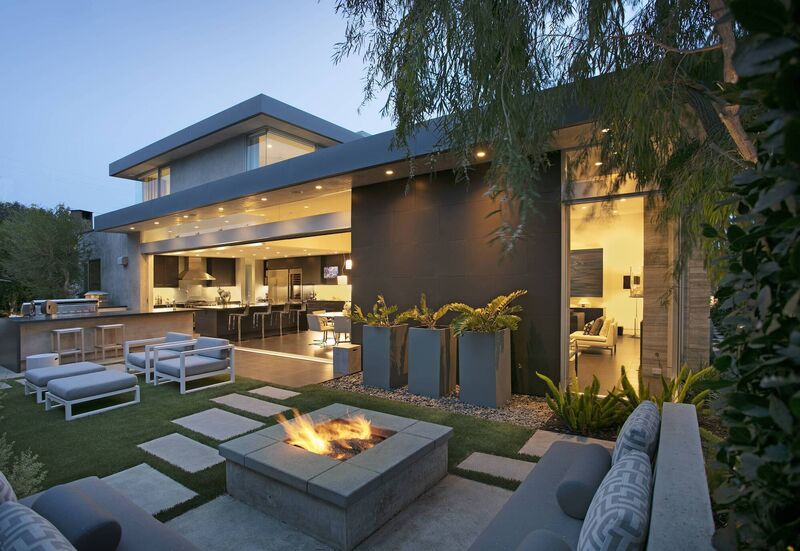
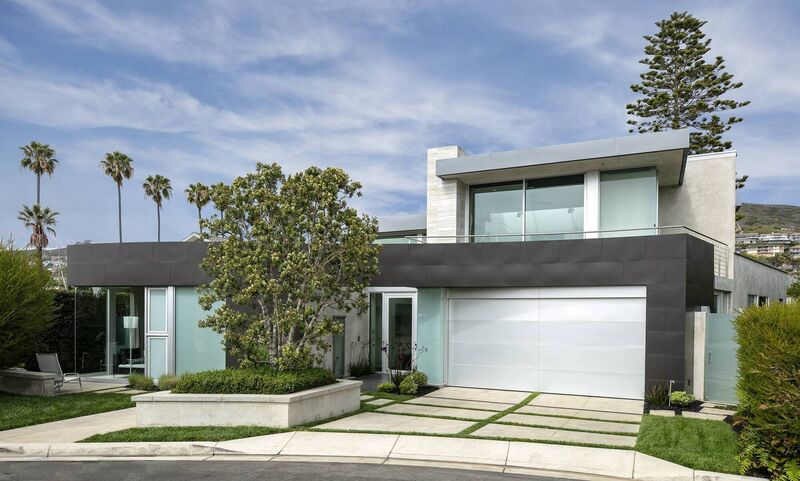
Tower Grove, Beverly Hills, a signature McClean design, dissolving the barrier between indoors and outdoors. Picture: Simon Berlyn
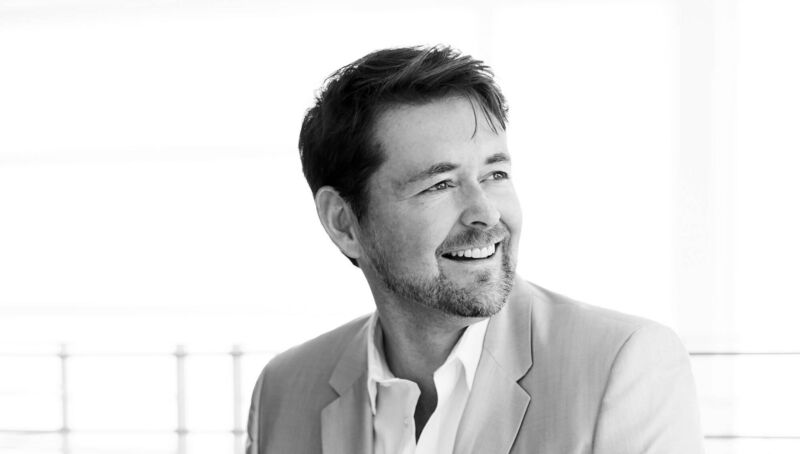
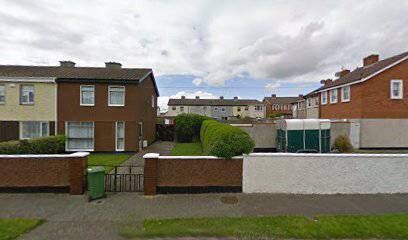
PAUL McClean, “architect to the stars” and southern California’s “unofficial McMansion king” has always been drawn to light and glass. His earliest memories are of sitting between the net curtains and the big glass window of his Dublin council house front room, playing with Lego sets and drawing.
That window was his favourite feature in their mid-70s home in Ferrycarrig Park, Coolock, and he carried his fascination with light, and with panes and planes of glass, into his workplace.
“It was a lovely big window in the front room. It filled up most of the wall... and the light was wonderful there. I can still remember sitting in front of the net curtains when I was very little, playing with the Lego sets — it was always Lego — and drawing.”
That drawing took a very specific form. In school in art class, when he was supposed to be sketching still life, he’d get caught drawing houses instead.
“I remember getting into trouble for drawing houses all the time and not drawing still lives and the art teacher saying, 'Well at least you are drawing something.'”
Given his obvious passion for architecture, did his teachers recognise his talent?
“Not really,” he says, although he has nothing but praise for his teachers at St David’s in Artane.
“My father died a long time ago and, even though I’d been out of primary school maybe 20 years, all of the teachers still came to the funeral — I felt very fortunate. Even though we had a very modest upbringing, I felt a lot of love and support along the way.”
The 52-year-old recalls that, when he was 14 or 15, the headmaster, Brother Crowe, arranged, unbidden, for him to do an internship with an architect.
“He just came up to me one day and said, 'By the way, I got you an internship with the architect who’s working on the extension to the school.'
“That led to another architect who gave me another internship so, by the time I got to architecture school at Bolton St, I had a bit of a flavour of it already.”
Did he stand out from his classmates in Bolton St?
“Naw, not at all; I still don’t stand out,” he laughs.
A series of internships during his Bolton St education included working in Cambridge, in London and in Sydney, Australia, but also closer to home, for the Office of Public Works (OPW).
“I did a summer internship there after my third year in college, before I went to Australia, and I loved it. I got to work in the national monuments section. I got to use my sketching ability and I got to measure and survey old buildings that sometimes had been forgotten.
“There’s so much in Ireland like that; you go down a lane and you find something buried there, a half castle from God knows when.
“It was the late '80s/early '90s. Money was starting to come in and they were starting to document stuff and record it, and thinking about restoring things. I was just there for a short while, but I loved it.”
His final-year internship was with Dublin-based international architectural firm McCullough Mulvin [Mardyke Pavilion extension in Cork and Crow’s Nest student accommodation in Victoria Cross]. The firm was working on the redevelopment of Temple Bar at the time.
“I was able to help during my year there, working on the models for the music centre and the curved street in the middle of Temple Bar, working under Valerie Mulvin and Niall McCullough [a husband-and-wife team] and they were fantastic, really fantastic mentors.”
The respect was mutual. In her foreword to Philip Jodidio’s 2019 book , Valerie recalls Paul’s talent from 30 years ago, describing him as a “brilliant model maker” who would listen carefully, and work and re-work pieces obsessively.
Paul’s ability to listen, his eye for detail and his brilliance with paper and pencil — “I still sketch everyday in my notebook... I think that, when I was starting my firm, the fact that I could draw with perspective, 3D drawings, is how I sold my ideas” — were key to the launch of a successful career. After graduating in 1994, he headed for southern California, following an invitation from friends, but also seizing the opportunity to follow in the footsteps of his modernist architectural heroes, Richard Neutra, Frank Lloyd Wright, Rudolph Schindler and Albert Frey.
“When I went to college and studied more, I loved the mid-century modern work in California. There was such a flourishing of that after the Second World War and some amazing architects were working here. And I loved the whole case study programme.”
The latter was the brainchild of magazine editor John Entenza, who in 1945 invited architects to design unapologetically “modernist” homes for post-war America. It was highly successful and ran until 1966, with 36 houses designed, all glass and steel, and posts and beams, most of which are now on the National Register of Historic Places and whose design continues to be reflected in the work of contemporary architects such as Paul’s.
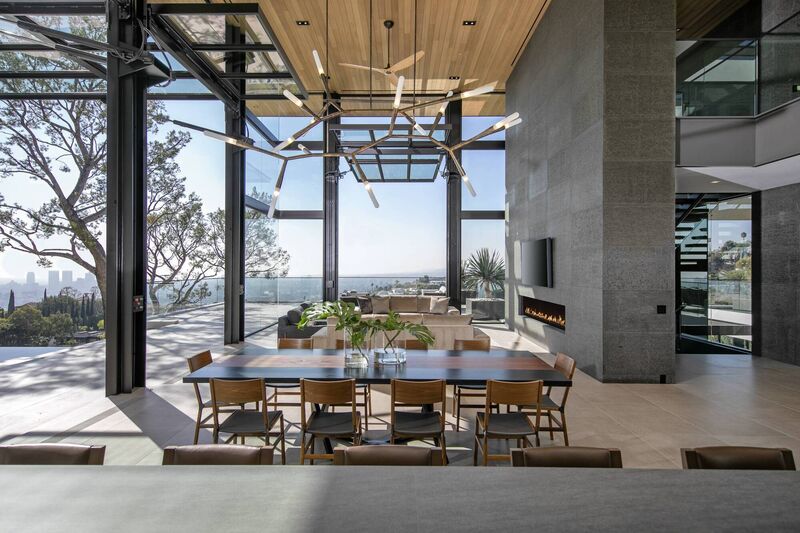
“There were so many fantastic pieces of modern architecture [in the case study programme] and they were relatively accessible size wise, scale wise. It’s hard to imagine when you’ve grown up in Ireland in a terraced house but, at the same time, they looked like homes people could aspire to and they were supposed to be, a lot of them, not just necessarily for wealthy people.
“So that was my big inspiration and that was a big part of me coming to California, to try to check them out.”
Paul worked in a couple of jobs before going to work with Horst Architects, which in some respects was the making of him. He’d make presentations on behalf of clients to the local design review board, where he earned a reputation for steering projects through a tricky approval process. His successes attracted enough clients for him to strike out on his own.
“Having an Irish accent definitely helped, so I got a bit of a reputation from talking in front of the committees. It’s a negotiation process; you negotiate with the neighbours on how tall the buildings are, what colour they are... If people were thinking of building something in town, they would go listen to the hearings.
“And I was standing up there talking and I’d get approached afterwards by people who had projects and wanted to talk to me, so that’s how we started the business.”
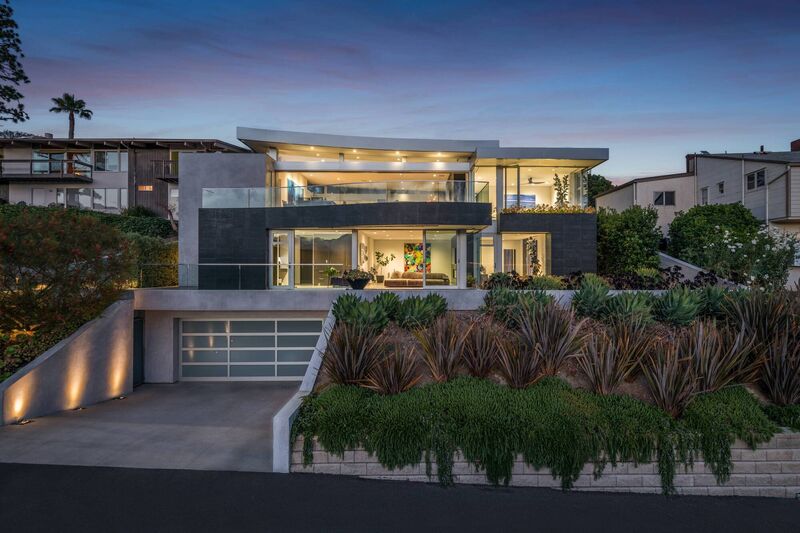
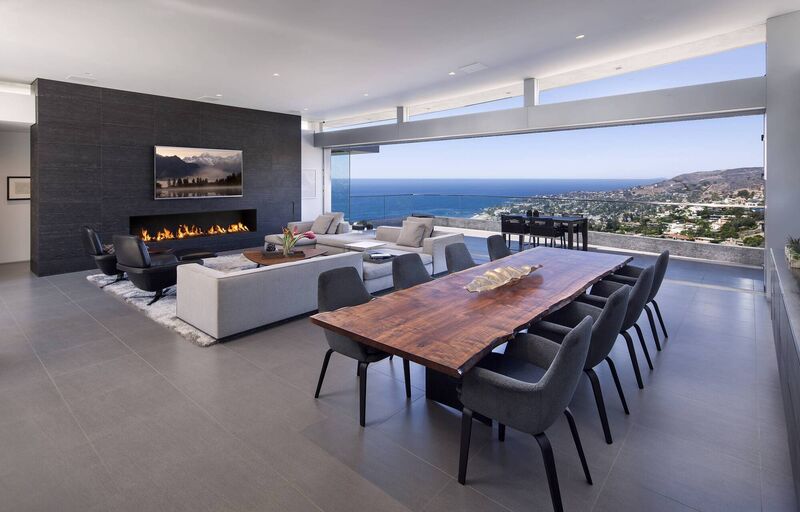
McClean Design was born in a garage. (It’s now in an office).
“I think, if you are going to design homes, you really have to be interested in people because you are going to spend a lot of time talking to people who start off as strangers and asking them the intimate details of how they live. So you have to be open to that and willing to listen.
“It’s fascinating too because we meet so many interesting people. Obviously people are designing homes when they are in a good part of their life, it’s not something you do when things are falling apart, and we get to hear all the fascinating stories of how they became successful and how that influenced their lives, and we try to work that into our architecture to suit them as best we can.”
Among the homes he has worked on for the tremendously successful are those of Beyonce and husband Jay-Z (“I really can’t talk about them, we worked on their house”), the Winklevoss brothers (who sued Mark Zuckerberg of Facebook), fashion designer Calvin Klein and Irish property investor Paddy McKillen, who commissioned Paul to design two homes in Laguna Beach, plus five others for himself and family in LA.
However, the house that really put him on the map was his project on Blue Jay Way (a street immortalised by the Beatles), on a spectacular site above Sunset Strip in the Hollywood Hills, which he did for a client, who had to sell up after the economic crash. The 7,000 sq ft house was bought by the late Swedish DJ Avicii in 2013 for €12.8m and “it got us a lot of attention”, Paul says. "It sold for a lot of money and that sort of bolstered our reputation and things grew from there.”
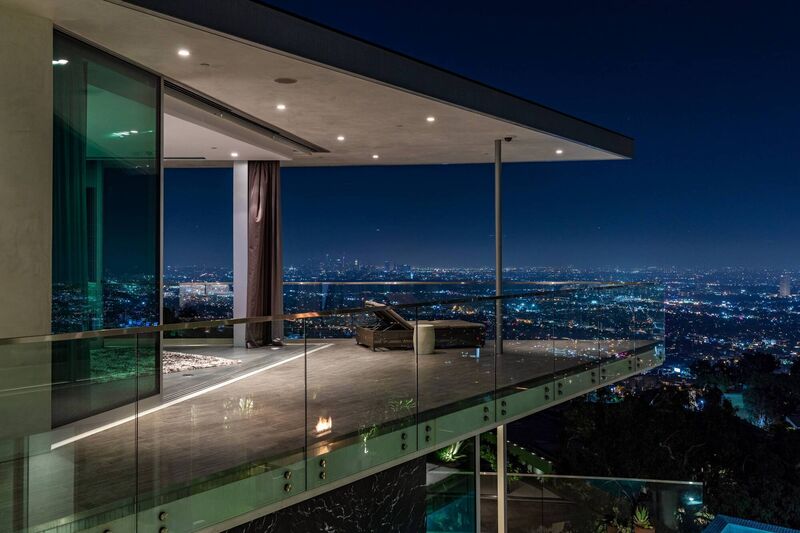
Of Avicii, Paul says: “He was a really amazing person, lovely to work with, one of the nicest people that I’ve ever met. I’m really sad that he died.”
They started doing some development projects during the recession, including working with Nile Niami, a developer and independent film producer ( with Steven Seagal). The biggest of the Niami projects was in Bel Air, west of the Hollywood Hills, with 100,000 sq ft of living space (almost twice the size of the White House) and 360° views. Glass walls, decks, a pool where swimmers look as though they’re in an aquarium, a hair and nail salon, a massage room and a two-storey waterfall are among the luxuries that contribute to this house being nicknamed ‘The One’ by its owner, who has also claimed it is worth $500m (€412m).
“I don’t know if it’s the world’s most expensive house, but it’s definitely one of the biggest houses in the world and he’s still working on it,” Paul says.
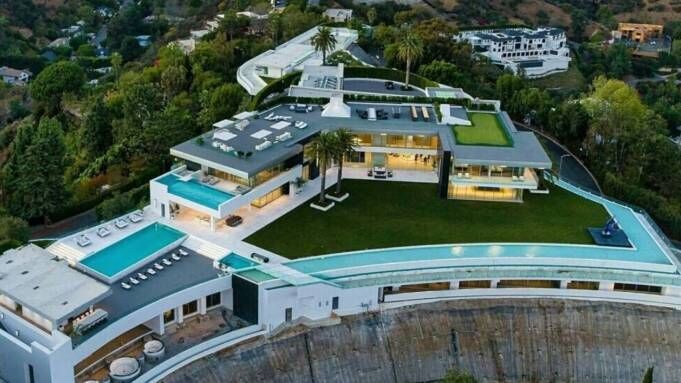
'The One' appeared last month on US real estate website dirt.com, with a rumored price tag of $340m. That's double the most expensive home transaction in Californian history, the $165m paid by Amazon founder Jeff Bezos (who is also one of the world's richest men) last April for movie and music producer David Geffen’s 8-acre Beverly Hills estate. It includes five outdoor infinity swimming pools and an indoor Olympic-size pool, a 50-car garage, a skydeck with putting green and a nightclub. Plans for a room dedicated to tanks of live jellyfish were scrapped.
Regardless of cost, Paul says clients have the same worries — time and money.
“It doesn’t matter what your budget is. It could be $50,000 or $100m, but everyone is conscious that they want to be in budget and they want things to turn out the way they hoped,” he says.
But does McClean Design actually do anything for $50,000?
“Not really,” Paul says.
“The problem in California is that land costs are extremely high, kind of like in Dublin. When the price of land is super high, the price of everything is high.
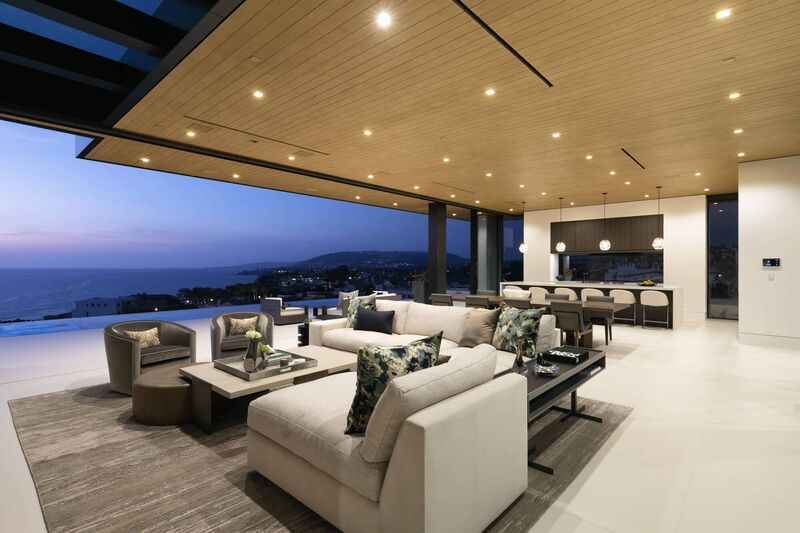
“Houses are generally very expensive to build here, but the smallest houses we do in our office are about 2,000 sq ft and they go up from there up to really large houses.”
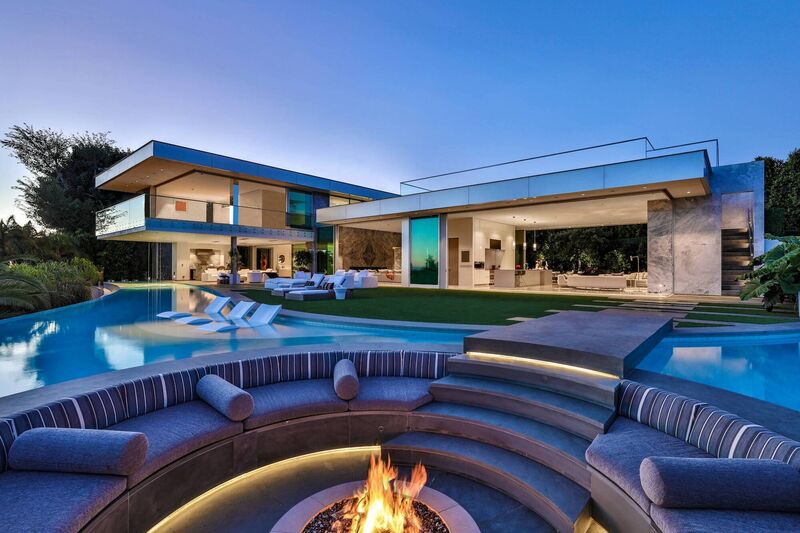
He says their real focus at the firm “has always been to work with homeowners; people who want to build a house for their families.”
Has he ever designed a home for a family member in Ireland and what’s his favourite building here?
Busáras is the answer to the second question: “It was so different and modern when I was growing up.”
In relation to designing for family (his Mum moved from Coolock to Carrick-on-Shannon) he says: “I’d love to do a house in Ireland. I’ve never done one. I came close a couple of times. We are doing one right now just outside London in Surrey and that’s almost home.
“I mean, if you think of Ireland and the countryside and particularly down in Cork, it’s so achingly beautiful. And it would be just amazing to be living in a beautiful modern home, if you could get it past the county council. To be looking out at the sky and sea and landscape would be poetry itself.”
What about his own family home in California?
“We really wanted to live in a house that was close to nature — that to me is the heart of all our homes — so we made sure every room in the house could look out on to the garden and the view and that it was private. They were the things that were really driving it,” he says.
“For me, it’s all about nature; it doesn't really matter where you are.”
So as he’s a designer to the stars, what’s his net worth?
“I’m paying the mortgage, let’s leave it at that,” he laughs.
CONNECT WITH US TODAY



Be the first to know the latest news and updates