Breaking out some extra space in your bungalow
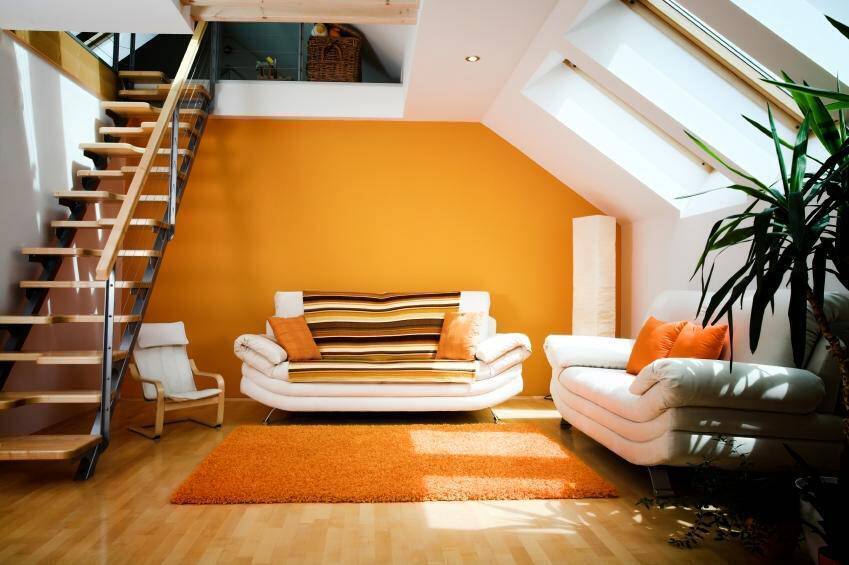
Many times you see people add an attic conversion only to lose a room below to accommodate the stairs.
I'm writing in reference to your article dated 18th Dec. We are in this predicament currently.
We bought our house almost three years ago and moved in in Oct 2018. The house was a bungalow built in the 1970s and needed work. We had to gut it and redo the plumbing, the wiring, the flooring, insulate it...the basics. We did make some structural changes like take down a wall between dining room and kitchen. Create a utility room out of a toilet off the kitchen but nothing major.
We've been in the house now for two years and realise that we completely took our eye off the ball. We should have put more time into thinking how we would use the space and sought advice in this from experts. Our immediate problem now is we need or will need a second living space which I could also use as an office. We are considering an attic conversion but we are so cautious of compounding our mistakes and creating a space which wouldn't meet our requirements that we have kind of hit an impasse.
I am writing this in the hope that you can provide advice on how to approach this and steps for how to properly access the best solution for our needs. I would also appreciate if you could provide us with contact details of people/companies who could support us with it.

Thank you for your letter. I certainly appreciate your predicament. In fact, I remember when we were putting the final touches to our house design, my wife too was heavily pregnant with our first child and I still hear that there aren't enough sockets in the hall!
Clearly, I am not familiar with your house but I do have a general sense of the design dilemmas you face. Given that you have already spent some money on renovation works in the past you will clearly need to ensure that any new works will drive value for you and your young family. The good news however is that you are now very focused on what is important to you so I feel you will make very informed decisions this time around.
One thing I noted is that you clearly have young children and your utility room was created by remodelling a downstairs bathroom. Whilst there is a value in this in that this space will have the benefit of water and drain services I feel that given that it was formerly a WC it may be quite small for your needs. It may be that a large utility room may in fact take a lot of pressure off your kitchen dining area which of course is one of the key areas for family life.
I am always a little cautious when discussing attic conversions. Again people assume that as there is space in their attic created by the roof, it may be expensive to insulate and fit-out this space.
One of the first things you need to have checked is whether it is a ‘cut roof’ or a trussed roof. A cut roof has been built using loose timbers from a local building supplier and a trussed roof is a series of prefabricated triangular roof supporting structures which are designed differently and much thinner. It is much easier to convert a cut roof as they tend to be more adaptable and there is usually less strut support timbers in the way of the central space.
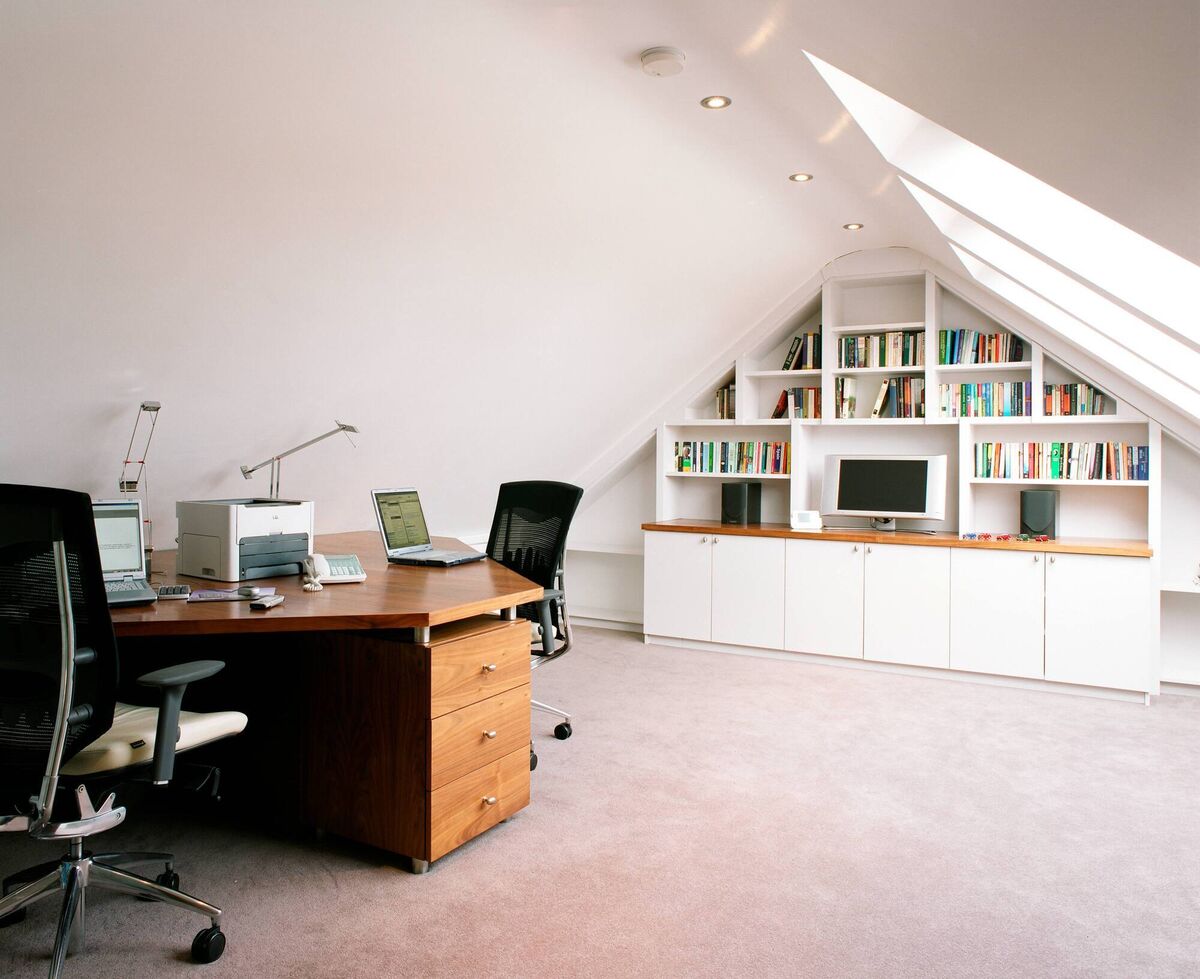
Another key element you need to consider is how you access this space. (How many times have you seen people add an attic conversion only to lose a room below to accommodate the stairs?).
You also need to be sure that this attic space will conform to building regulations, particularly in terms of ceiling height and indeed fire escape. Many people don't realise that if you convert an attic in a two-storey house there are a myriad of further fire regulations you need to adhere to. Though this is not likely a key issue in your bungalow you will still need to ensure you have an adequate means of escape from this space. An engineer can help you with this element.
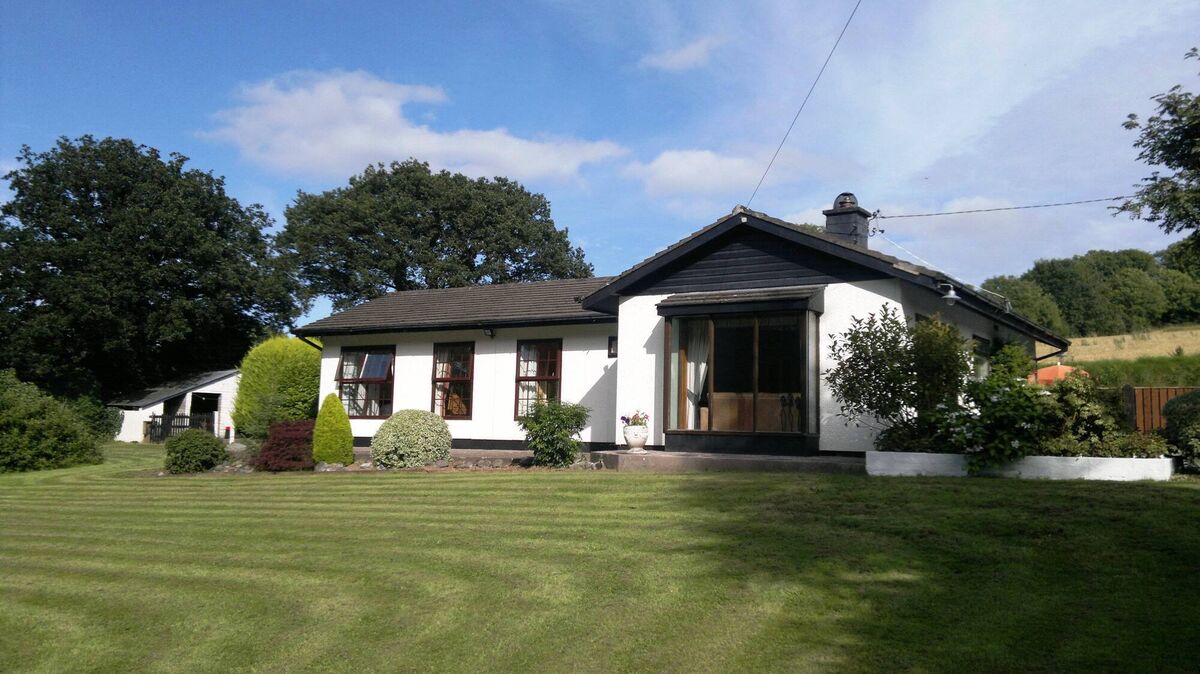
From a spatial point of view you also need to be sure that this room and where it is will actually work for you and add value. I would have less concern with a home office but are you happy to be heading upstairs to go to the living room?
I do feel that when you consider the quality of space achieved and the value-added that an extension may very well provide a better space.
Again not having seen your house it may be that an extension, if orientated correctly, may allow you to add some high-quality living space connecting to afternoon or evening light and flow into the garden.
When bungalows were ‘designed’ in the 1970’s these were not key design considerations so it may be that there in an opportunity here if your budget allows. It may also be that during this rethink that you could double-check on the size of your utility/laundry space also.
CONNECT WITH US TODAY



Be the first to know the latest news and updates