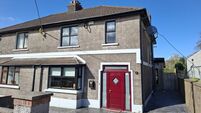
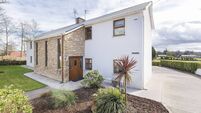
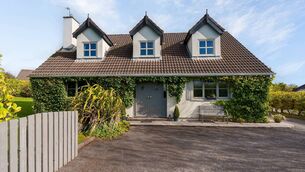
Thinking big: Bumper New Year in Country Homes sales may be on cards given deals already in train
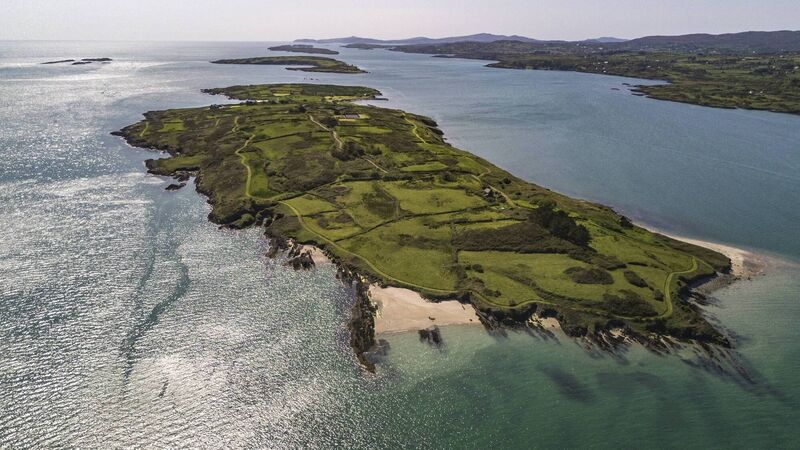
As exclusively reported in the Irish Examiner in summer, Horse Island in West Cork's Roaringwater Bay sold for €5.5m to an overseas buyer who bought it 'sight unseen' due to Covid-19 travel restrictions
2020 was a year like no other. The global pandemic brought a level of disruption not witnessed since the last World War with lock-downs and travel restrictions of some sort in force for most of the year.
With the human cost along with the massive damage to employment and the economy, it is hugely surprising that all sectors of the property market have proved so resilient with the country market finishing the year on a high.
Large properties with their own grounds and plenty of accommodation were in demand as both Irish and foreign buyers sought to find a place in the country. Irish nationals abroad living in cities felt the pull of home and open green spaces. A combination of wary vendors helping to produce few new entrants to the market coupled with the novel concept of negative-interest on large cash deposits, produced a spike in activity over the summer with the end of the first lock-down. Many properties found more than one bidder with competition ensuing. Brexit burnout was evident; that unpleasantness could wait for another day.
Although the year will show fewer sale completions there are indications, with many properties currently under offer, that 2021 could produce a bumper year. There are a good half-dozen €2 million plus sales in the pipeline in Munster alone. Agents are agreed that this one of their busiest years since the bust of 2006 with most reporting a shortage of instructions as the year closes.
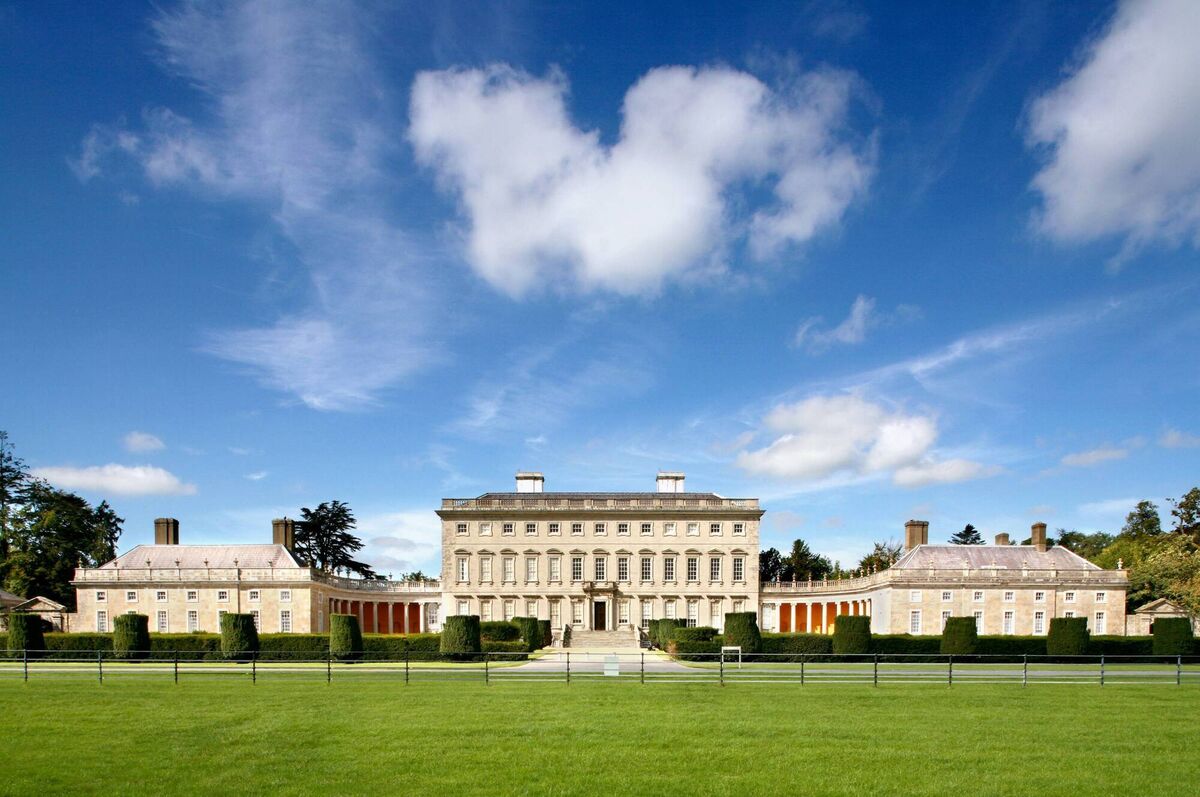
The year produced no outstanding highlight on a par with last year's sales of Luggala and Castletown at €20 million plus. Corbalton Hall in Co. Meath with 360 acres sold, appearing on the price register at €4.45 million. Owned by Pat McDonagh of Riverdeep, it had been withdrawn from auction in 2019 at €9.5 million but with the land not included in the register, it is believed to have fetched not far from this figure.
Perhaps the lock-down sale by WhatsApp of Horse Island in Roaringwater Bay for €5.5 million to a foreign buyer ‘sight unseen’ best sums up this remarkable year. It is believed that two or more parties chased the property with the same scenario occurring with An Culu in Kenmare sold at reportedly close to €4.5 million; the property had been on the market for some 13 years.
‘Beef baron’ Larry Goodman’s Braganstown Estate in Co Louth with 850 acres caused interest when it appeared on the price register in March with speculation that the entire property might be worth in excess of €10 million. It is believed to have sold to a family member. Likewise, the auction of some of the effects and contents of Castlehyde, Fermoy generated rumours of a sale in autumn. Whether owner Michael Flatley is moving on or simply clearing out remains to be seen; it was reported that the dancer had turned down a bid of €20 million for the property during the year from an hotel operator.
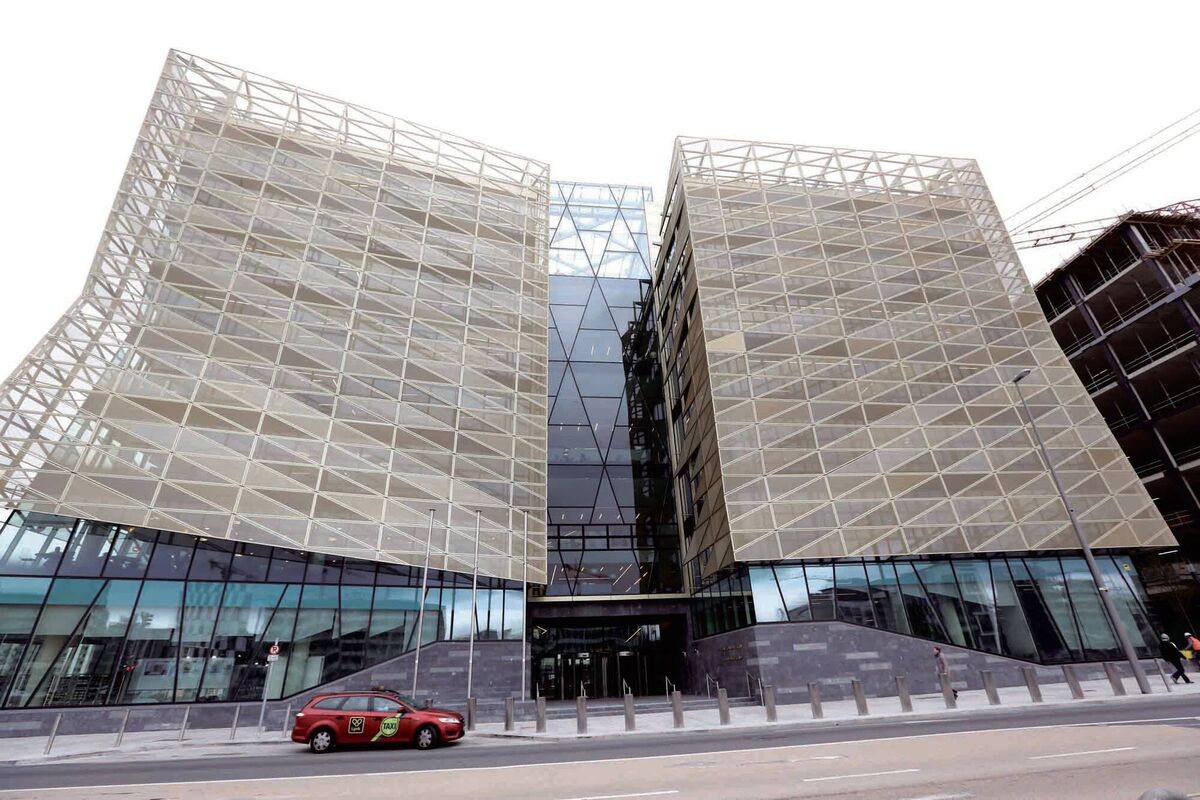
The year saw records set with savings soaring during the pandemic and Central Bank figures showing a record €123 billion on deposit in October. Coupled to record low interest returns and a drift into negative interest rates there was now a powerful incentive for those holding large sums in cash to invest in property. It is probable that we are entering into a low interest climate that will endure for some time with significant capital sums held in the bank eroding at almost 1% interest per annum.
Obvious alternatives are property or the stock market with the property market seen as the less risky. A return to positive interest may be a long time coming where the massive quantitative easing program of the last decade has failed to generate inflation. The Japanese experience may be relevant with a 20 year history of zero interest and where it took many years to sink in that low interest were here to stay.
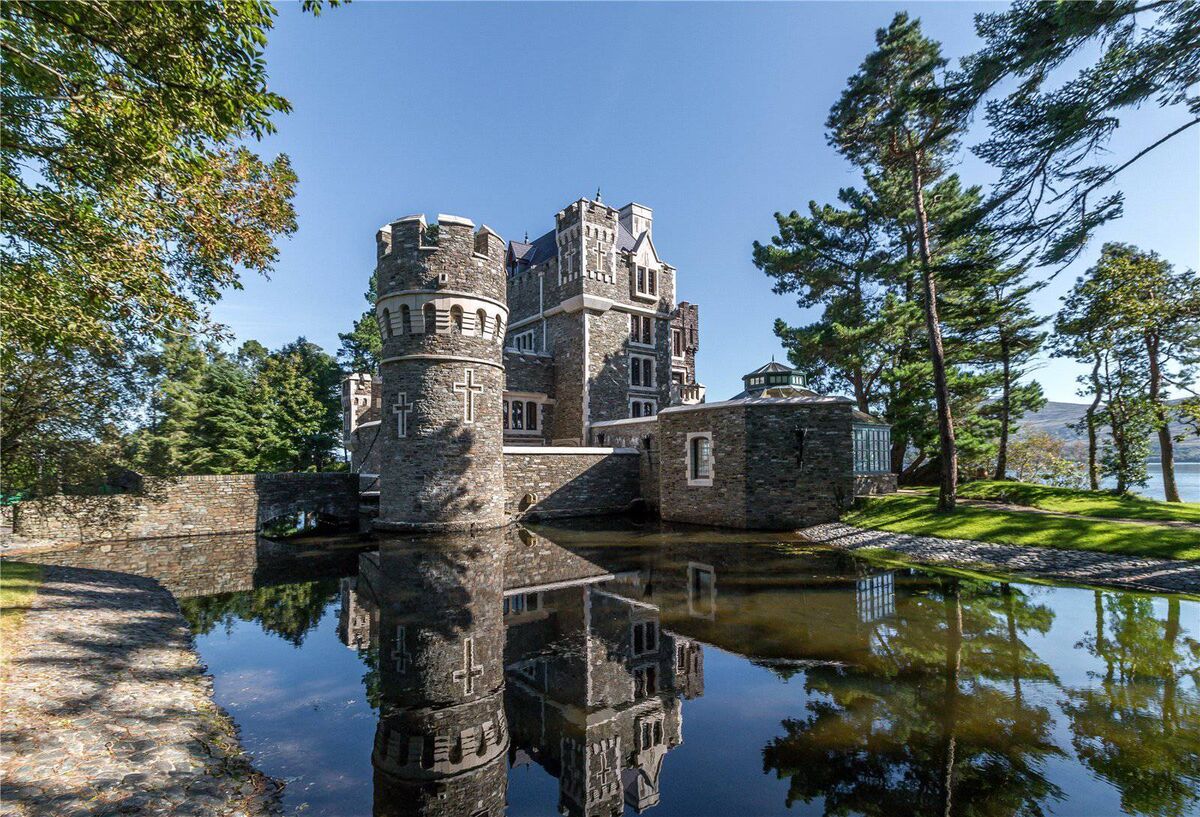
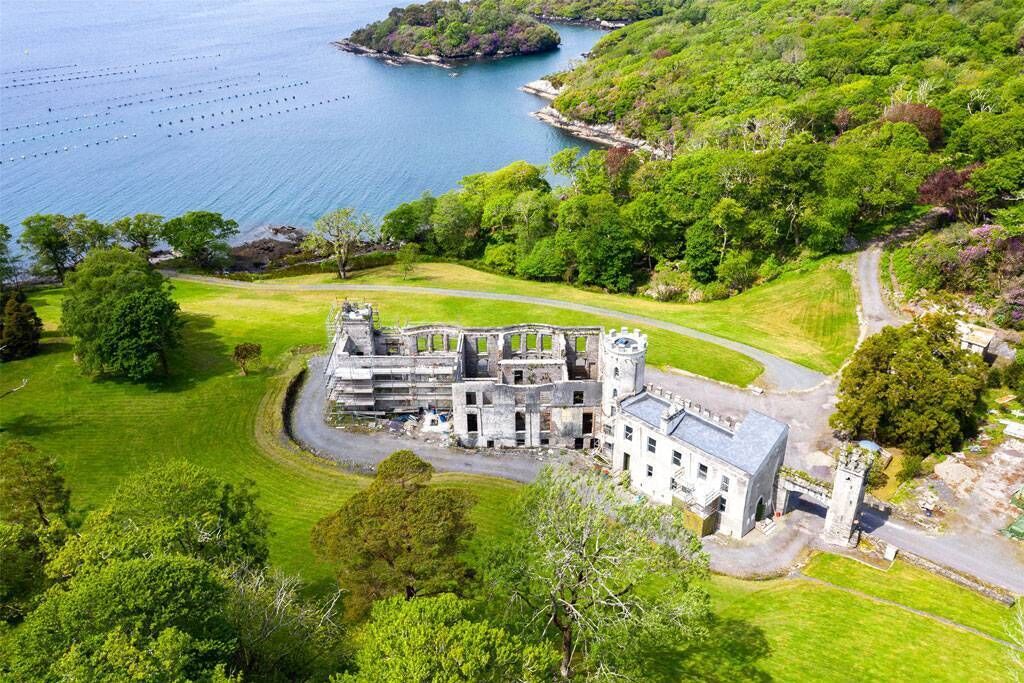
In Cork, west Cork again proved its appeal with the sale of Horse Island at a reported €5.5 million and Glengariff Castle at €2.75 million. The Old Grainstore, Baltimore fetched around €1.4 million and Rockfort House, Innishannon around the €1m mark. Actor Saoirse Ronan was reported as purchasing a coastal property at Ballydehob at around €800,000.
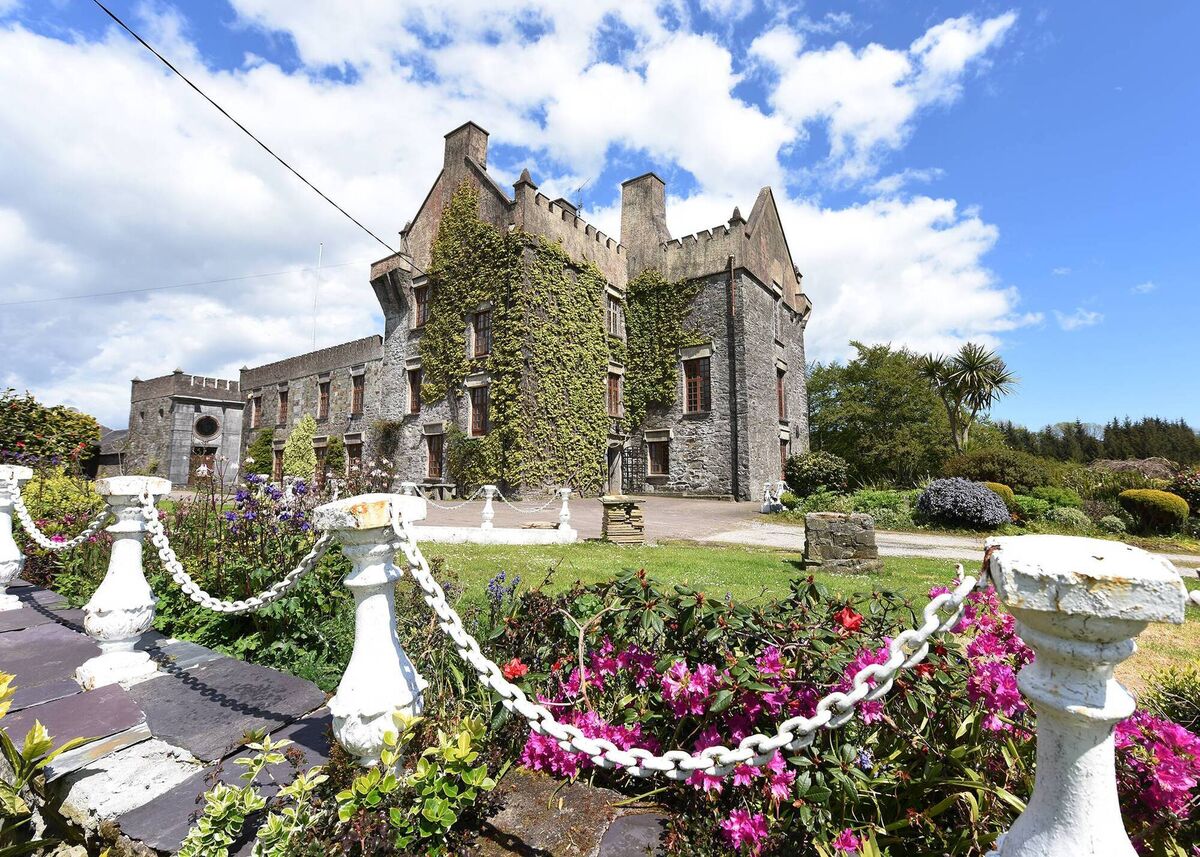
Elsewhere in the county sales recorded included Glebe House, Shanagarry at €840,000 and Ballea Castle at €800,000. New to the market were Oakgrove, Carrigadrohid €2.35 million and Stone Hall, Glandore at €3.80 million.
Around Munster, in Kerry the sale of An Culu was reported closed at €4.5m with Callinfercy Stud Miltown recorded at €900,000 and Bun Na Speir at Caragh Lake making €715,000. In Waterford, Whitechurch House, Cappoquin made in excess of € 1.50 million while Ballyrafter House in Lismore entered the market at €1.15 million. In Tipperary Sopwell Hall, Ballingarry arrived on the market at €8.5 million with 300 acres. Right on the border with Kilkenny,
Castletown Demesne finally entered the register at €12.5m; although with its 500 acres added, the total sale price was believed to be in excess of €20 million.
Looking ahead to 2021, the shape and rate of Covid spread will determine much. If the roll-out of vaccines can arrest its spread and bring hope that the tide is turning there will a huge human and economic boost that the pandemic can be managed and controlled. Emergency State spending will reduce and an apparent wall of savings, larger than the old SSIA scheme, may begin to release into the economy.
There is, on the face of it, good news with a Biden White House on the horizon, with Ireland’s profile sure to benefit. However, although the US approach to trade is not expected to change (excepting fewer toxic Trumpian trade spats), it would be no surprise if Biden were to introduce tax breaks to encourage US companies to bring home jobs from abroad. We are particularly vulnerable here.
Brexit, like a stone in the shoe or an inexplicably long hangover, loomed large, with the very worst outcome, a no-deal crash out just avoided as 2020 ended, and as negotiations came out of the ‘tunnel’. Avoiding this scenario was vital, as a no-deal would have knocked three percentage points off economic growth next year according to the Department of Finance and twice that in the longer term, according to the Irish Fiscal Advisory Council.
On a positive note however, according to Ibec our 'resilient' economy will be among the best- performing in the western world this year with GDP growth of 0.8 per cent, before accelerating to an export-driven growth of 5.3 per cent in 2021.
____________________________________________________________________ Michael Daniels is a Fellow of the SCSI and RICS and principal of Michael H. Daniels & Co., country property specialists based in Fermoy, Co Cork. 2021 will mark the firm’s 25th anniversary.
www.michaelhdaniels.com


CONNECT WITH US TODAY



Be the first to know the latest news and updates