Legendary Belvelly House has a stout history and a castle as neighbour
Belvelly Better
LIKE a baby born with dimples, Belvelly House has a heart-warming charm.
Inviting and alive, it has an excellent past, linked not just to the nearby Fota Estate and the land-owning Anglo-Irish Smith Barrys, but also to Murphy’s Brewery/Heineken Ireland.
During the late 1970s, it was home to Geert Jan Van Soest, the Dutchman put in by Heineken as Murphy's managing director, and subsequently CEO of Heineken in the Netherlands.
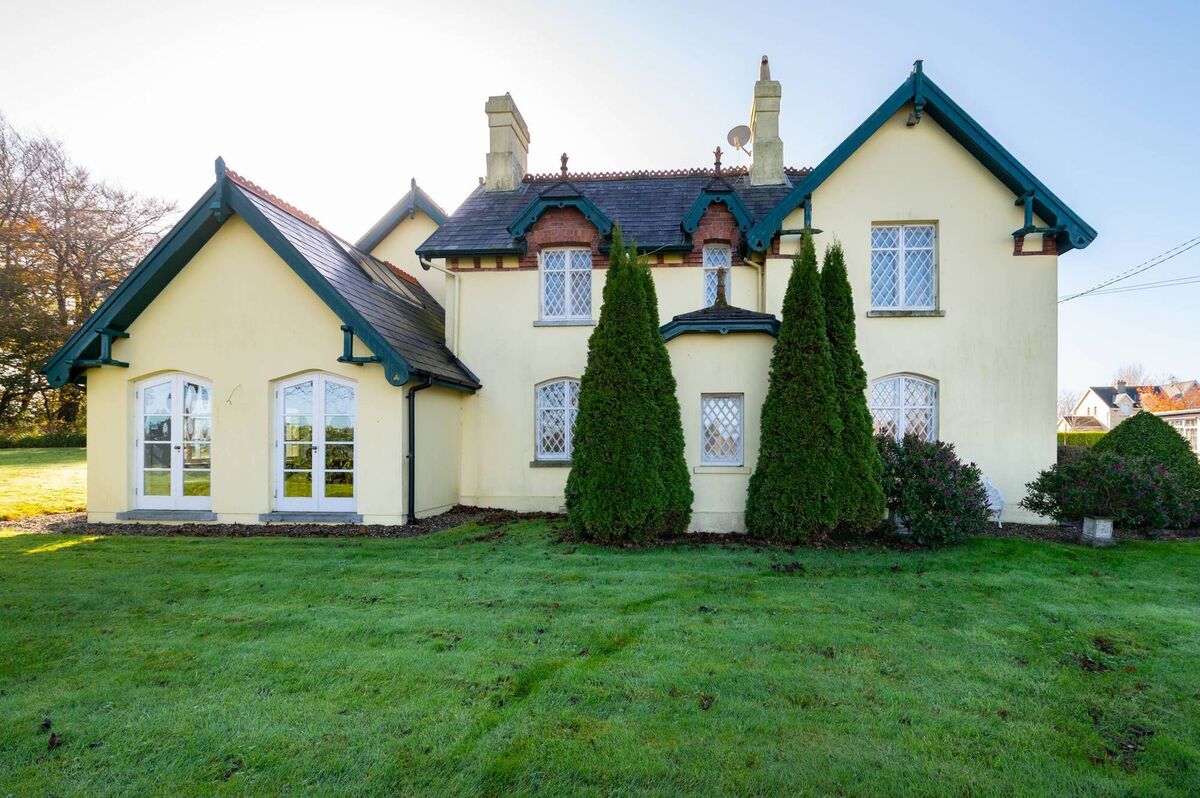
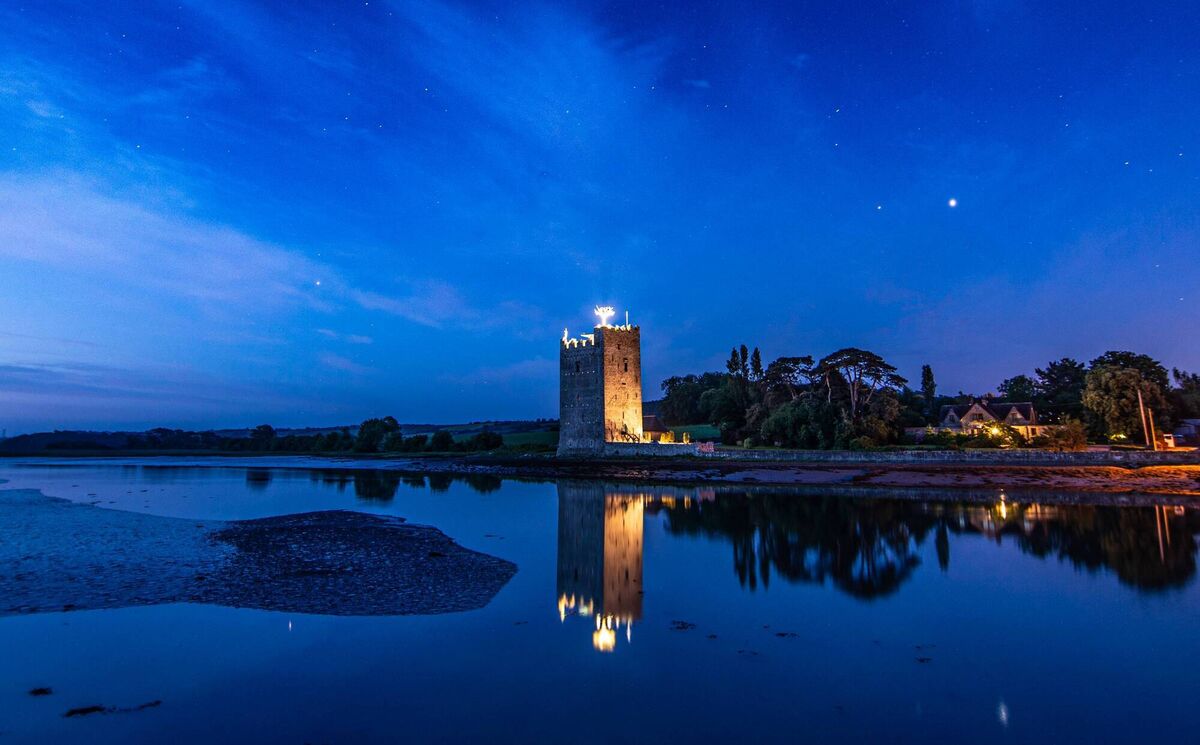
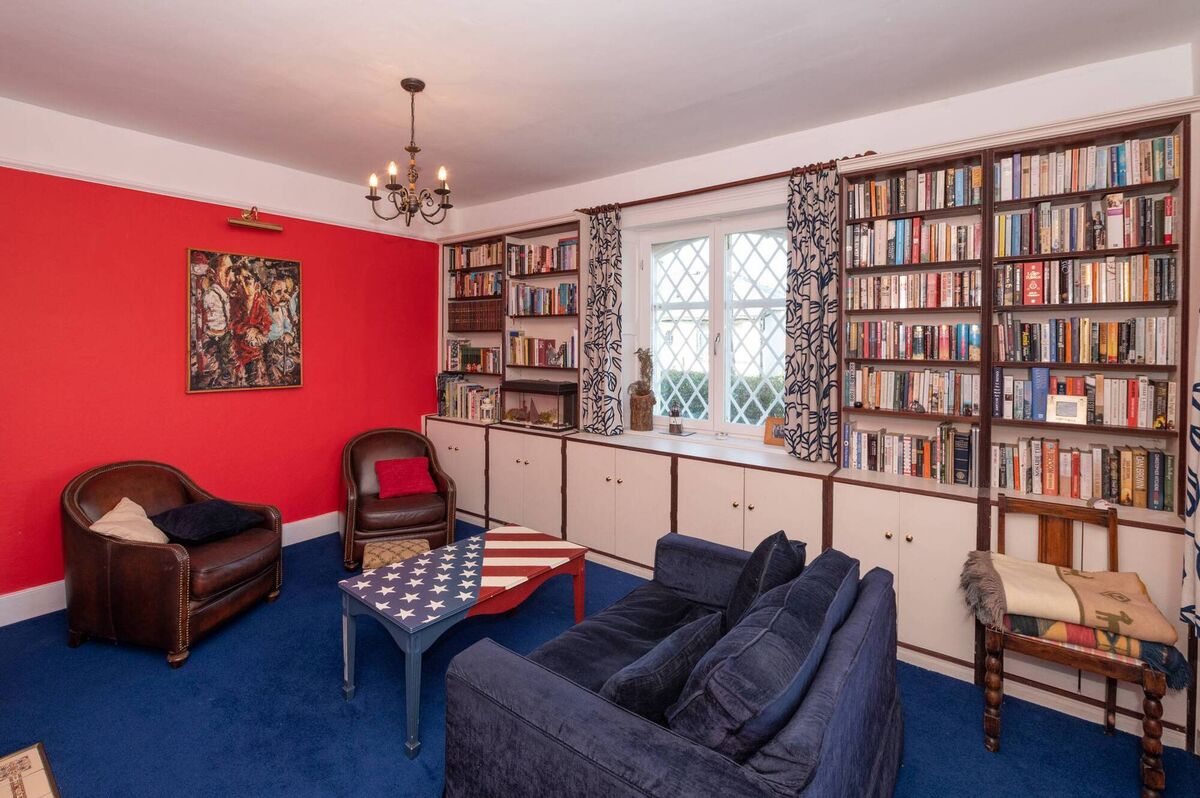
Mr Van Soest once famously said that Ireland “is one of those fantastic markets you want to be in ... this country has an almost irresponsible per capita consumption of beer” and it’s probably fair to say that consumption was suitably capricious at the many parties in what became known locally as “Heineken House”.
The evidence of legendary knees-ups at this corporate party HQ is incontrovertible: The current owners found a treasure trove of branded Murphy’s and Heineken pint glasses stuffed into bushes around the garden when they bought Belvelly House in 1995.
They also inherited a suit steamer on the wall of a walk-in hotpress which they reckon came in handy for refreshing the suits of Murphy’s executives at a time when chain-smoking at parties was still glamorous.
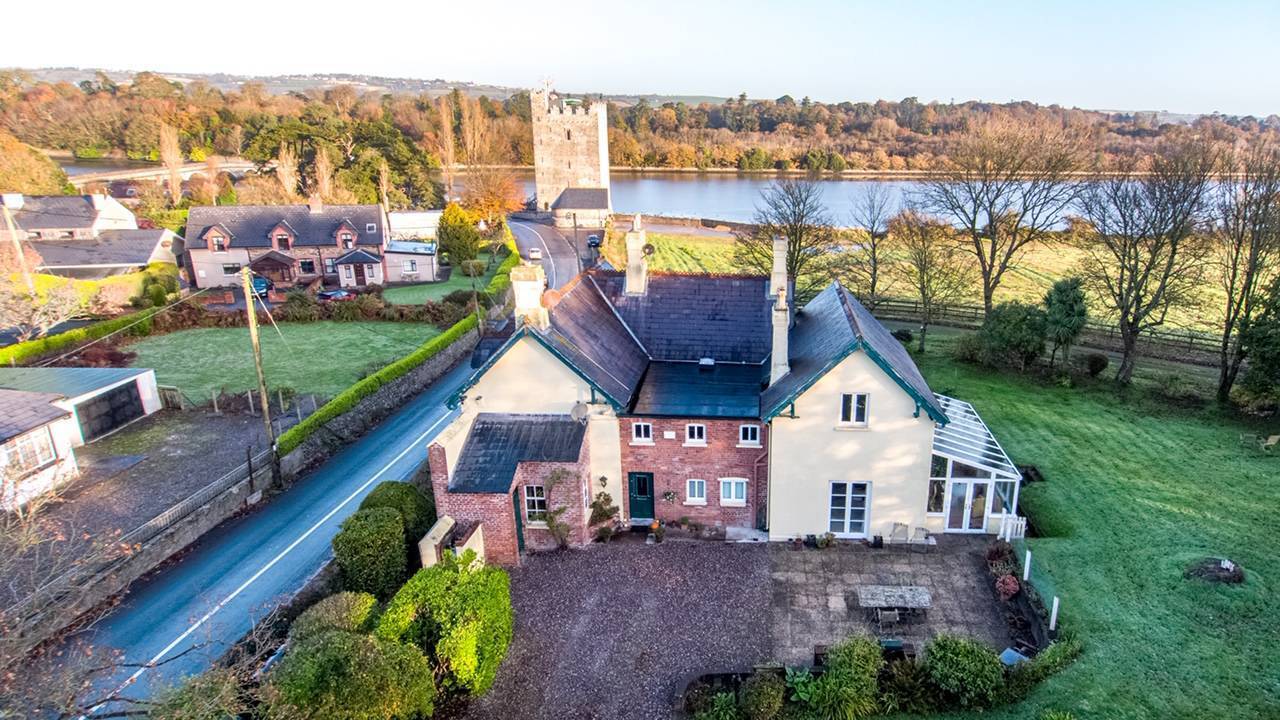
The current owners, engineer/artist Tom Fannon and his wife, UCC law professor, Irene Lynch Fannon, and their three children wrung a great quarter of a century out of this fabulous home but, with the children grown up and moved out, husband and wife are planning to downsize. And so Belvelly House, looking like it was conjured from a fairytale, is on the market, along with some lovely old outbuildings and a fine bit of land (1.8 acres) overlooking the estuary at Belvelly, with, as a fringe benefit, the beautifully-restored 14th-century Belvelly Castle essentially just over the hedge, topped off by that famous Orla de Brí golden tree installation.
The history of this Arts and Crafts-style house goes back well over a century and is believed to have once been home to the Smith Barry estate manager, which may explain the antique steel safe (Phillips & Son, Birmingham) in what is now the downstairs loo. It’s fair to say they don’t make ‘em like that any more. While it no longer holds documents or payroll for workers of Fota Estate, it’s a terrific reminder of the house’s riveting past.
In fact, one of the Smith Barrys, renowned horsewoman Dorothy Bell, is reported to have lived temporarily in Belvelly House while renovation work was under way on her stately Fota House home.
The connection between Fota and Belvelly houses continued under the current owners, when Mr Fannon took on the role of property manager at Fota House for the first three years after it was acquired by the Irish Heritage Trust (Mr Fannon originally came to Ireland as an engineer with Ridge Tool in Mahon, where he was plant manager before it closed, and he more recently retired from Nualight).
While at Fota, he presided over the restoration of the upper floors, as well as the rebuilding of the glasshouses. Cornerstone Builders, the conservation builders that did the work at Fota, were contracted by the Fannons to add a superb extension to their own home about 10 years ago.
The extension is a bit of a showstopper — a formal dining room was added to the main downstairs reception room and was designed by the owners in a manner that captured Mr Fannon’s love of the architecture of his homeplace — the Hudson Valley in New York.
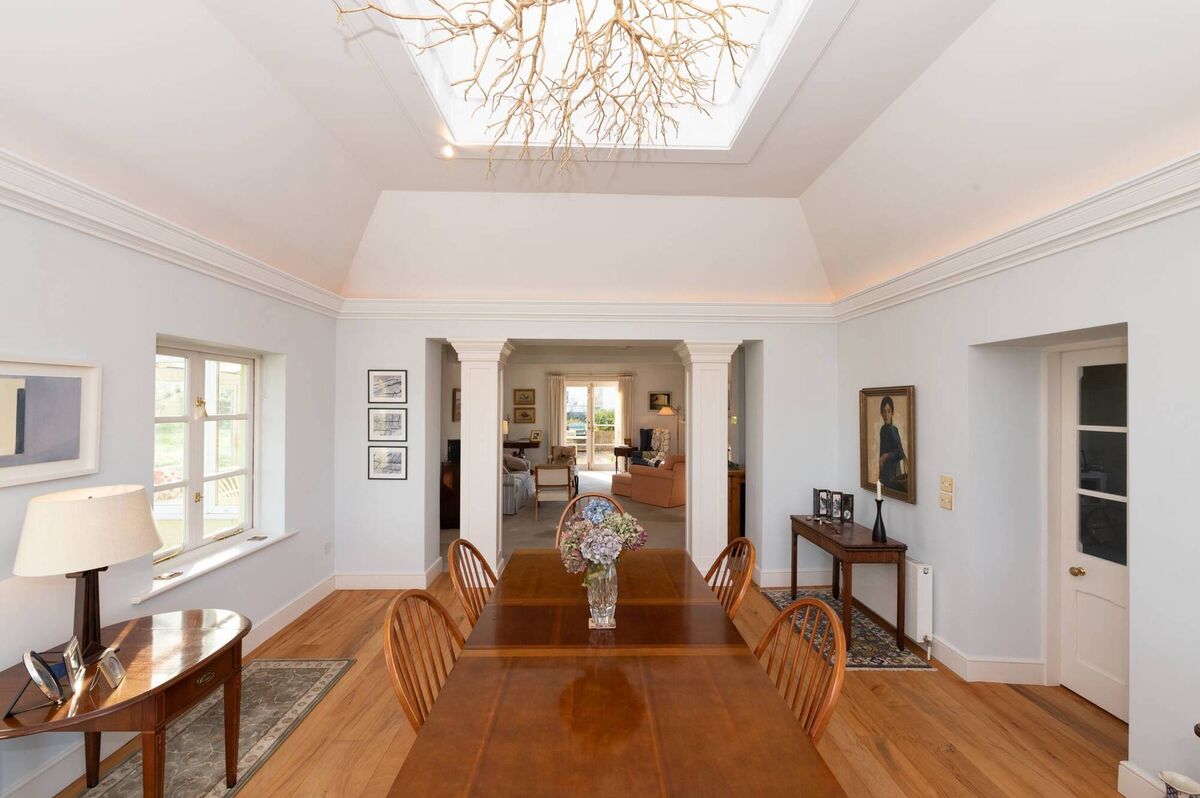
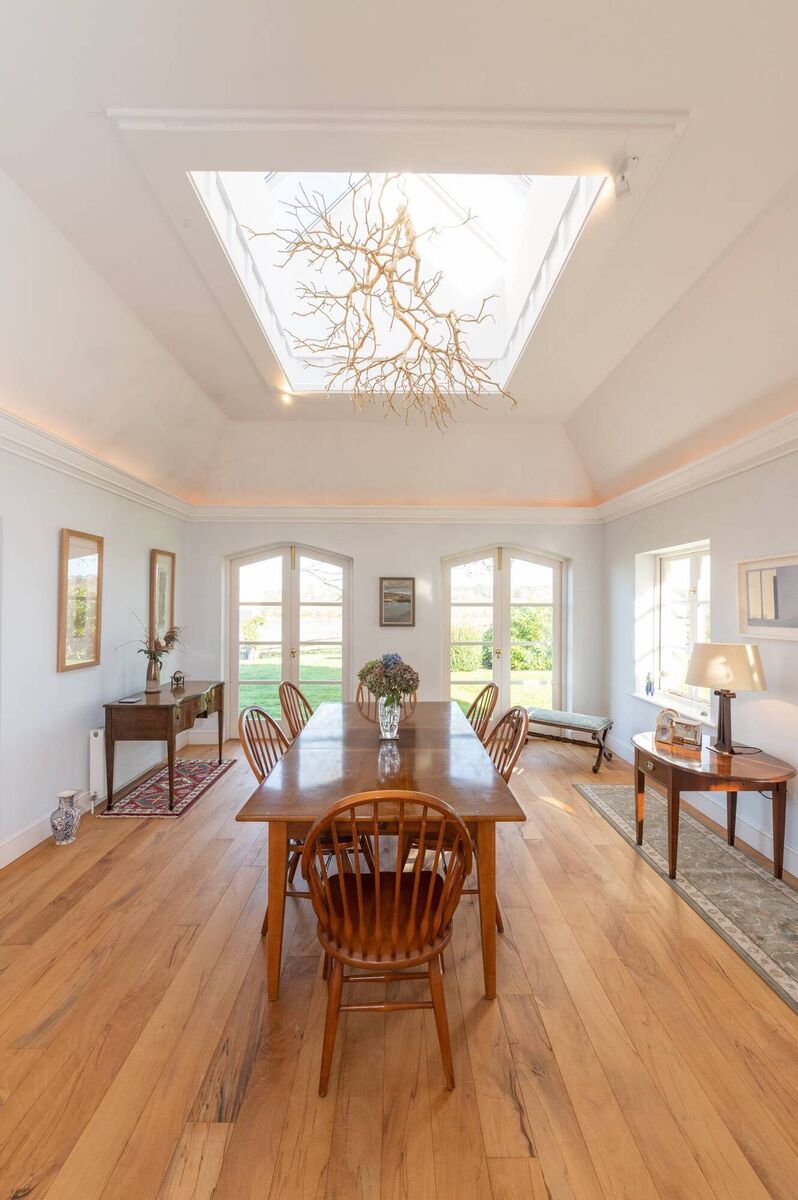
Striking pillars between the living room and dining room are a nod to Samuel Huntting’s house, a favourite of Mr Fannon’s, built in 1840 in New York’s Dutchess County by master carpenter and designer Nathanial Lockwood (1796-1843) as a wedding present for his daughter Anna. (One could legitimately ask why the Dutch Colonial Revival-style house is known by the name of her New York banker husband, rather than the woman herself...)
As Mr Fannon says, the extension “opens up the northern aspect of the house, providing breathtaking views of the Belvelly estuary, the trees of the Fota Arboretum, and now, the completely restored Belvelly Castle”.
The Fannons even hung their own gold-covered tree (made by Mr Fannon, a gifted wood-carver) in the apex of a beautiful cathedral ceiling skylight of the dining room, to reflect the de Brí sculpture.
Two sets of French doors in this room face north towards Belvelly Castle. At the far end of the living room, facing south, is another set of French doors, leading to a patio.
As well as the extension, the Fannons undertook a whole lot of other work during their 25-year tenure, re-slating the roof, rendering chimneys, and insulating attics.
While the house still boasts its storybook original casement windows with diamond-patterned cast-iron mullions, “painstakingly restored to full working order”, it has been given a good boost in terms of energy efficiency by the installation internally of double-glazed windows which “keep in the heat and keep out the road noise”, Mr Fannon says.
In fact, the couple places candles in those windows at Christmastime as a landmark for Great Islanders coming home for the festive season, albeit this year the pandemic will likely force many to stay away.
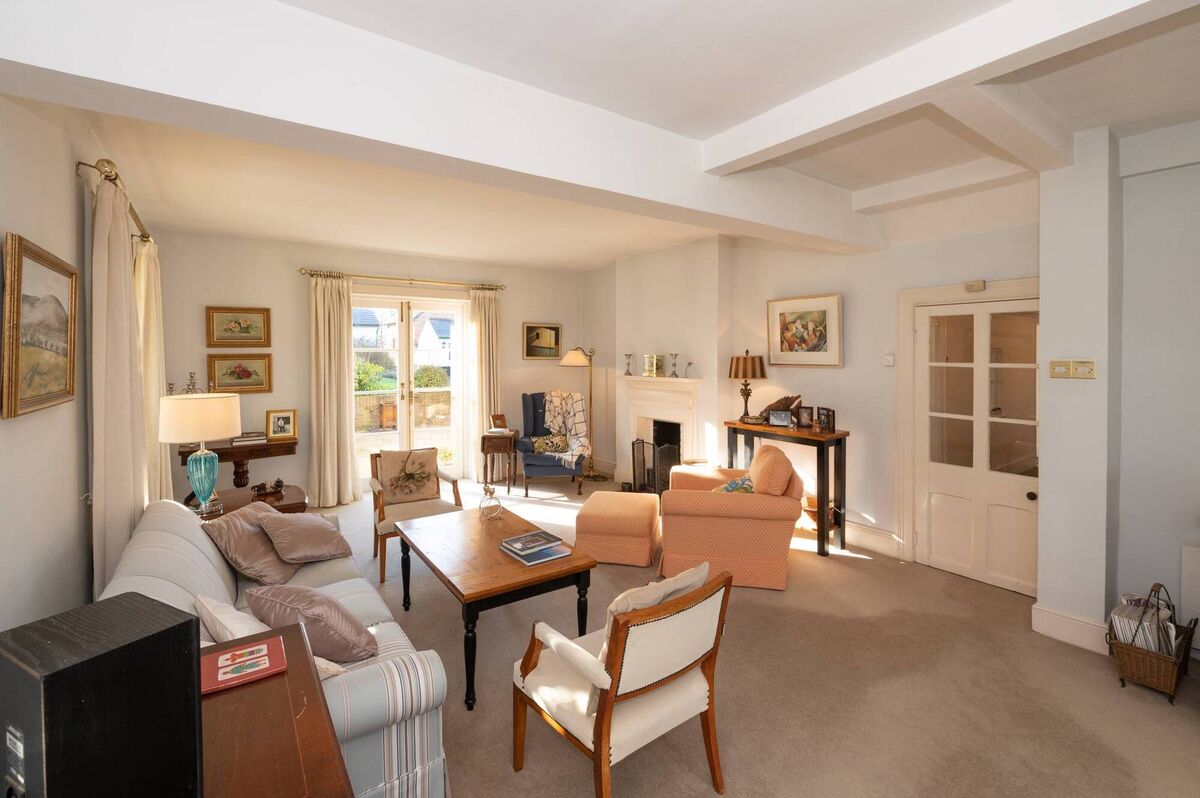
Mr Fannon points out that there are five working fireplaces “so plenty of options for hanging Christmas stockings”. One of those fireplaces, in the music room, has a hand-crank Wexford bellows that still works.
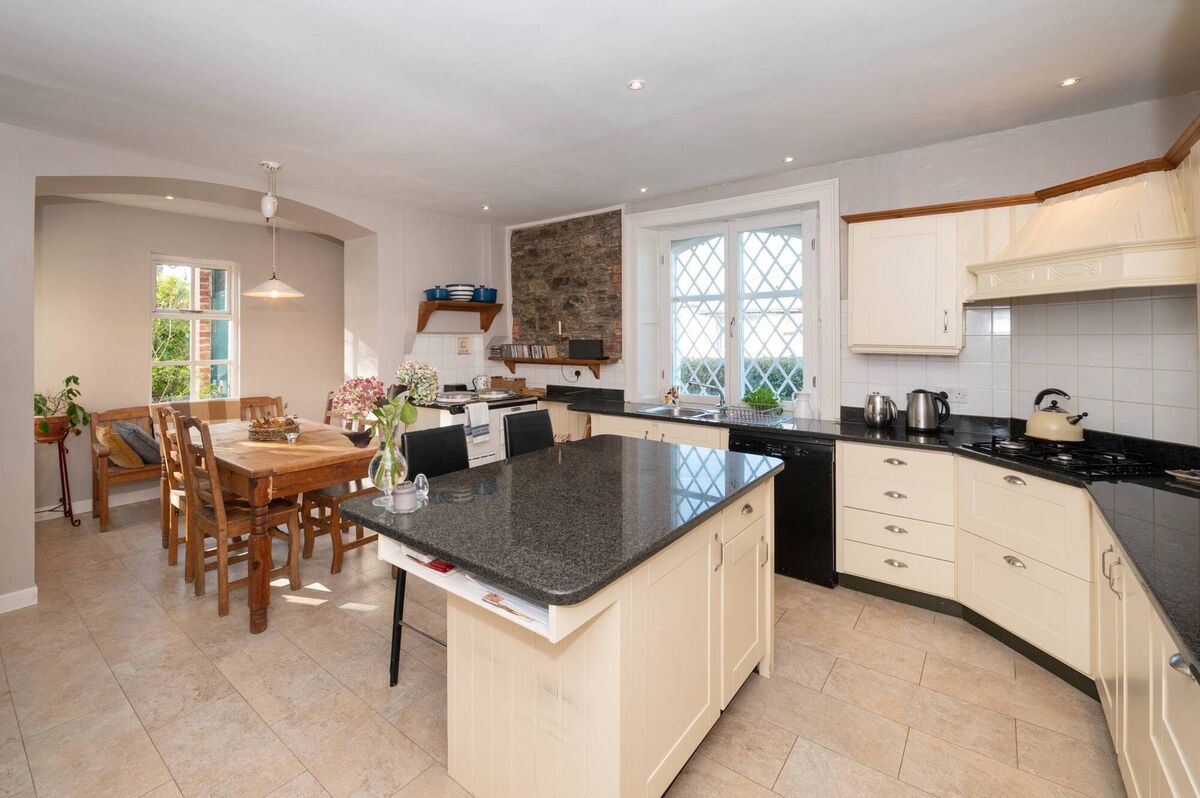
There’s a fabulous selection of rooms downstairs, with another reception room in addition to the formal dining/living room, as well as the music room, bathroom, two entrance hallways — one with a closet off it for outdoor wear — and a kitchen extended by the unblocking of an arch. An Aga takes pride of place, and some lovely old brickwork is exposed, but otherwise the kitchen is fully modernised, with granite countertops and a full-size American refrigerator.
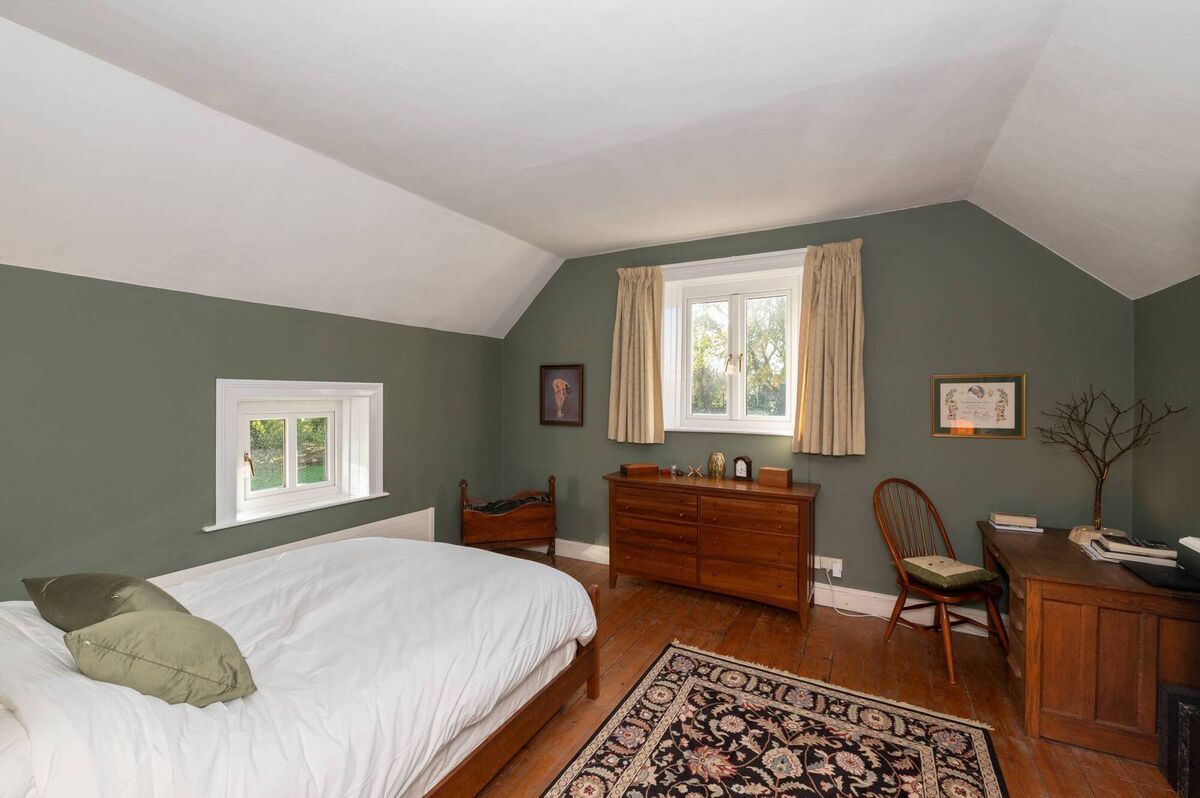
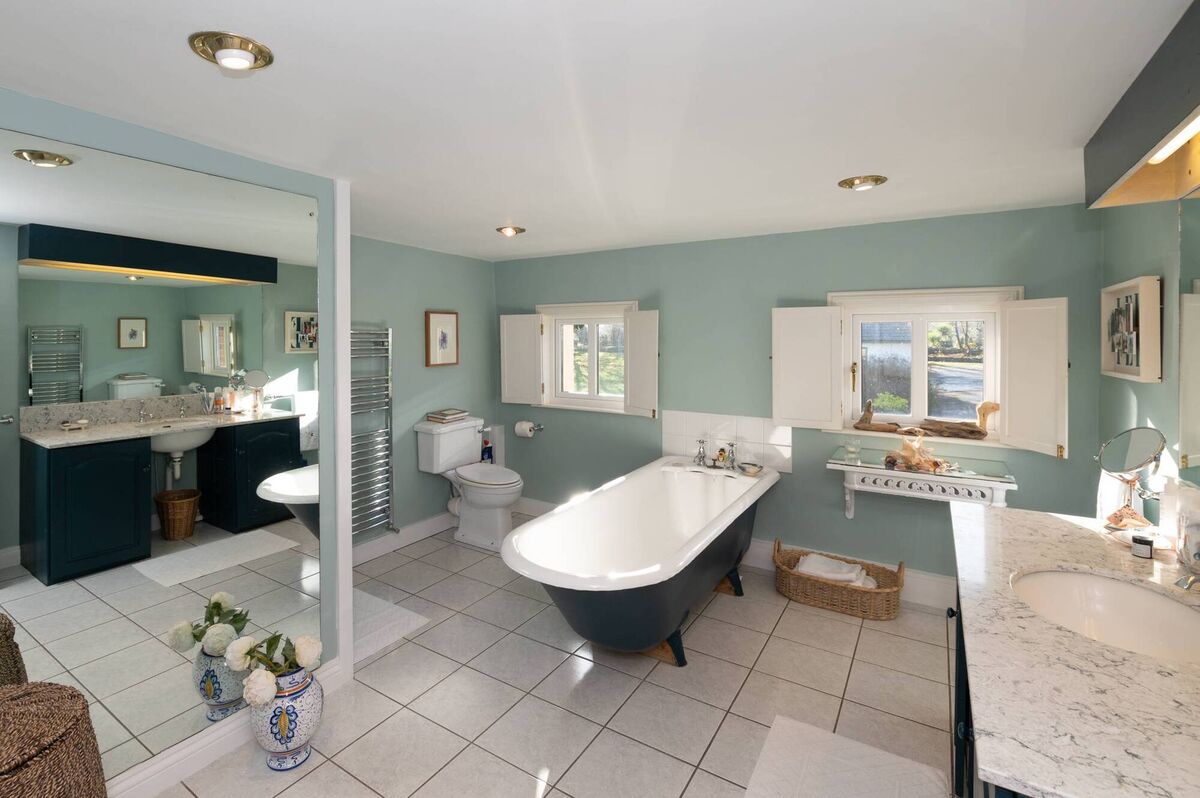
Upstairs, each of the four spacious bedrooms has a bathroom (one is a Jack and Jill, accessed from bedrooms on either side). One bedroom also has a little ante-room, down a couple of steps, perfect as a homework study.
Wifi in Belvelly House is not a problem — it’s connected to fibreoptic high-speed broadband, allowing Prof Lynch Fannon to continue delivering lectures online while the UCC campus remains largely closed to students as a result of the pandemic.
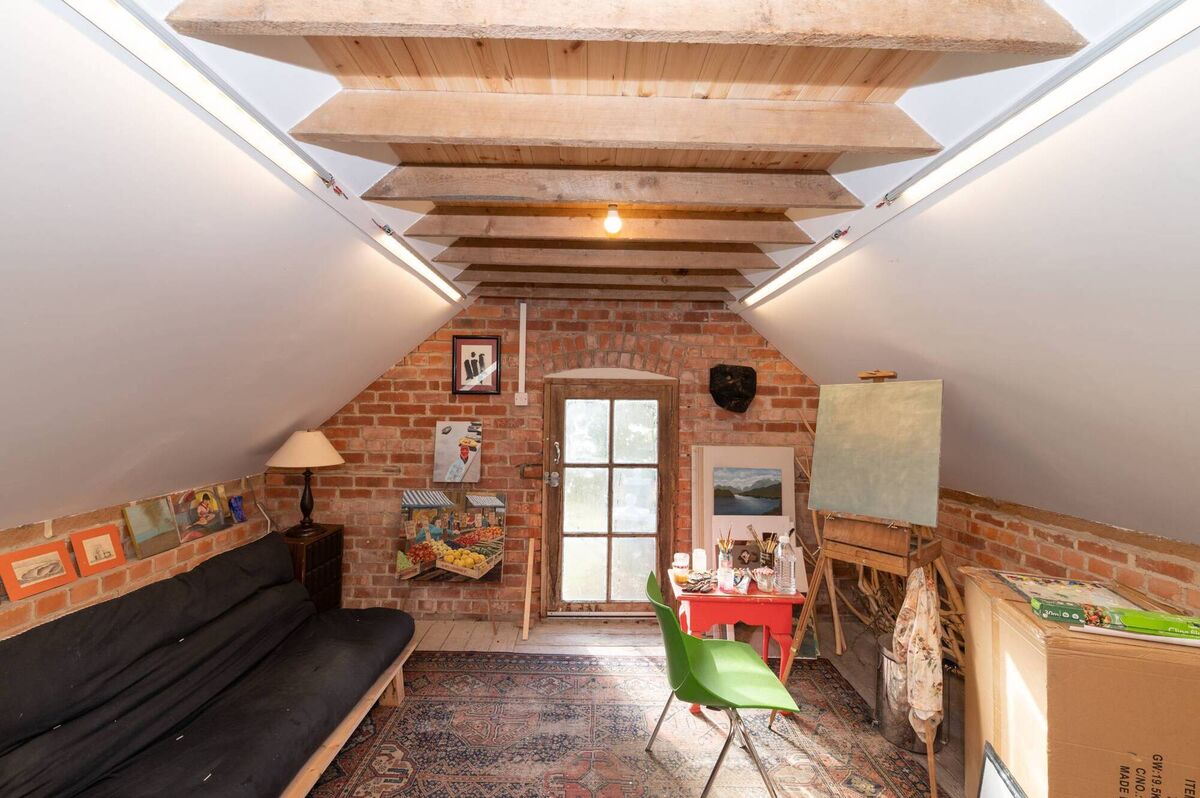
There’s plenty of space too for self-isolating, what with all the reception rooms and separate bathrooms and the outbuildings which include a two-story red-brick horse stable, converted to Mr Fannon’s woodworking shop on the ground floor, and an artist's studio in the loft. Now retired, he says he’s had time to use this space to express his creativity in the warmth of a newly-installed wood-burning stove.
There’s also a small stone cottage, which is currently providing rental income, but which was used by the family’s various au pairs when their children were young. It has a living area, two bedrooms, a fully-equipped kitchen, and a bathroom.
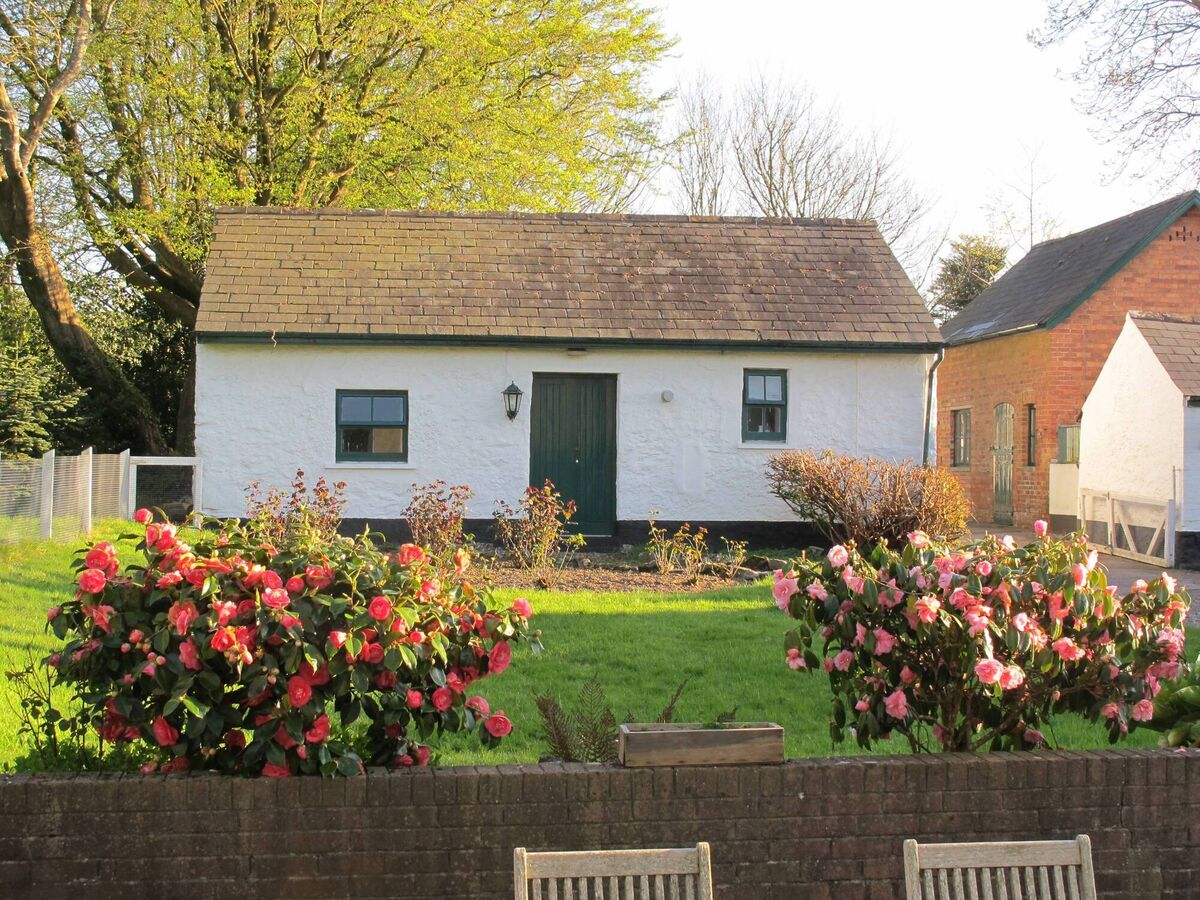
Mr Fannon says a cosy gas stove “provides ample heat for this dry-lined cottage” which has a lovely large south-facing window in the living area.
There are also three other stone sheds used for lawn tools, potting, and storage.
“And if the travel restrictions are causing too much angst, you can literally climb the walls here, thanks to a climbing wall [made by Mr Fannon and his daughter] installed on the gable end of the stable.” Mr Fannon says.
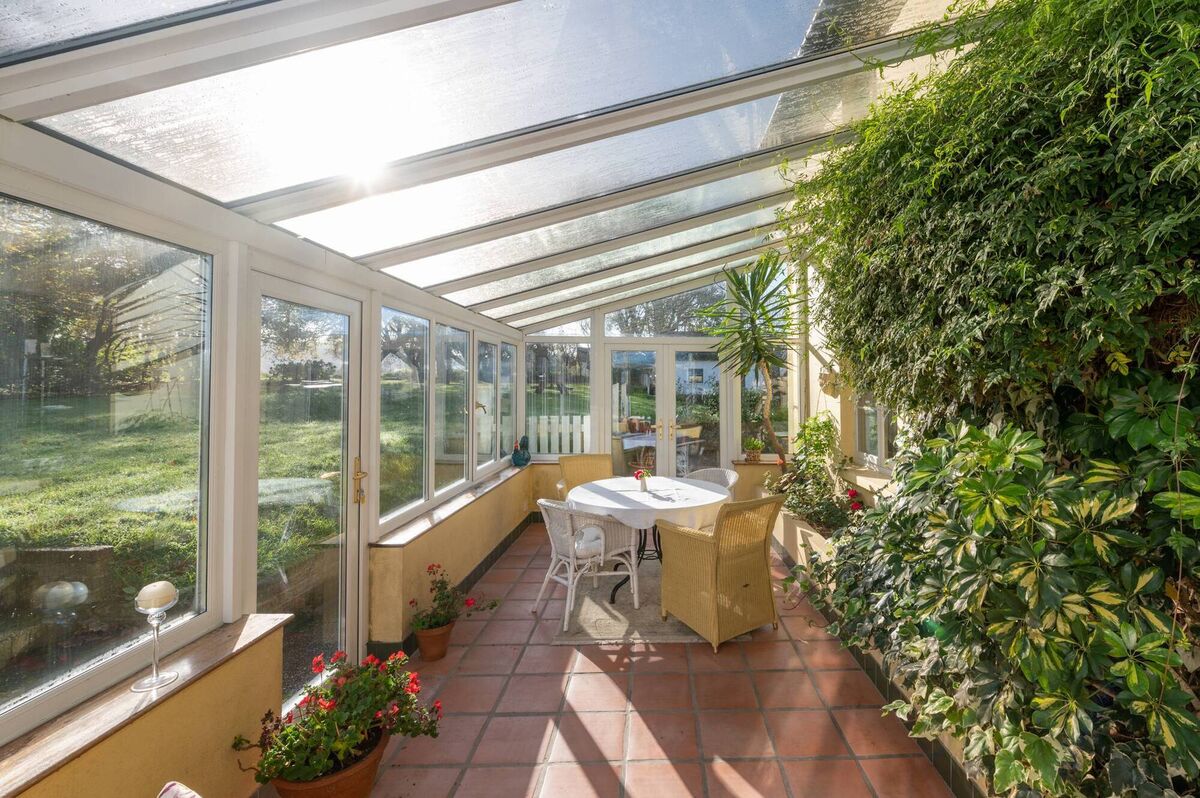
Equally, you could set yourself up in the conservatory, where there are stunning views of the estuary, and where jasmine produces its fragrant flowers in late winter/early spring.
“We spend most of our time here in the summer,” Prof Lynch Fannon says.
The conservatory looks out over the garden too, which sort of naturally subdivides into two separate plots, helped by the presence at some time in the past of a paddock (maybe during Ms Bell’s stay).
The Fannons are considering selling the furthest section of the garden as a separate plot, which would have its own separate driveway, subject to negotiation.
Selling agent Johanna Murphy of Johanna Murphy & Sons Estate Agents says the guide price for the house and all of the 1.8 acres is €870,000, but there is scope to sell off a piece of land separately.
Ms Murphy believes Belvelly House, with all its outbuildings, could potentially represent a great commercial opportunity to develop some form of a retreat or hospitality-style venue, where people could book private weddings or come for cookery weekends, or as an artist’s retreat.
Whatever its future, its place in local folklore is assured, while its beautiful Tudor revival-style composition is recorded in the National Inventory of Architectural Heritage, as a house “displaying skilled craftsmanship”, which, despite its age, “survives remarkably intact and adds significantly to the architectural heritage of the area”.
: A rare opportunity to buy a truly unique property. Living the dream.


CONNECT WITH US TODAY



Be the first to know the latest news and updates