Lured to Lismore for a prize catch worth €1.15m
- Lismore, Co Waterford
- €1.15 million
- Size: Period home on 3.8 acres
- Bedrooms: 10
- Bathrooms: 14
- BER: Exempt
- VERDICT: a wonderful catch.
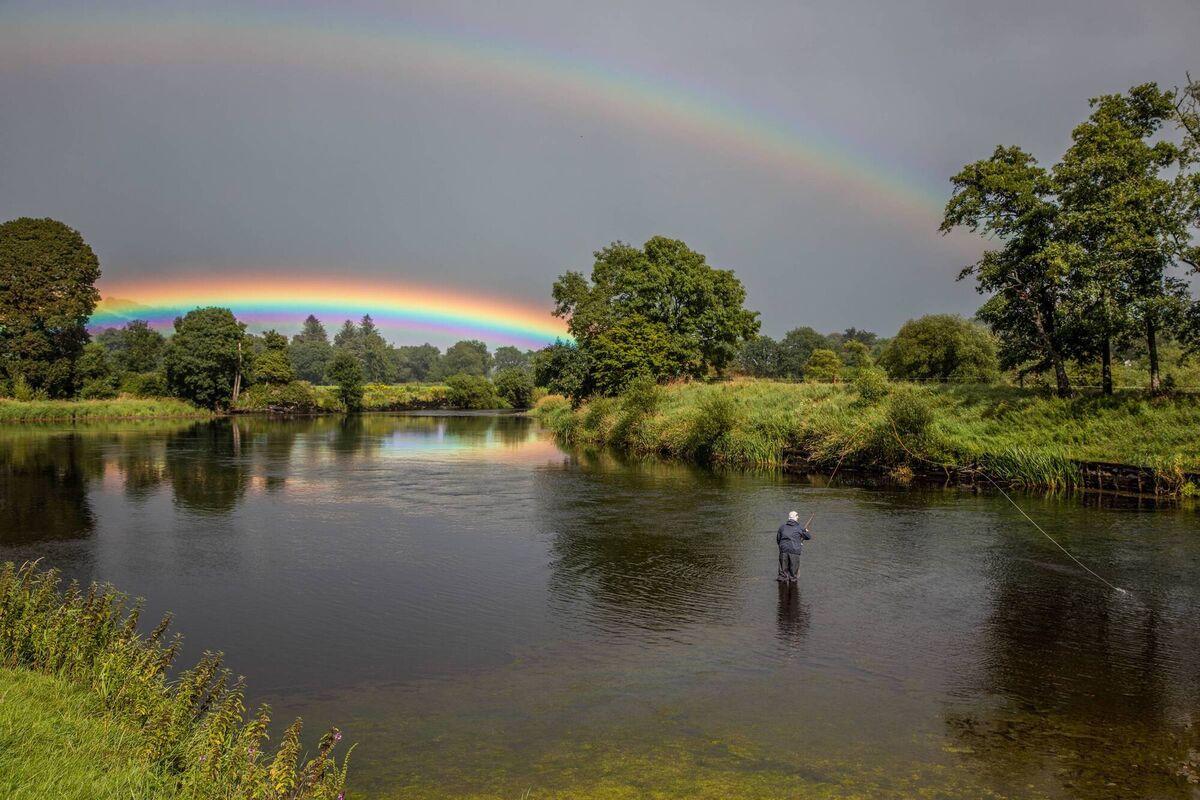
Hold the front page: the salmon are back on the Blackwater “like they were 100 years ago.”
That’s the good news from a man who should know, Joe Willoughby of Ballyrafter House on one of the most beautiful stretches of the river – his home and niche hotel in a period house face Lismore Castle across the famed salmon angling river.
He says salmon are running well on the Blackwater as an unexpected bonus of Covid-19, as the virus stopped net fishing further down the river in spring. The upshot as salmon return upriver to spawn in number will now continue to pay dividends over the next five year of the breeding cycle, he adds.
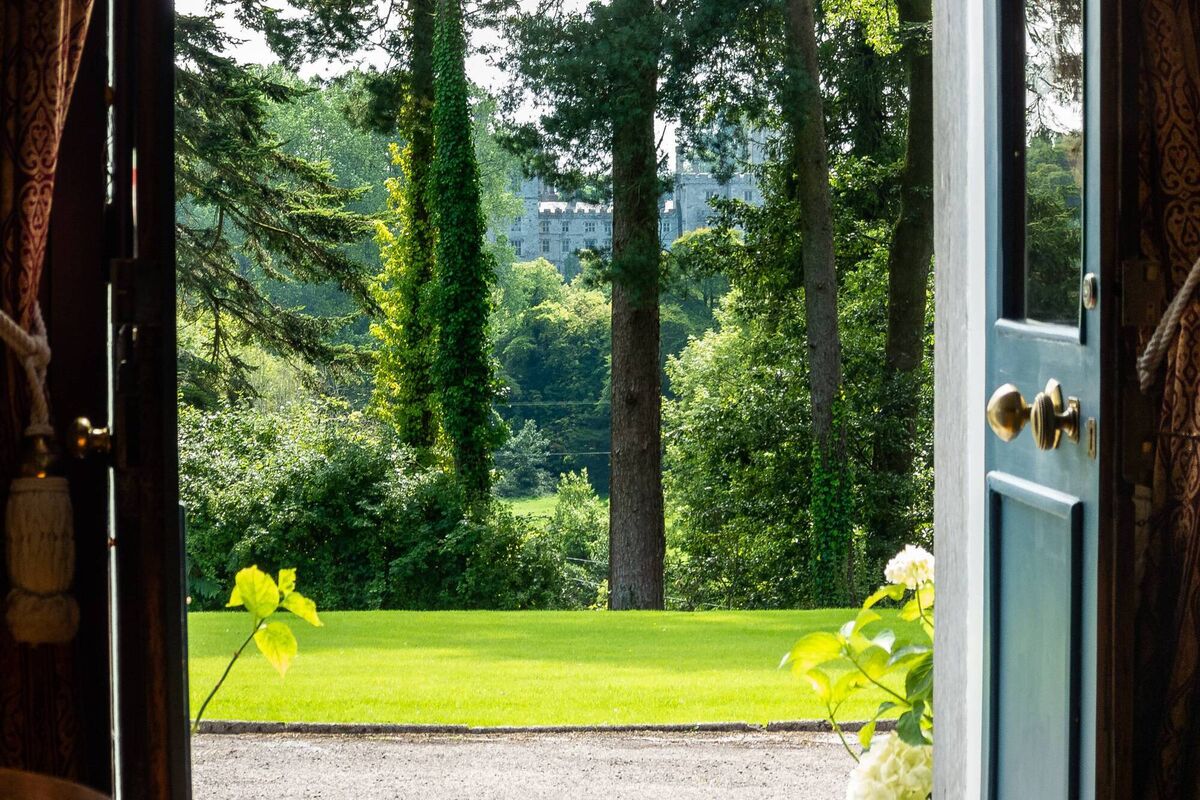
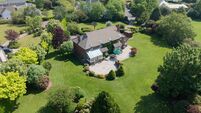
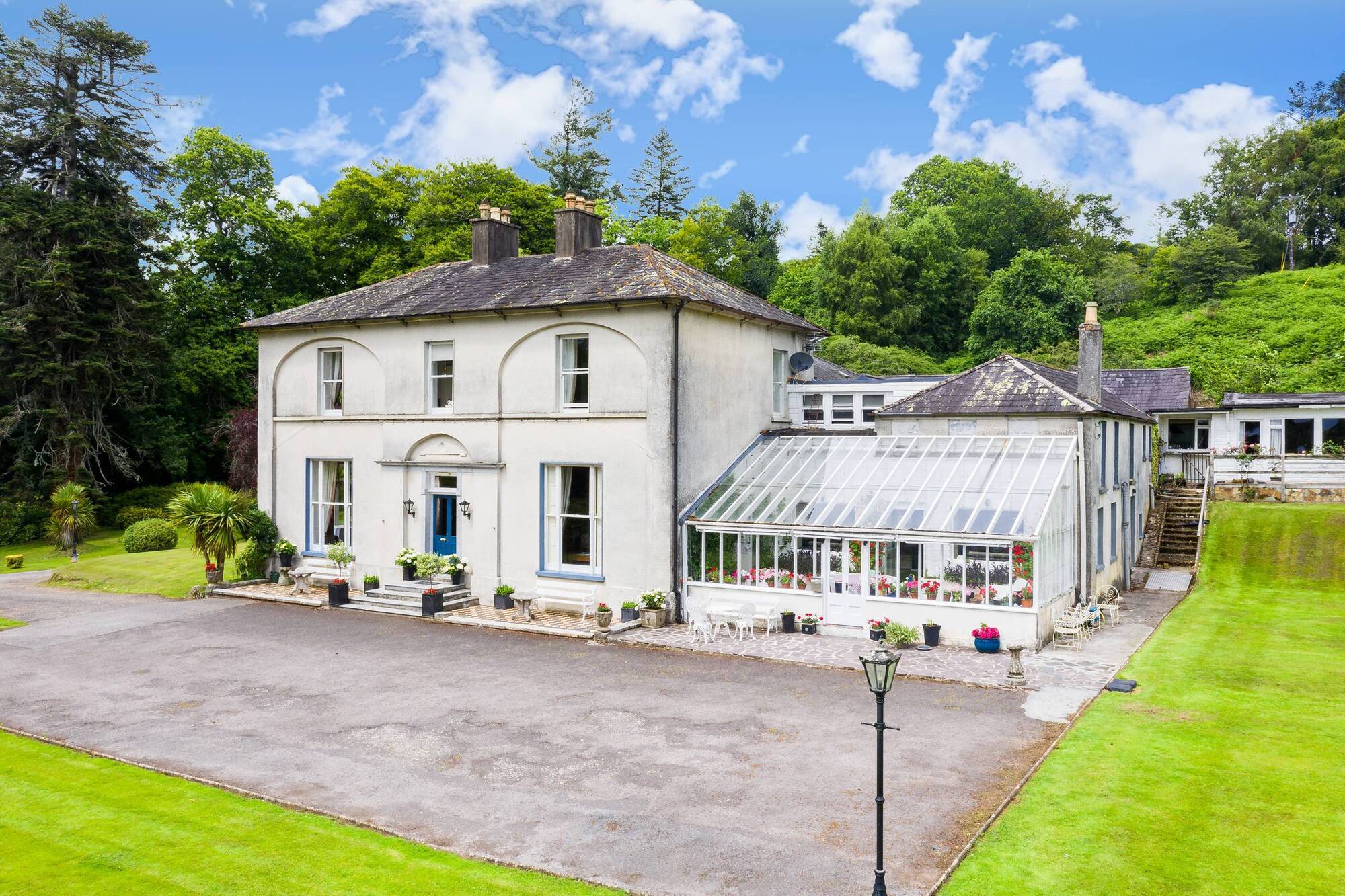
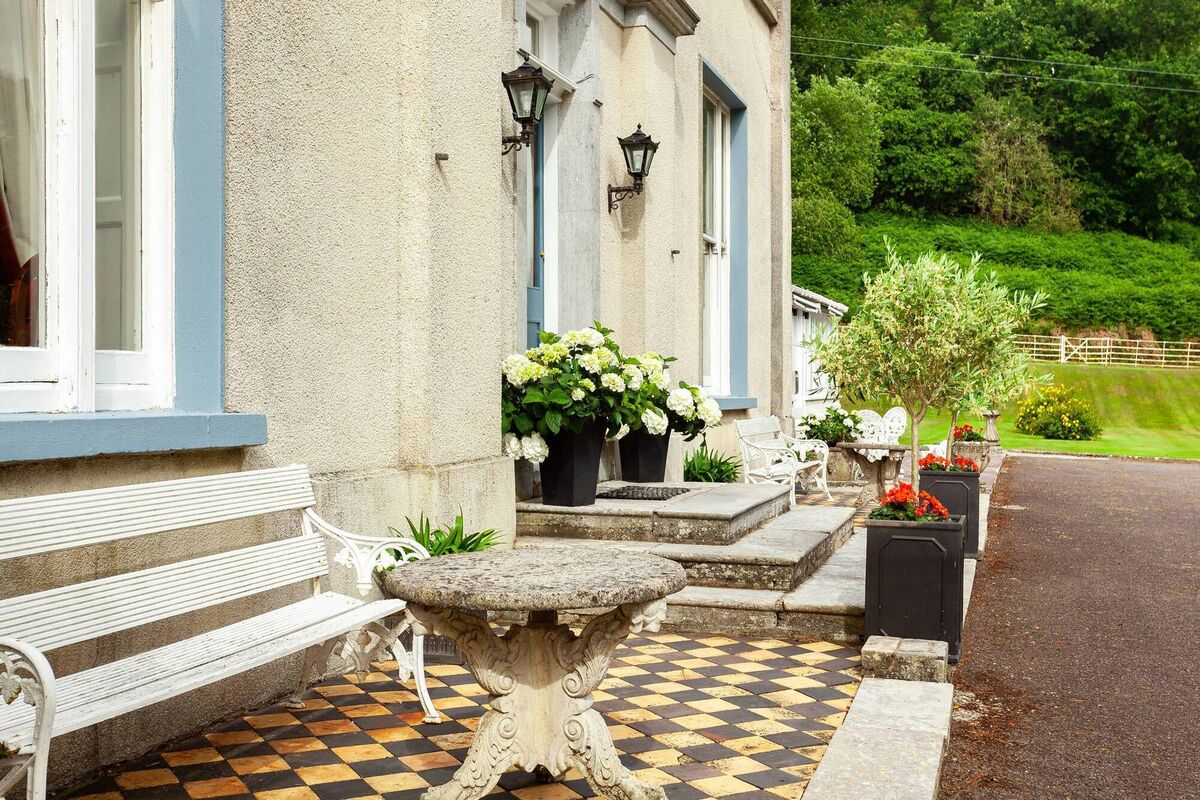
Unsurprisingly, Ballyrafter House is inextricably bound up with the locale, the heritage town of Waterford's Lismore, with salmon angling and the River Blackwater and Lismore Castle, which are in its view to the south. In fact the Georgian era (1830) residence was once owned by the Lismore Estate and the dukes of Devonshire.
It served the Lismore Estate variously as a factor’s house, a dower house, and a hunting/shooting lodge before leaving the estate’s hands in the late 1880s. Might they want to buy it back now?
The centrepiece of lovely Lismore, the strategically sited castle dates to the 12th century, most of its current structure goes back the 1700s, and has been owned by the likes of Sir Walter Raleigh, and the Cavendishes/Devonshire.
Guests at the castle (it sleeps 8-10 grandly, or up to 27 less intimately) have included regular Fred Astaire and JFK, and, like Ballyrafter, it’s open for Paying Guests: try €40,000 as an entire though, all-in plus butler service, for 16 guests over two nights?
As Ballyrafter House comes to the open market for the first time in just over 60 years in Willoughby family hands, it’s future otherwise could go in either of two directions.
It could revert to private domestic usage as a family home of great warmth and originality (with a slight surfeit of bedrooms?!) or it may remain and prosper in the hospitality business, and is ready to run once more, in a post-Covid-19 recovery era, as is, or on an even more significant scale.
It’s being listed with auctioneers Brian Gleeson of Gleeson Properties in Ardmore, acting jointly with David Reynolds of Sherry FitzGerald Reynolds in Dungarvan, along with Sherry FitzGerald’s country homes specialist Robert Ganly: they guide at a not-unwieldy €1.15 million, on 3.8 acres (a further 40+acres is also available) and they can surely cast a sales net far, and wide, and see where and what the lure lands.
Agent Brian Gleeson says the heritage Blackwater town of Lismore, a few minutes’ walk over the bridge from Ballyrafters’ rounded stone entrance pillars, is “is full of class and charisma; to have the opportunity to acquire a property such as Ballyrafter House within minutes’ walk of this west Waterford gem is a very rare opportunity.
“The views of Lismore Castle from this property are pretty special too,” he adds of the castellated glimpses through 100-year old boundary trees. “It would make a spectacular private residence or, with its enviable location, make a magical hospitality/wedding venue.”
Ironically, the quality of the house and the setting and its views, were not the most pressing issues to the fore when Ballyrafter last sold, in 1959, to local Lismore man (Chapel Street) Jim Willoughby and his wife Nancy.
Enterprising and industrious, Mr Willoughby snr (he’d been a driver and manager for another large local estate) and a brother had opened a petrol station on the other side of the river, but were dismayed to find they had sited it on a road with no future of traffic.
So, he set his sights on a site by the river, below the castle, where traffic was assured. The problem was, to get the field, he had to buy Ballyrafter House which loomed above it, against a wooded backdrop of Devonshire/Cavendish/Lismore Estate lands.
Undeterred, in ‘Business Plan Phase 11’, the couple bought the period then-five-bedroomed Ballyrafter House, on up to 46 acres with outbuildings, two cottages and leased angling rights, all to get a garage site on a strategic junctions.
They acquired it from the Paxman family, who’d operated a dairy farm, milking Jersey cattle and making butter in a dairy by the main road, with produce going to Britain via a canal adjoining the Blackwater to Youghal.
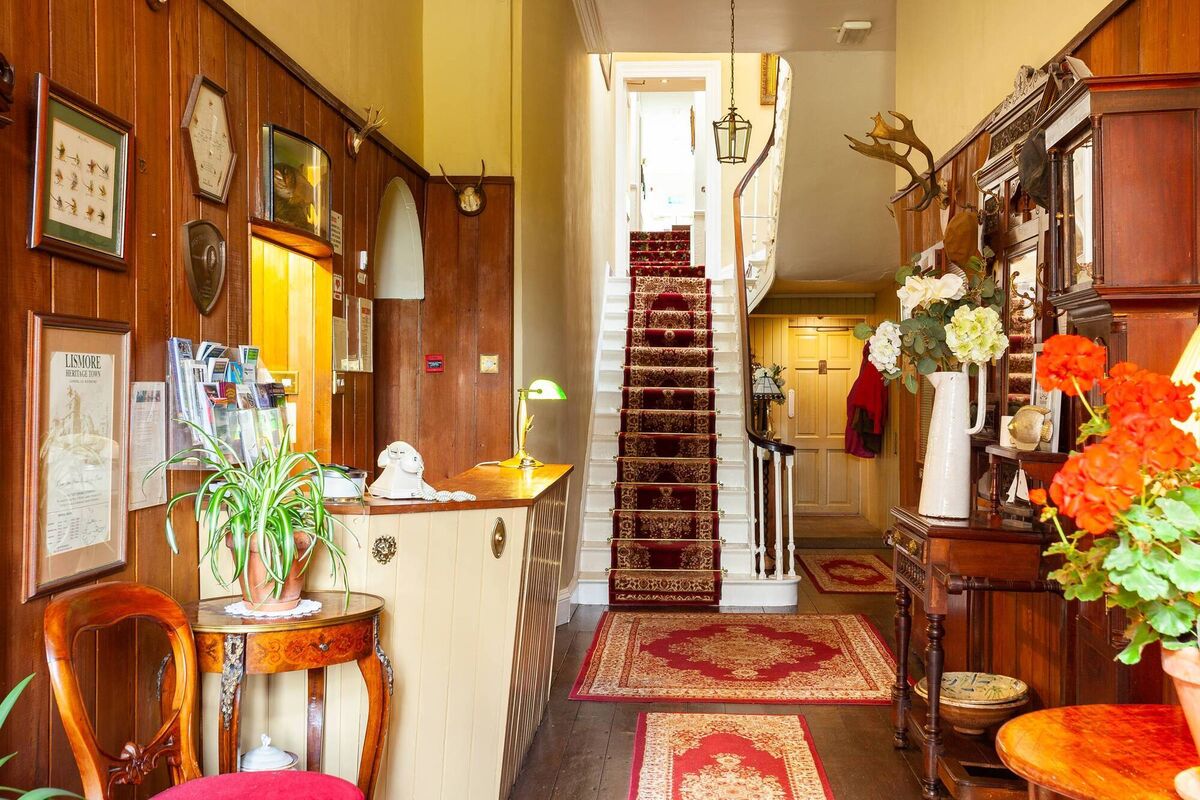
Ballyrafter House was the Paxman family home (from 1902 to 1959) as well as the registered office of Paxman and Co, and even today the Paxman company brass registered office plate is on display in the pitch-pine panelled hall of the house, along with accolades for the quality of its latter days’ catering and hospitality.
“My mother, who had no previous hospitality business experience (she’d worked in the Bank of Ireland), suddenly realised that she had a young family and a large house to look after,” son Joe retells. He says the family started a guesthouse in ’59, and moved to a more formal B&B status by 1966. Then, more or less in tandem, the family swelled to six children….accommodation not really being an issue, and with the eventual garage/petrol station fueling the family funds.
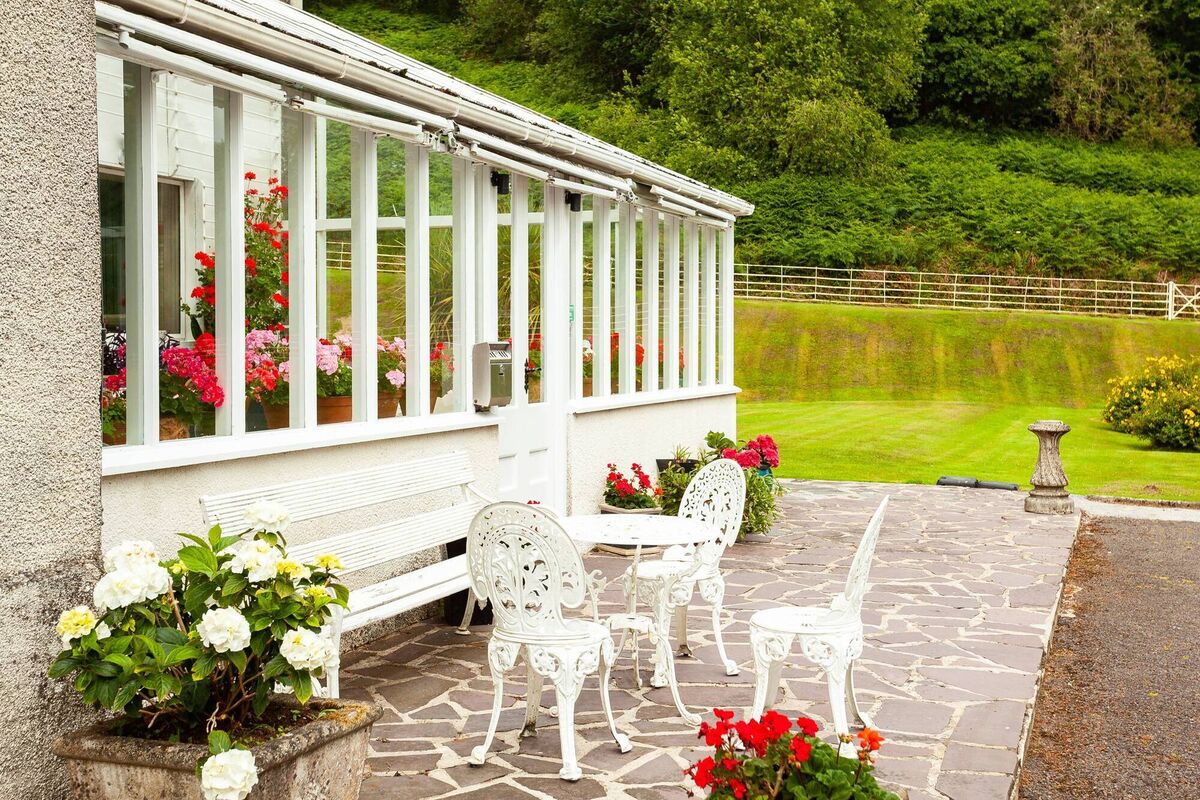
Having been steeped in the tradition, Joe Willoughby and his wife Noreen willingly took over the reins of Ballyrafter in 1989, describing it as “like a private island, surrounded by Lismore Estate Woodlland on two sides and by roadway on each other side.”
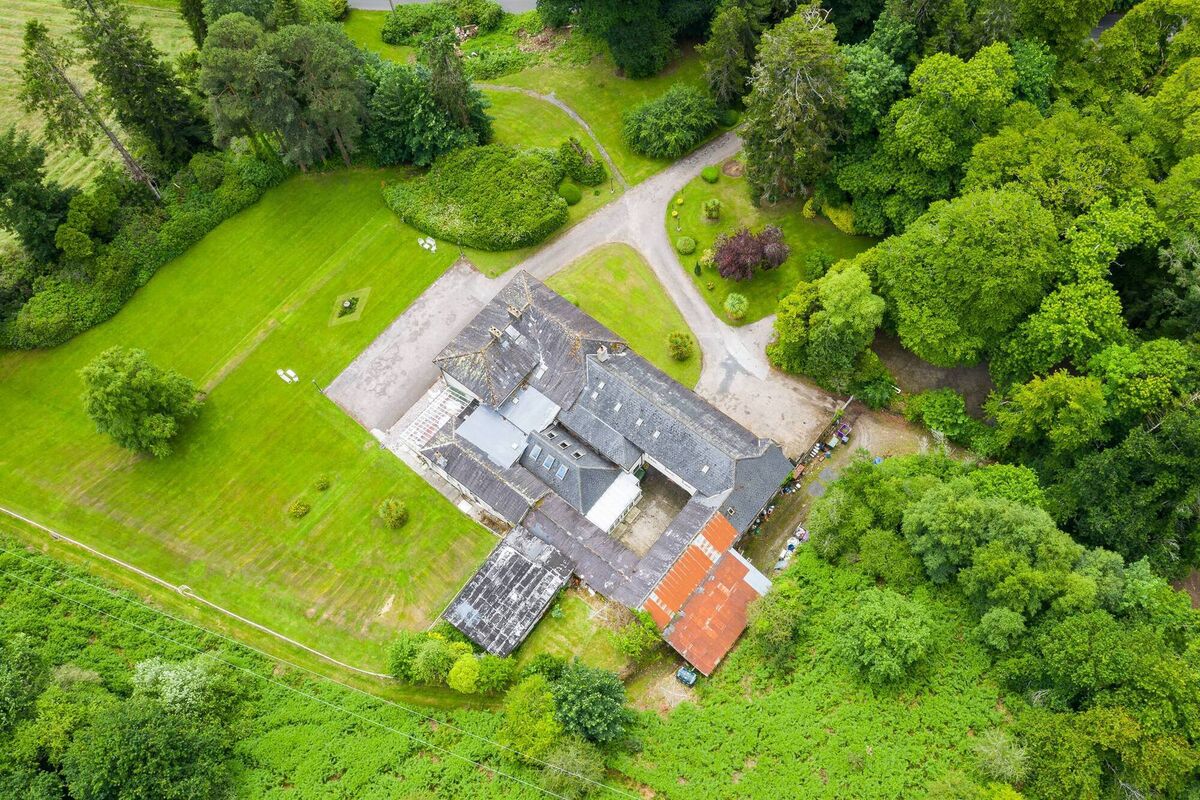
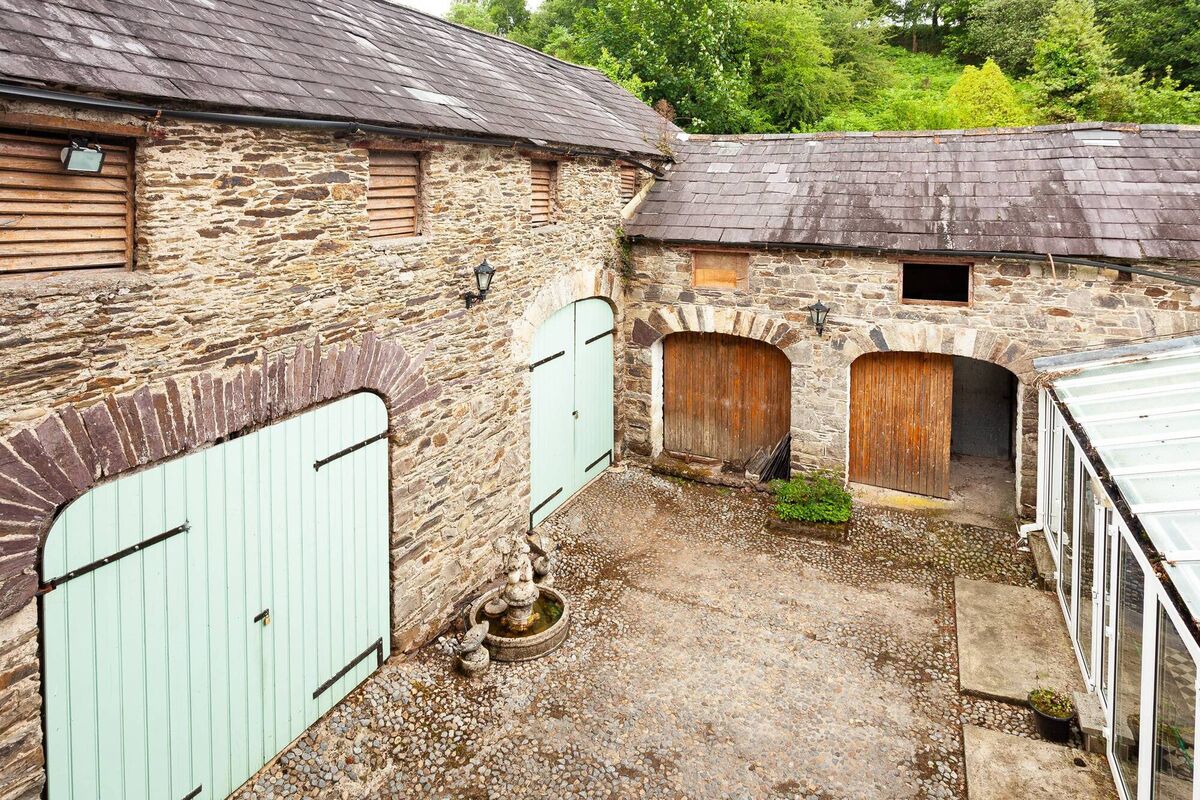
They've continued the trade, much of it niche and accommodating anglers from the Continent, England and the US, and in 1999/2000 they added a ‘west wing', building and extending out to an old hayloft by the coach-house building and across a courtyard with arched entrances to carriage shed.
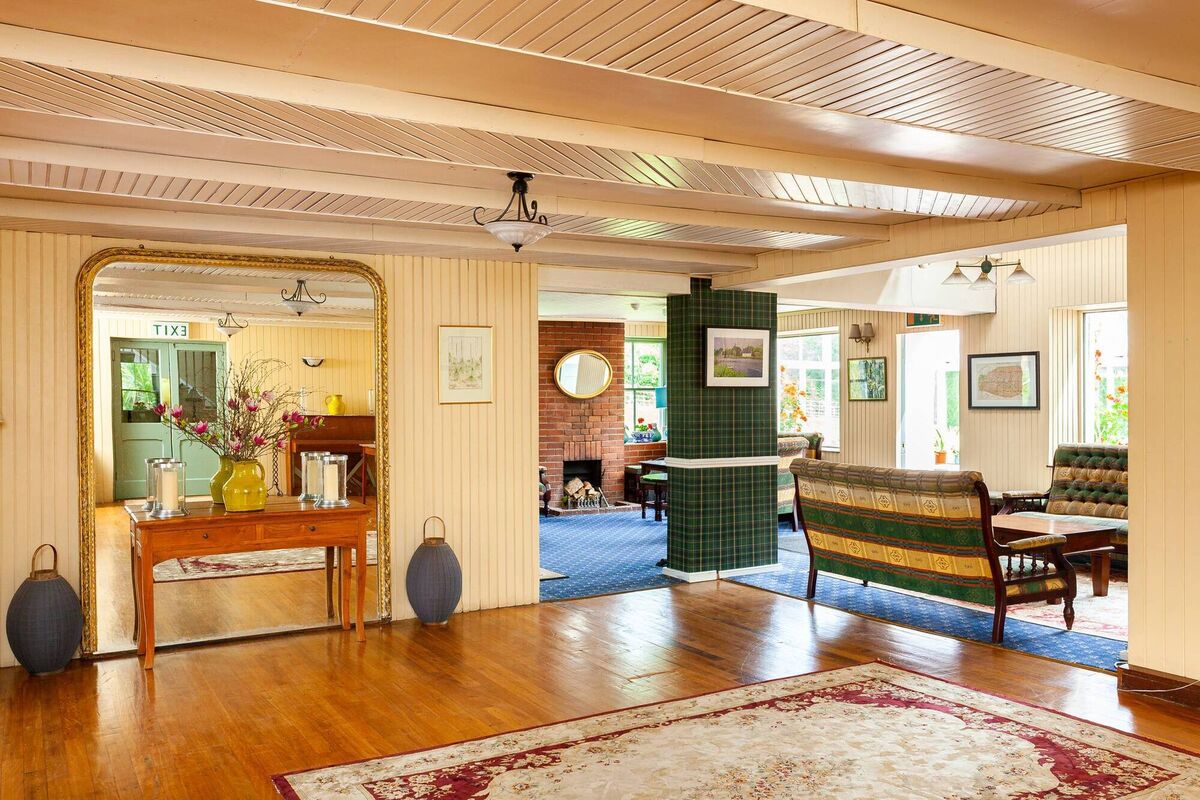
At ground level, meanwhile, sensible and subtle enough changes were made, without impinging on the character of the main or formal reception rooms left and right of the welcoming hall/reception, and they have bay windows, original fireplaces, ornate celings and some bells for summoning staff/service from the kitchen, where a venerable four-oven Aga still does sterling, warming work.
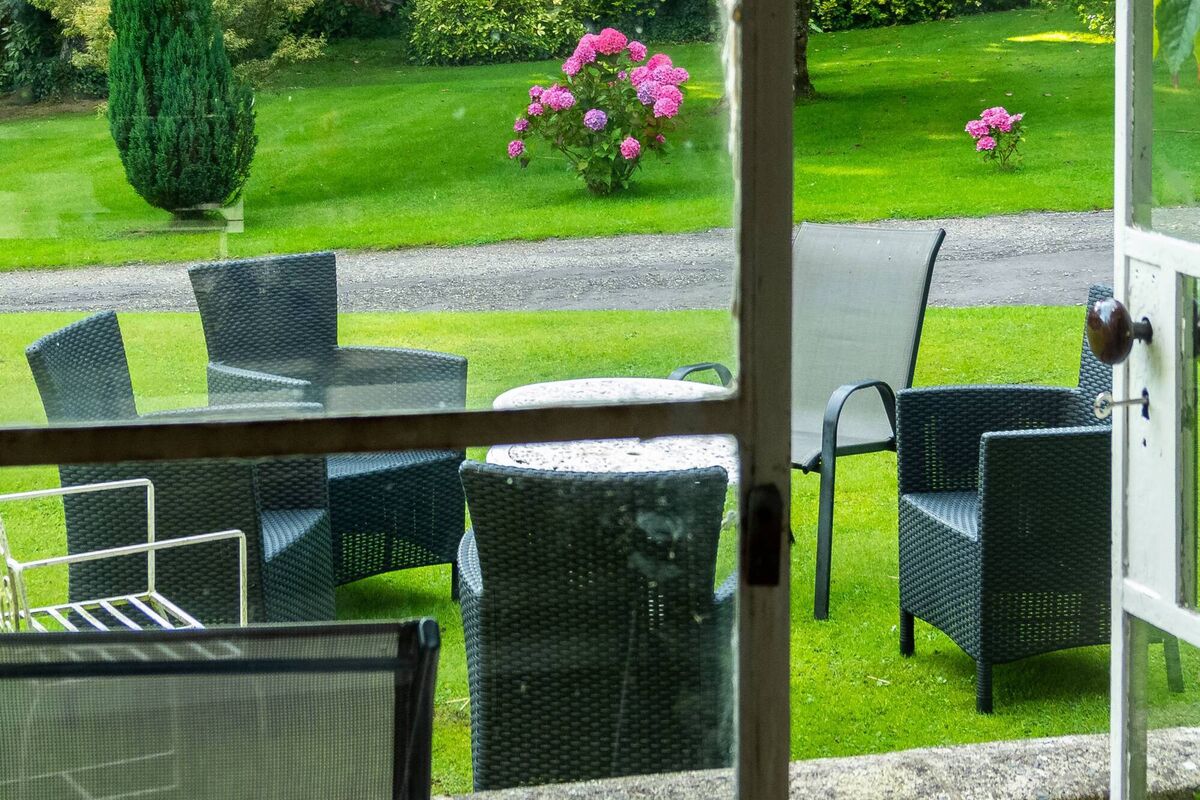
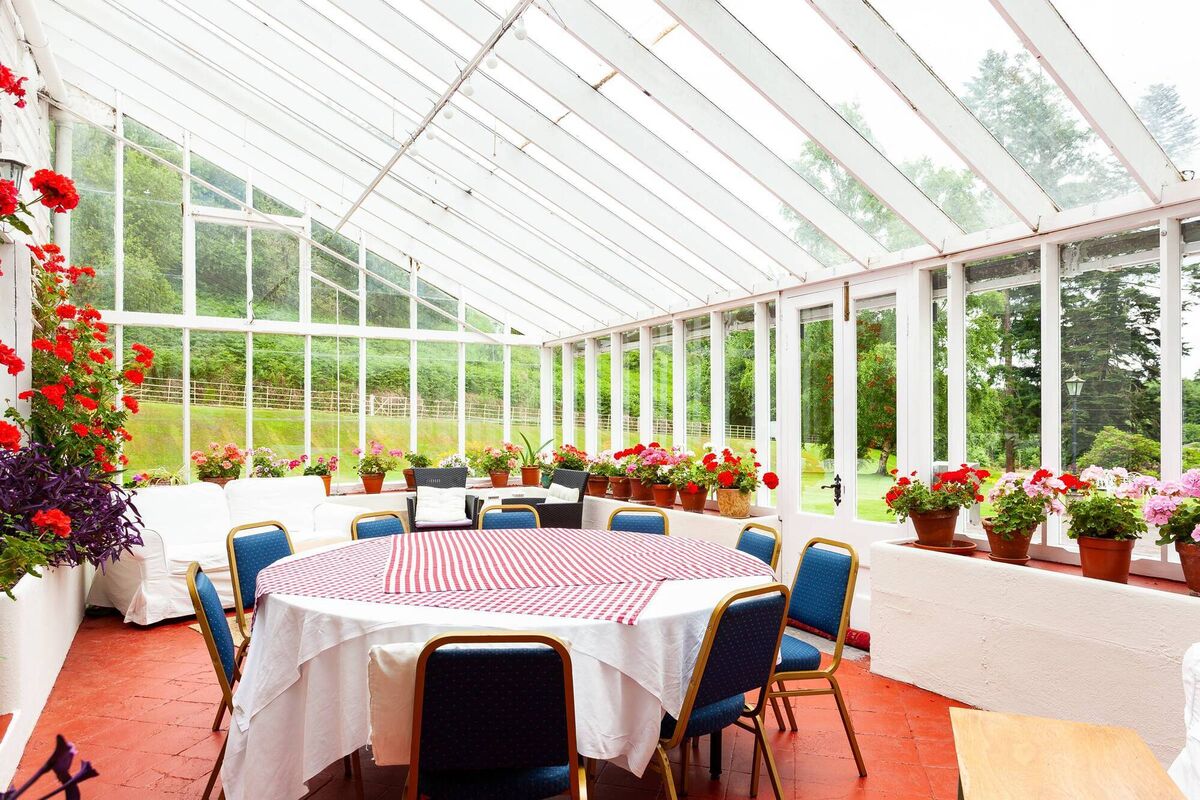
Still warmly in place too (and, restored) is the original 19th-century conservatory to the right of the house, with its neat ventilation vents, and raised beds for geraniums, flowering and scented jasmine and wildly rambling purple heart plants.
Now, though, the conservatory links to the front garden for receptions, into the drawing room for ease of circulation, and back then into a function/banqueting room, with access to a skilfully re-cobbled courtyard (done by local man Pad Lenihan) and an adjoining library/bar.
The bar? It looks like it’s been here generations, all worn patina on its faded mahogany counter, and with old, mellow pitch pine below.
Turns out, it was salvaged by Joe from an old Lismore bar, Joe Coughlan’s, when it closed down a few years back, and he custom-refitted it himself so it looks right at home in the far grander surrounds of Ballyrafter House.
Earlier photos of this period home show it decorated with a cast iron porch or portico entrance in front, with glass roof: it came a cropper after guest reversed a car into it. “Now, the house is like a face, without a nose,” says the appreciative resident/owner/vendor/chef/gilly/host and all-round handyman and tidy builder.
He, and Noreen, are now looking to sell, having passed significant ‘roundy’ birthdays (60), with grandchildren arrived, and with no-one else in the family to take on the property.
Knowing it intimately (every room/switch/stone/plant/tree height: try 45m high for some of the magnificent spruce, among other very old hardwoods) they can see it as readily going back to private uses, as in the Paxmans’ time, or continuing to earn its passage, serving guests, fine food, salmon and anglers (it’s traditionally run Easter to October.)
“A wild salmon caught in nets is worth €5-10. However a wild salmon caught on rod and line in tourism angling can be worth as much as €5,000 in revenue, such as hotels, car hire, dining, flights, ferries, charges per rod per day by fisheries and the like,” argues seasoned river watcher Joe Willougby, beaming as he reels off weights of recent catches and river hauls perhaps yet to come.


CONNECT WITH US TODAY



Be the first to know the latest news and updates