Donal Hickey: Ireland's battle against invasive species
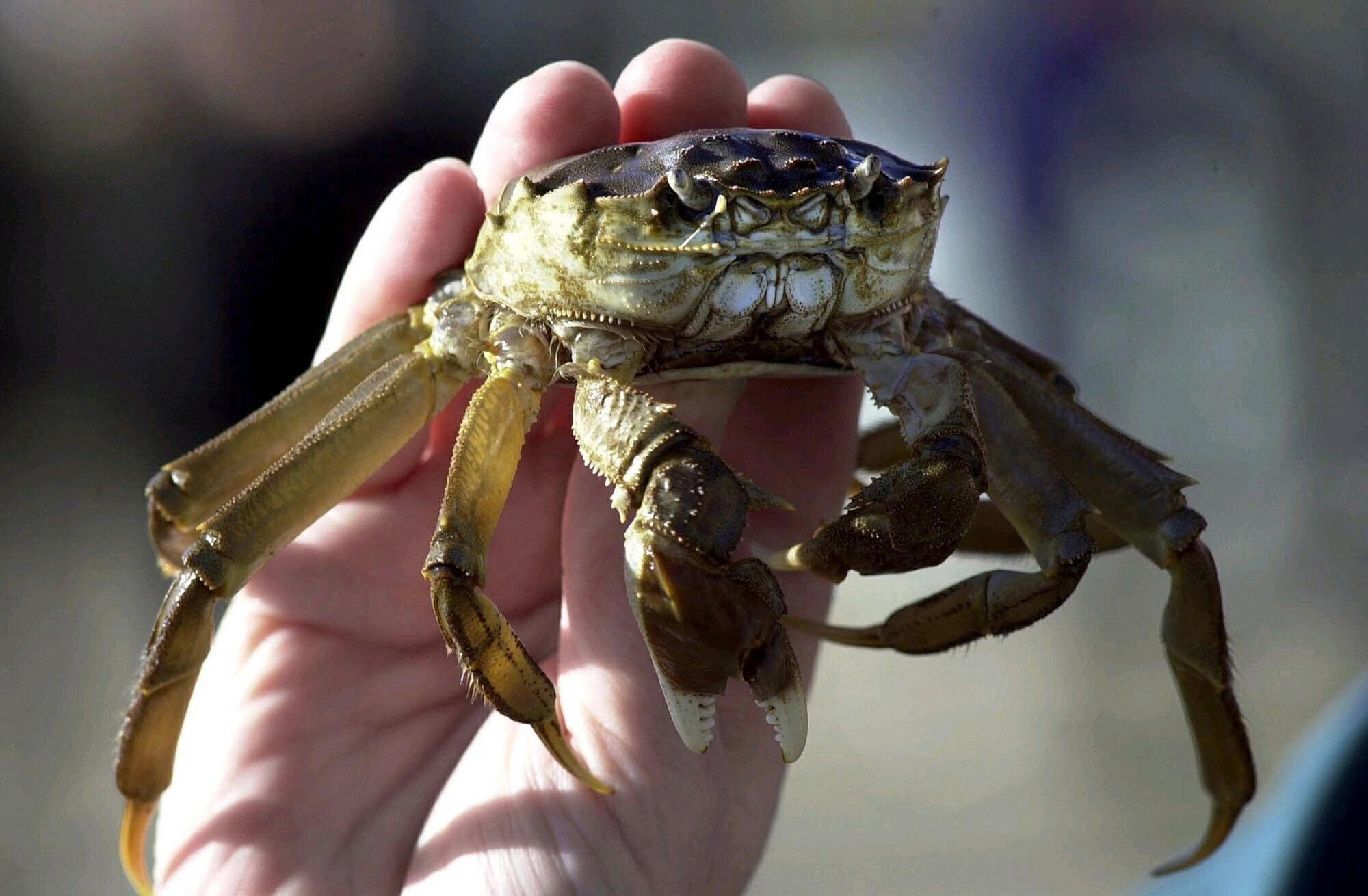
The Chinese Mitten Crabs can cause a lot of damage to soft banks through burrowing, thereby increasing erosion.
How so many strange creatures continue to arrive here is a constant source of wonder. The Chinese mitten crab has made the long journey and has been reported three times in Ireland, all in Waterford Harbour, the latest being in January of this year.
Like other invasive species, it could have come here by sea, either in ballast water or by hitching a lift on a ship’s hull. Some animals are brought in as pets, but that’s most unlikely in this case.
With ocean waters warming, we’re going to see more coming on their own steam. And experts such as marine biologist Kevin Flannery, of Dingle Oceanworld, Co Kerry, who meets many of them, will be kept busy on identification.

The Chinese crab is so-called because of mitten-like fur on its two front claws and the edges of its long legs are hairy. It is considered a delicacy by gourmets in Asia, but scientists here look at it as yet another nuisance that may impact our native and endangered white-clawed crayfish and species such as the protected Twaite shad fish.
Mitten crab are expanding in North America and England and, when numbers grow, they can cause a lot of damage to soft banks through burrowing, thereby increasing erosion. Most of its lifecycle is spent in rivers, but it moves to saltwater to breed.
Another exotically-named animal is making itself at home in the Shannon. Most people boating on the river this summer probably don’t see the quagga mussel, but this exotically-named visitor is adapting to life at various depths.
The quagga has spread from its native Ukraine as far as Mexico and is now listed among our unwelcome invasive species, which are a threat to some of our native animals and their habitat.
The Inland Waterways Association says the quagga is abundant in Lough Ree. It has also been found in Lough Derg and the stretch of the Shannon between the loughs.
The quagga is very like the zebra mussel and behaves in a similar way, according to Dr Jan-Robert Baars, of UCD, and Dr Dan Minchin, of the Lough Derg Science Group. Its activities can also lead to changes in water quality.
“The quagga mussel is likely to compete with the zebra mussel and native species. Having a wide ecological tolerance and suited to Irish climatic conditions, it is expected to become widely distributed in time,’’ they add.
The scientists warn that the species could be spread by boats to the upper Shannon, and through the Shannon-Erne waterway to the Erne. And, like many other pests, it can also be spread when boats are moved from one waterway to another. People are asked to clean all such equipment before moving it.


CONNECT WITH US TODAY



Be the first to know the latest news and updates