Working together for biodiversity: Why we need to help our pollinators and 10 ways we can do so
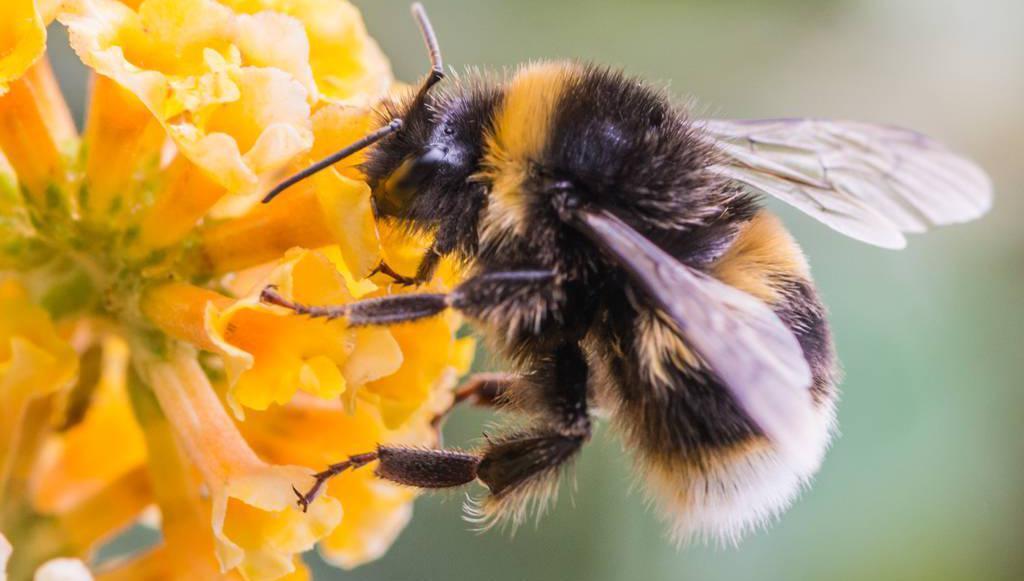
Pollinators are under threat in Ireland. Wild pollinators are in trouble because Ireland’s landscape does not currently provide enough food for them or enough safe nesting sites.
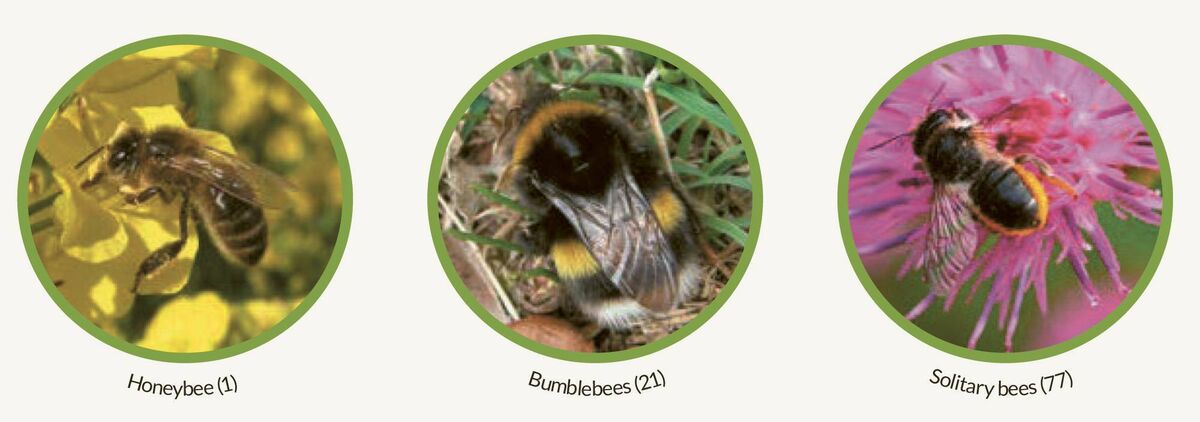
Pollinators are in decline with one-third of our 98 wild bee species threatened with extinction from the island of Ireland.
Wild pollinators are in trouble because Ireland’s landscape does not currently provide enough food for them or enough safe nesting sites.
The problem is serious and requires immediate attention to ensure the sustainability of our food, avoid additional economic impact on the agricultural sector, and protect the health of the environment.
Read the guide to find out more about this serious environmental issue and what you can do to help.
CLIMATE & SUSTAINABILITY HUB
Pollinators are important to farmers who grow pollinator-dependent crops and to those of us who want to grow our own fruits and vegetables.
Even if we don’t currently grow these crops, we should aim to retain the ability to do so for future generations.
Without bees, we will lose the colourful and distinct natural beauty of our landscape.
Three-quarters of our wildflowers also benefit from being pollinated by insects.
These plants in turn provide important food, including fruits and seeds, for our wild mammals and birds, while also providing them with shelter.
Helping pollinators will also help all types of biodiversity including birds, bats and bugs.
Dandelions provide vital food for hungry bees in spring.
Mow every 6 weeks from mid-April to allow flowers like clover to grow and provide food.
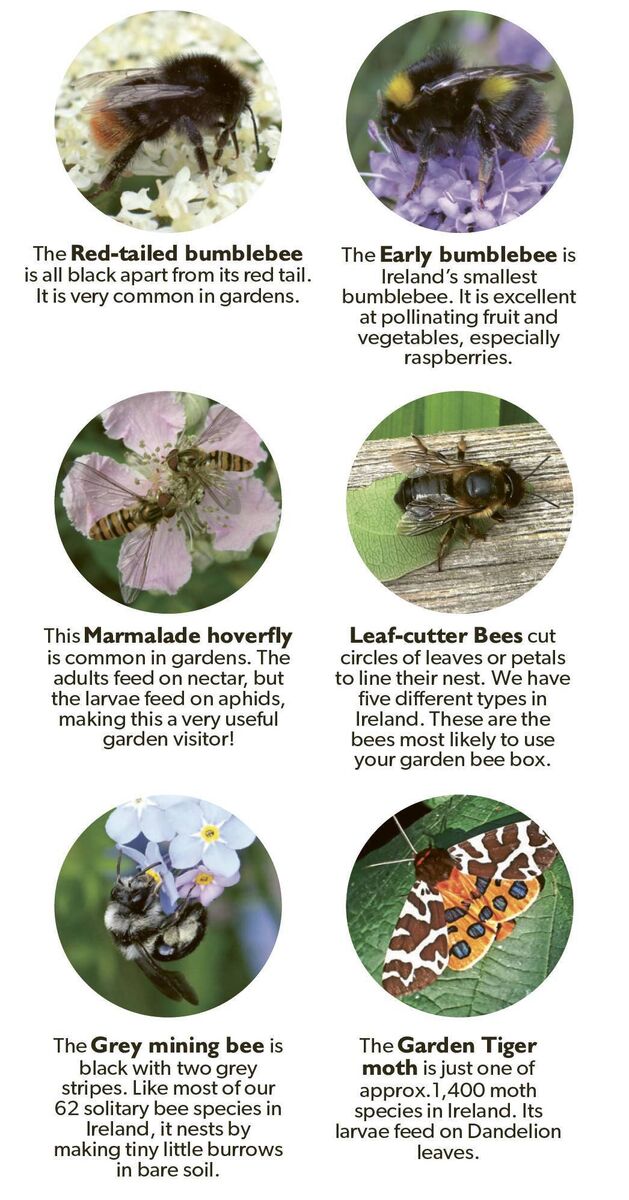
Plant Crocus, Allium or Snow- drop bulbs. They provide better food than Daffodils and Tulips.
Begonias, Petunias and Busy Lizzies don’t provide food for pollinators. See pollinators.ie for alternatives e.g. Calamintha nepeta.
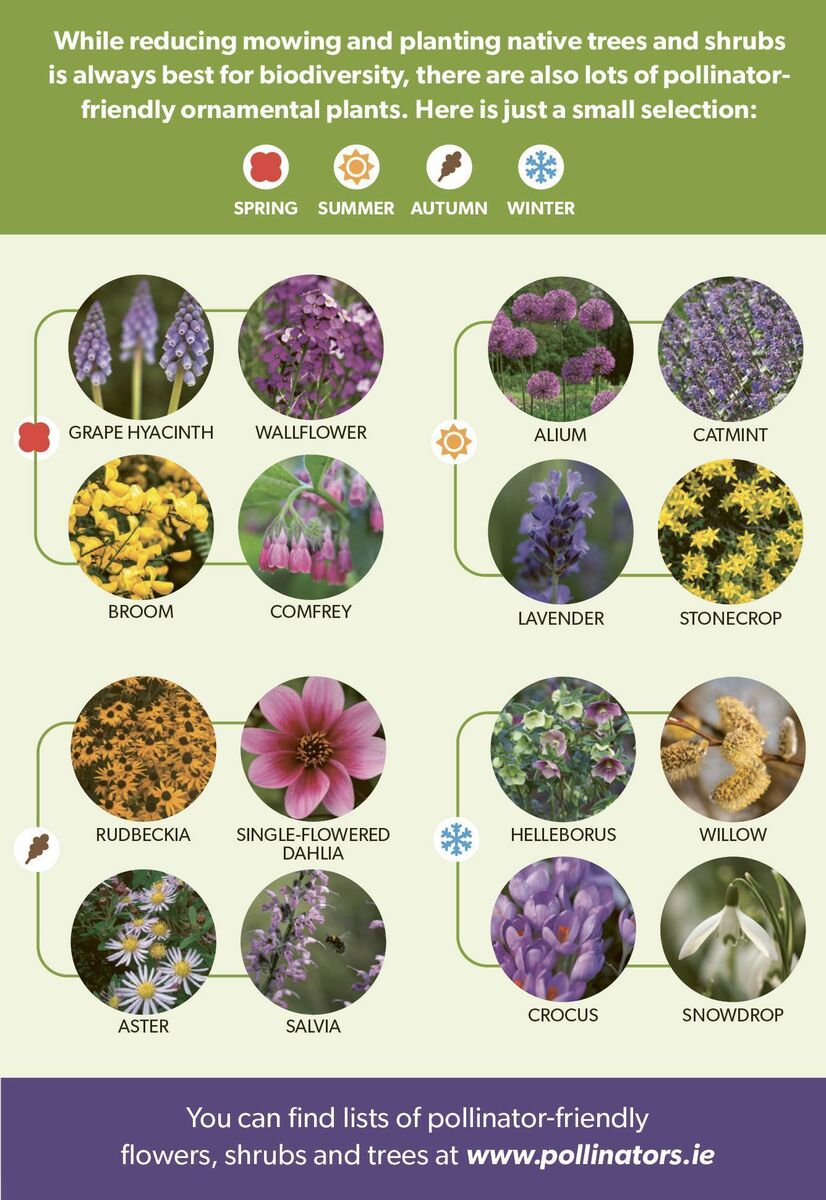
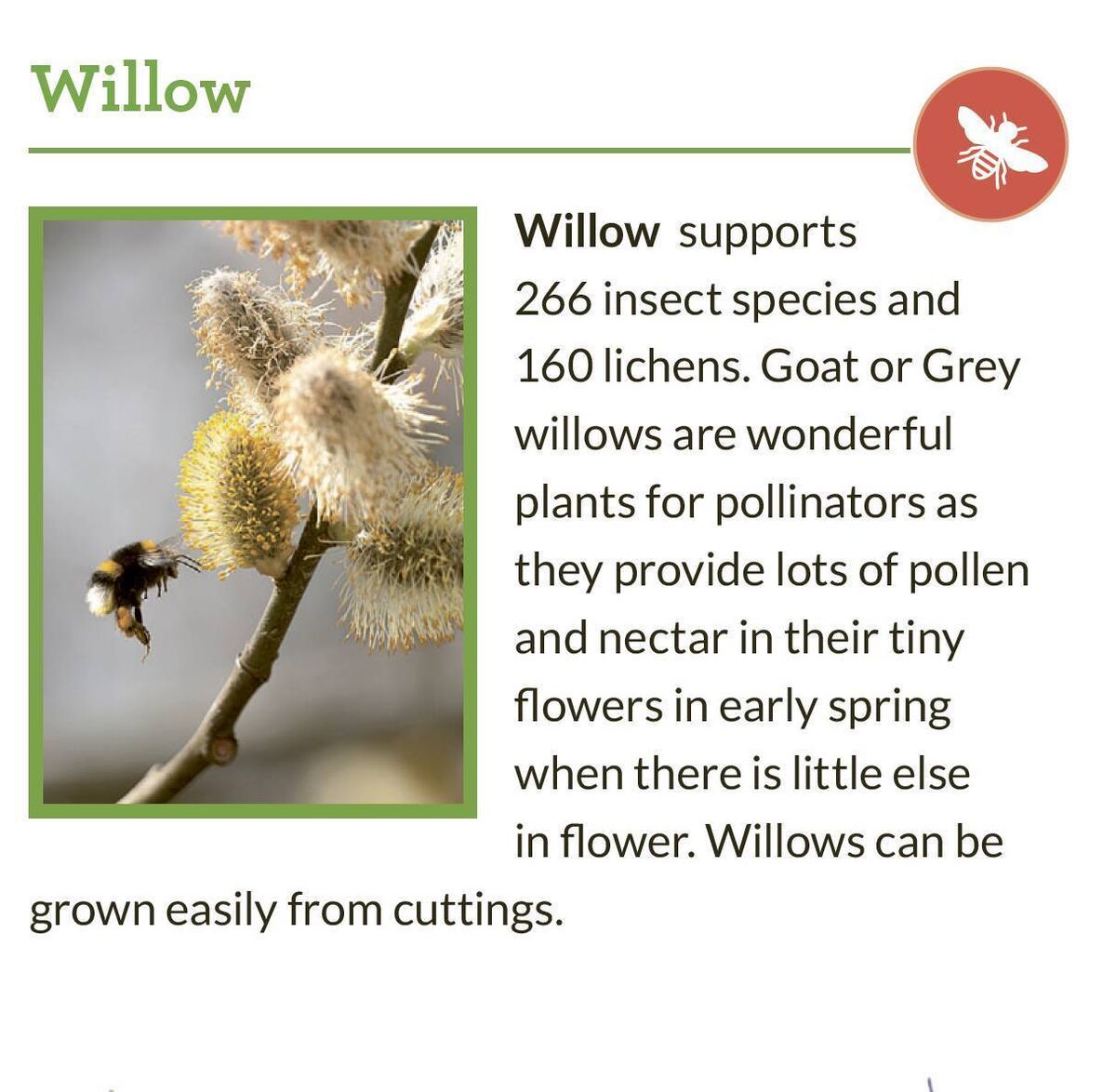
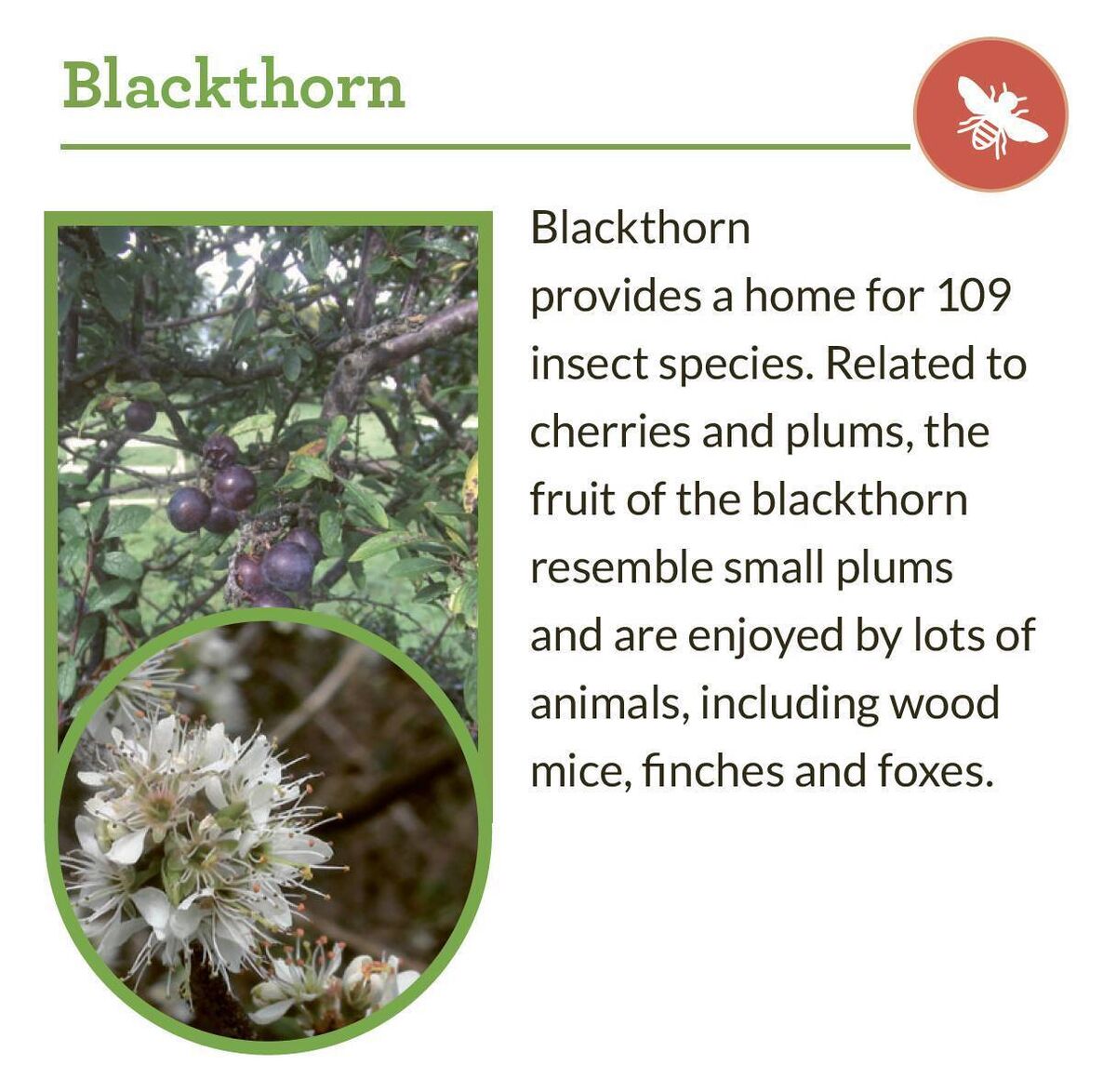
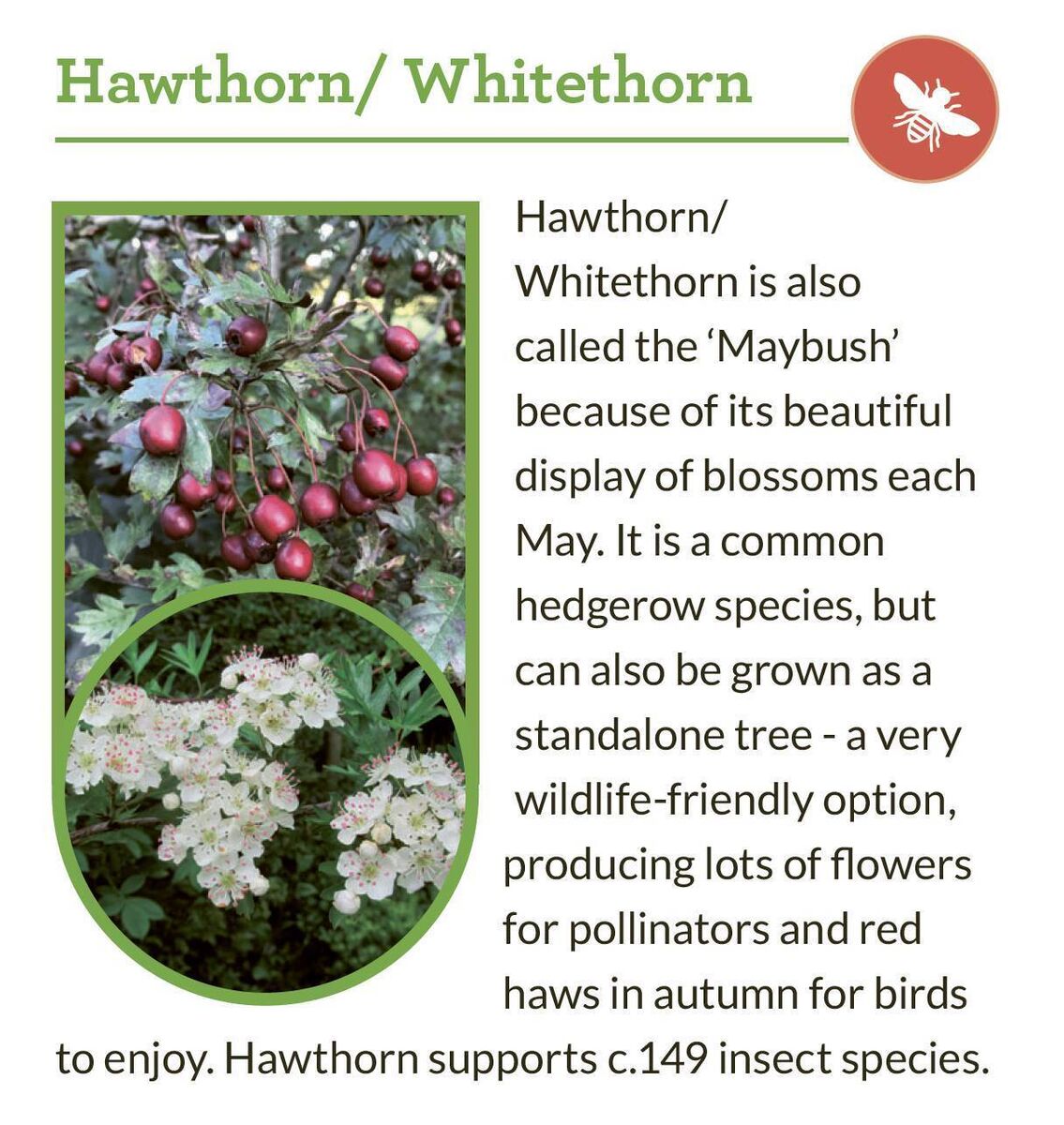
Willow, Hawthorn, and Blackthorn flowers provide important food for pollinators.
The overuse of herbicides is making it difficult for pollinators to find enough flowers to feed from.
Most of our bees need bare soil to nest. Create a small south-facing earth bank to provide shelter.
Inform the public where land is being managed for pollinators.
Draw up plans to educate the next generation. Kids love to learn and help.
Help track the increase in pollinator resources wherever you live, work or play
Pledge your garden for pollinators
Our pollinating insects are in decline, with one-third of our 98 wild bee species at risk of extinction.
By taking simple steps in your garden, you will help provide much-needed food and shelter for our pollinating insects, while creating a beautiful, colourful garden.
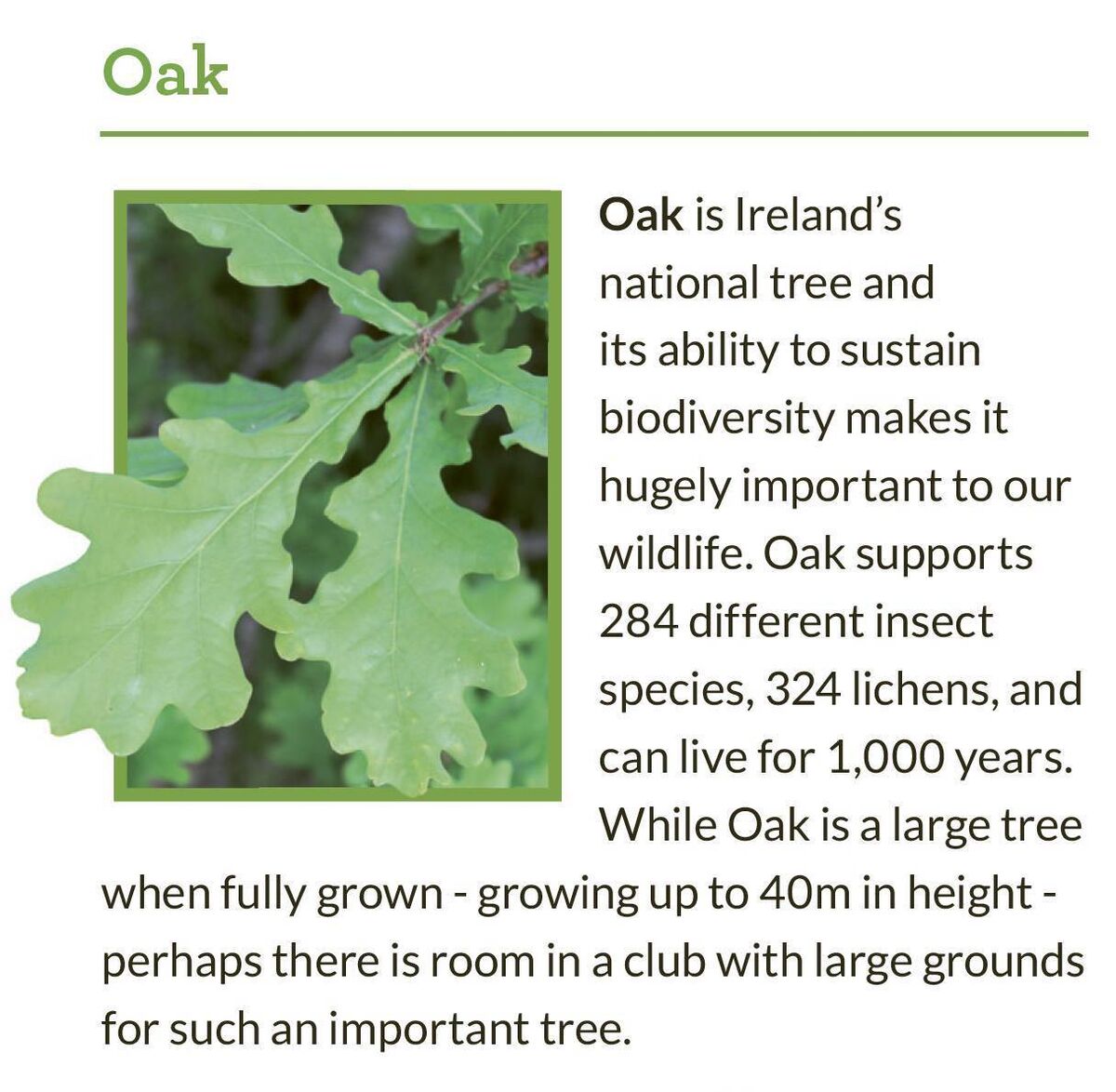
All native tree planting is a climate action, and will benefit biodiversity, as well as human health and wellbeing.
Have a look at the four options we have put together below.

CONNECT WITH US TODAY



Be the first to know the latest news and updates