Peter Dowdall: Scent is one of our garden's superpowers
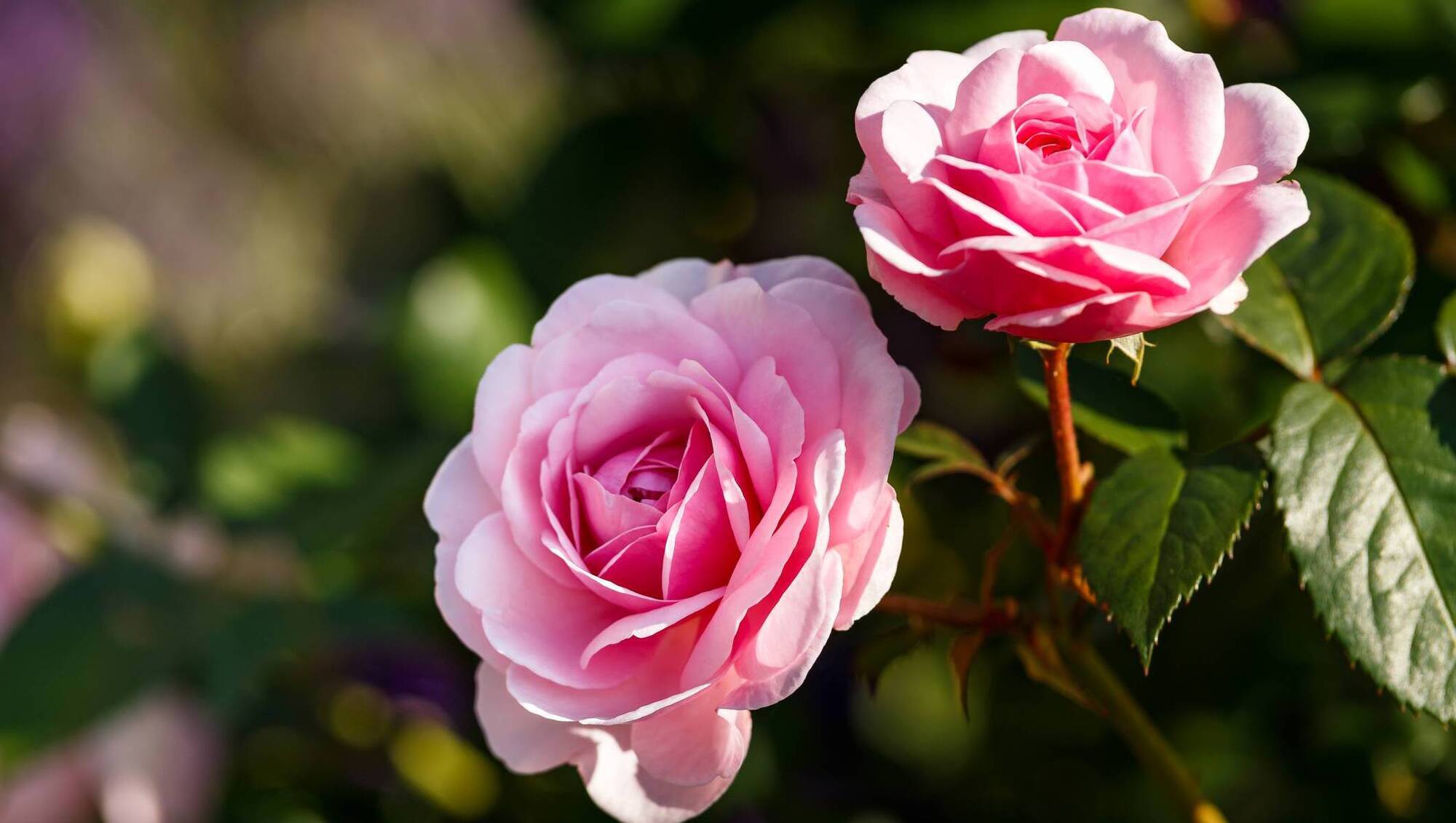
Of all plants, roses are probably those most associated with garden fragrance. Picture: iStock
I think that a good garden should appeal to all the senses. We want to see it, to feel it, to touch it, perhaps taste it, and definitely smell it. Scent is one of the most powerful parts of a garden, yet it is also one of the easiest to forget when we are planning.
We tend to think first about colour, then height, structure, flowering time and perhaps whether a plant is good for pollinators. All of those things are important, of course, but scent changes the way a garden feels.
A plant can look beautiful from across the lawn, but scent stops us on a path, it makes us pause at a doorway, it can remind us of childhood gardens, summer holidays or old roses. A scented garden is not just something to look at; it is something to step into.
Positioning scented plants in the garden is a bit different to other flowering plants. We often position plants where there is a gap, or because the colour works, or because we happened to buy one at the garden centre.
There is nothing wrong with that, but a scented plant in the wrong place is almost a missed opportunity.
If a rose is tucked away at the back of a deep border where nobody passes it, you may still enjoy the flowers, but you lose part of what makes it special. If lavender is planted where nobody brushes against it, you are missing that sudden release of scent on a warm day.
Near the front door is one of the best places to use it. A scented rose, lavender, rosemary, dianthus or a pot of scented-leaved pelargoniums can make coming home feel completely different. A front door with scent around it has a very different feeling to one surrounded only by paving and parked cars.
A pot filled with herbs near a kitchen door is useful, beautiful and fragrant. Herbs are brilliant in this way because they do not always throw scent into the air in the same way as flowers. Many of them release it when touched, brushed against or picked.
Thyme between paving, rosemary by a path, mint in a pot, lemon balm near a seat and lavender along an edge all make the garden more physical.
Some flowers are at their best later in the day, not necessarily because they suddenly look more dramatic, but because their scent becomes more noticeable. Nicotiana is one of the great evening-scented plants, especially the white forms, which seem to glow as light fades.
Night-scented stock is not the showiest plant in the world, but that is almost the point. It is grown for the perfume, not for a perfect flower display. Place it near a patio, bench, open window or path, and it can transform an August evening.
These two plants are two of the first that I ever grew from seed as a small child, and whenever I get the scent now, it sends me right back.
Jasmine is a classic choice for pergolas, arches, walls and fences, and is especially valuable near seating areas. Plant jasmine in a sheltered spot, particularly near the house where heat from walls and paving can help carry the scent.
Lily is another plant that can be powerfully fragrant, sometimes too powerful in enclosed spaces. Lilies are best used where the scent can drift rather than overwhelm. Pots are useful because they allow you to move them if needed.
The same is true of scented-leaved pelargoniums, which are excellent in containers on sunny patios, where their foliage can be touched and enjoyed.
Of all plants, roses are probably those most associated with garden fragrance. Not all roses are strongly scented, so it is worth choosing carefully.
Some modern roses have been bred more for flower power and disease-resistance than perfume, though some excellent varieties offer both. A scented rose should be planted where you can actually get close to it, beside a path or near a seat.
Sweet peas are another summer favourite of mine and should be picked constantly. That is part of their charm: the more you pick, the more they flower, and a small bunch brought indoors can carry the garden into the house.
Phlox can bring wonderful scent to late summer borders too, and works well near patios or seating areas where its perfume can be appreciated in the evening.
So when you are thinking about what to plant next, do not just ask where the colour is needed; think about where the scent will be noticed.

- Got a gardening question for Peter Dowdall? Email gardenquestions@examiner.ie

CONNECT WITH US TODAY



Be the first to know the latest news and updates