Peter Dowdall: Organic matter is essential for heavy clay or sandy Irish soils
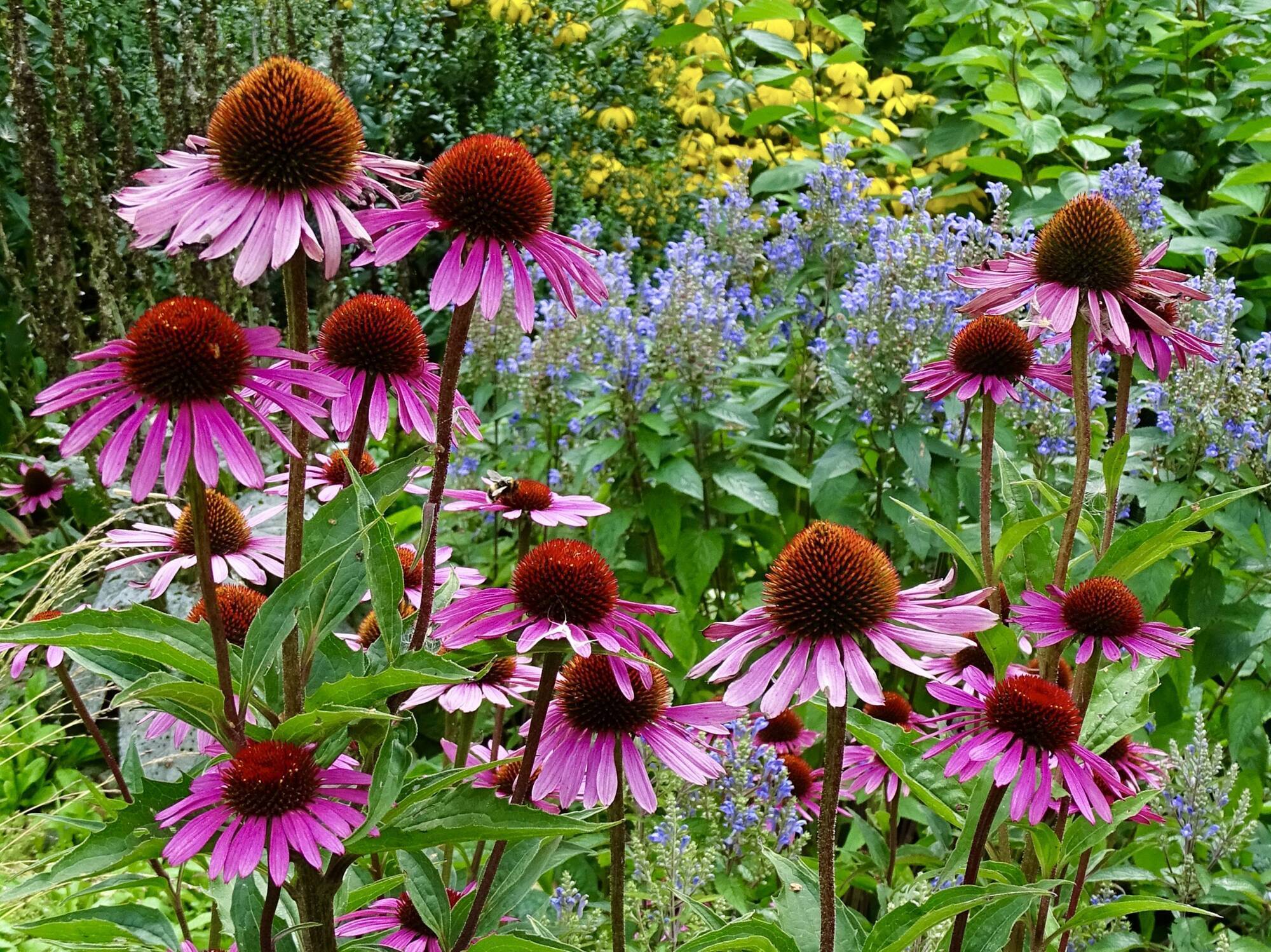
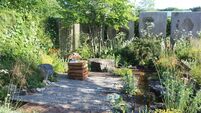
The single-flowered Echinacea purpurea, Agastache, and Nepeta are not just beautiful but also beneficial to pollinators. Picture: iStock
There is a gardening argument that has rumbled on for years, pitched as perennials versus annuals, as though you have to choose a side and defend it.Â
You do not, as both have a genuine place in the garden, and understanding where each one earns its keep will give you a more colourful and beneficial garden across a longer season.

Before any of that, though, let's start with the ground itself, because neither annuals nor perennials will perform well if the soil is not up to the job. Irish soils vary enormously, from heavy clay in one garden and light and sandy in the next, and all of them will benefit from the addition of good organic matter. Homemade compost is an excellent addition to any soil, along with well-rotted farmyard manure, leaf mould, or a good quality bought compost. These will all help to improve structure, drainage, and moisture retention, and by working organic matter into the top layer of soil before planting rather than just leaving it on the surface, you are giving plant roots an invitation to grow deeper.
When it comes to feeding the plants during the growing season, I would encourage you again to look at feeding the soil first and using biochar-based plant foods. Biochar is a form of charcoal produced from organic material at high temperatures, and what makes it particularly beneficial in a garden context is that it does not simply deliver nutrients and disappear. It stays in the soil, improving its ability to hold onto nutrients and water, and supporting the microbial activity that plants depend on. A conventional plant food feeds the plant, whereas a biochar-based one improves the soil that the plant is growing in.
Read More
Perennials are the backbone of most gardens as they will come back year after year, spreading and giving you a garden that becomes more established and full-looking each year. The key is to think across the whole growing year rather than just summer. For spring, Primulas, Pulmonarias, and the early hardy Geraniums are invaluable. Into summer, you are spoiled for choice with Echinacea, Rudbeckia, Astrantia, Penstemon, and Salvias among many others. For autumn colour and late season interest, Asters, Sedums and Knautia are worth their place in almost any Irish garden, and all are good for pollinators.
We hear lots these days about planting for pollinators, as marketers have jumped on the bandwagon, but the advice is sometimes undermined by the plants being sold alongside it. Many perennials and many annuals have been so intensively hybridised for showier flowers, bigger blooms, or new colours that the pollen and nectar the insects actually need have been bred out of them.
A double-flowered Echinacea looks spectacular in a photograph but is largely useless to a bee. If pollinator support matters to you, and it should to all of us, then seek out species forms and open-pollinated varieties. With perennials, the species Salvia, single-flowered Echinacea purpurea, Agastache, and Nepeta are not just beautiful but also beneficial.
Many of the bedding plants that we grow, such as busy lizzies, Petunias, and Begonias that fill garden centre tables every summer, are bred for visual impact and little else.
It’s up to you if you want to avoid them entirely, but it is worth knowing. If you want annual colour that actually supports pollinators, look at Borage, Nasturtiums, and single-flowered Cosmos, along with Bidens and Bacopa. Calendula is one of the most useful plants you can grow, cheerful, long-flowering, and self-seeding if you let it. Ammi, known as Queen Anne’s Lace, is also worth seeking out.
Annuals or bedding plants come into their own in containers and hanging baskets, where they deliver colour at height and close range, can be managed with watering and feeding, and refreshed entirely each year. If your garden already has a colour scheme, perhaps blues and purples running through the borders, or a warm palette of reds and oranges, then carrying that scheme into your containers will give the whole garden a pulled-together feel. But if your garden is more eclectic, or you simply like what you like, then go your own way. Every garden is individual, and the idea that everything must match is one of those design rules that can be totally ignored if you want to.
In a newly planted garden, when you have put in perennials and shrubs that have not yet knitted together or filled their space, the temptation is to overplant, to squeeze in extra permanent plants to fill the gaps. This is something I would advise against as those plants will grow, and what looks sparse now will, in a few years, be overcrowded.
Instead, use annuals to fill the gaps in years one and two. They will give you colour and life while the permanent planting matures, and then you simply stop growing them as the border fills out naturally.
Choose annuals that will work hard across the season. With decent deadheading and an occasional feed through summer, Cosmos, Calibrachoa, and Osteospermum will carry right through to the first frosts, giving you colour from late spring until well into October in most Irish gardens.