Fixing wall scuffs and cracks: A guide to invisible repairs
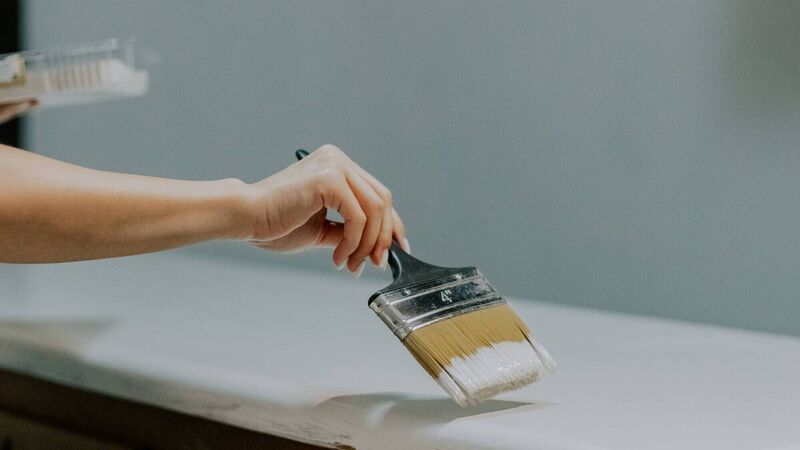
Done properly, a touch-up is virtually invisible. Done badly, you end up with a patchy wall that looks even more obvious than the original damage did.
Every home has a few minor cracks and scuffs in the wall. It’s a normal part of settling and wear and tear, and they usually fade into the visual background. I have a few minor ones that I had put on the long finger for the past few years, and there’s a chance I would actually never have gotten around to fixing them. Until action was forced upon me.
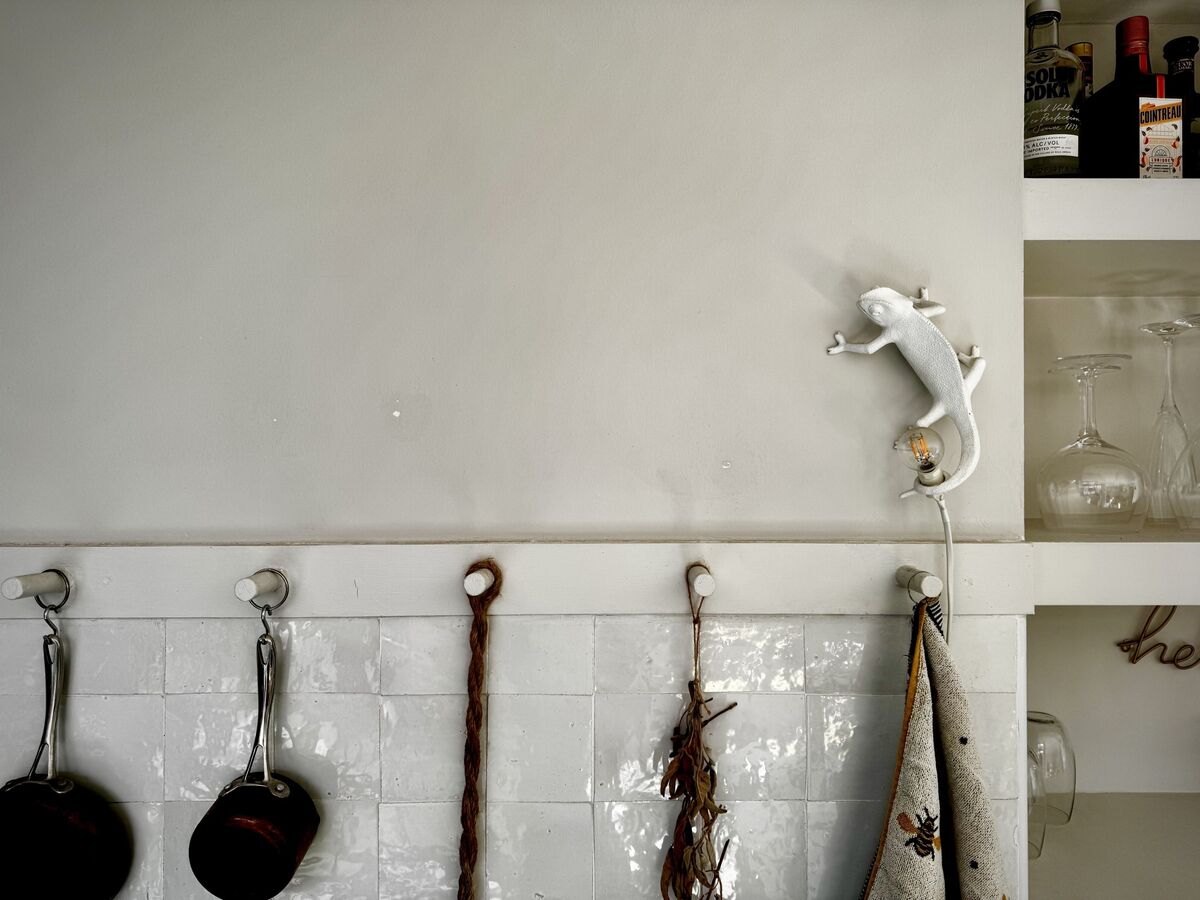
In the hectic blur of taking down my Christmas decorations in early January, I yanked a Command hook off my kitchen wall without following the instructions - the ones that say to pull the tab slowly and at a downward angle. I did not pull it slowly. I did not pull it at a downward angle. I yanked it straight, and off came a very satisfying little disc of paint and plaster with it. What’s worse - I did it with two of them. Well, what better time than a bank holiday weekend to get to work.
Done properly, a touch-up is virtually invisible. Done badly, you end up with a patchy wall that looks even more obvious than the original damage did. Here's how to do it properly - as with everything, it’s all in the prep.
For even the smallest chips and scratches, you will need a filler. Trust me on this, especially if the crack or chip is anywhere visible. My favourite is Polyfilla Advanced by Polycell - it’s easy to apply, dries quickly, and doesn’t shrink much. Next, you’ll need a filling knife. I borrowed one from my DIY-expert friend Kate (@victorianrathmines on Instagram) but you’ll find them for a few euros in a hardware shop - you do not need a fancy one with a handle, the small ones are perfect. Some fine-grit sanding paper is next - around 180 grit.
Crucially, next, you need your paint. This is the most important thing to get right. You will also need a small paintbrush or roller - ideally, use the same tool that was used to apply the original paint. Finally, you will need a sheet of kitchen roll - I’ll explain why later.
This is the most important item on the list because it needs to match your original paint. If you have the original tin, you are in an excellent position. Keep it, label it, and treat it like the household treasure it is.
If you don't have the original tin, all is not lost. Most good paint retailers offer a colour matching service where they can scan a chip of paint and mix a match. It's not always perfect, but it's far better than guessing.
One critical thing, which people almost never think about when matching paint, is the finish. Paint comes in matt, eggshell, satin, silk, and gloss - and if you apply a matt touch-up over an eggshell wall, or vice versa, you will see it. The sheen levels are different and they catch light differently. My walls are painted in a flat matt finish, which is actually the most forgiving for touch-ups because it has no sheen at all. If your walls are eggshell or satin, be especially careful to match the finish exactly - it matters as much as the colour.
First, clean your wall. I like to use a magic eraser sponge for this - these are the white melamine foam sponges you'll find in any supermarket, usually near the cleaning products. The most important thing is to remove any greasy residue from the walls, as this will affect the paint finish.
Next, clean the edges of the crack or chip. Use the knife to scrape away any large pieces that are sticking out, and give the area a light sand. You want to start with a smooth surface here - ensure nothing is poking out at the edges.
Wipe everything down with a microfibre cloth, ensure the area is dry, and you’re good to go.
This is easy, so don’t over think it. Take a dab of Polyfilla on the top of the filling knife, then use the knife to push the filler into the crack or chips. Once the chip or crack has been filled in, use the sharp edge of the knife to scrape it all flat. Again, you want to end up with a smooth surface here. Take your time and refill as needed, ensuring you scrape every time. You have a few minutes to work here until the filler dries.
Fun your fingers over the area once it has dried, and if you feel it is not smooth, you can give it a quick once-over with the sandpaper. Wipe away the dust with a barely damp cloth and let everything dry completely before you go near it with a brush.
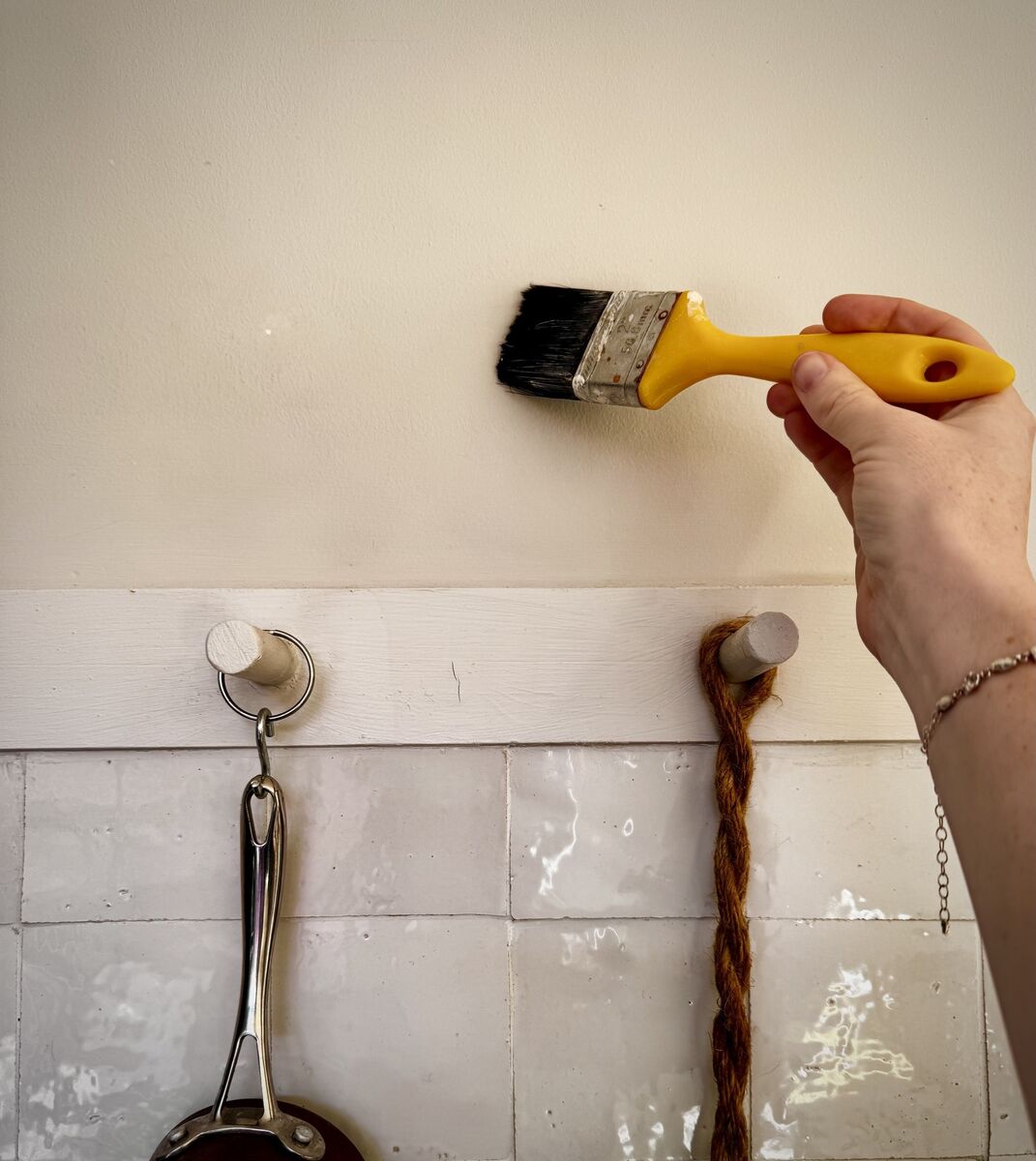
Take your paintbrush or roller and apply your paint to the area. Use the “feathering” technique, which means blending the edges of your touch-up into the surrounding wall gradually, so that there is no hard line between old and new paint. Once I had the main coat done, I found it helpful to dip my paintbrush in a tiny amount of water, and then work at the edges with increasingly light strokes. This meant the paint thinned out naturally as I moved away from the centre, and was highly effective at eliminating that hard line.
You need very little paint for this. Most touch-up disasters happen because too much paint was applied. Load the brush sparingly, work lightly, and build up slowly.
I saw this tip on YouTube and it sounded odd until I tried it - but trust me, you will never do a touch-up without it again. Once you've applied your paint and feathered the edges, take a sheet of kitchen roll, scrunch it loosely into a ball, and dab it gently over the wet paint. Don't press hard, just lightly stipple the surface in a patting motion.
What this does is break up the brush marks and create a very slightly textured finish that mimics the existing wall surface far better than a brush finish. Walls are not perfectly smooth, and a kitchen roll dab goes a long way toward recreating that. If you have used a roller, this tip may not be needed, but it’s worth knowing about.
In most normal lighting, a careful touch-up is invisible, but in certain lighting conditions, even a well-executed touch-up will often be slightly visible initially.
The good news is that this almost always improves with time. Paint continues to cure for several weeks after application, and as it does the colour deepens slightly and the sheen settles. The new paint also gradually picks up the same subtle layer of ambient dust and atmosphere that the rest of your wall has acquired over time.


CONNECT WITH US TODAY



Be the first to know the latest news and updates