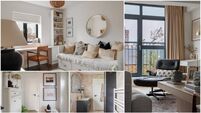
Jennifer Sheahan: Custom joinery and built-in furniture can transform your home
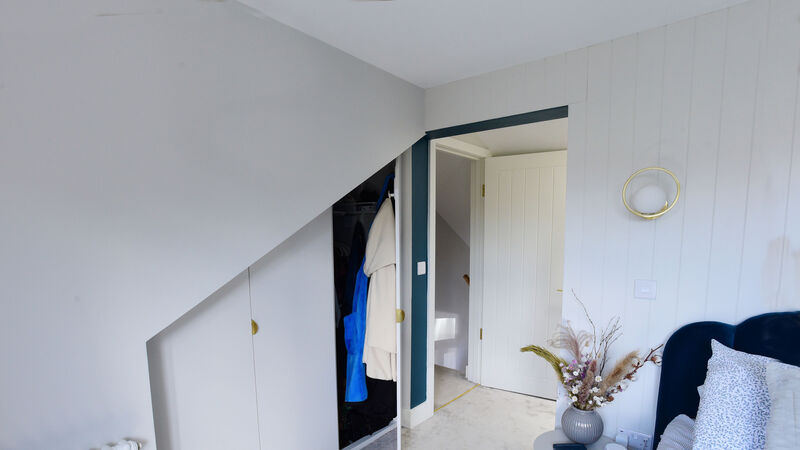
Custom doors hide the Elfa modular wardrobe system under the eaves of Jennifer Sehahan's home. Pictures: Moya Nolan
If there is one upgrade that can completely transform how a home functions and feels, it’s built-in furniture. It is, hands-down, the best way to maximise your storage and to provide a seamless, polished look. Done well, custom joinery can make a room feel calm, organised and beautifully tailored to the people who live there. Done badly — or used in the wrong place — it can become an expensive and permanent mistake. The key is understanding when it’s truly worth committing to.
Custom joinery really comes into its own when your home has tricky dimensions. Under-stairs storage, alcove shelving, sloped ceilings and narrow hallways are all areas where off-the-shelf furniture is often too boxy to wedge in. In these situations, built-ins can turn otherwise wasted space into something much more useful.
Wardrobes are the classic example, and one I know well from my own home. The bedroom space I had available fell under the eaves — an awkward, sloped area that no standard wardrobe would ever fit properly. I did shop around for built-in wardrobes, but I struggled to find anything that would work in that space, and the quotes were eye-watering.
My solution was the Elfa system, which offers a highly flexible and customisable interior. I finished this with bespoke sliding doors made by the Panelling Centre and installed by my builder. The result looks like seamless, purpose-built joinery from the outside, but the interior can be adjusted and reconfigured over time. It’s a combination I’d recommend to anyone dealing with an awkward wardrobe space: the flexibility of modular interior, with the clean finish of a custom door.
In older Irish homes, especially, walls are rarely perfectly square and ceiling heights can vary dramatically from room to room. A floor-to-ceiling built-in that’s made to measure will always look more polished than something bought off the shop floor and nudged into place.
Built-ins are particularly valuable when you need storage to work hard. Think hallway cabinets that swallow coats and shoes, home-office desks that fold away to hide messy workspaces in the evenings, or window seats with drawers underneath. These pieces don’t just look good — they make daily life genuinely easier.
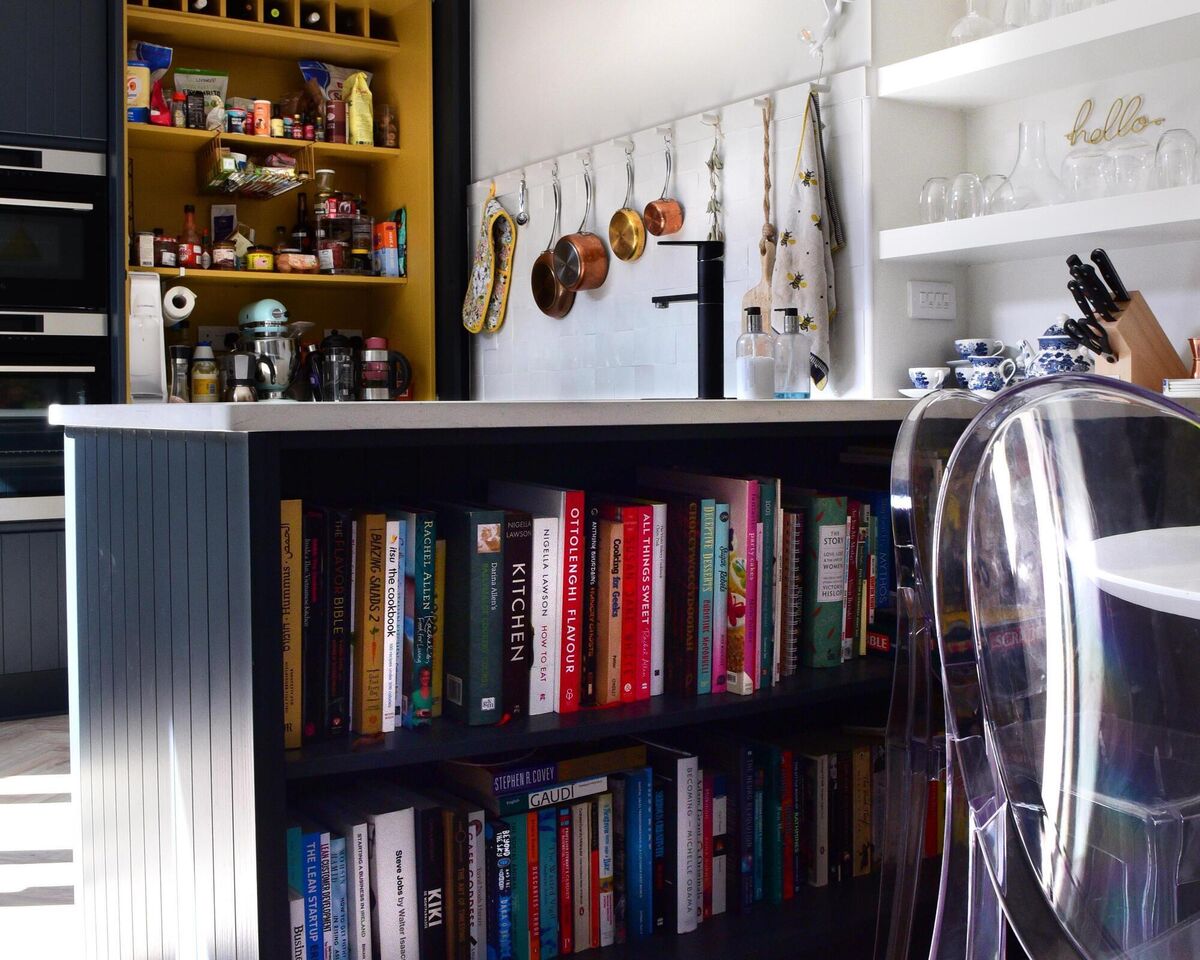
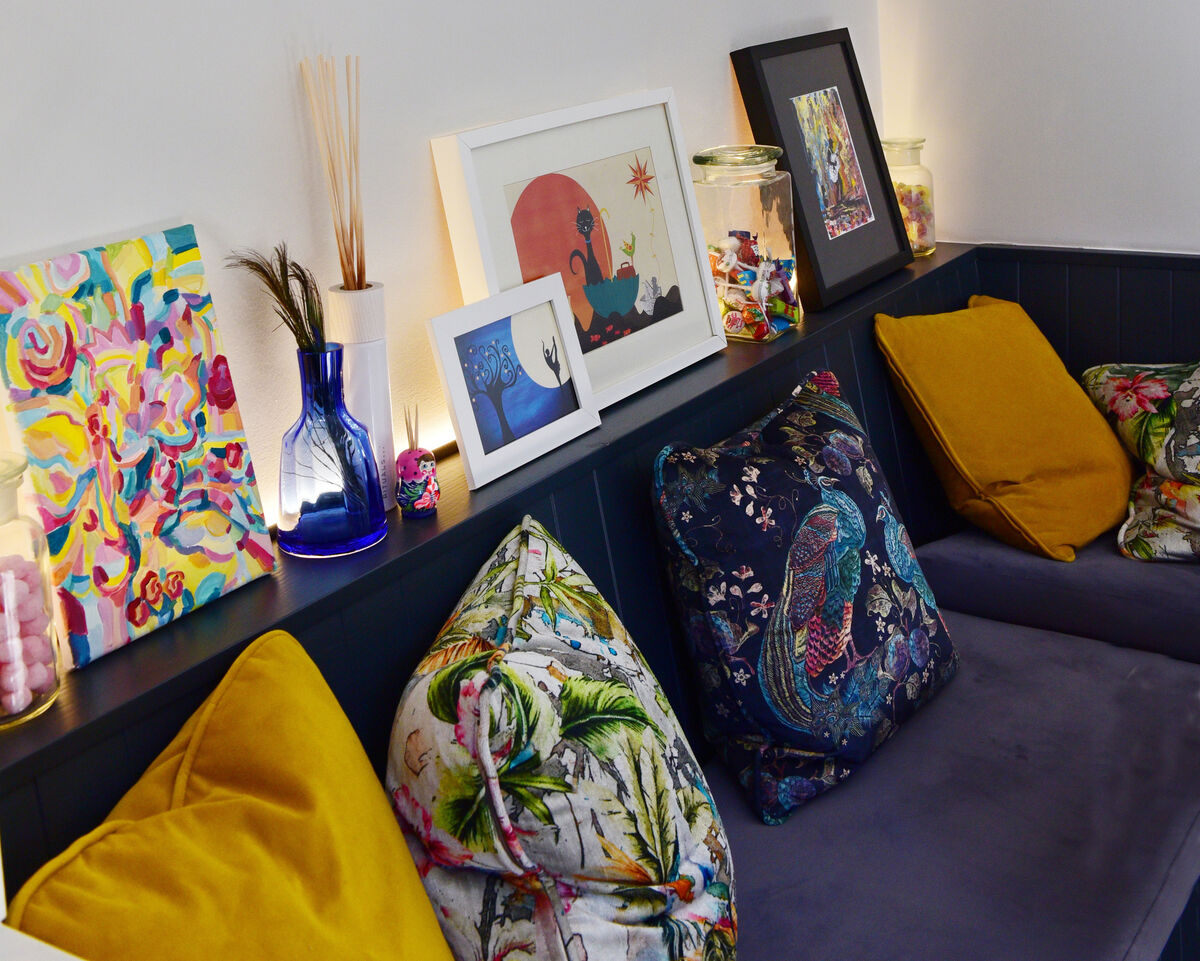
This is another area I invested in in my own home. The banquette seating in my dining area was made by Savvy Kitchens alongside my kitchen. Underneath the seat is a run of storage that I’d be lost without. Savvy also created extra storage in my kitchen peninsula by making it deeper and adding bookshelves on the back. Without custom joinery, all of this space would be wasted, taken up by standard dining chairs that offer no storage. The cost was more than worth it.
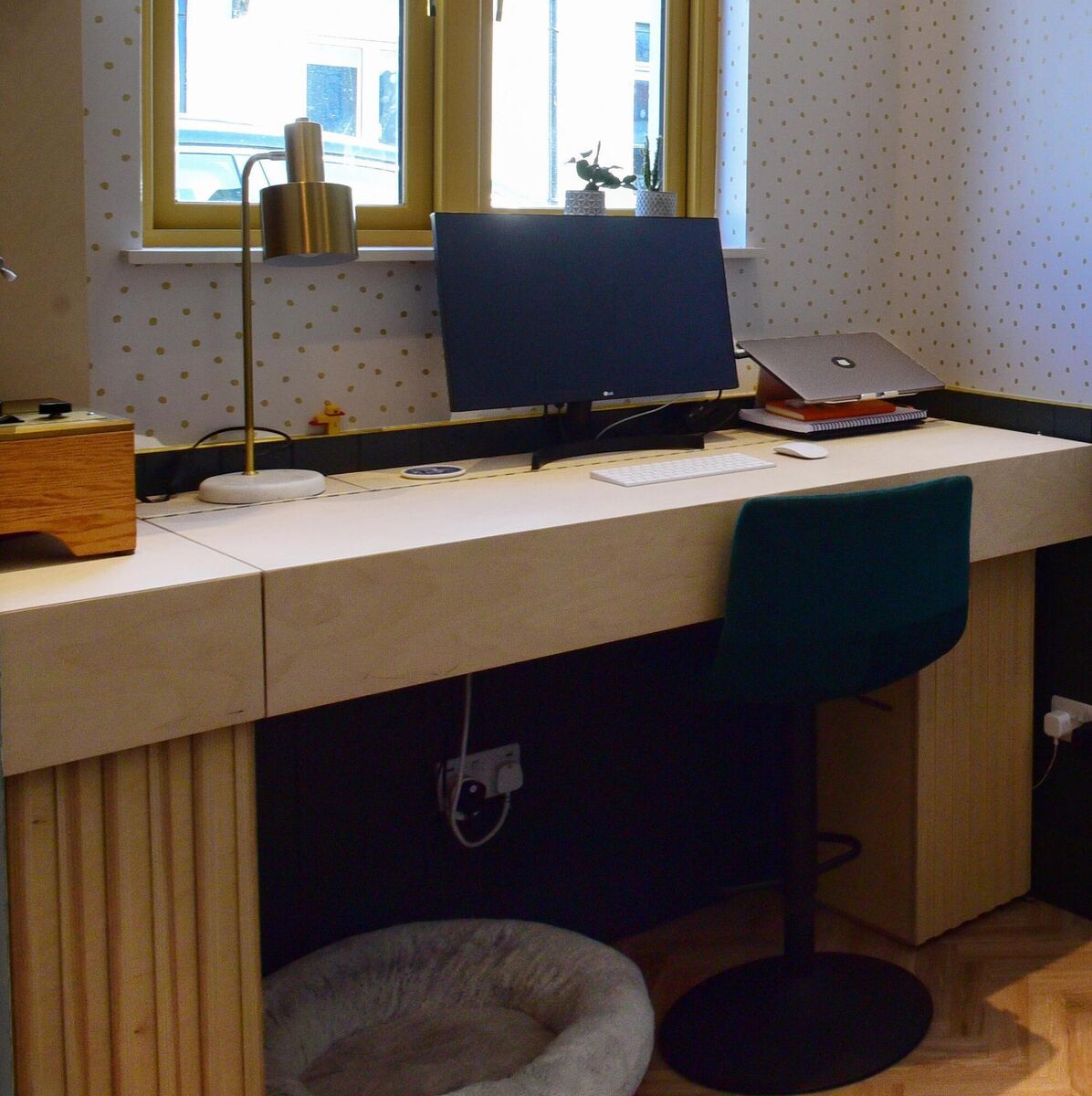
The other piece I’d highlight is my custom desk, made by Borien Studios. What makes it special is a hinged lid that conceals a keyboard — so at the end of the day, the desk closes over, and the room transforms from a home office into a music room. Borien put considerable time and creative energy into designing a piece that fits the room precisely and functions exactly how I need it to. That level of customisation effectively doubled my space by offering dual functionality in one room.
Clearly, I have a lot of enthusiasm for well-designed custom furniture! That said, not everything needs to be fully custom. There is a middle ground that can work brilliantly, before you commit to a big budget item — especially if you’re handy.
Wardrobe carcasses from Ikea or similar flat-pack systems can be installed and then finished with bespoke doors, panels and trims to create a built-in appearance at a significantly lower cost. This hybrid approach — flat-pack interiors with custom finishes — is one I’d encourage more people to consider. It delivers the look of joinery without the full joinery price tag, and the interior storage can still be well thought-through and flexible. Even simple upgrades such as paint and new hardware can make a difference. Adding a plinth or a trim so that the furniture is flush with the wall gives a polished, high-end look.
One real downside of built-in furniture is that it is, by definition, permanent. That’s wonderful if you plan to stay in your home long-term and your needs are unlikely to change dramatically. But if there’s any chance you’ll be moving in the next few years, or if a room might need to change function — a home office that becomes a nursery, a playroom that eventually becomes a teenager’s bedroom — then flexible, freestanding furniture is sometimes the smarter choice.
It’s worth having that honest conversation with yourself before you commission anything. Built-ins are a commitment, and the best ones are designed with a clear sense of how the space will be used for years to come.
When commissioning joinery, the layout and proportions matter just as much (if not more!) than the exterior design and finish. Beautiful timber won’t save poorly designed storage. Before anything is built, spend real time planning how shelves, drawers and cupboards will actually be used day to day.
Think about internal wardrobe layouts — the ratio of hanging space to shelving, the height of rails, the depth of drawers. Think about lighting inside cabinetry, and whether you need access to sockets or charging points. These details are so much easier to build in from the start than to retrofit later, and they’re the difference between joinery that looks nice and joinery that genuinely improves how you live.
Choose timeless designs over anything too trend-driven. Built-ins are a long-term investment and the most enduring ones tend to be the simplest — clean lines, quality hardware, and a finish that will still look well in ten years.
CONNECT WITH US TODAY



Be the first to know the latest news and updates