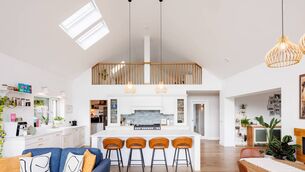
Choosing Furniture
Furniture is one of the most exciting parts of designing a home - and also one of the easiest places to come unstuck. There are endless options, endless styles, and no shortage of opinions on what you ‘should’ choose. Walk into any furniture showroom on a Saturday afternoon and you’ll see the glazed look I’m talking about.
But when I visit people’s homes to help with interiors, I rarely find that the problem is a lack of nice furniture. Plenty of furniture is nice. Usually, the pieces simply haven’t been chosen to work together - or the room hasn’t been thought through before the shopping started. Creating a home that feels calm, cohesive and genuinely put-together has surprisingly little to do with trends, and a lot to do with understanding a few simple principles.
Start with your foundation pieces
If you’re trying to pull a room together, the single most important thing you can do first is identify your foundation item - the piece (or pieces) that will anchor the space in each room or zone. That usually means the couch in the living room, the table in the dining area, but it may be a pair of statement armchairs or a particularly stunning drinks cabinet. Once that decision is made, the smaller elements - side tables, lamps, cushions, art - will layer in much more easily.
My own living room was built entirely around my couch - the Baltimore from Finline Furniture, in a bold turmeric yellow. Having a strong anchor meant the rest flowed naturally.
Design for how you actually live
Before you think about colour or style, always ask yourself what you actually need this piece of furniture to do. If you spend most evenings horizontal binging Netflix, a full length couch will suit you far better than a pair of armchairs. If you entertain, you want armchairs that will let people face each other - not sitting shoulder to shoulder staring at the wall.
For smaller dining areas, I always tables with a central pedestal stem - the Tulip Table style is the classic example. Without legs in the four corners, people can actually sit comfortably all the way around, and extra guests can be squeezed in far more easily (without banging their knees). It’s one of those design decisions that looks elegant and works brilliantly in practice. I pair mine with clear Ghost chairs, which have the added benefit of taking up very little visual space - in a compact dining area, that visual lightness makes a significant difference to how the room feels.
Make your furniture work hard
In a small home, multi-functional furniture is magic. A storage ottoman bed is absolutely fantastic in homes where storage is so often at a premium. The lift-up base gives you a generous, hidden space that makes a real difference day to day - choose this over a bed with drawers, as you will be able to fit much more in. Bench seating with storage underneath is a no-brainer in a dining area, plus you will fit far more people around the table when needed. Sofabeds, wall beds (my personal favourite), and other transforming furniture items such as fold-down desks are brilliant for creating multi-functional rooms in your home.
Size matters more than you think
One of the most common mistakes I see - especially in smaller homes - is choosing furniture that is too small for the space. It sounds counterintuitive, but small furniture can shrink a room. It’s better to choose fewer, full-sized items. What matters is the overall proportion, and the rule I always give clients here is simple: buy the biggest piece that comfortably fits the space. For example, allow your couch to stretch almost the full length of the wall, leaving around 10 centimetres on either end.
Before buying, measure carefully, mark it out on the floor with tape if you need to, and always factor in circulation - people should be able to move through a room without squeezing past furniture.
Placement is key
One small tip that makes a surprisingly big difference: pull your furniture a few centimetres away from the wall. That slight gap will create a sense of breathing space that makes the whole space feel less cramped.
Always remember that furniture doesn’t have to live around the edges of a room. It’s a habit many of us have - just putting everything against walls - but using furniture to create zones within a space can be transformative, particularly in open-plan homes. A couch positioned with its back to the kitchen can instantly define a living area. Just make sure the back of the couch is something you’re happy to look at - or add a slim credenza or console table behind it to finish it off. A bookshelf works beautifully as a room divider too, with the added bonus of being practical and full of personality. Think of your furniture as architecture, not just seating.
Mix styles to avoid the showroom effect
Rooms that feel overly ‘matchy’ tend to look like a furniture showroom rather than a home someone actually lives in. The trick is to mix pieces from different eras and materials - a contemporary sofa beside a vintage side table, a traditional wood dining table with sleek modern chairs. The layering of old and new is what gives a room depth and personality.
You can find vintage gems in second hand shops or on Adverts or Facebook Marketplace for a fraction of what they’d cost new. The key for buying quality is to go for solid materials that can be easily sanded or refinished. It’s no harm to familiarise yourself with brands who have a reputation for long-lasting items such as G Plan or McIntosh, so you’ll know when you’ve snagged a quality bargain.
Choose fabrics with real life in mind
Fabric choice is where a lot of people get caught out - particularly those with children, pets, or simply a busy household. Beautiful fabrics exist on a spectrum from practical to aspirational, and it’s worth being honest with yourself about where your life sits.
My personal favourite option for family- or pet-friendly furniture is microfibre velour. It’s soft, it looks well, and most importantly it cleans up easily - a damp cloth deals with the vast majority of spills. If you don’t mind some maintenance, natural fabrics like linen and cotton are gorgeous - just be aware that they absorb moisture quickly and can be unforgiving with everyday accidents. Heavily textured or deep pile fabrics look lush but tend to trap dirt and pet hair, so bring them in via throws or cushions rather than the main event.
And regardless of the fabric you choose, be aware that any coloured upholstery placed in direct sunlight will eventually fade - it’s not a question of if, but when. Position your furniture accordingly or invest in good blinds.


CONNECT WITH US TODAY



Be the first to know the latest news and updates