Paint primer: How to know your emulsion from your acrylic
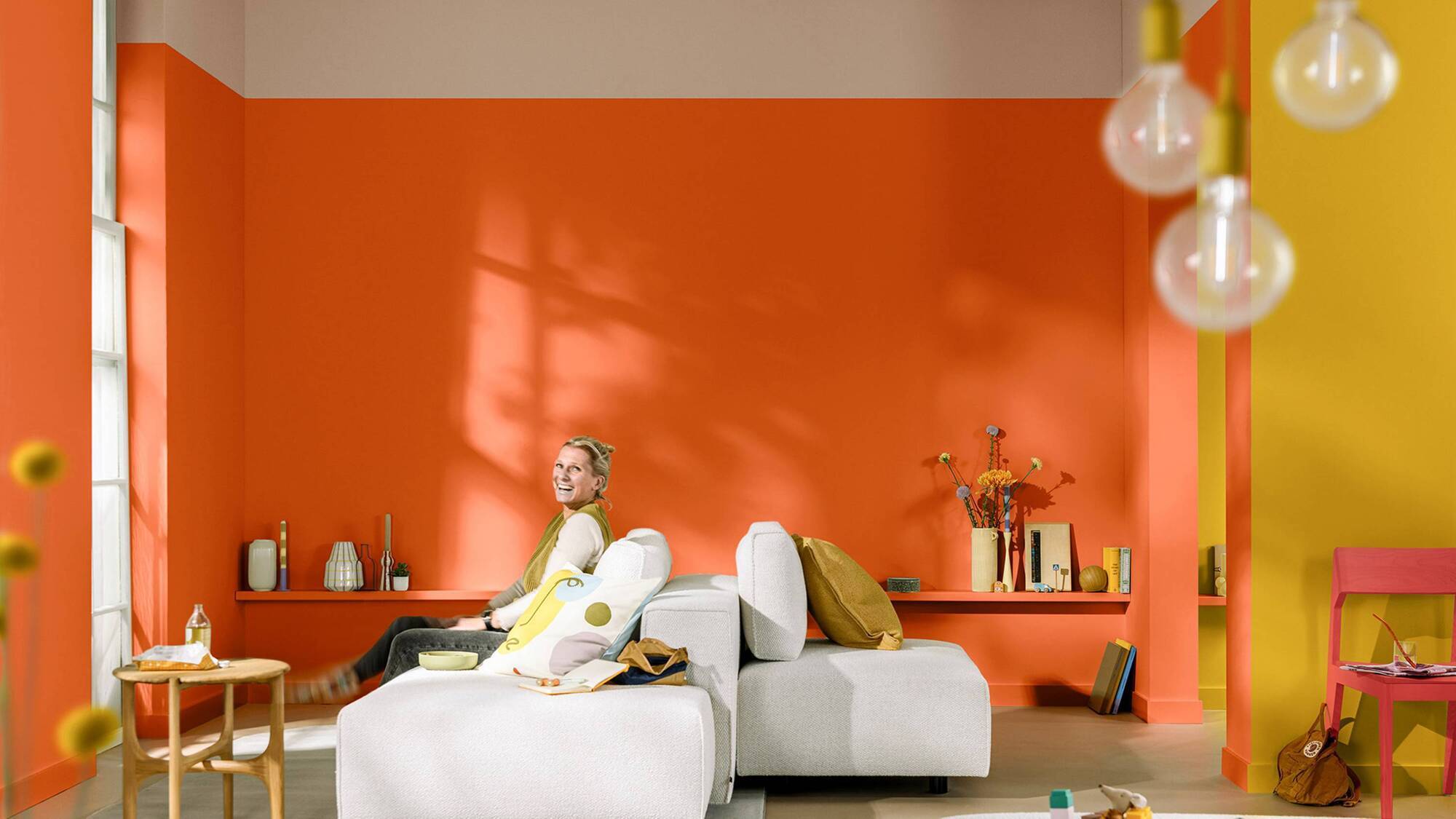
Let the makers’ colour groupings be your guide. True Joy (yellow), Coarse Seashell (top walls and ceiling) and Exquisite Coral (main wall), Dulux 2025 range, from €20 per litre in a wipe-friendly Heritage Velvet Matt.
Watching people hunkered down in the paint can display at any DIY outlet, eyebrows crocheted in concentration, it’s obvious to me that not everyone knows their paint. So, here’s a quick, no-judgment primer for the complete beginner with no colour prompts.
Let’s just talk about type.
Let’s start with emulsion for walls. If your interior walls are in good general condition, this is the most straightforward paint for any beginner to work with. Emulsion is a water-based paint made up of pigments, solvents, binders, and additional chemicals.
It’s intended for use inside and out, and is largely water; it’s engineered to dry out quickly. Quick drying means short waiting times, but that doesn’t mean you ignore them. All paint needs to cure, so read off the correct hours needed between coats.
The volatile organic content (VOC) of commercial indoor emulsion is very low, but not absent. Even if the paint doesn’t have an odour, work with your brush or roller in a well-ventilated space and allow the emulsion on the walls to dry out and off-gas.
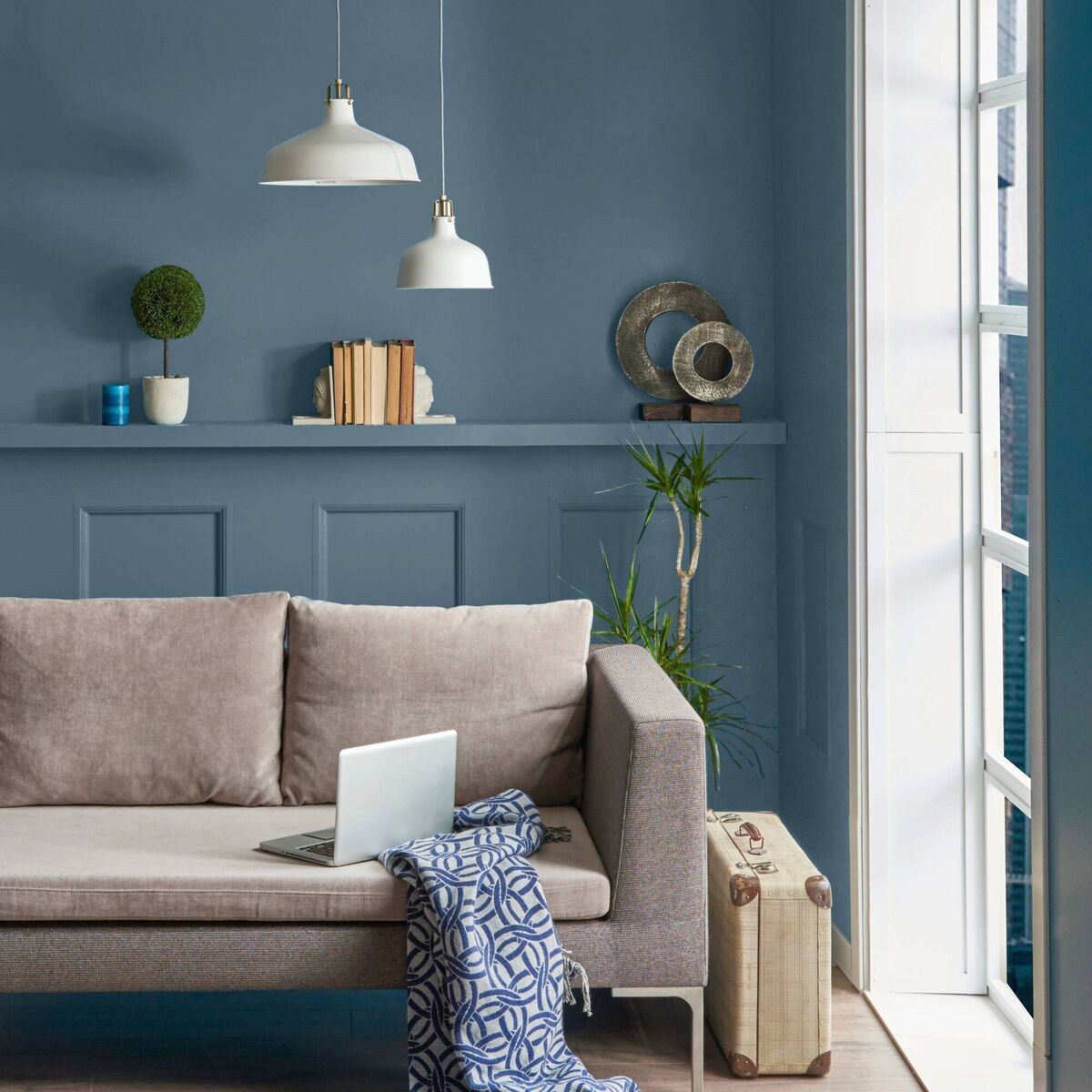
Emulsion comes in super-matt, matt, and vinyl-silk; these last textures have that slightly polished shine. There are scrub-clean mattes now on the market for a slight premium.
When you buy colours, you will be buying a ready-made colour that you’ve tested already (you have tested of course). Alternatively, the colour is mixed from a chart using a specialist machine with squirts of colour to a base coat. This takes just a few minutes to mechanically shake up.
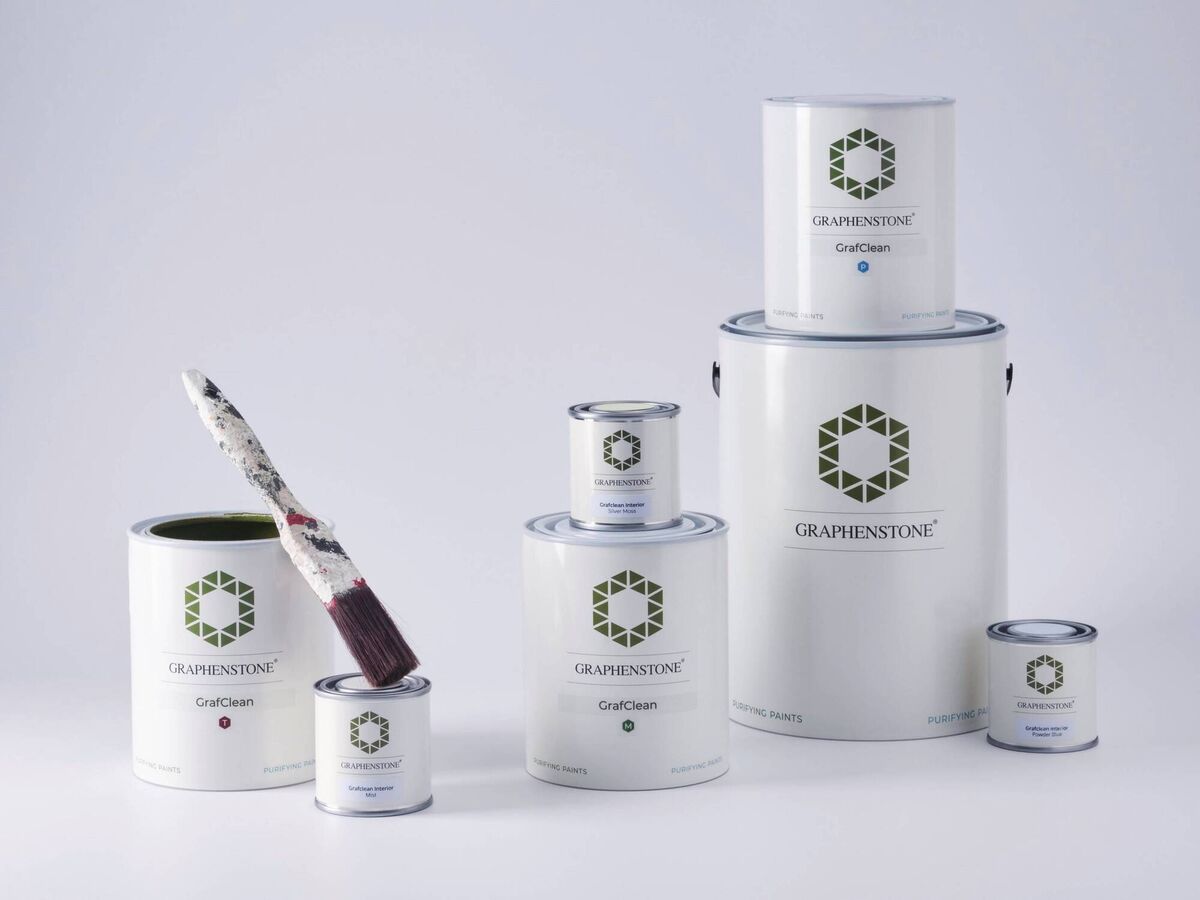
Divisions of emulsion paint include exterior grade emulsion, and natural paints made with biodegradable, natural ingredients, and clay like Graphenstone, Earthborn and Biofa.
Bathroom and kitchen emulsions offer extra stain resistance and in bathroom varieties, mould, steam, and water protection. In the kitchen, grease-resistance around prep and cooking areas will be key. These room-specific paints tend to be a heavier, tackier vinyl-silk.
For ceilings, you can use a standard emulsion, or a ceiling paint which has a little more cling and is less inclined to hit you in the eye while you work. It also delivers a lovely flat finish.
Take your time, and don’t overload your brush or roller — do those coats with the right prep and drying times and the good coverage and opacity will follow.
Covering minor imperfections — less shine is less revealing — buy a scrub-friendly matt. Fleetwood Easyclean Matt is 50 times tougher than Standard Matt Paints; €35 for 5l, multiple suppliers.
Emulsion paint brushes and rollers clean up really well with just soap and water, so take the time to leave your tools ready to go again.
Keep in mind that if you have newly plastered or skimmed plasterboard, it should always receive what’s termed a “mist-coat” before your first coat of standard paint or undercoat. This is a thin coat of paint mixed into water that will pull the paint into the surface, improving its adherence.
Skip this annoying job, and your paint may flake off in places. Irritating.
For woodwork and metal, we will want a dedicated paint, previously shoved into the category of gloss (as at one time that’s all there was). Wood paint has changed radically from a smelly, sticky 1970s poison that carried lead, synthetic resins, and a swooning level of VOC.
Today’s environmentally conscious gloss, satin-wood and eggshell still includes preservatives and hardeners, but most are water-based, breathable (for the timber) and contain cold-pressed linseed oil to bind them, increasing their usability.
Because of the alkyd present in solvent-free paints, whites have the reputation of yellowing over time. In my experience, this takes a long time, and it generally eclipses the lifespan of that decorating cycle. Always look for oil paint with low VOCs and consider a solvent-free eggshell or satinwood finish over a high gloss that’s thicker and harder to handle.
Where gloss does shine is in its reflectivity and durability in high-traffic situations. For a mid-shine, choose satinwood. Using a gloss finish with a high shine, give yourself 24 hours between coats, and be prepared for a little sanding between coats for true perfection.
It’s a highly sustainable alternative to oil-based enamel paint, so test out some non-yellowing acrylic paint for interior and exterior wood and primed metalwork. Pricewise, I favour Crown Trade Acrylic Satin, €20 per litre. For heavy wear, an oil-based paint cannot be beaten, but it is challenging for absolute beginners.
There’s a growing number of multi-surface paints with an integrated primer like Dulux Simply Refresh, which can cover wood, metal and even MDF in one coat. This doesn’t mean you skip the instructed preparation, the crucial step for a successful paint job.
To make your wood/metal paint work for you, look for quick-dry varieties with low VOC content.
Many offer self-undercoating, so you’ll just need one product for all but raw, new woodwork (which really should be primed).

Overall, with one-coat paint, the results are not always worth the extra spend — be prepared for most jobs to need two applications, even three if you need a basecoat to take paintwork from say dark grey to white.
Once you choose a solvent base, you will need white-spirit or a dedicated paint brush cleaner to clean your kit. Wear gloves and never let the paint atrophy on your tools — they are expensive. You can wrap your applicators in cling wrap for short periods to keep the paint fresh and the brush pliable and ready to go.
Before you choose your paint, start with the finish you’re hoping for, varying from a calming matt to a high gloss. Then consider the light falling on the area, as this will highlight its character.
Does the wall carry a lot of imperfections? It may need a specialist undercoat to smooth these dings and scratches out followed by a matt colour to diffuse the surface appearance.
What sort of room is it? Is it used daily, is there any humidity, dirt and splashes, and what about trailing sticky fingers or wet dog helicopters likely to splatter the walls?
Durability is described in impact resistance and if the paint finish can be wiped and even scrubbed clean.
Don’t be led simply by a mouth-watering colour.


CONNECT WITH US TODAY



Be the first to know the latest news and updates