Peter Dowdall: Japanese maple is a small tree that makes a big impact
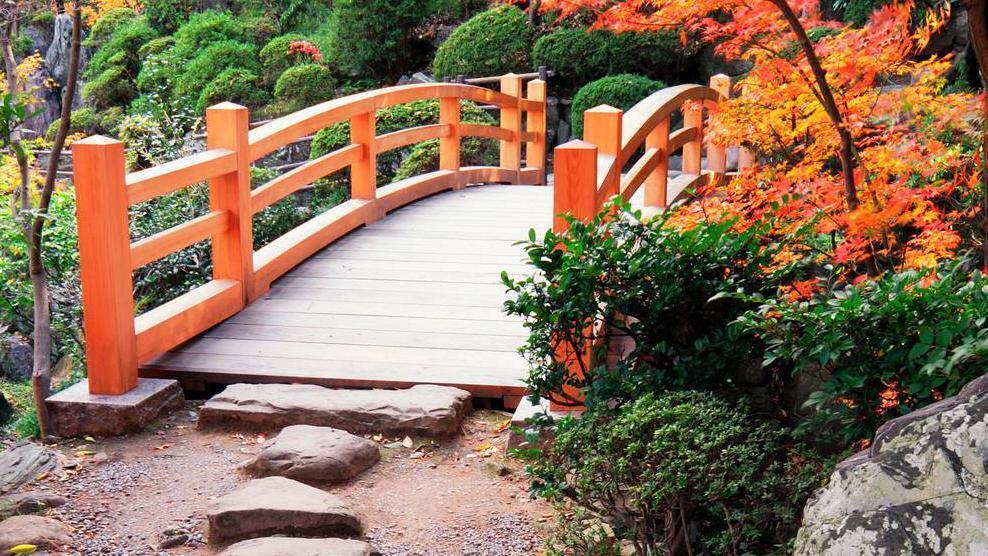
In gardens worldwide Japanese maple trees come into their own at this time of year as they take on their autumn garb. File pictures
Growing Japanese maples is not just about horticulture; it’s about embracing a philosophy that celebrates nature’s beauty and the fleeting moments in life.
Japanese maple is the general common name given to varieties of Acer palmatum, a species of acer native to Japan, Korea, and China.
In gardens worldwide they come into their own at this time of year as they take on their autumn garb. They take on shades of butter yellow, coppers, russets and bright red during the autumn and are for me, one of the true highlights of the autumn garden.
That’s not to say they aren’t beautiful during the other seasons because they most certainly are.

Once the autumn colour has fallen and begins feeding the worms, fungi and bacteria in the soil, the winter stem outline of an acer is also truly exquisite. Perhaps not as “in your face” as the autumn colour but every bit as beautiful once you stop to admire.
The intricate stem detail on a winter's morning with a raindrop or melting ice hanging into the terminal bud, before Physics takes over and it drops, is pure beauty.
In springtime, the dormant leaf buds begin to push out the new season's growth once more with all the promise, vigour and crispness of the new season. This fresh new growth seems to change by the day as the leaves unfurl dramatically, deepening in colour as they do so.
Japanese maples are more than just beautiful trees — they are deeply rooted in the culture, art, philosophy and tradition of Japan. Their cultural significance in Japan, where they symbolise beauty, grace, and the transient nature of life is immense.

They are relatively small trees and no matter what size your garden you will find a variety to suit as there are well over one thousand varieties in cultivation.
They are categorized in different ways such as leaf shape and size, foliage colour, growth habit and size at maturity.
There are several different types of leaf types but can largely be divided into two different types, the palmatum types which have the classic palmate leaf shape with five to seven lobes and the dissectum types which have very finely dissected leaves that give beautiful, delicate and feathery appearance.
The foliage colour refers to the spring and summer colours and these are either green or red/purple.
Some varieties are tall and narrow in habit, whilst others, often the dissectum types have a weeping, cascading growth habit that creates a dramatic effect in gardens.
Varieties can range from small dwarf forms that only reach a metre or even lower, to larger specimens that can grow up to 8 metres or more.
All Japanese maples like free-draining soil rich in organic matter and a slightly acidic to neutral pH. Heavy clay or overly sandy soils should be avoided as they can lead to root rot or nutrient deficiencies.

They will do best in semi-shade but some will tolerate full sun provided that you keep them well watered as the sun can dry out the delicate foliage. Positioning correctly is key when planting these beauties as if you give them too much sun, they can scorch but if you plant them in too shaded a location, they can fail to give you good autumn colour.
In my experience, they will not tolerate a windy site though, several, far more knowledgeable than I, will tell us that they will tolerate wind once they have acclimatised to it.
My advice for what it is worth, is when introducing a Japanese maple into your garden, to grow it first, in a pot as you can move this around to different parts of the garden over the first one or two years to see which location suits it best and then plant it there. You can, of course, grow it in a pot long term but you will need to be diligent in watering and making sure it has enough nutrients.

In Japan, there are numerous festivals celebrating autumn foliage, known as “koyo”. The changing colours of maple leaves symbolize the transient nature of life, a key concept in Buddhism known as “mono no aware,” which translates roughly to “the pathos of things.” This philosophy emphasizes an appreciation for beauty that is fleeting and impermanent, a concept which is nowhere more apparent than in the garden.
Acer palmatum Bloodgood is a medium to large shrub, typically growing to about two or three metres in height with a similar spread.

It has a rounded canopy and is known for its striking deep red-purple leaves that maintain their colour throughout the season. In autumn, the foliage turns brilliant crimson colour.
Acer palmatum Cascade Gold is a smaller variety, generally reaching a height of less than one metre. It has a columnar habit and weeping branches.
It has deeply cut foliage which opens golden yellow with a red-orange edge in spring, turning green in summer, then yellow, orange and red Acer palmatum Katsura will reach about three or four metres in height and two or three metres wide. Its heart-shaped leaves start as reddish-orange in spring, turning to bright green in summer and then golden-yellow in autumn.

- Got a gardening question for Peter Dowdall? Email gardenquestions@examiner.ie