Jennifer Sheahan: Christchurch has a design vision to inspire other cities
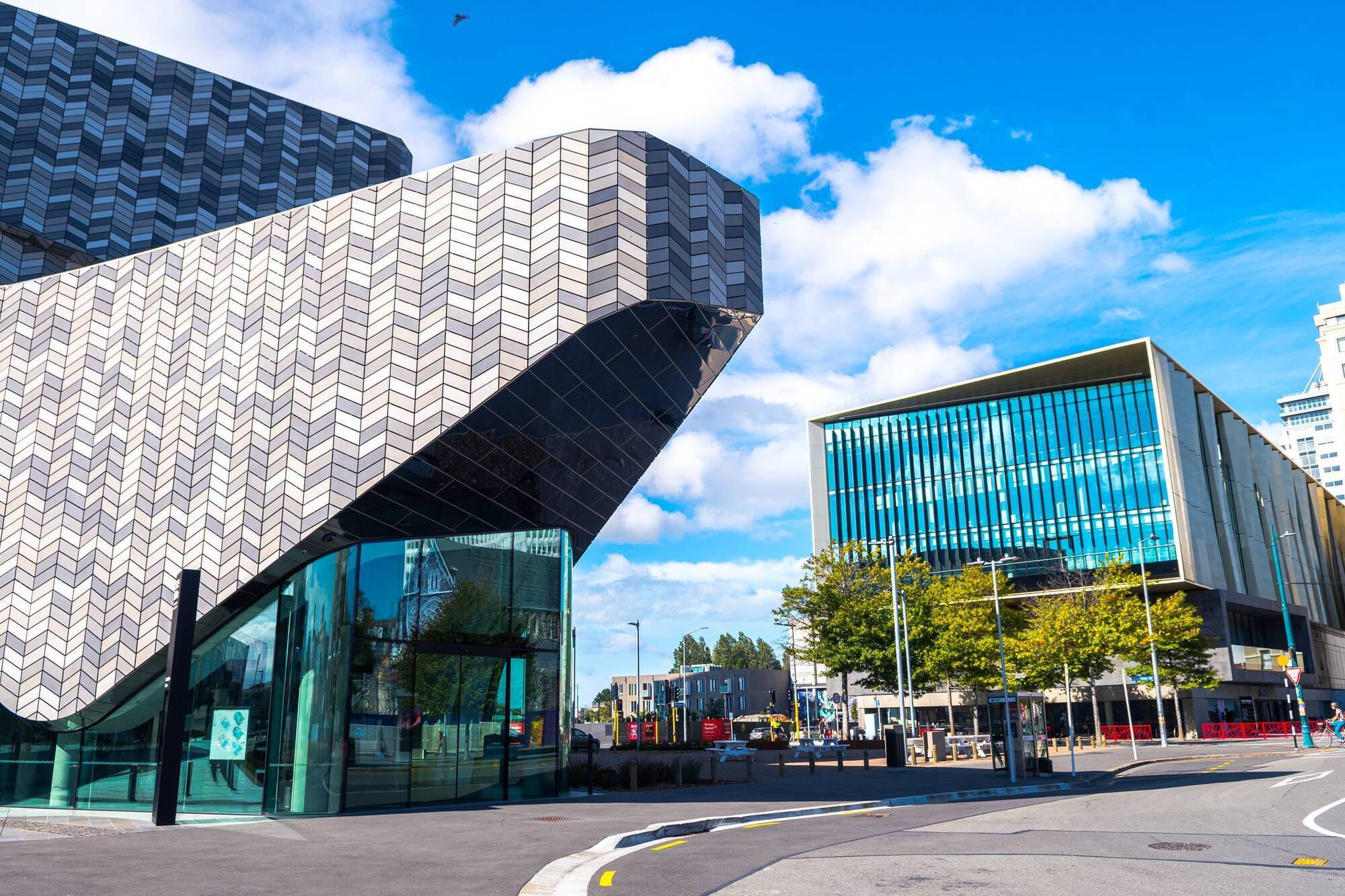
In 2011, an earthquake destroyed a portion of the New Zealand city and tragically took 185 lives. Jennifer Sheahan visits the renewed urban landscape 
Jennifer Sheahan: Christchurch has a design vision to inspire other cities

Christchurch has been undergoing an architectural transformation that is sympathetic to its history while fully embracing modern living. File picture

I am currently travelling, visiting family in New Zealand, and when you love your job as much as I love this one then a large part of going on holidays involves visiting architecturally significant buildings and convincing locals to let you snoop around their houses. All in the name of research of course. I spent this past week in Christchurch doing just that, a city in the midst of a huge regeneration. 

You’ll remember of course that a devastating earthquake flattened a huge portion of Christchurch in 2011, and tragically took 185 lives. While future earthquakes cannot be averted, city planners are doing everything possible to prevent widespread destruction of this magnitude from happening again.


In the 13 years since the devastation, Christchurch has been undergoing an architectural transformation that is sympathetic to its history while fully embracing modern living.

A tram in Christchurch city centre. File picture

 The city has a bold vision for its future, one that comprises innovative design not only for aesthetic appeal but with safety at its heart. With much of the work still ongoing, that vision is emerging to be an inspiration to other cities around the world, demonstrating how a focus on practical design and creativity can result in a beautiful space that works for its inhabitants.

Safety first

Earthquakes are a common feature in this part of the world, but architects, engineers, and city planners are working hard to ensure that the consequences of future tremors will be minimised. One of the biggest issues of the 2011 earthquake was liquefaction, where vibrations cause certain soils, sands, and silts to behave more like a liquid than a solid. 

Christchurch Arts Centre is being redeveloped.

Therefore seismic resilience and structural integrity have become central to all buildings in Christchurch, to prevent liquefaction and movement from causing complete destruction. Many buildings now feature base isolators which absorb seismic energy, preventing the impact of liquefaction. The Justice and Emergency Services Precinct in Christchurch uses base isolation to ensure critical infrastructure remains operational during an earthquake.

Construction techniques now also incorporate flexible materials which allow buildings to sway without crumbling. I spoke with Emma, a local woman who upgraded the flooring throughout her house to vinyl planks following the earthquake. Vinyl is a much more flexible material than the tiles that shattered throughout her home in 2011.

Architectural heritage

Architectural style is a core component of a city’s identity, and for Christchurch that style was predominantly Gothic revival. The most iconic Gothic revival building in the city is the Christchurch Cathedral, which was severely damaged during the earthquake. 

Plans are in place to restore the old Noah's/Rydges Hotel in Christchurch.

The loss of such an integral structure was devastating to locals, and there is plenty of support for its restoration. While a lot of Christchurch is being reimagined in the post-earthquake era, the Cathedral is being lovingly restored to its former glory in an effort to preserve the heritage and identity of the city. There remains a need for modern construction techniques to ensure seismic resilience against future events, and the result is a blend of old and new that defines the Christchurch of today.

Contemporary features

Restoration of iconic buildings is important to retain historical identity, but Christchurch has also embraced the opportunity to pioneer innovative design in its reconstruction. Contemporary glass structures, bold geometric forms, and sleek facades sit alongside historic buildings, and the result is a distinctively blended urban style. The Tūranga Library is one of the most striking examples of Christchurch’s new architecture. 

Another example is the Innovation Precinct, which has become a hub for Christchurch’s tech and business community. This area was designed to attract start-ups and entrepreneurs, offering a modern environment for collaboration and creativity. The innovation precinct’s architecture comprises flexible workspaces, cutting-edge technology, and a focus on sustainability.

Green spaces

Christchurch city planners have not only focused on reconstructing buildings but have fully embraced a vision of creating public spaces that enhance the beauty of the natural features of Christchurch and provide a sense of community. 

The Avon River Precinct.

The Avon River Precinct is one hugely successful example of this initiative. The banks of the river which runs right through the city centre have been transformed into public green spaces with promenades, gardens, seating areas, playgrounds, picnic benches, and additional pedestrian bridges to provide greater access. This has transformed Christchurch city centre into a picturesque space, full of inhabitants relaxing on their lunch break, strolling home after work, playing in the afternoon, or enjoying a drink in the evening.

Riverside Market, Christchurch.

I spoke to Tom, a local who often buys lunch to enjoy by the river from the popular Riverside Market, a gorgeous farmers market that was established post-earthquake. While Tom was distraught in the aftermath of the earthquake, he now speaks proudly of the city’s regeneration since then.

Dirty thirty

It wasn’t all hands on deck following the earthquake. Thirty buildings were left abandoned and derelict — eyesores blighting the city and reminding inhabitants of the terrible earthquake. Christchurch City Council ultimately got fed up with waiting and in 2017 they issued a “dirty thirty” list, naming and shaming the owners of these buildings and pushing them into action. It was a bold move and it worked. 

Only three buildings remain derelict without a firm plan for the next steps, but an impressive twenty-seven have either been demolished, reconstructed or have a clear plan with timelines in place.

More in this section

Revoiced

Newsletter

Sign up to the best reads of the week from irishexaminer.com selected just for you.

Cookie Policy Privacy Policy Brand Safety FAQ Help Contact Us Terms and Conditions

© Examiner Echo Group Limited