How Swedish death cleaning can help us organise our lives
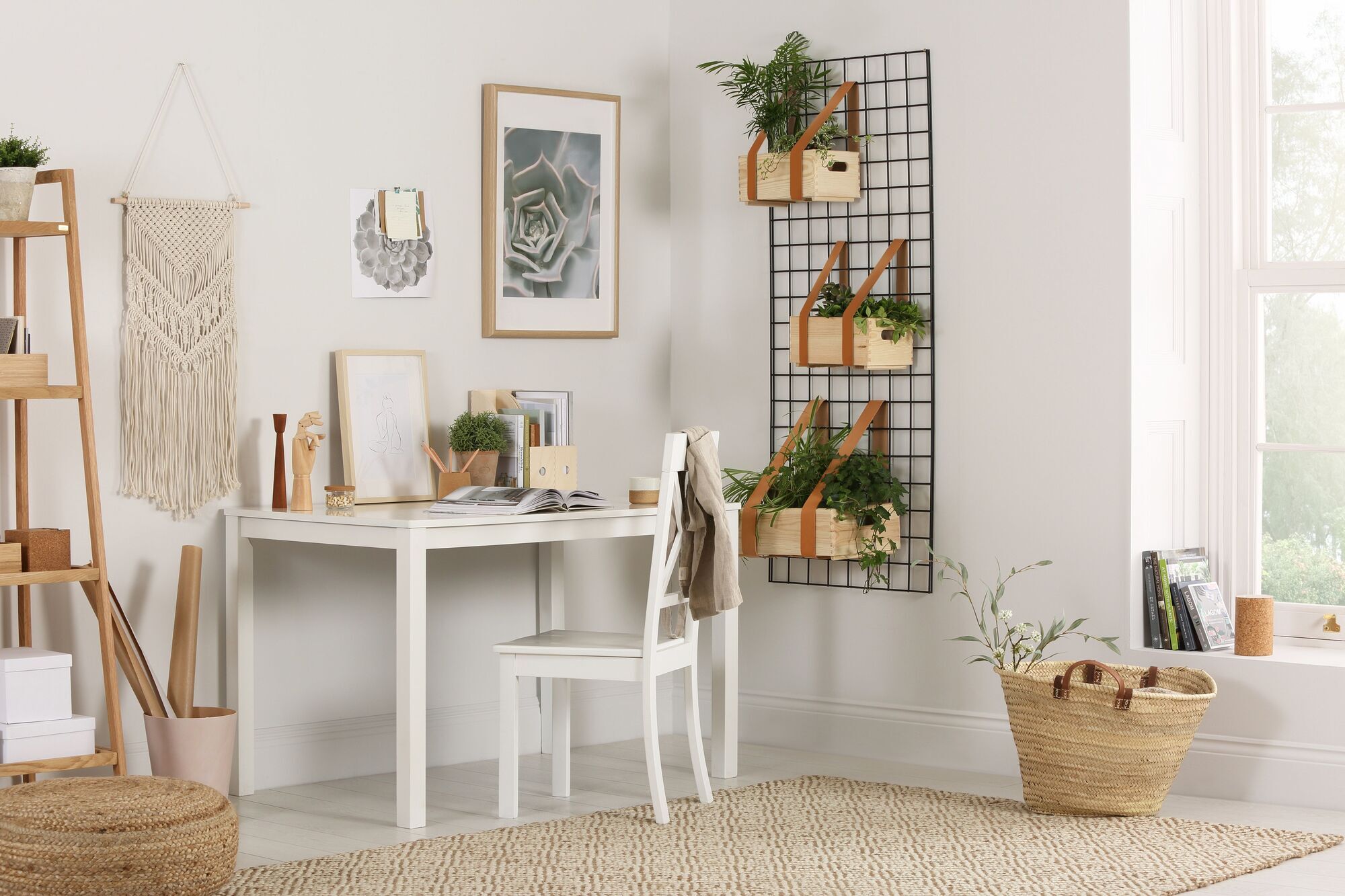
Having fewer possessions, including getting rid of things belonging to adult children, frees up space and makes housekeeping and day-to-day maintenance easier.
An evening prone on the sofa, remote control in hand, channel-flicking in pursuit of entertainment, threw up a programme called , based on a book of the same name by Margareta Magnusson which deals with döstädning, a Swedish word meaning removing the unnecessary so you can clear the path for retirement and beyond, or to be blunt, death cleaning.
Much as I love anything to do with household organisation, and better still a book on the topic, I would normally have been on to the publisher for a review copy faster than you can say declutter, but I could not bring myself to read this one when it came out about six years ago. The gloomy death reference in the title was too much for this housekeeper whose approach to domestic order belongs firmly in the joy-sparking world of Marie Kondo.
But seeing as I found myself stuck in the doldrums of summer-time television scheduling, I decided to watch the first episode and ended up binge-watching what turned out to be a gentle, often pithy and frequently forthright commentary on the topic, most notably from executive producer and narrator, actress and comedian Amy Poehler.
At one point she tells us that what’s going on is “cleaning out your crap so others don’t have to when you’re dead”.
She enlists a trio of Swedish death cleaners — Ella the organiser, Johan the designer and Katarina the psychologist. Given their broad age range and decidedly different personalities and skills, they pull together remarkably well to bring the practicality and efficiency we associate with the Swedes to seriously disorganised Americans, working “with the efficiency that can only come from a country that gives its health care away for free”, as Poehler says.
One of the participants is terminally ill Shana who the team helps organise her home and enlist her family and friends to discuss her needs. “We are all born and we’re all going to die, so let’s talk about it,” says Ella.
That quick dose of reality is balanced out with some truly funny moments. Suzy from Kansas likes to collect things. “I have a lot of penises,” says Suzy. She points to her collection of phallic-like objects, prompting designer Johan to exclaim, “You’re a gay man.”
Initially reluctant to part with her spangly wardrobe from her days as a singer, she relents, donating some of her outfits to a drag show which she subsequently attends and has a great time. She’s a young at heart 75-year-old who is decidedly not at death’s door.
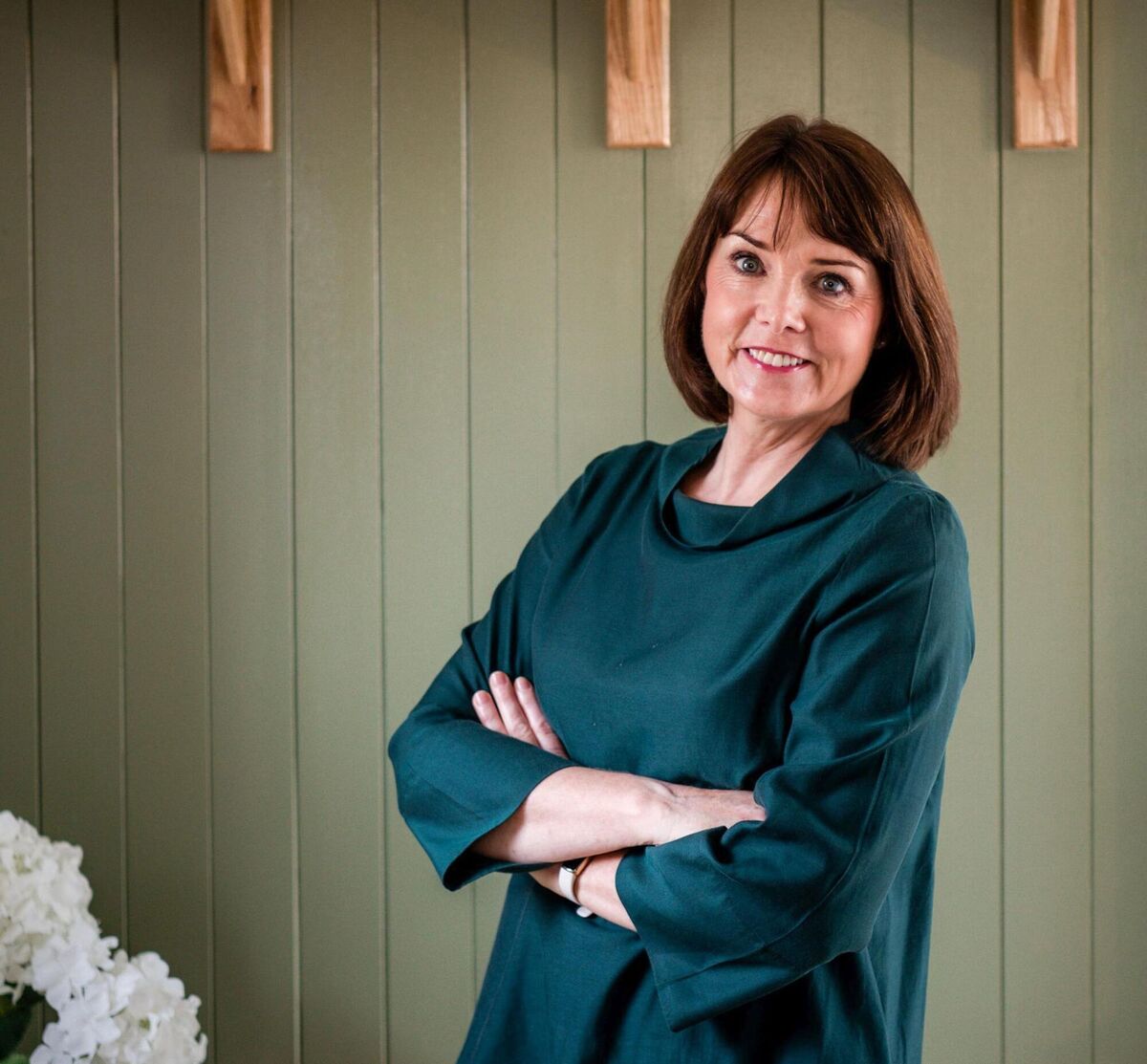
But to figure out what makes death cleaning different from any other decluttering, I called up Cork-based professional organiser Vera Keohane of Enjoy Your Home, who trained with Marie Kondo in New York.
Vera was introduced to death cleaning through decluttering and dealing with the elderly in her prior career as a community nurse. “Death cleaning is not for old age. It’s about eliminating unnecessary stuff so as not to leave chaos for our loved ones but not waiting till near death," says Vera.
"I have worked with clients whose parents have died suddenly leaving them with the onerous task of clearing out to prepare the house for sale. Most of these clients are in their 40s and 50s, busy in their own lives.”
In the process of downsizing her own home now that her children are grown, Vera maintains we spend the second half of our life dealing with the things we collected in the first half, something which episode six, my favourite, deals with.
Flora and Jeff are keen to sort out their house but face resistance from their eight adult children who want the house to stay as it is with all their childhood memories. If that’s not bad enough, the contents of their late grandmother’s house are in storage and also need to be tackled. It’s a potential battle between the daughters, who call themselves The Sisters’ Council, and the death cleaners.
It’s the most complicated death-cleaning effort, dealing with intergenerational stuff and two generations with different priorities, but it’s also funny, joyful even, and poignant, with a happy ending, as you’d expect, achieved through a process that not only eliminated masses of unnecessary possessions but allowed an opportunity for grieving that had been closeted away with grandma’s storage.
- 'The Gentle Art of Swedish Death Cleaning' is available to stream on U&W
- Instagram.com/enjoy_your_home
CONNECT WITH US TODAY



Be the first to know the latest news and updates