Bringing a touch of Japan's cherry blossom Sakura to your garden
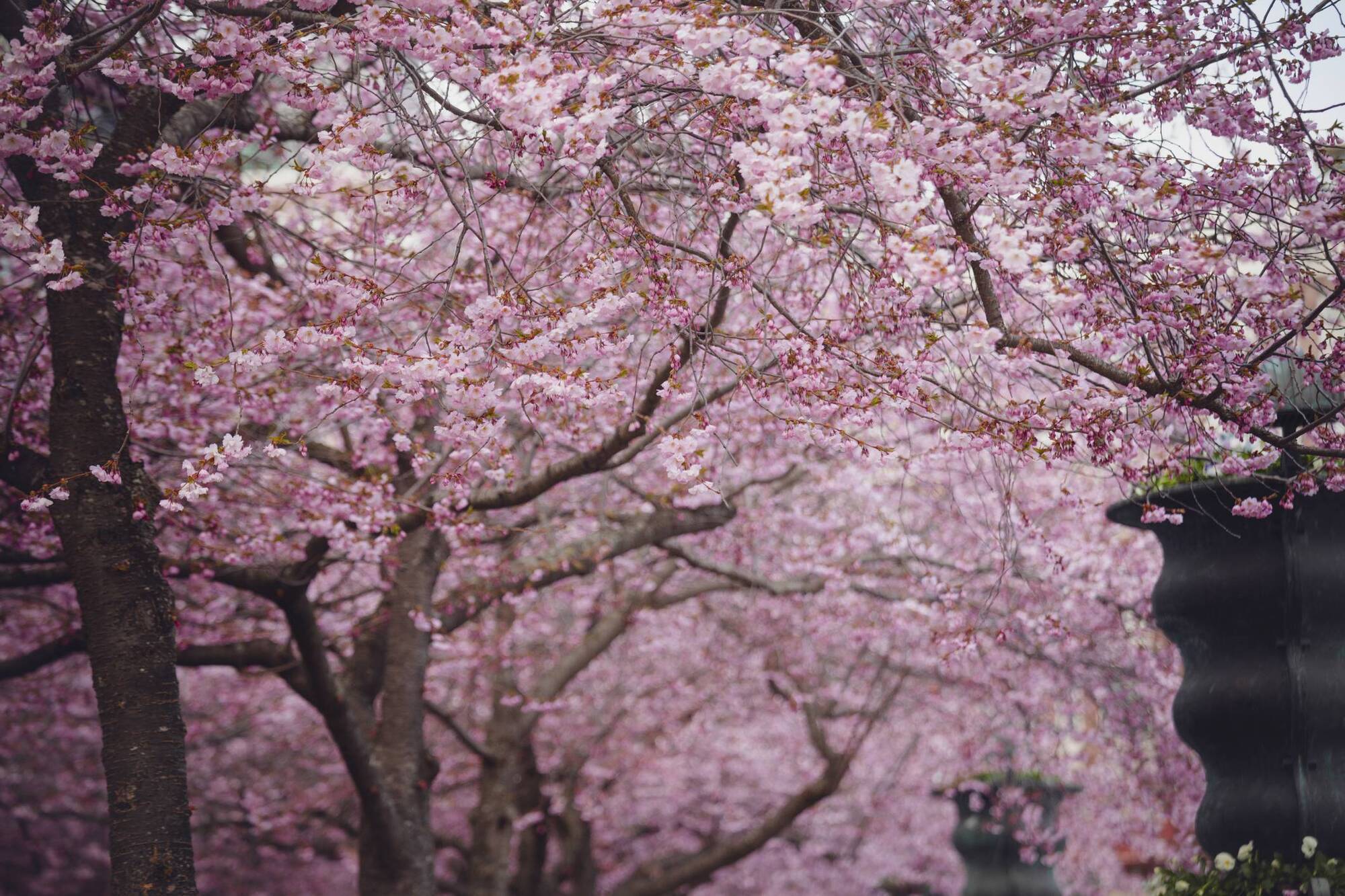
Sakura festivals are held across Japan and are marked by gatherings with picnics, parties and sake, all under the canopy of cherry blossoms.
To visit Japan during Sakura season is high up on my bucket list, I’ll keep you posted if I ever get there. The Japanese name for cherry blossom, “Sakura” has deep roots in the country's cultural heritage, spanning centuries of tradition.
Sakura festivals are held across the country and are marked by gatherings with picnics, parties and sake, all under the canopy of cherry blossoms. Known as hanami, or "viewing flowers," these events have a rich history dating back over 1,000 years.
Originally, hanami festivities were exclusive to Japanese aristocrats and revolved around the delicate beauty of plum blossoms rather than cherry blossoms. Over time, however, cherry blossom festivals have evolved into a cherished tradition embraced by people from all walks of life, both within Japan and beyond.
The Sakura holds profound cultural significance in Japan. Each spring, as the cherry blossoms burst into full bloom, the nation marks the arrival of the season of renewal, optimism, and new beginnings.
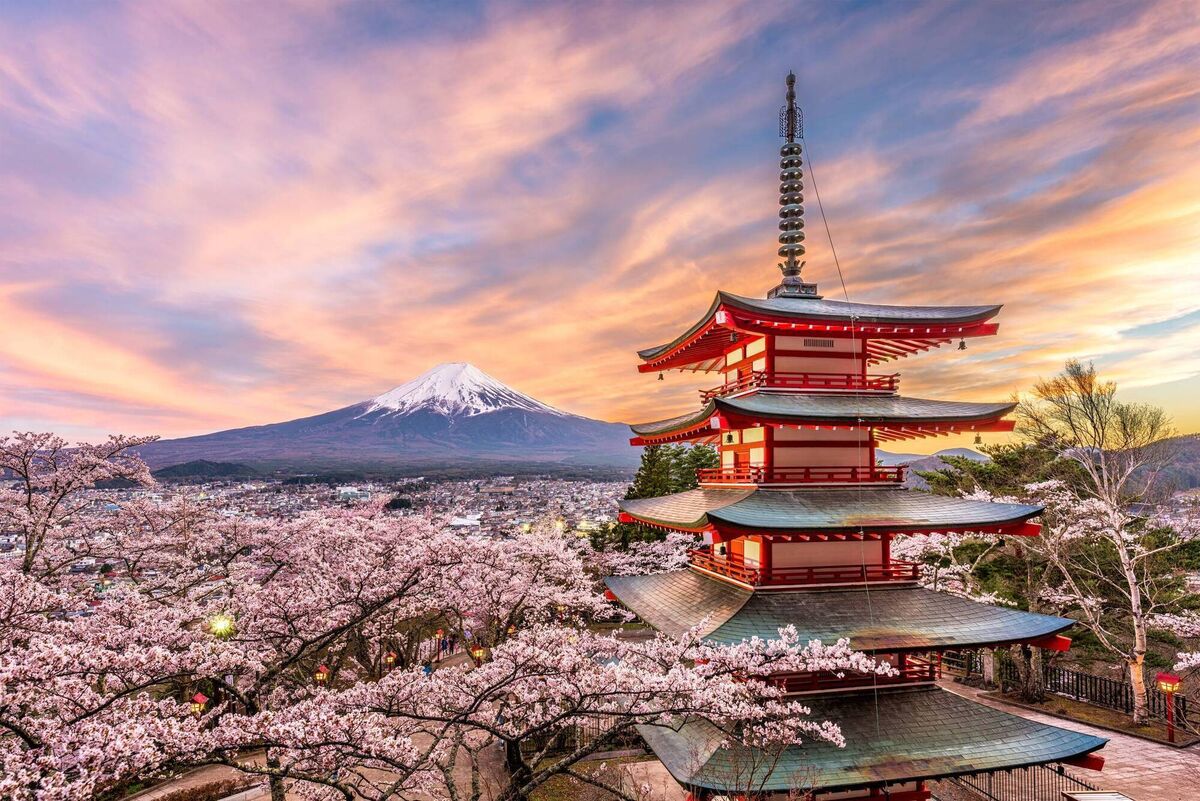
Despite their fleeting nature, the ephemeral beauty of cherry blossoms serves as a poignant reminder of the transience of life, a concept deeply ingrained in Japanese culture as "mono no aware," or the pathos of things, basically a Japanese idiom for the awareness of impermanence.
This sentiment finds expression in various forms, from traditional art to folk songs and contemporary pop culture.
In Shinto beliefs, cherry blossoms are believed to harbour sacred spirits or energies, adding a spiritual dimension to the festivities, particularly in communities adhering to this faith. Similarly, in Buddhism, cherry blossoms symbolize the transience of existence.
It’s so apt that the cherry blossom is the tree which is connected to these festivals and traditions as the bloom is just so beautiful but at the same time so fleeting.
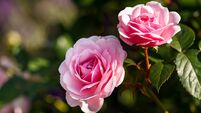
When most of us think of a cherry blossom we think of the variety, Prunus Kanzan. This stunningly beautiful tree is breathtaking right now, showing off its stunning display of double pink blossoms, creating a captivating canopy of colour.
This is a deciduous tree with a spreading habit and can reach heights of up to 10 metres. Fleeting and all as the flowers may be, it does also have a second display of colour later in the year as the autumn colour before the leaves fall is also quite spectacular.
Plant it in well-drained soil in a location where it will get full sun. It’s shallow rooted and so pant it somewhere that is protected from harsh winds.
The Great White Cherry is Prunus Tai Haku and this also originates from Japan. Again deciduous and just as good, if not better in the autumn, Prunus Tai Haku blooms are the most beautiful, pure white in colour and they bloom slightly later in the spring. To see one in flower against a bright blue sky on one of the pet days that we can enjoy in late spring is really quite something.
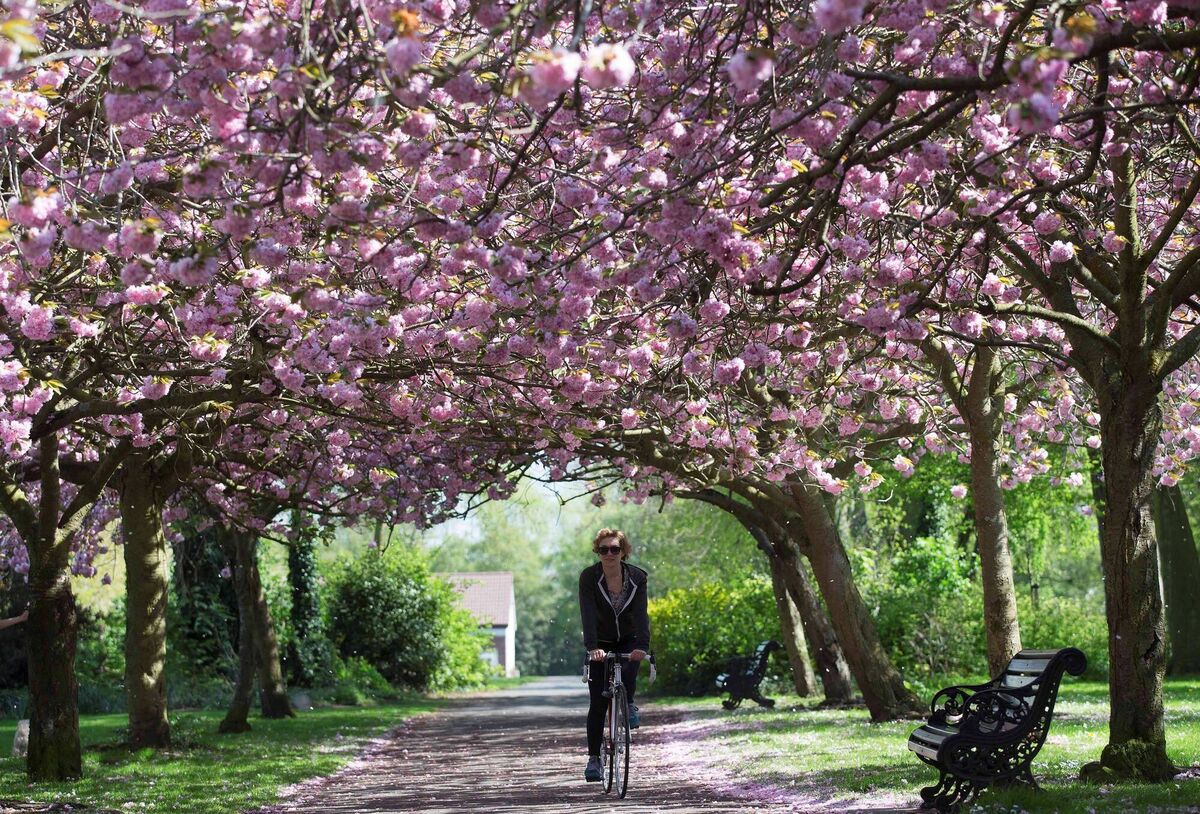
Apart from the cherry blossom, there are many other flowering trees which will add colour to the garden during springtime.
Crabapple, is a common name given to a group of flowering trees of the Malus species prized for their ornamental value as well as their fruits, from which we get crab apple jelly, something I have never tried but I believe is fabulous. I prefer to leave my crab apples for the birds who will feast on them during the winter and in return I get to enjoy the sights and sounds of our feathered friends in the garden along with an army of pest controllers.
Bees love the flowers of crab apples. They will feast on the nectar in the blooms and in return, they will spread pollen from the crab apples into fruiting forms that we may be growing nearby, thus pollinating our fruit trees so that the apples can develop.
Like the cherry blossoms, Malus like good amounts of sunlight and to be planted in well-drained soil, sheltered from high winds.
Often confused for a cherry blossom or crab apple, Amelanchier lamarckii, commonly known as Juneberry or Serviceberry, is possibly my favourite of all the spring flowering trees. I love the simplicity of the delicate white blossoms which are again, followed by magnificent autumn colour and the winter ornamental berries.
Native to North America and Europe, Amelanchier will thrive in a variety of soil types and though I am not sure if it is native or naturalized in Ireland, it is an important choice for bees and birds.
Keep an eye on our hedgerows over the next few weeks as the hawthorn or maytree bursts into bloom and turns our landscape white for a few weeks as this, to me, is a tree worthy of far more recognition than it gets. Deeply entwined with folklore throughout Europe it is said to bring both good and bad luck.
In Ireland, this native tree is strongly associated with the fairies and is even said to be a gateway between both worlds. Perhaps we could look at Hawthorn Festivals to rival the Hanami of Japan in the future.


CONNECT WITH US TODAY



Be the first to know the latest news and updates