The top low-maintenance grass alternatives for our gardens
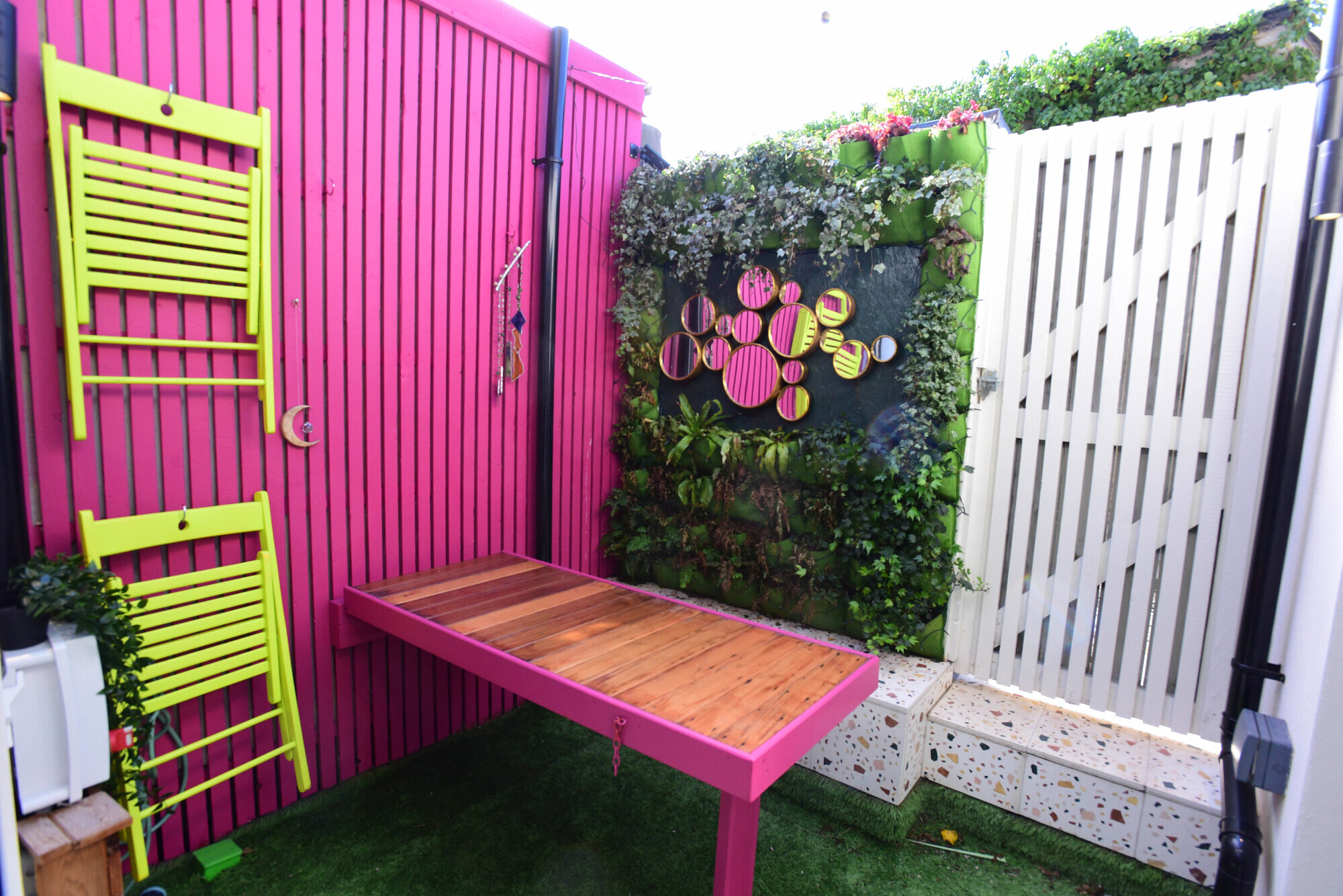
The patio area in Jennifer Sheahan's home in Rathmines, Dublin. Pictures: Moya Nolan
I’m far from the right person to advise on gardening, but I can talk endlessly about topics that don’t involve keeping green things alive. I have artificial grass in my garden and I love it. Even if I were green-fingered, my garden is just too small to deal with grass — I mean where would I store a lawnmower in my tiny cottage?
There are endless practical and even environmental reasons to opt out of a perfectly manicured lawn. Whatever yours may be, here are some of the best alternatives available to you.
I love low-maintenance materials, and the look of green grass, and so what could be more perfect than artificial grass? The options available today look so realistic and even feel nice underfoot. It’s easy to install, and as far as maintenance goes I simply hose mine down now and then and clear away any leaves that have blown in.
I still do get some weeds — I feel they’re impossible to prevent fully — but it’s a rare few and I simply pull them up once every couple of months or so. Installation involves removing any existing turf, compacting the ground underneath, spreading sand or stone for drainage, and adding an underlay to prevent weeds. Then you simply roll out your grass and enjoy. You can use landscaping pins to prevent it from rolling up at the edges.
When shopping, grass that has some yellow and brown speckled blades throughout tends to look most natural. Be sure to confirm that the grass is weatherproof so that it doesn’t bleach in the sun. From an environmental perspective, while artificial grass conserves water and eliminates the need for pesticides and fertilizers, its production does involve the use of non-renewable resources and chemicals.
Additionally, disposal at the end of its lifespan poses environmental challenges. However, some manufacturers are working to develop more sustainable materials and recycling programs to mitigate these issues.
While I love my artificial grass, if I had more space available I would be filling that with outdoor tiles. I adore garden tiles, especially cheerful patterned Spanish-style ones. They’re a wonderful way to bring colour and visual interest into a garden for those of us who cannot do so via the medium of plants. When buying tiles for your garden, ensure they are specifically made for the outdoors — they need to withstand greater temperature variations, hold up to rain, and retain their colour in direct sunshine.
The most common materials for outdoor tiles are concrete, porcelain, and natural stone.
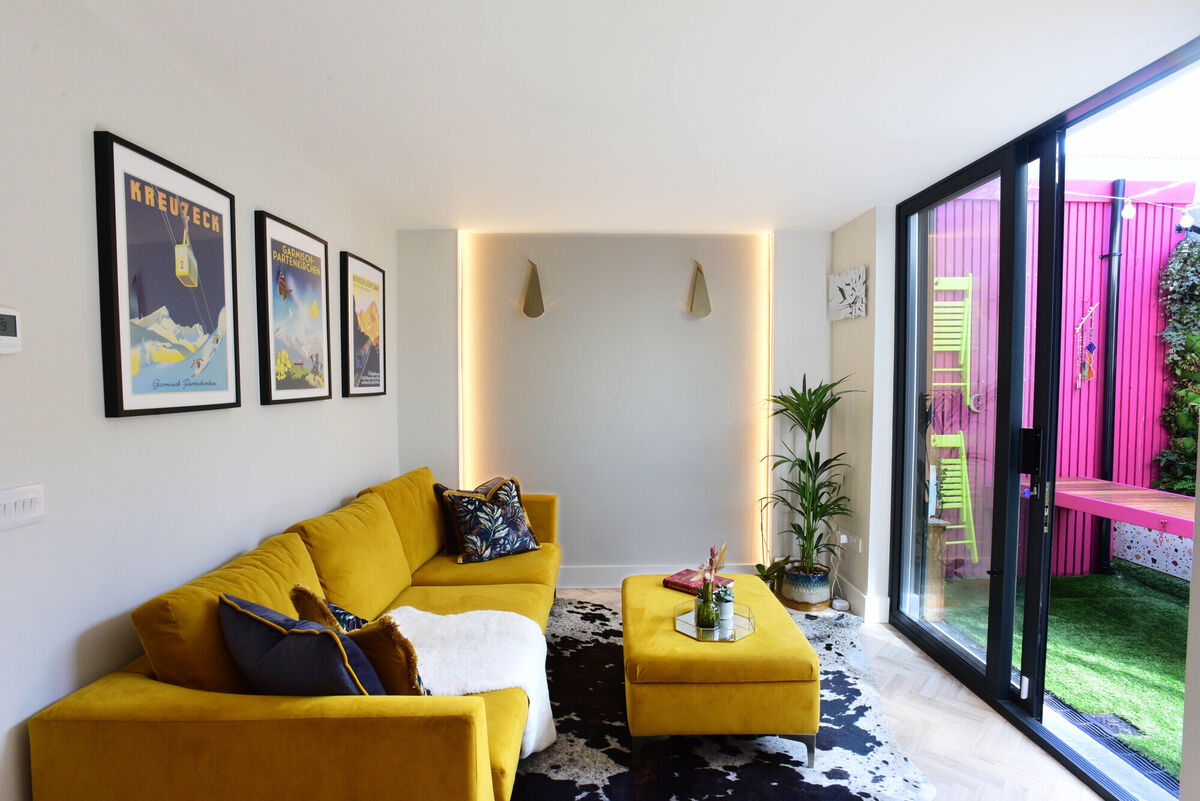
Installation is labour-intensive but fairly straightforward — similar to artificial grass you’ll need to remove turf, spread out mortar or sand, and ideally add an underlay to prevent weeds.
Grouting outdoor tiles isn’t strictly necessary but it is advised to prevent dirt and moisture from building up between the cracks. It’s best to use a grout specifically made for the outdoors, such as an epoxy grout. Do not choose white tiles, paving, or grout for your garden. I know it looks beautiful in photos, but I promise you it will look dirty within two hours of laying it down and your heart will be broken trying to clean it. Don’t do it! Opt for a pattern and a colour that doesn’t easily show dirt and thank me later.
There’s a house I pass on my walk to work which has white pebbles in the front garden, immaculately combed in concentric circles to create a very soothing zen garden effect.
It’s so beautiful, although it’s not made for walking on. I do love pebbles or other decorative stones in a garden, and unless you’re aiming for zen perfection they’re relatively low maintenance, requiring some raking to smooth them out and potentially some replenishment now and then.
The other thing I notice on my frequent walks is that my dog — and lots of other dogs — are irresistibly drawn to pebbles to perform their business. This is something to bear in mind if your garden leads to a public footpath. Installation is a similar process to paving, with the addition of some edging to keep the stones from spilling out of their intended home.
I don’t personally love the look of bark chippings spread over the surface of a large area — I find them a bit messy, and they’re light so they get blown around and need to be tidied up more often than other materials. That said, I do like them in small doses, surrounding the base of trees or bushes, paired with paving or artificial grass. Plus they offer some additional benefits in these areas — they can help insulate roots from cold snaps, and apparently, they suppress weed growth.
Bark is organic material, so bear in mind that it will eventually decompose and will require replenishment.
- Got a question for Jennifer? Email home@examiner.ie

CONNECT WITH US TODAY



Be the first to know the latest news and updates