Jennifer Sheahan: How to bag a home interiors bargain you love
The Home of the Year winner shares her favourite alternative shopping spree destinations and savvy buying secrets
Jennifer Sheahan: How to bag a home interiors bargain you love

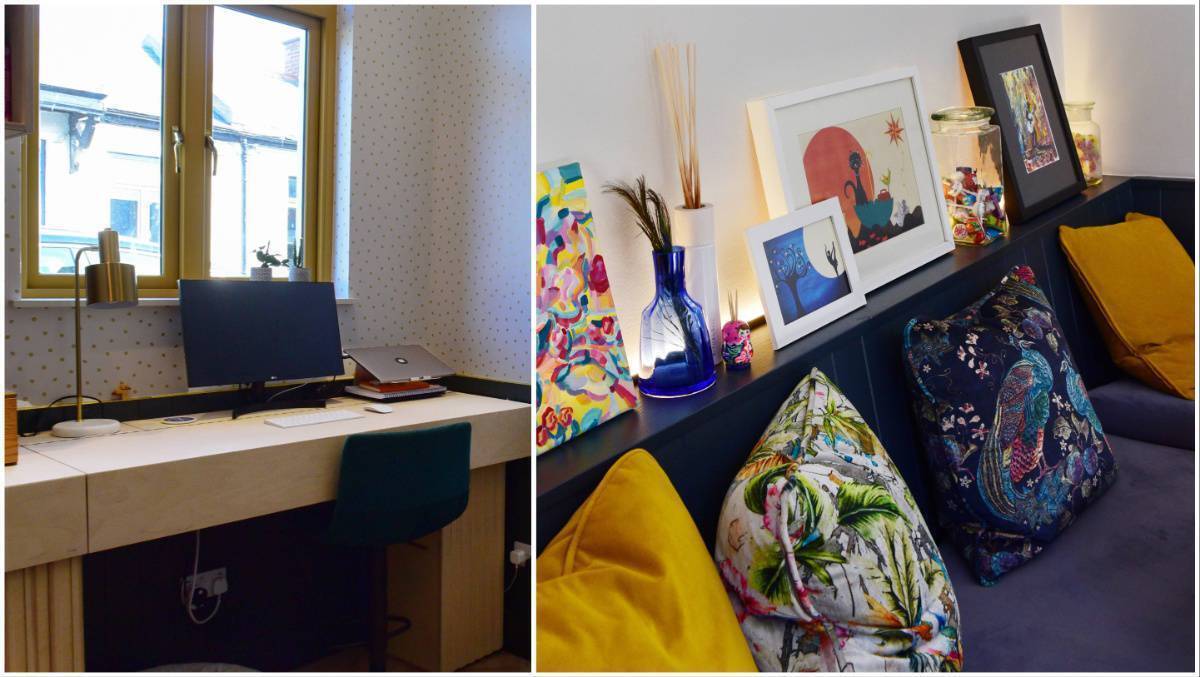
Jennifer Sheahan has had pieces tailormade for her home, above left, and has sought out artwork at student showcase exhibitions, right.

I presume everyone else has at least one of those friends who is always casually sporting chic, unique pieces that they “picked up at a vintage shop” or some other unattainable source. When you’re decorating your home, especially if you’re flying solo without an interior designer, where to source furniture and accessories is quite a black hole beyond the usual homewares stores. 

There’s nothing wrong with the chain stores of course, but searching in less traditional places ensures you won’t have the same generic hallway table or bookshelf as everyone else.

Putting effort and patience into your sourcing gives you a greater chance of finding just the right timeless piece, elevating your style and making your home feel more personal to you. 

As with every shopping trip, I strongly advise you to bring a measuring tape and some samples from your existing pieces (fabric, wallpaper, and tile samples), to make sure that what you’re buying will suit your home. 
Where to start, though? Here are some ideas.

AUCTIONS

Shopping at auctions is an art in itself — one that takes practice and patience, but which can give huge rewards. Auctions are full of gems such as antique furniture and silverware, art, rugs, and pretty much anything else you can think of. Some auction houses specialise in certain items, so it is worth familiarising yourself with your local auction houses before starting to shop.

The first thing to remember is to set a firm budget for yourself and be strict with it. The thrill of bidding can be overwhelming, and the impulse to go above what you’d planned to win is strong. Pick a number and stick to it!

In an auction, the price of an item is whatever the highest bidder is willing to pay for it, which is very different to a typical retail transaction. 

To get a feel for the process, I recommend going along to one or two auctions before you plan to buy anything.

 You can sign up, browse the catalogue, and view items in person during the auction with no commitment to buy.

Auction houses often have more stringent, stricter authenticity review processes than second-hand shops (although some antique and second-hand shops will have equally strict requirements), so if you are not used to antique shopping then auctions can be a safer starting place. Bear in mind that inspecting items before purchase is your responsibility, that returns are unlikely to be possible, and that you may need to arrange your delivery.

CLEAROUTS

Hotels, restaurants, and other hospitality businesses regularly update their decor, which involves clearing out items they no longer need.

This is where you can scoop up an absolute bargain, as these pieces are often high-end and are usually sold at a fraction of the cost. These clearout events are often run through an auction house, so check listings.

Another route I have taken for clients in the past is to contact hotels directly — if I love the decor, I call or email the manager and ask straight out if they’re planning to redecorate any time soon, and whether items are available for direct purchase before going to auction. Sometimes it works! 

As with any second-hand shopping, you’re responsible for inspecting items to check for any wear and tear and you can expect this on high-traffic items like restaurant tables or hotel nightstands.

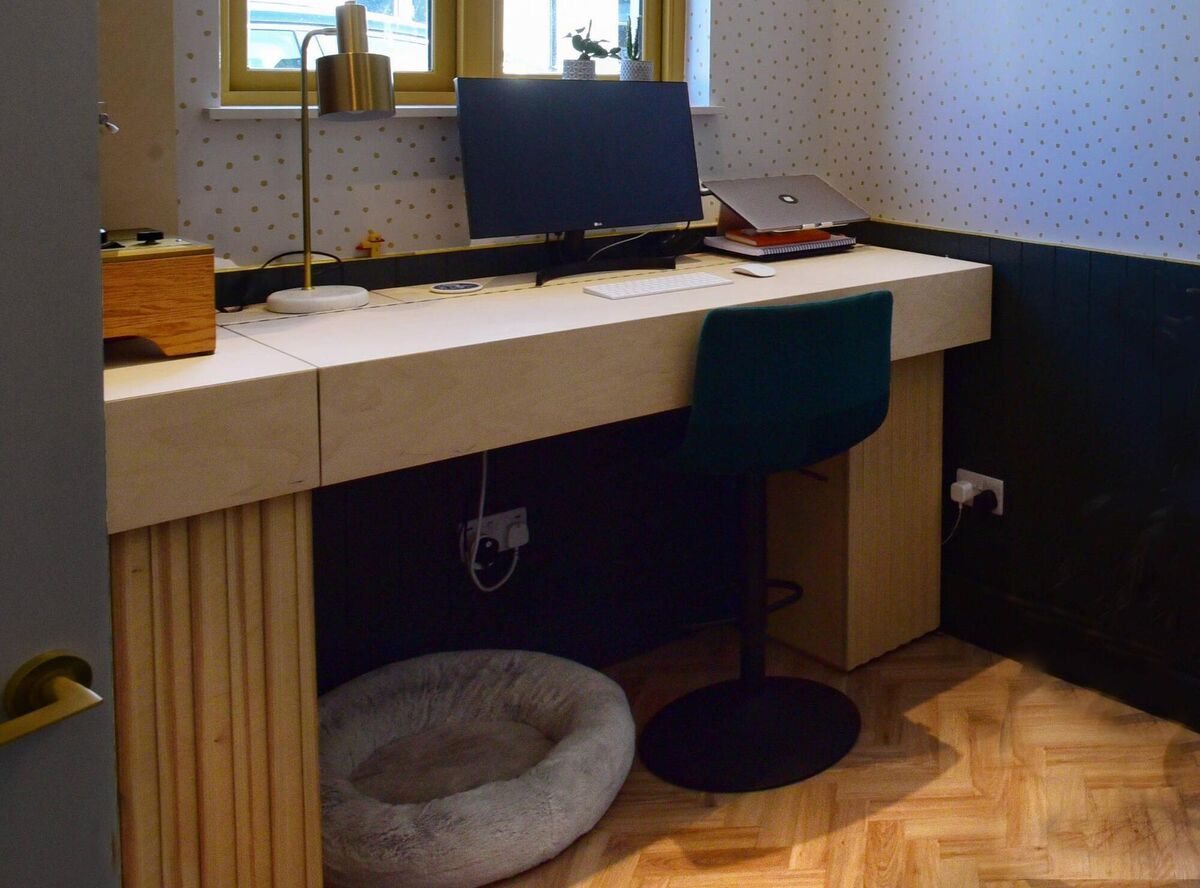
A custom-made desk with a piano inside in Jennifer Sheahan's home office. Picture: Moya Nolan

TAILORMADE

One way of guaranteeing your homewares are truly unique to you is to have them custom-made. 

Custom units such as wardrobes, kitchens, desks, and shelves are common, but you can go beyond this to create pieces tailored specifically to your style preferences that will work beautifully in your home.

You can have almost anything custom-made — joiners or some carpenters can create furniture and even design custom doors or wall panelling, and upholsterers can transform existing pieces with new fabric or create new cushions and curtains. 

Thinking outside the box, you could work with a talented electrician to create a personalised smart home or unique lighting.

You could find potters or porcelain workers to create a custom sink or tableware, and metalworkers to design wrought iron window screens. Screen printers or marble paper specialists can create custom wallpaper with the perfect colours and patterns for your room.

The options are endless! Makers often exhibit their work at design and craft fairs, which is a good place to find someone to work with for your custom piece. 

When going the custom route, be very clear when communicating your requirements and ask for samples of the maker’s work before committing.

SHOWCASES

Going to final-year showcase events at design colleges is one of my favourite activities, and you can often buy the pieces on display. 

Institutions with third-level design programs such as NCAD, LCAD, IADT, and ATU Letterfrack typically have at least one student design showcase per year.

Jennifer purchased this artwork at a student design show. Picture: Moya Nolan

It is inspiring to see the creative outputs of burgeoning designers and to support their efforts, and it will certainly ensure any pieces you pick up are unique! 

You will need to check the websites of each college to find out when their showcases are taking place and whether items will be available for purchase.

ANTIQUE

I love browsing all manner of antique shops, charity shops, markets, junk yards, and online marketplaces, but I’m conscious this is not everyone’s idea of a fun afternoon.

As with all non-traditional shopping, patience is key — as is some advance studying. To bag an item, you need to have an idea of its worth, so familiarising yourself with good quality brand names and learning markers of authenticity is a good idea. 

Not every item is branded, so learning to spot signs of good craftsmanship — such as smooth dovetail joints on a piece of furniture — is also important. If all of this sounds like too much work, you can engage an antiques or vintage specialist whose job it is to hunt down pieces that fit your requirements. Trust is important in this relationship, so find someone who comes highly recommended.

x

More in this section

Revoiced

Newsletter

Sign up to the best reads of the week from irishexaminer.com selected just for you.

Cookie Policy Privacy Policy Brand Safety FAQ Help Contact Us Terms and Conditions

© Examiner Echo Group Limited