Jennifer Sheahan: Cool design solutions for awkward spaces
From tiny porches to built-in wardrobes, the Home of the Year winner shares ideas for features we find in many Irish houses
Jennifer Sheahan: Cool design solutions for awkward spaces

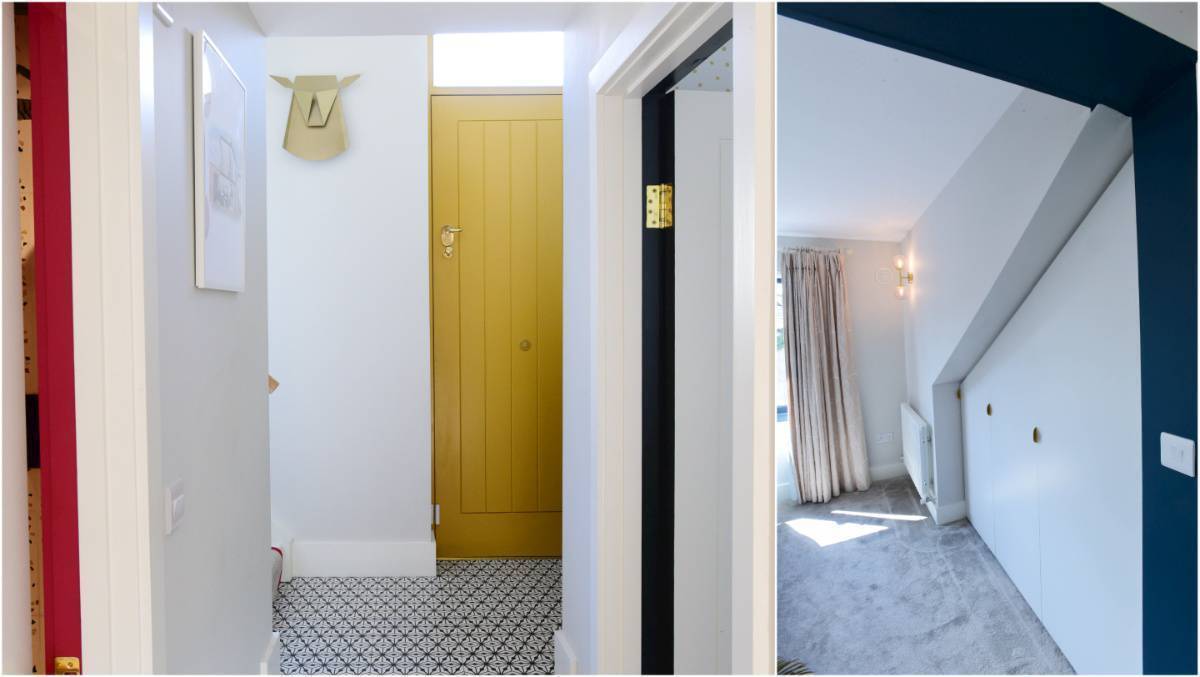
Right, Built-in wardrobes are best to maximise space, according to Jennifer Sheahan, and left, Jennifer's hallway, where the chimney breast used to be. Pictures: Moya Nolan

There are lots of beautiful Irish homes out there, and many great architects and builders, but let’s leave all that aside for now and focus on the not-so-beautiful ones. It’s the millionth day of January and I feel like a rant, so indulge me.

I’m talking about some of the awkward features in Irish houses that can make designing your dream home a bit of a pain. 

I’m talking about the swathes of houses across the country that were thrown up with barely a thought given to the people that were going to be living in them. I’m talking about decisions made by certain architects and builders who could be justly exiled for crimes against design. If you bought a home whose layout has made you wonder whether the person who built it ever actually lived in a house, read on for some tips on how to address these too-common features.

BUILT-IN WARDROBES

Why are we obsessed in this country with building rectangular rooms and providing no space for wardrobes? If you love freestanding wardrobes then great, but more often trying to fit a wardrobe and a bed into a plain rectangular room is just awkward. I feel it would be best if we offset walls in adjacent rooms in order to have a dedicated wardrobe alcove, but for some reason that rarely happens.

Built-in wardrobes are best to maximise space, says Jennifer.

If you have a large room, dedicating one entire wall to a built-in wardrobe is the best layout option in my view. If your room is small, I find the best layout is usually to have a wardrobe on the same wall as the doorway, extending from the corner of the room up to about half a meter from the door frame.

Open shelves at the side of the wardrobe closest to the door are a good way to use space without feeling boxed in when you enter the room. I find other layouts typically leave annoying gaps and do not make the best use of space.

TINY PORCHES

I love porches. I think having a space to stand in from the rain and wipe your mucky shoes before you enter your home is a wonderful idea. What I don’t love are these pokey little porches that are freezing cold which have been slapped onto the front of too many houses.

Porches are generally quite affordable so there is no real excuse for this. If you have a pokey porch and you can afford it, I would suggest ripping it down and building yourself a nicer one.

What I would do to redesign a porch is first to make sure it statically goes with the rest of the exterior of the house. This can be done quite easily through paint and some simple trimming. Next, I would add some storage for wet gear. 

The realities of living in Ireland mean that having somewhere outside your main entranceway to store coats, shoes, and umbrellas is a dream. Something as simple as a few coat hooks and a shoe rack could make the world of difference. Ensure your porch door has a secure lock and that it gets sufficient heat to dry your damp coats. For a touch of luxury, you could add an electric underfloor heating mat.

The chimney breast was where the hallway is now, in Jennifer Sheahan's home.

CENTRAL CHIMNEYS

This one is not so much a bad design feature as it was a necessary one in days gone by. Chimney breasts used to be in the centre of a home (or sometimes between two homes) for maximum efficiency. That way they could heat multiple rooms from one central hearth.

If you love having a fireplace and you have lots of space, this is fine — enjoy the cosiness of your lovely fire or stove. If you are short on space, a large central chimney breast can take up way too much of it and an open fireplace can make your house cold and draughty. 

In my own home, I needed the space so I demolished the central chimney breast and installed a skylight in the old chimney stack to let in some more natural light. In some homes, this may not be possible due to conservation regulations. 

It may be that the best you can do is seal up the chimney to stop drafts and decorate the remaining fireplace as best you can. If your unwanted chimney breast is in your kitchen, it’s a great idea to use it as an extractor hood.

Finally, if you don’t necessarily want to demolish your chimney breast but you’re not going to use it, I have seen very clever examples of homeowners installing storage in the form of recessed shelves within the unused space. Note that this would require blocking off the chimney and potentially adding a lintel for support.

LIGHT

This one drives me around the bend. No matter what the aspect of your home is, it is the architect’s responsibility to make sure that it is getting as much natural light as possible, but we all know that there are way too many homes left in the dark.

Aside from ripping the house down and starting again, or knocking out some windows to make them larger, there are some simpler tips you can do to bring more natural light to your home.

My favourite option is sun tunnels. These are round tunnels that go through your ceilings, letting light in from your roof.

They’re surprisingly affordable and easy to install. Simpler again — you can ensure you opt for light paint and flooring colours, and use plenty of mirrors and other reflective surfaces to maximise light around your rooms.

More in this section

Revoiced

Newsletter

Had a busy week? Sign up for some of the best reads from the week gone by. Selected just for you.

Cookie Policy Privacy Policy Brand Safety FAQ Help Contact Us Terms and Conditions

© Examiner Echo Group Limited