Home Q&A: What is meant by the term 3D-printed housing?
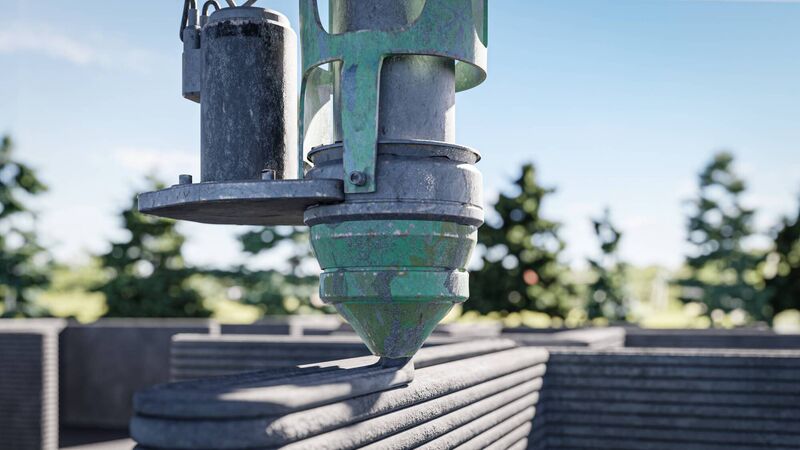
A 3D-printed single-family house built using concrete. File picture
In simple terms, 3D-printed housing is a modern method of construction. It uses specialised machines on site connected to computer-aided technology to extrude and lay horizontal lines of insulating concrete that rise from the ground as walls.
The technology is highly automated and precise, fast, and potentially cheaper than using blocks and standard wet trades. Its versatility (the nozzles of these machines can round corners beautifully) is attracting attention all over the world, especially in the area of low-income housing and targeting areas where importing typical construction materials and equipment would be difficult. 3D printing does not create the entire home (we’re not there yet), so foundations, plumbing and electrics are installed in the typical way, but prefabricated elements like windows and doors can be brought to the site to further speed up the process.
Ireland is at the forefront of these developments. Dublin-based Harcourt Technologies is working with not-for-profit housing company Building for Humanity to deliver Britain’s first 3D-printed housing scheme.
The Charter Street Project in Accrington, Lancashire, will provide 46 net-zero-carbon-ready houses and apartments fully compliant with building regulations for veterans and low-income families. Building for Humanity argues: “No one else is building truly affordable housing — and the reason the current system is not working is down to profit.”
It’s unclear how soon 3D printing could be applied to housing projects here but, in the US, future-forward architects and engineers are already deploying it in emergency housing and one-off bespoke builds. HTL suggest that 3D printing could reduce costs on-site by 30%.
For more go to htl.tech.