Home Q&A: How do I keep my old mantel clock ticking?
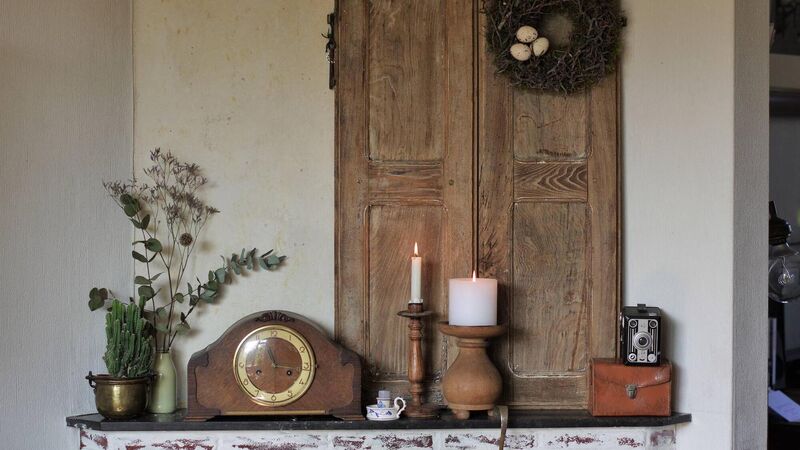
First of all, if it’s running and keeping time, then keep it running. Clocks left idle tend to dry out and seize. Depending on how many hours it’s engineered to run, it should be wound well before that time. So, an eight-day clock should be wound every week (not when it simply winds down and dies).
Above all, we want to keep any undue pressure off what’s termed the main spring, so don’t overwind the clock or use an aggressive fast action when doing so. If the clock stops when you have wound it, chances are it’s overwound and will be freed by a horologist during general maintenance.
You can expect to have your clock checked and lubricated every three-five years depending on how it’s running. We don’t want a wood case near humidity or direct sunshine or heat, so avoid placing it near a radiator or over a fire/stove position — mantel clocks can perish on a mantelpiece.
When moving it, disable or remove the pendulum if there is one. Beeswax is ideal for a light polish — don’t over-apply and buff to a low sheen holding the clock very steady. Don’t use metal cleaners on your clock that could seep into its working mechanism.
You don’t say if you have a key. If not, you need to determine the size of the “winding square” the key slides onto, to find a replacement. Again, an horologist can help you and give you further advice on minding your lovely inheritance.

- Got a question for Kya deLongchamps or any of our Home team? Email home@examiner.ie


CONNECT WITH US TODAY



Be the first to know the latest news and updates