Peter Dowdall: Why I associate August with hydrangeas, sweet peas and asters
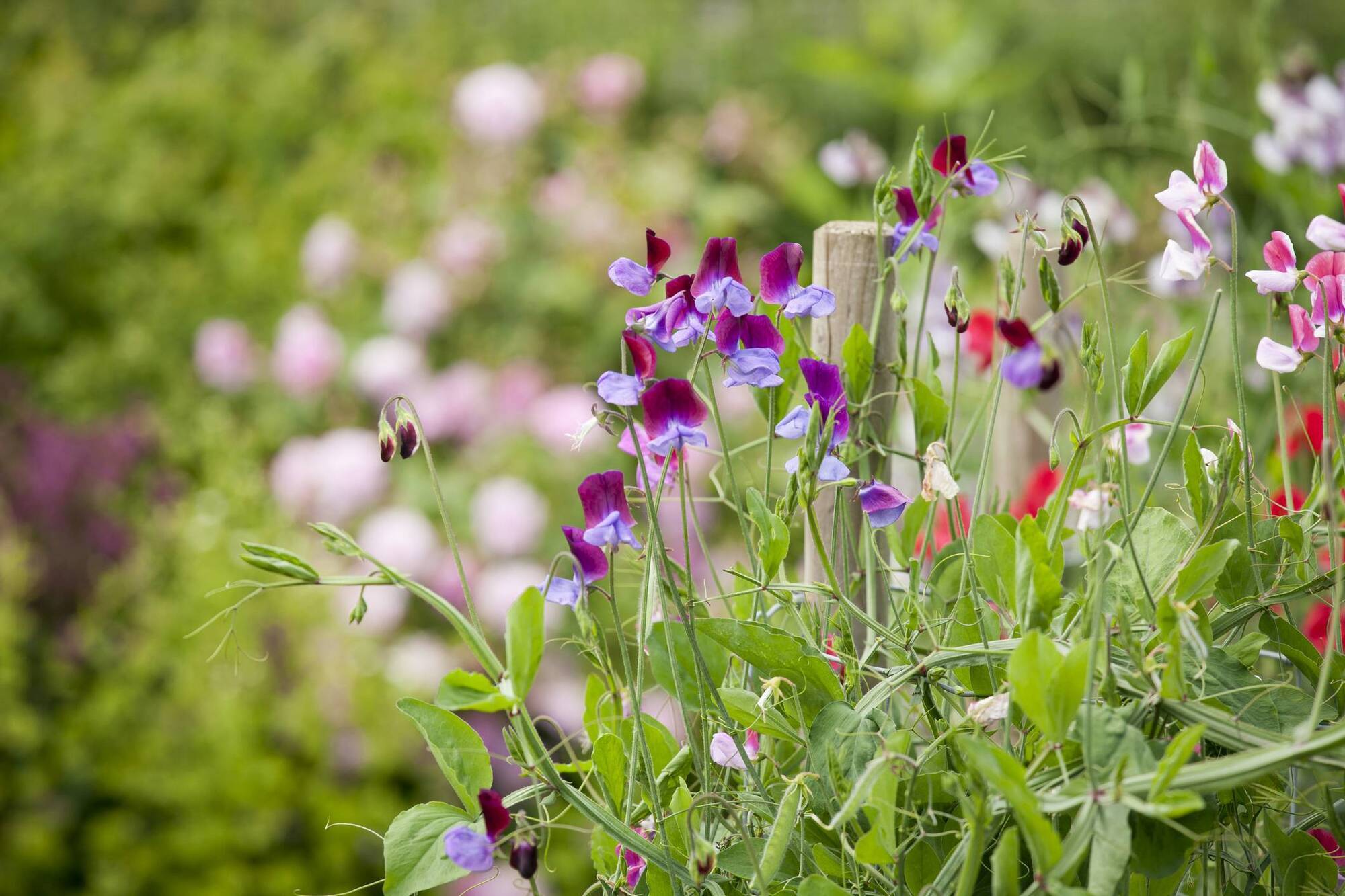
While there may be more to be done, your garden is already a beautiful place and somewhere where you can unwind 
Peter Dowdall: Why I associate August with hydrangeas, sweet peas and asters

'One of my mother’s favourite flowers was sweet pea and each year I grow them and think of her,' says Peter Dowdall. File pictures

There's one very important thing to do in the garden during August. It’s important because, whether we like it or not, summer is drawing to a close, the evenings are getting that bit shorter — perhaps not yet too noticeable but shorter they are getting — and soon life will head even more indoors.

That task that I refer to? Enjoy it. Make sure that you take time out to relax and smell the roses so to speak. Speaking for myself, and perhaps all of us, I can be at risk of always just seeing what other jobs need to be done, what weeds need to be pulled, which plants need to be pruned, where needs to be cleaned, and I can forget to do that most important thing of all, simply sit back and enjoy what is all around us.

The growth of summer perennials is slowing and their vibrancy is reduced but there is still plenty of colour and lots of insect life about, feasting on blooms and leaves. It’s so important to take it all in.
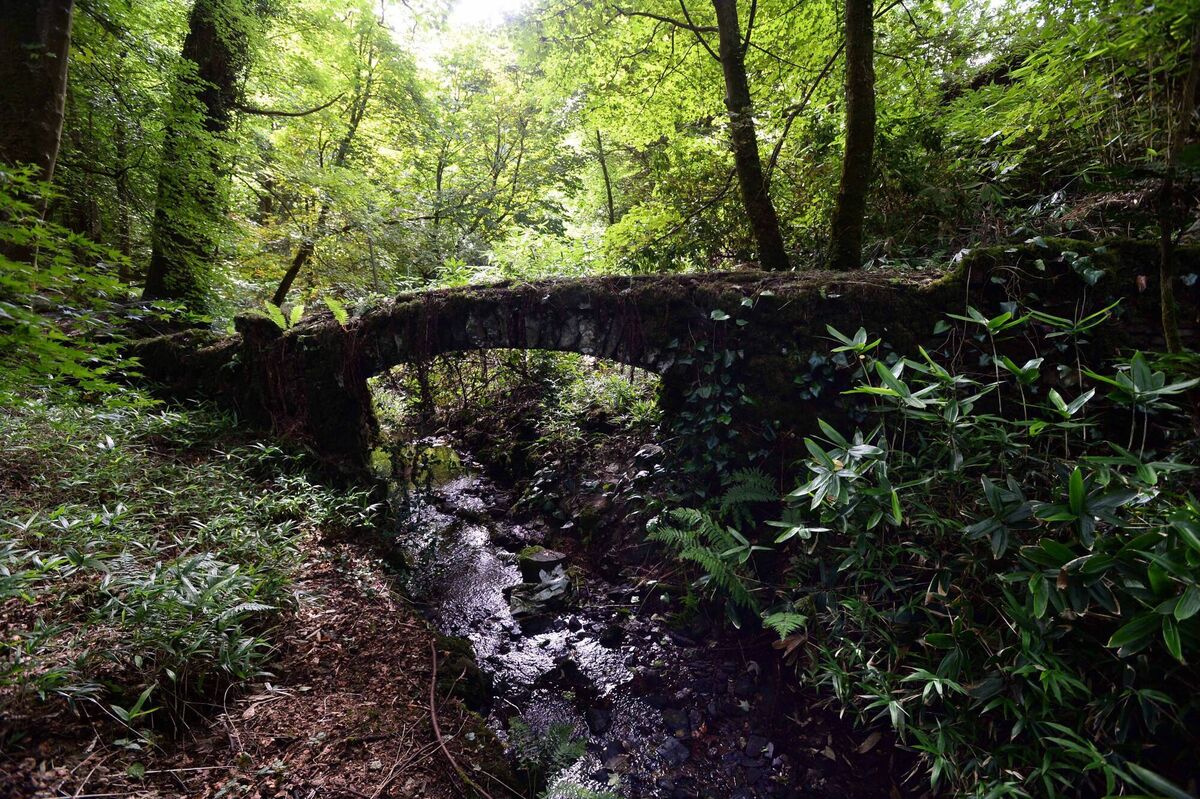
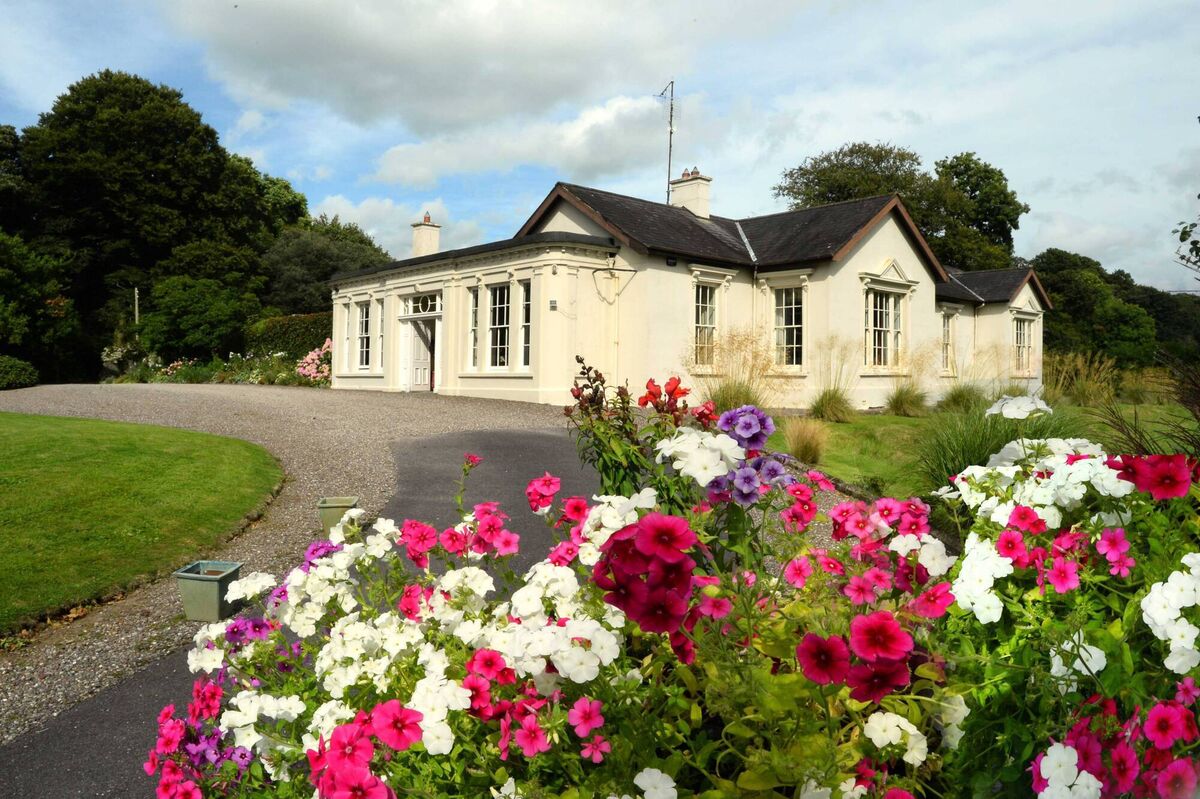
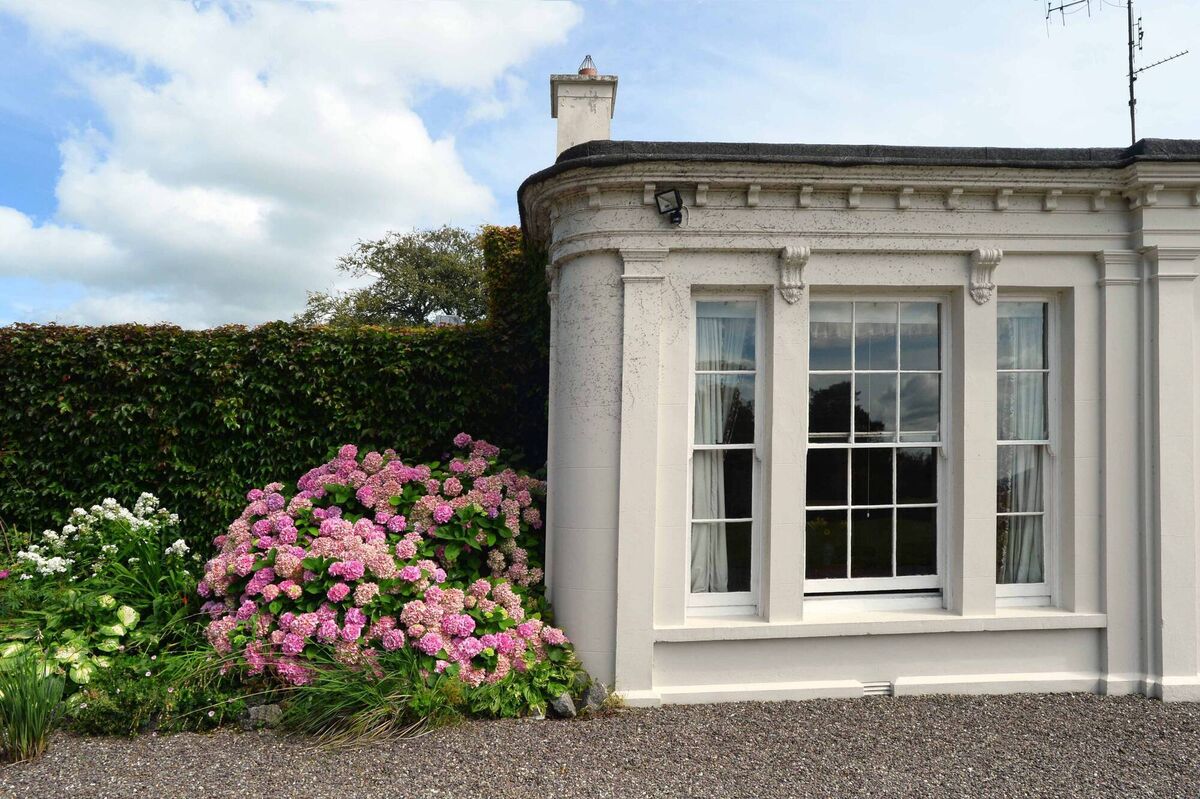
The gardens at Dunsland House, where Peter Dowdall grew up. Picture: Denis Scannell

And while there may be more to be done, your garden is already a beautiful place and somewhere where you can relax, unwind, and appreciate.

I lost my brother James in a traffic accident many years ago, in the month of August, when I was a small child. My mother too passed away in the month of August, in 2015. Thus, I embrace that time of reflection and calm during this month in my garden.
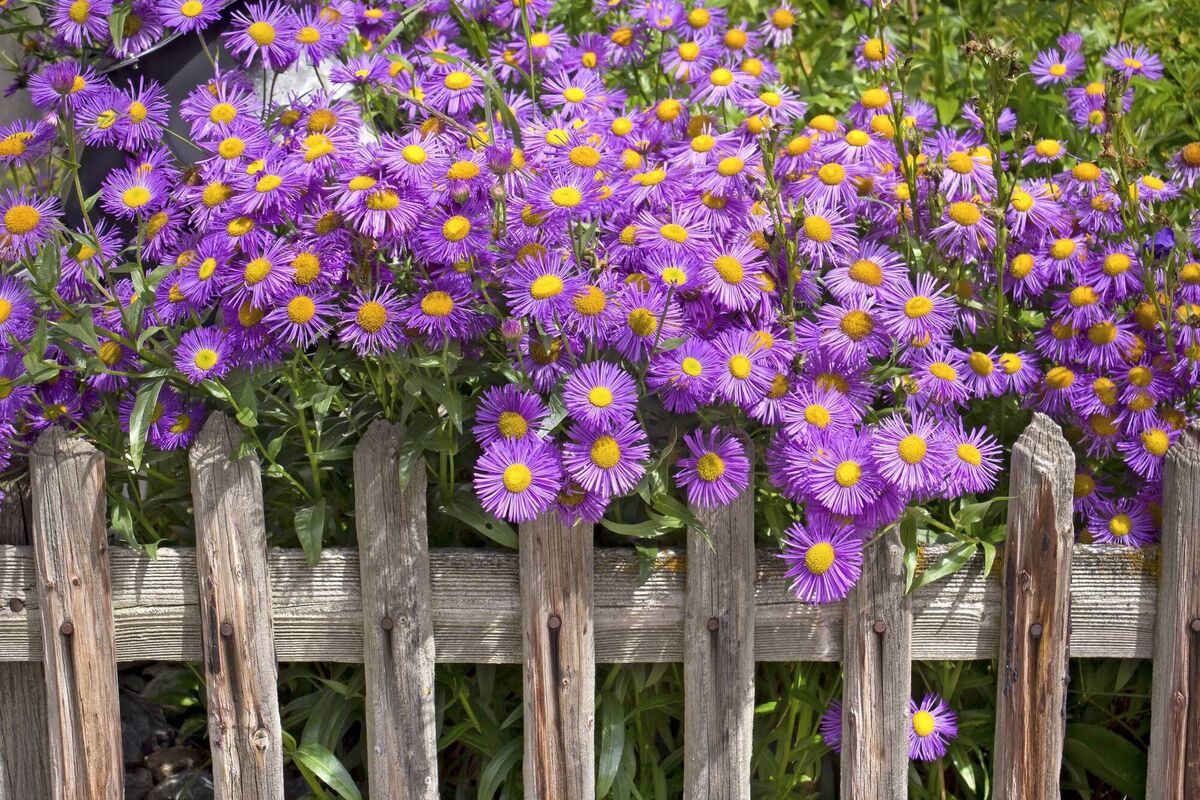
Asters. 
Asters. 

I associate the month of August with blue hydrangeas and asters as I remember cutting and tying together these blooms way back in 1984 for my late brother.

One of my mother Rosemary’s favourite flowers was sweet pea and, each year, I grow sweet peas and think of her. Right up to the time she passed, a vase of these blooms would be beside her. 
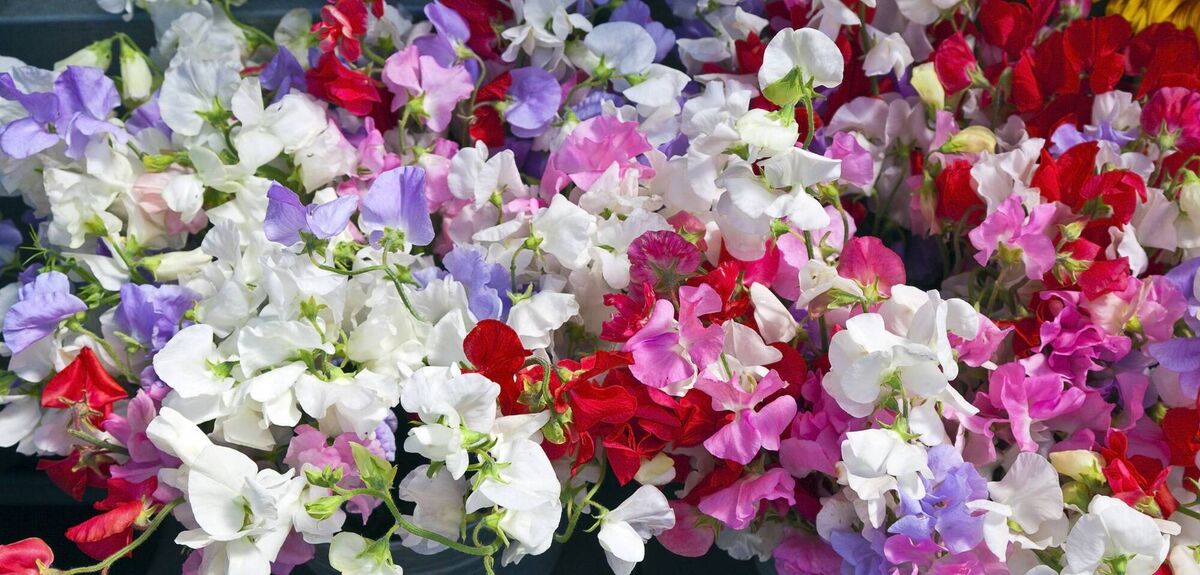
Sweet peas were a favourite of Peter's mother Rosemary.

Now, during this month, I sit amongst the blue hydrangeas, asters, and sweet peas and I remember my mother and my brother. 

Dunsland House, Glounthaune, Co Cork, where Peter grew up, one of seven siblings. Picture: Denis Scannell

The passage of time eases the pain of loss and now I smile when I see the flowers and think of those gone by. I feel closer to them in the garden.

We all have this innate connection to the great outdoors and that is where we are more connected to the greater world around us. Right now, however, I am also filling part of my garden with the pure white hydrangea of H arborescens ‘Annabelle’, mixed with the hydrangea ‘Limelight’.
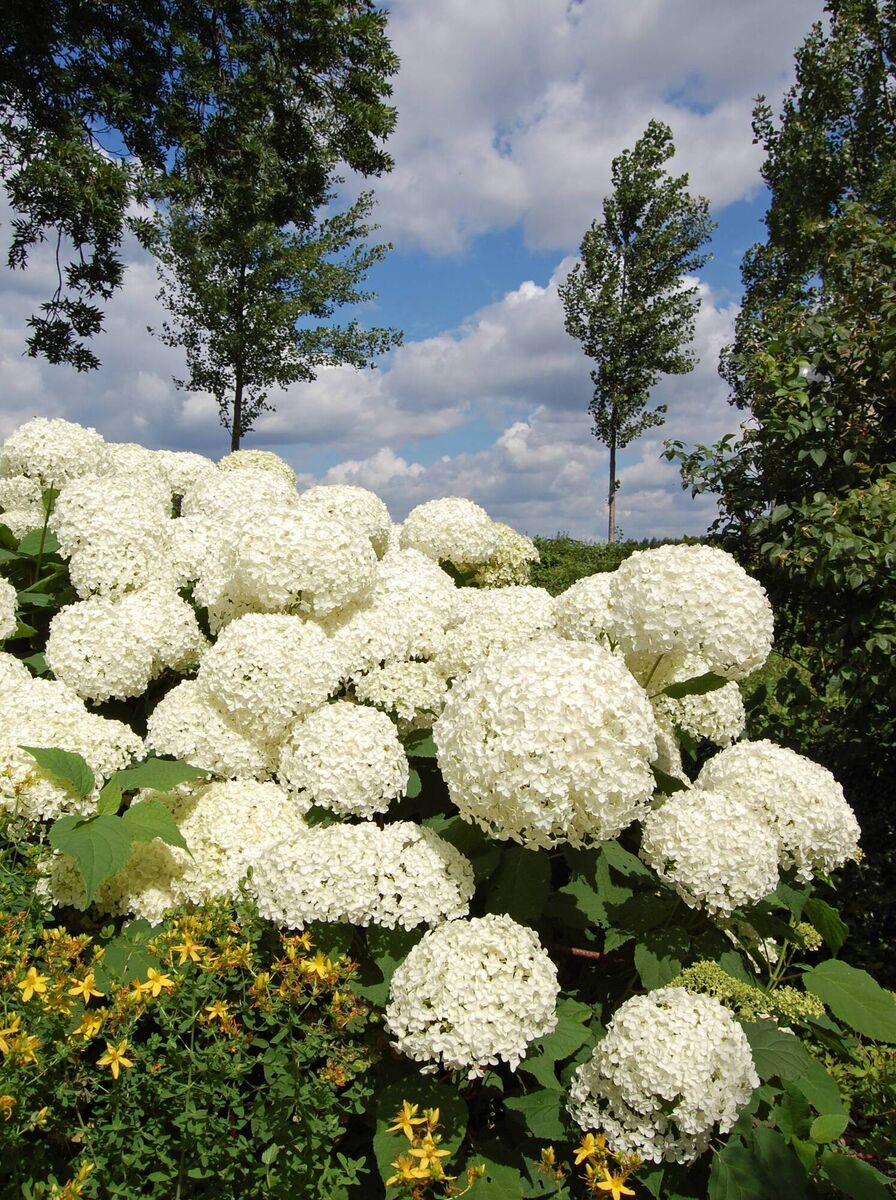
The white hydrangea 'Annabelle'. File picture

 The latter variety is more robust and upright helps to keep Annabelle standing straight as she can be prone to falling over a bit as her blooms become too big for her slender stems to hold.

So many different varieties of hydrangeas are available from which to choose, each with its own unique characteristics including mophead, lacecap, oakleaf and panicle hydrangeas. So, before you start growing one, research which type you prefer and which one will suit your garden best as many of them will grow very large.

I was in the beautiful Parknasilla Hotel in Kerry recently and several years ago they planted outside the main, old part of the building with beds of the panicle Limelight. 

It is now that they have matured and are at their very best with cone-shaped blooms, many nearly 25cm in diameter and height, quite a sight to behold.

Most hydrangeas prefer to grow in a semi-shaded position, ideally receiving morning sun and afternoon shade. 

Peter's mother Rosemary was a keen gardener attheir home Dunsland House. Picture: Denis Scannell

Too much direct sunlight can cause the plants to wilt and their flowers to fade quickly. 

Though they will grow in most soils, hydrangeas thrive in rich, slightly damp soil. Mulching around the base of the plant can help retain moisture as well as prevent weed growth.

One of the fascinating aspects of hydrangeas is their ability to change flower colour based on soil pH. Acidic soil produces blue flowers, while a hydrangea growing in alkaline soil will give you pink flowers. 

If you want to change the flower colour, you can amend the soil accordingly. For example, adding aluminium sulphate to the soil can make it more acidic and promote blue flowers and adding garden lime will promote pink flowers.

White hydrangeas including Annabelle and the panicle forms won’t change flower colour depending on pH but they do prefer slightly acidic soil with a pH level between 5.5 and 6.5. 

The timing and method of pruning hydrangeas depends on the type of hydrangea you’re growing, so it’s important to know your specific variety. In general, you can remove dead or damaged wood and prune for shape and size in early spring.
 

x

More in this section

Revoiced

Newsletter

Sign up to the best reads of the week from irishexaminer.com selected just for you.

Cookie Policy Privacy Policy Brand Safety FAQ Help Contact Us Terms and Conditions

© Examiner Echo Group Limited