Know the drill: Women get on course to boost DIY confidence

Difficulty finding a tradesperson and the cost-of-living crisis are keeping the lockdown-induced trend for DIY going
Know the drill: Women get on course to boost DIY confidence

Elaine McFerran, tutor on the DIY for women course at Ashton Adult Education and other courses at The Common Knowledge Centre.

I've been looking for a DIY course — nothing scary, no heavy lifting, but just enough learning to fix a wonky door handle and a kickboard resisting reinstatement after a dishwasher leak necessitated its removal.

They’re small jobs, and although the house won’t fall down if they’re not done, it would be nice to sort them myself rather than waiting for that rarity of modern times — the lesser-spotted handyman.

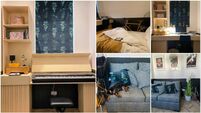
Clíodhna Barlow perched on an upcycled couch.

I think, sisters, it’s time to start doing it for ourselves, if you haven’t done so already like Clíodhna Barlow — innovation and brand strategist by day, DIY enthusiast by night and on weekends — who shares her accomplishments on social media, having developed a taste for DIY by experimenting on her first home.
“It was a typical blank-canvas new build, and I was keen to give it some character,” she says. “I painted walls, attached fixtures and fittings, and upcycled furniture. I even had a go at some minor plumbing and electrical jobs. Google was a great source of information.”

Noticing social media use accelerating during lockdown with DIY content and simple how-to videos, Clíodhna says: “I think seeing people, women in particular, mastering DIY skills helped break down some stereotypes and gave others the confidence to give it a go.”

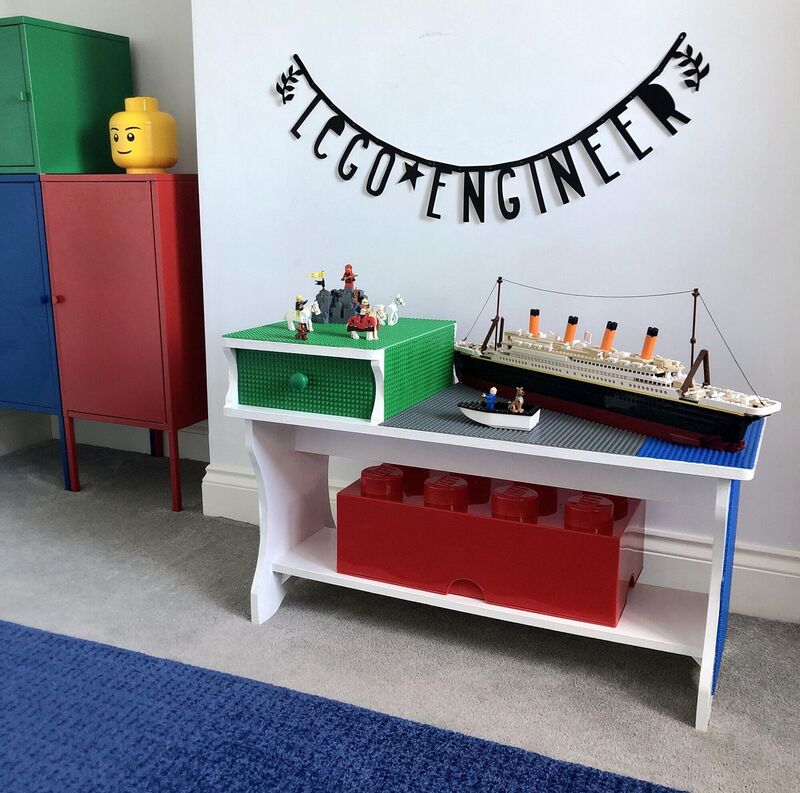
 Clíodhna Barlow's DIY know-how has developed into upcycling, including taking a 1980s telephone table and transforming it into a Lego table.
Clíodhna Barlow's DIY know-how has developed into upcycling, including taking a 1980s telephone table and transforming it into a Lego table.

It certainly takes a degree of confidence for an absolute novice to risk the possibility of a mistake or even making things worse, but Clíodhna is encouraging.

“Like all skills, you have to start somewhere, and what’s the worst that can happen? I’ve made plenty of DIY mistakes in my time, but I’ve usually been able to correct them, and I learn from them for the next project.”

When it comes to basic equipment, she says a drill with a variety of drill bits is essential.
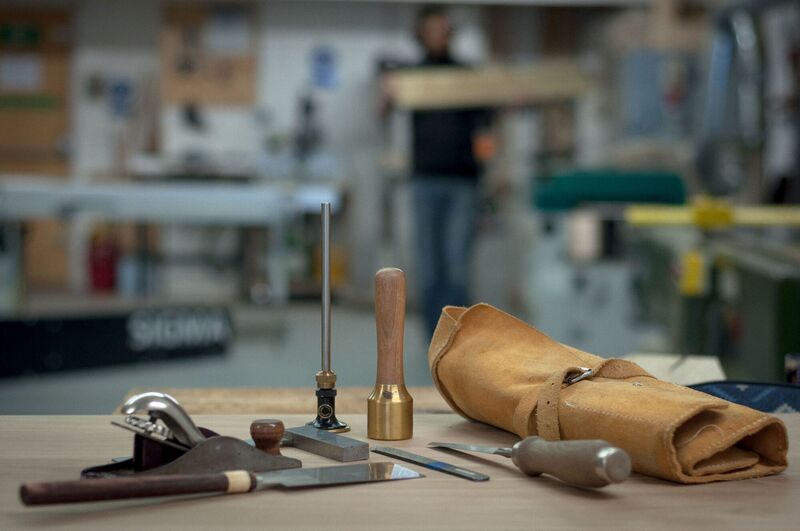
 For students looking to acquire woodworking skills as part of their DIY learning, basic carpentry tools are essential.
For students looking to acquire woodworking skills as part of their DIY learning, basic carpentry tools are essential.

“The model I have is battery-operated and rechargeable,” she says. “I use it all the time and it was the first proper tool I bought myself to put up fixtures and fittings. If you plan on working with wood or upcycling furniture, I’d highly recommend a small sander. 
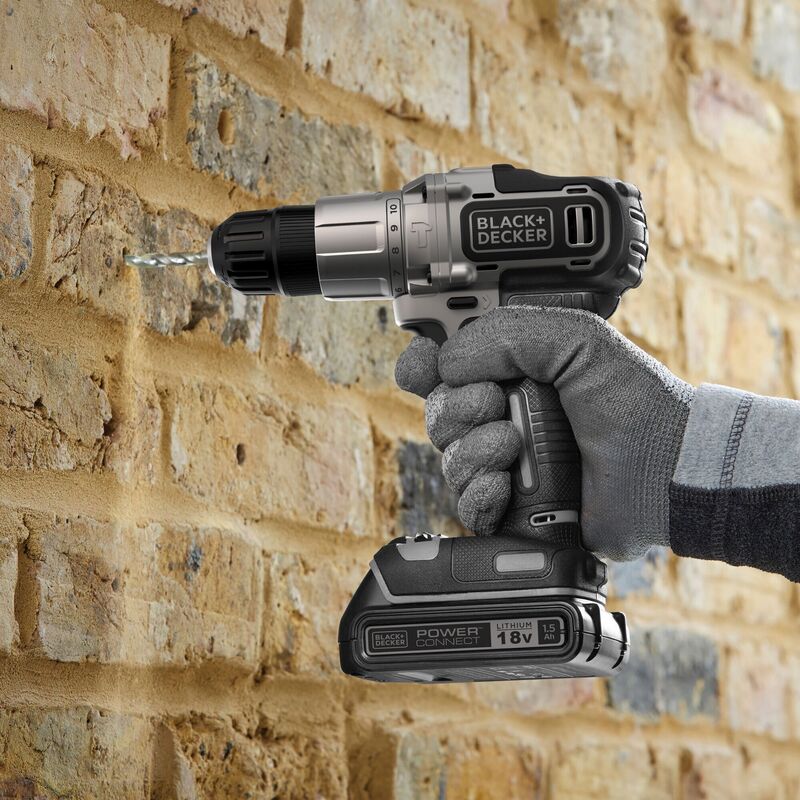
 A drill is recommended for all DIYers and learning how to use the right drill bits for each job.
A drill is recommended for all DIYers and learning how to use the right drill bits for each job.

"It’s worth its weight in gold and will save you hours of hard work. You don’t have to spend a fortune on a drill — mine was an entry-level model, and it’s still going strong today many years later.”

Liam Murray, carpentry tutor at Cork-based Benchspace, which runs courses in woodworking and machine use, says the feedback he receives is people want to be able to change a lock, put up a shelf, or architrave and he advocates buying basic tools.
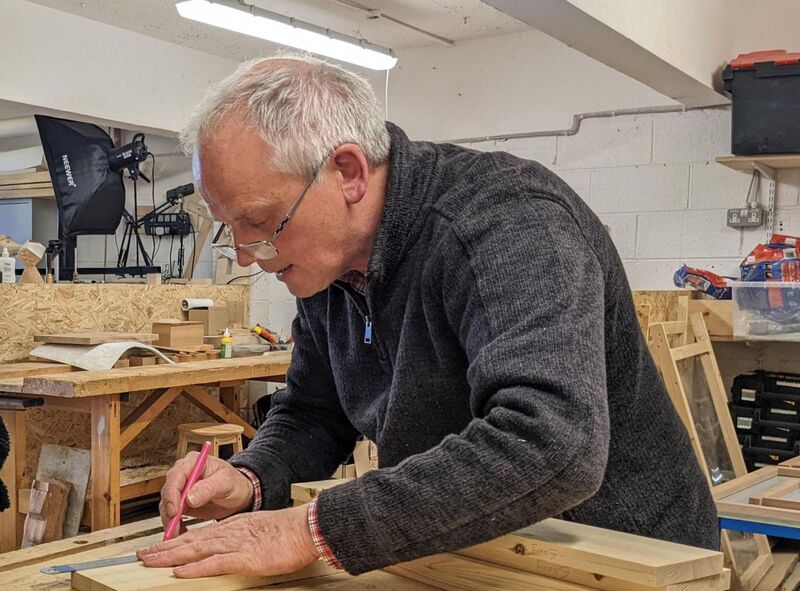
Liam Murray, carpentry tutor at Benchspace.

“They’ll spend most of their time in the box,” he says. “Buy plug-in drills if they’re not being used often as you don’t have to worry about the battery being charged. 

"If buying a battery, buy the same brand for everything so you have the same charger. If one goes, you have another battery for back-up.”

Confidence, according to Cork-based DIY tutor Elaine McFerran, is what any DIY project needs.

Teaching an array of weekend courses at The Common Knowledge Centre in Kilfenora, Co. Clare, Elaine also runs DIY courses specifically for women at Cork City’s Ashton Adult Education.

Elaine McFerran.
Elaine McFerran.

“Find a course that seems interesting to you and get started,” she says. “You’re not going to learn everything on a course, but you’ll get the confidence to give things a go. Women use a knife every day for cooking. It’s not much different with a saw.”

Participants in the autumn and spring courses at Ashton Adult Education can expect to acquire an understanding of basic skills.

“We look at wood,” says Elaine, “and at the basics of using a saw, clamps, marking, ruling and measuring tapes; putting up a shelf and the anatomy of drills and drill bits. If you want to repair your kitchen cabinet, you need to know what drill bit to use.”

She even covers basic plumbing and tiling on the course.

“Afterwards, you probably wouldn’t take on the tiling of a wet room,” Elaine explains, “but you’d give a kitchen splashback a go.”

Afterwards, if you never implement the skills you learn, or give up DIY after the first wave of enthusiasm, Elaine sees an added value students acquire.

“They have a better understanding and know the vocabulary around DIY so when they’re talking to a tradesman, they can do it knowledgeably and with confidence.”

x

More in this section

Revoiced

Newsletter

Sign up to the best reads of the week from irishexaminer.com selected just for you.

Cookie Policy Privacy Policy Brand Safety FAQ Help Contact Us Terms and Conditions

© Examiner Echo Group Limited