Peter Dowdall: Welcome to Ireland's very own rainforest
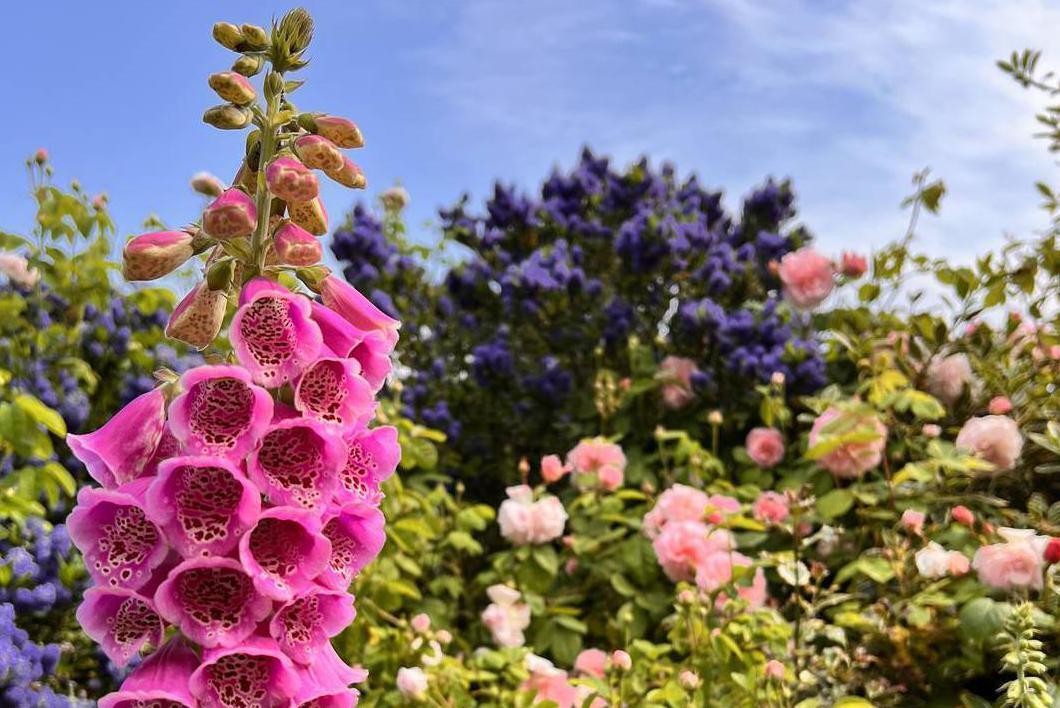
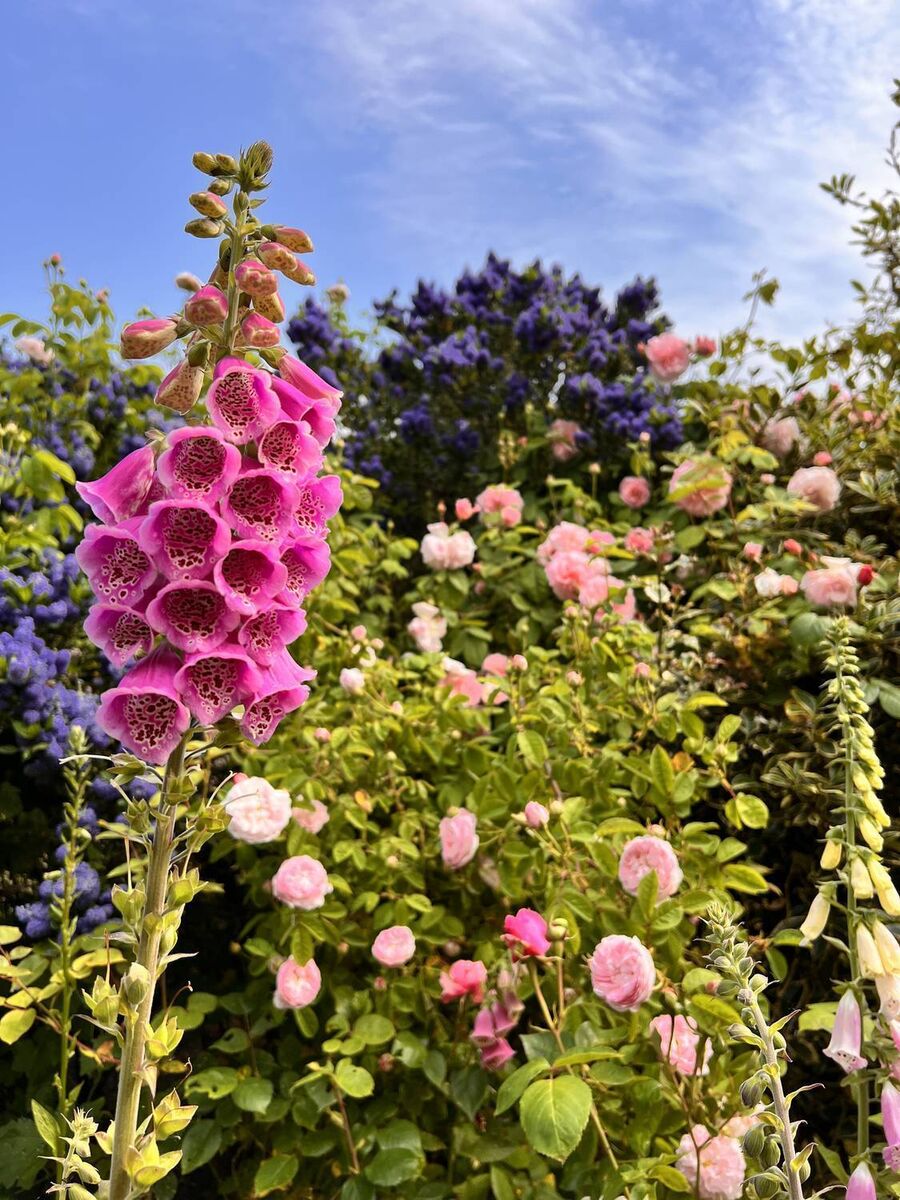
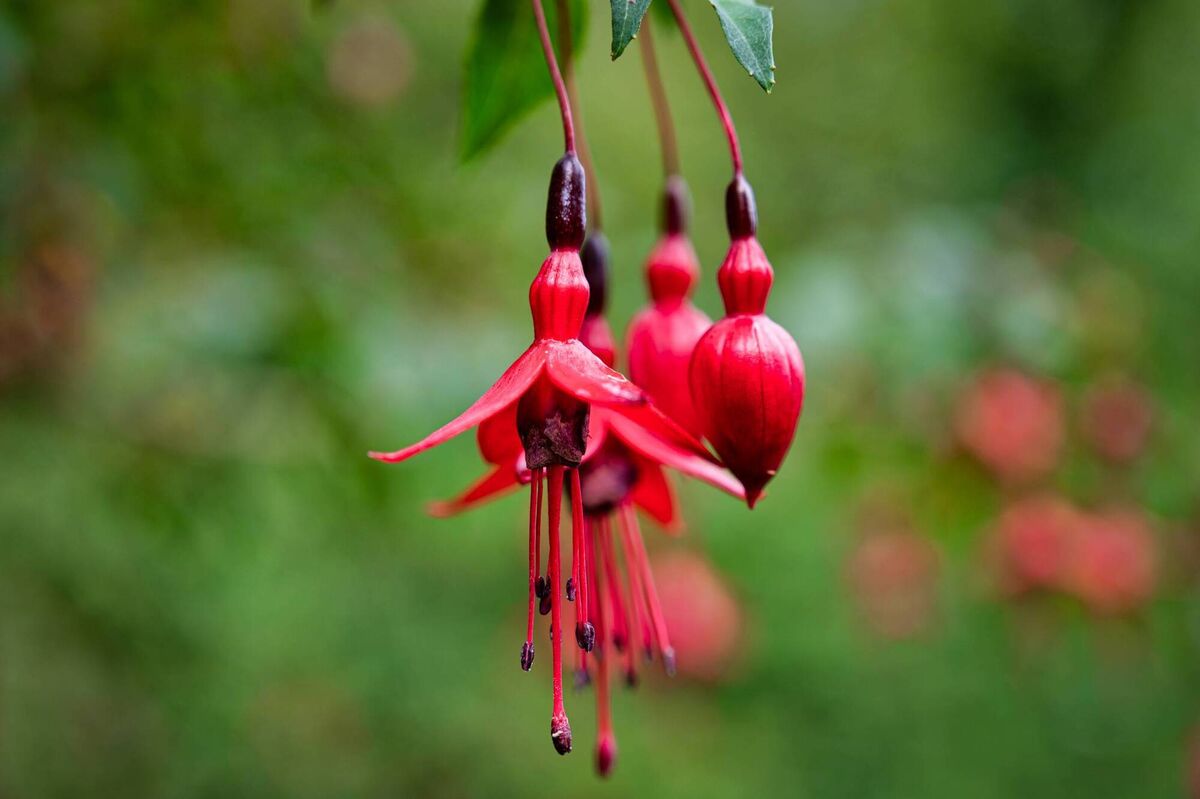
Foxgloves are among the 'showoff' plants that add vibrant beauty to these corridors of biodiversity. File pictures
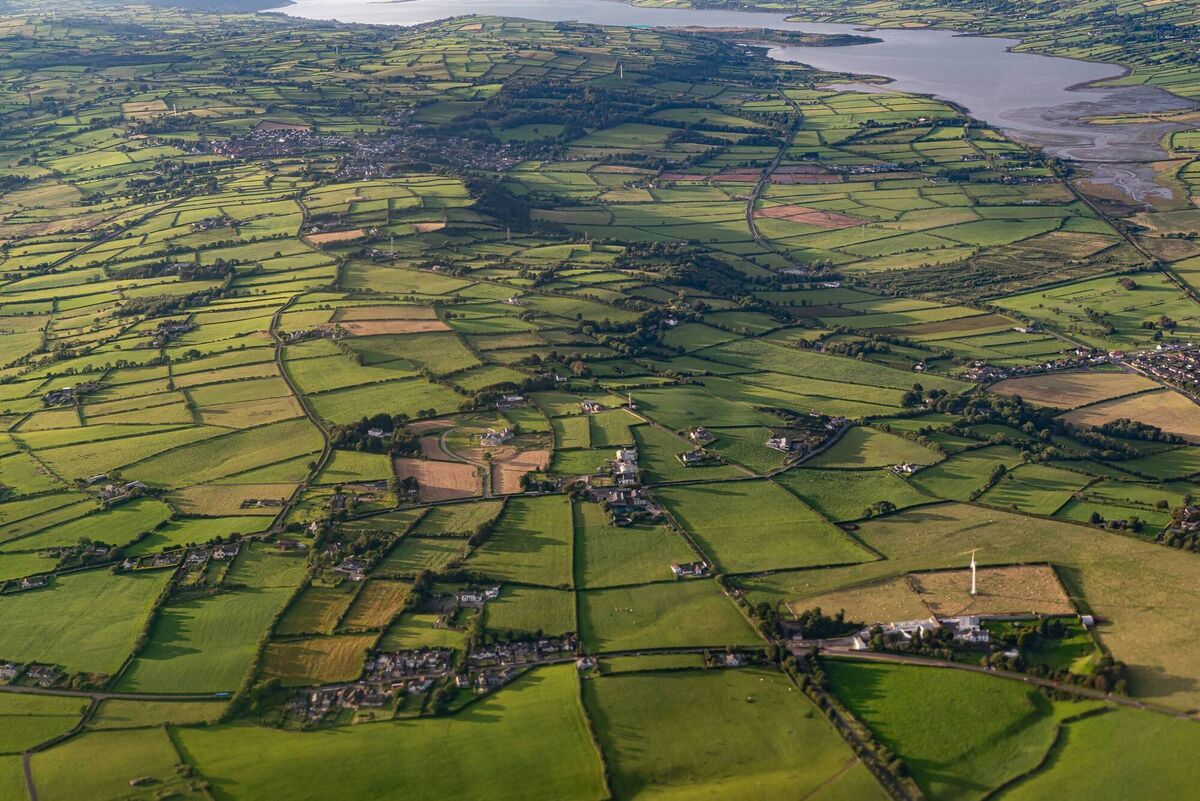
Hedgerows in Ireland have been described as our rainforest. They are not just beautiful to look at but also critically important from an ecological and environmental perspective.
They support native flora and fauna, including wildflowers, birds, mammals, insects, and butterflies, contributing to overall biodiversity conservation.
They provide essential habitats for a wide range of plant and animal species acting as wildlife corridors, allowing animals to move between different habitats, find shelter, and feed.
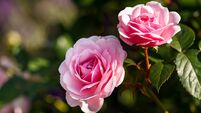
Whitethorn, blackthorn, Guelder rose, spindle, blackberry, rose, and honeysuckle are just very few of the plants which are synonymous with Irish hedgerows and are so very beautiful. Hollies, elderberries, roses, damson and crab apples don’t just look beautiful but they also provide food for birds and other animals.
CLIMATE & SUSTAINABILITY HUB
Earlier in the year we were treated to the spring display of lesser celandine, primroses and cowslips all flowering low to the ground and afterwards, the much higher cow parsley was in full bloom. I had the pleasure of driving down many rural roads during May and June and the cow parsley was in full flower.
A few times I just had to stop, to admire the roadway ahead and behind as the corridors were simply alive with the white and green beauty. I tried to record a few Instagram moments but no phone or camera can capture the sheer magic of being enveloped in such energy and beauty.
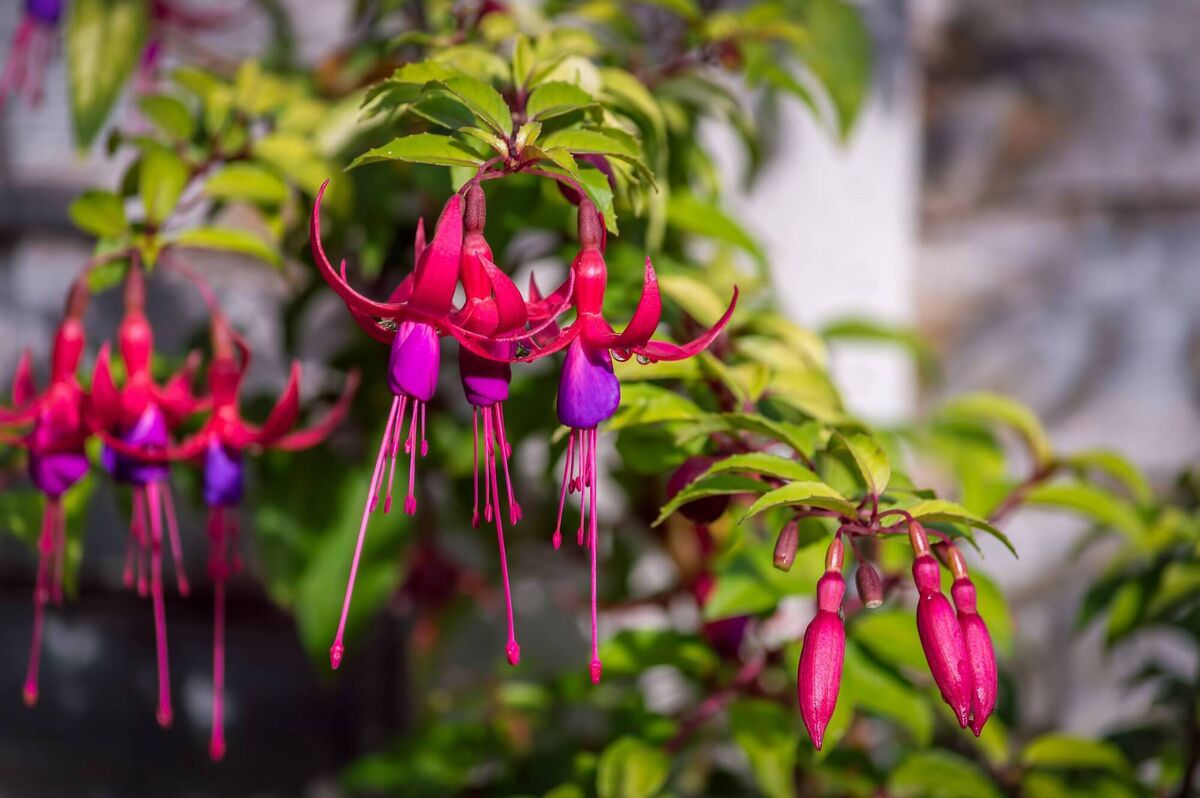
At the moment, none of us can fail to spot the vibrant beauty in these corridors of biodiversity as the montbretia and fuchsia are alive with colour now along with the foxgloves, purple loosestrife and wild roses.
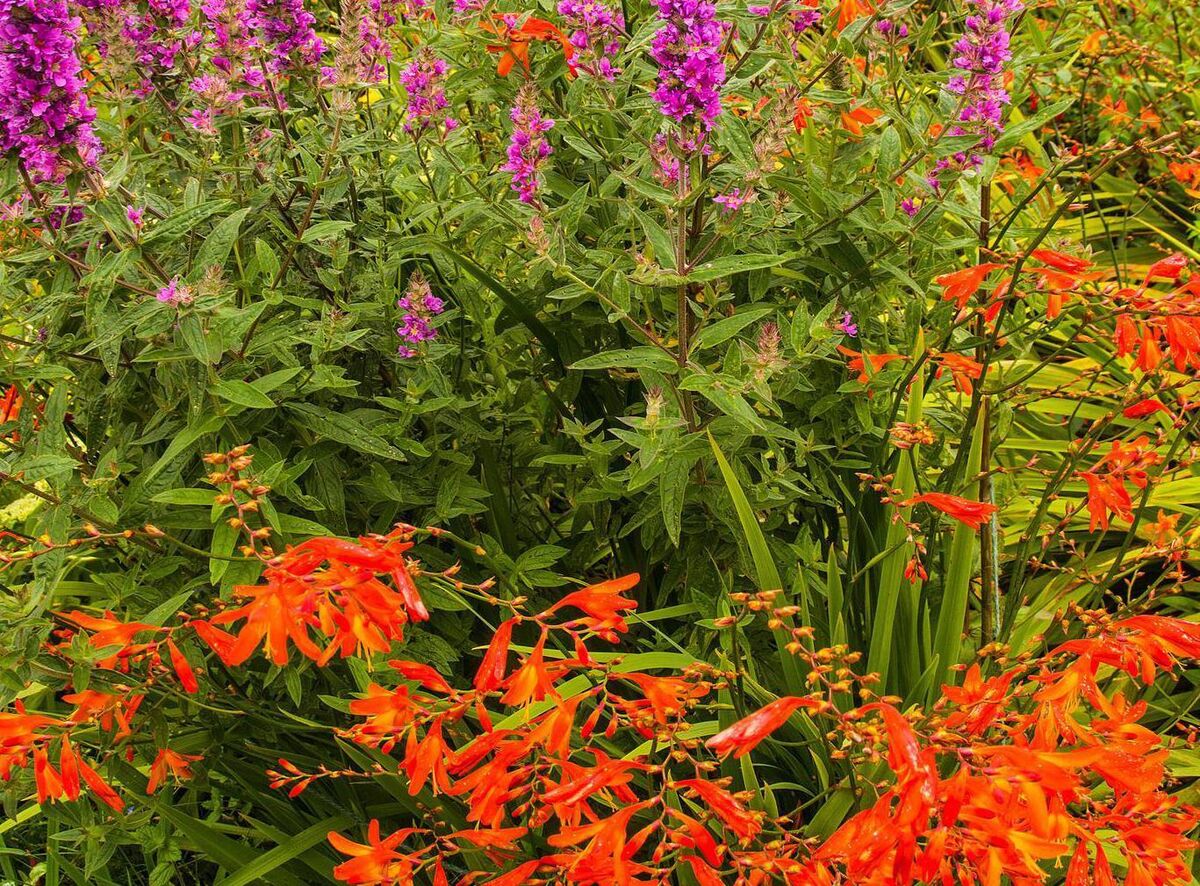
These are just some of the “showoff” plants though and when you stop to inspect closer you will see far more in flower, leaf and berry in these horticultural oases.
No matter how much you may admire them, please do remember that they are to be left in the wild.
Plucking “just one” will only result in the plant dying as it won't transplant at this time of year and even if it did, what is beautiful in the wild can become invasive in a domestic garden.
If it has had to fight its own corner and stand its ground on the highways and byways of Ireland, it could well ride roughshod over some of the more mollycoddled shop-bought specimens in our gardens.
Lonicera periclymenum also more commonly known as woodbine or honeysuckle is a twisting climbing plant in full bloom right now.
I remember well, on childhood trips in Ireland, my mum stopping the car at the roadside at the sight of a plant so we could get out and inspect it — or if we were walking, we'd simply stop in our tracks just so we could get a noseful of it. It’s said to be strongly, sweetly scented, though I must admit I never can get it.
I admire its aesthetic beauty nonetheless. My late mother adored it and the bees and other pollinators certainly get the scent and it will always be alive with insect life when in bloom.
Another, which would cause the car to be stopped and all nine of us to be emptied out, was bog cotton, Eriophorum angustifolium.
It's also referred to as cottongrass, and I’m not sure if we ever got a definitive confirmation on its sighting as she was thankfully always too nervous and nor would she allow any of us to go trekking across the bog to look at it. We marked it as “sighted” regardless.
This eriophorum is quite an insignificant-looking plant in leaf and flower but it is the seedhead which will stop you, particularly when you see it en masse. Really attractive white, cotton-like tufts appear along the stems which get caught in the breeze when the seed is ripe in another of nature’s amazing seed-dispersal techniques.
I digress, however, as this bog cotton isn’t common in most hedgerows except on boggy areas but it is not just the flora that makes the hedgerows important. They are only one part of the tapestry.
Of 110 bird species regularly recorded during the breeding season in the Countryside Bird Survey in Ireland, 55 use hedgerows. Of these, 35 species nest in hedgerows which provide good cover from predators.
Mammals such as bats, squirrels and hedgehogs use these hedgerows in which to feed, nest and hibernate.
Bees, moths and butterflies, many species of which are endangered also find food and refuge in our hedgerows.
They absorb and store carbon dioxide from the atmosphere. The dense vegetation in hedgerows helps mitigate climate change too by reducing greenhouse gas emissions.
They act as natural barriers, helping to prevent soil erosion. Their root systems bind the soil together, reducing the risk of soil erosion caused by wind and water runoff. This is particularly important in agricultural areas where soil conservation is crucial.
Because they act as natural filters hedgerows help to reduce water runoff, allowing water to infiltrate the soil and replenish groundwater reserves. This helps to maintain water quality and can contribute to flood prevention.
Along with providing shelter and nesting sites for birds and animals, hedgerows serve as effective windbreaks, providing shelter for crops, livestock, and buildings. They help reduce wind speed, protecting crops from damage and improving crop yields.
All this happening in front of our noses as we speed by, who knew?
- Got a gardening question for Peter Dowdall? Email gardenquestions@examiner.ie


CONNECT WITH US TODAY



Be the first to know the latest news and updates