Peter Dowdall: These are the roses that benefit pollinators  
Because not all roses are created equal when it comes to helping pollinators carry out their work in your garden
Peter Dowdall: These are the roses that benefit pollinators  

Roses are classic garden plants that can add beauty, fragrance, and colour to any garden. But are roses valuable for pollinators?
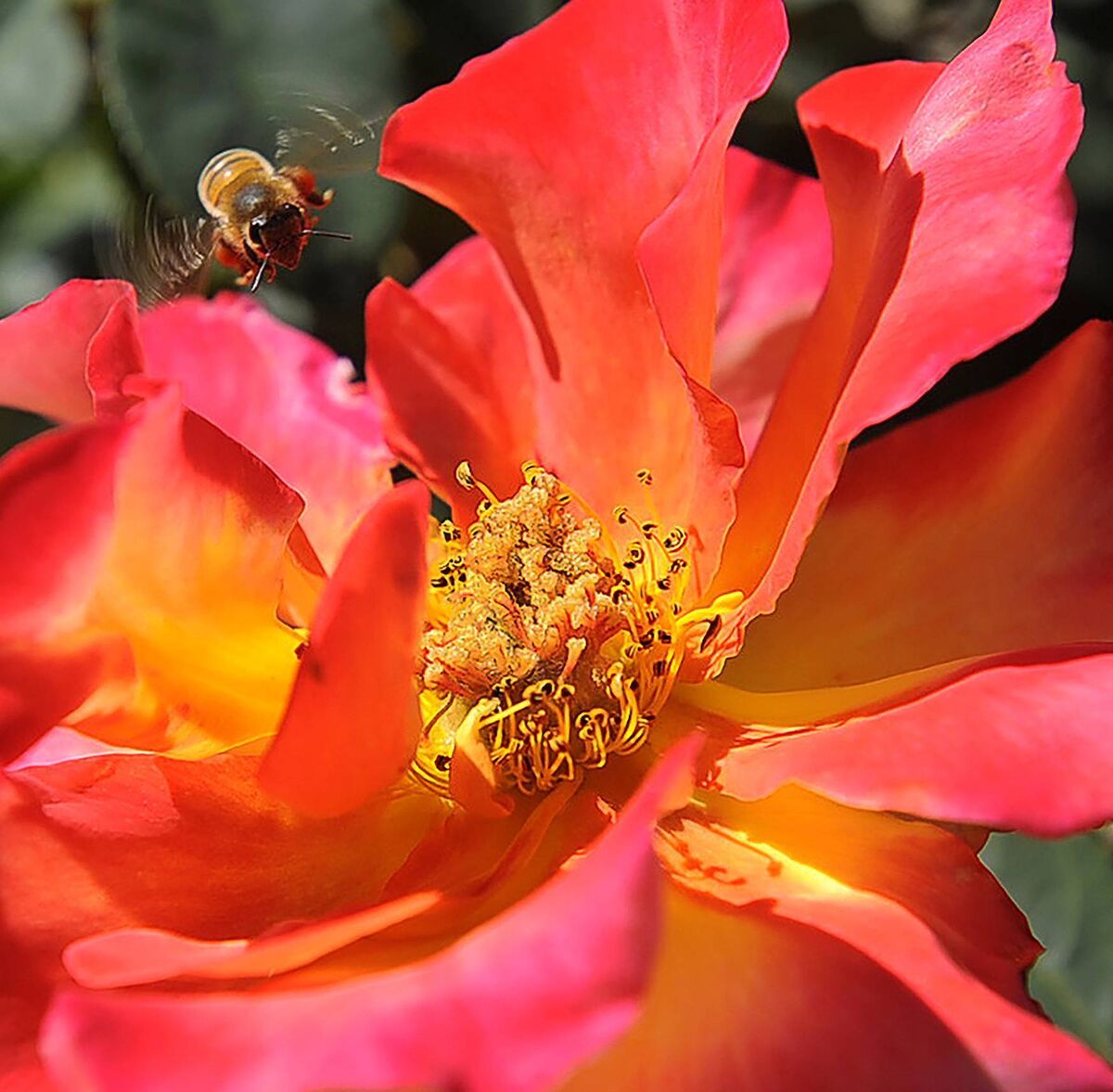
I have heard people say that they are no good for insects and should be avoided — however, that’s not true, as many of them are extremely beneficial along with looking great.

But the truth is that not all roses are created equal when it comes to aiding pollinators. Bees, butterflies, and other pollinating insects rely on flowers for their survival, and some roses can provide a crucial source of food for them.

Before we dive into specific rose varieties, it’s important to understand what makes a good pollinator plant. Pollinators are attracted to flowers that provide a good source of nectar and pollen.

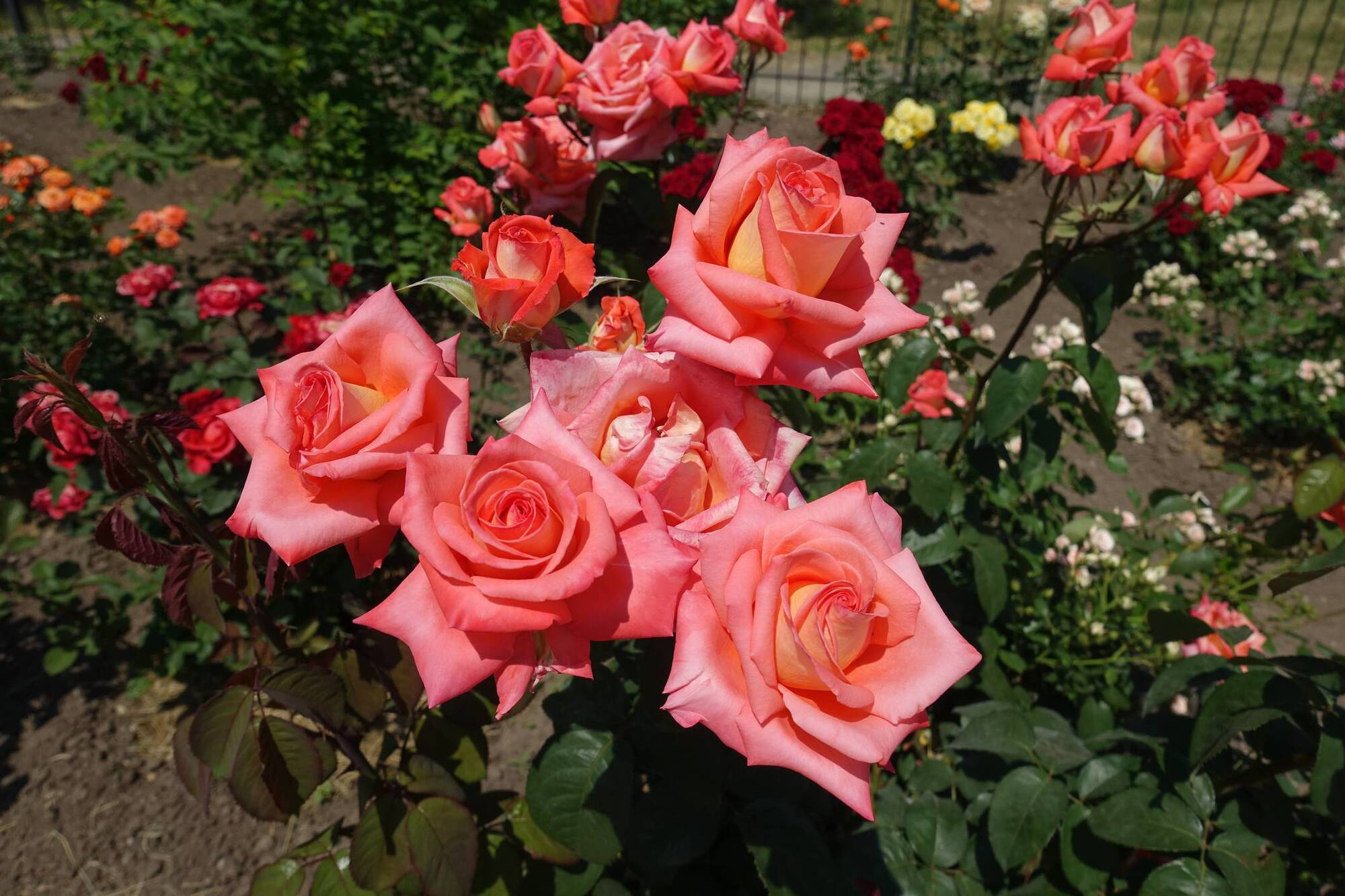
The floribunda: Pollinators are attracted to flowers that provide a good source of nectar and pollen. 	Pictures: iStock
The floribunda: Pollinators are attracted to flowers that provide a good source of nectar and pollen. Pictures: iStock

When it comes to roses, there are many different varieties and groups to choose from.

When I started out on this wonderful gardening journey, it was all about hybrid teas and floribundas. Now these may be considered positively old-fashioned.

I didn’t give much attention to roses in general when I was younger, as I regarded them as too much work and all for results that lasted a short period of time. It was later that I really fell in love with them, and they are such a vast genus.

They are broken into groups as referred to above—including the hybrid teas and floribundas—but also climbers, ramblers, Old English, David Austin, bush, patio, shrub, and ground-cover roses.
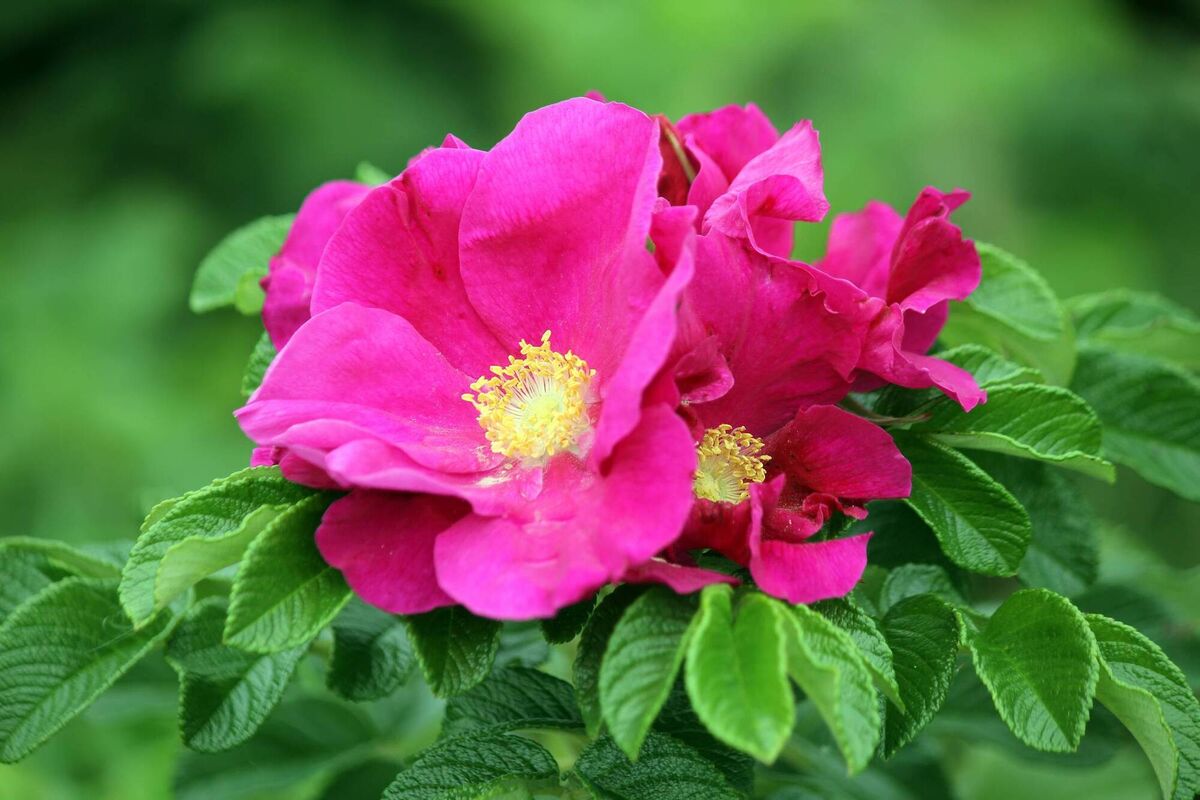
The Rugosa.
The Rugosa.

Firstly, our own native hedgerow roses, Rosa rugosa and Rosa canina, are great for pollinators, give months of colour with their blooms, and later their hips or seed pods. They couldn’t be much easier to maintain, requiring one hard haircut each spring.

Some roses are bred primarily for their ornamental value, with little consideration given to their value to pollinators.

Other roses, however, are bred specifically with pollinators in mind, such as the David Austin variety Scepter d’Isle, which is a beautiful, strongly scented, pale pink with what can be best described as “semi-double” flowers, meaning that its stamens are freely available to any insect who wants them.

The very simple and pale yellow Rosa ‘Tottering-By-Gently’ is beautiful in its simplicity, and if you yearn for a naturalistic style in your garden, then this is a beautiful choice.

One of my favourites of all is the Roseraie de l’Hay rose. This old-fashioned rugosa rose produces large, deep pink—nearly purple—flowers that are highly fragrant.

It is also a repeat bloomer, producing flowers throughout the summer and well into the autumn, and when the flowers fade, prepare to be awestruck by the sheer beauty of the rosehips. Roseraie de l’Hay is known for its high nectar and pollen production, which again makes it a valuable resource for bees and other pollinators.

If you’re looking for a suitable rose for a small garden, then the fairy rose is a good choice. Another pink one, this pale, blush pink repeat flowerer is a star performer.

It will stay under a metre in height and similar in spread, so it is not tiny, but still a dwarf in terms of roses. Although the individual flowers are small, they are highly attractive to bees and other pollinators, and the sheer number of blooms produced by this plant makes it an important resource for them.

For a more unusual option, consider the Rosa glauca. The common name is the redleaf rose. I find the leaves more glaucous than red in colour, hence the specific epithet.

This species of rose produces exceptionally beautiful clusters of small, pink flowers in the late spring and summer, followed by attractive red hips in the autumn. The striking blue-green foliage provides a beautiful contrast to other plants in the garden.

I have several ground-cover roses growing in my garden, some pink and some white. Again, the flowers are simple, single and sometimes semi-double, and the bees seem quite happy with them, and this is the acid test.

We can read as much as we want about which plants to use for bees, but the best way to learn, like nearly everything in the garden, is by trial and error.

Finally, if you’re looking for a climbing rose, two to put on your must-have list are Rosa Meg and Francis E Lester. Both are pale pink and very attractive. Free-flowering with single blooms, again meaning that the stamens are easily accessible.

While both are worth growing, if I was to choose one, it would be Francis E Lester, as its petals are white at the centre of the flower, which seems to nearly illuminate the stamens, and the whole flower fades to a pure white as the season progresses.

More in this section

Revoiced

Newsletter

Had a busy week? Sign up for some of the best reads from the week gone by. Selected just for you.

Cookie Policy Privacy Policy Brand Safety FAQ Help Contact Us Terms and Conditions

© Examiner Echo Group Limited