Peter Dowdall: 'Pristine lawns were once the only way gardens could be beautiful. Now it's the opposite'

And 'no mow' campaigns have been successful in calling attention to the beauty of wildflowers growing in our lawns
Peter Dowdall: 'Pristine lawns were once the only way gardens could be beautiful. Now it's the opposite'

The Nurture Landscapes Garden, designed by Sarah Price, at the RHS Chelsea Flower Show 2023.

The weeds are our friends. Weeds are beautiful and must be appreciated. This is the message coming loud and proud once more from Chelsea and other such shows recently.
The green environment, which offers us so much and most, if not all, of the answers to modern-day problems of climate change, species extinction and habitat destruction, needs to be minded, tended to and, above all, appreciated.

This includes our gardens and not just the greater landscape; these patches which we are lucky enough to own are each intricate parts of the tapestry and we need to curate them carefully. But what to do, if the re-wilded look isn’t for you?

Previously, thanks to the marketing of chemical companies, a pristine, green lawn was the only way your green patch could be perceived as beautiful. Now, for many, the opposite is the case. A lawn area, awash with the blooms of clovers, dandelions, daisies, plantain, self-heal and other wildflowers is true beauty and life-sustaining.

CLIMATE & SUSTAINABILITY HUB

Firstly, our perceptions of what is beautiful need to change. “No Mow May” has been extremely successful in bringing to people’s attention the beauty of wildflowers growing in our lawns.

Diversity in the garden should be as welcome as in all other walks of life and everybody’s garden is unique to them. 

Perhaps, like mine, your garden needs to play host to a trampoline, swing sets and other “essentials” or maybe you just don’t like that unkempt look.
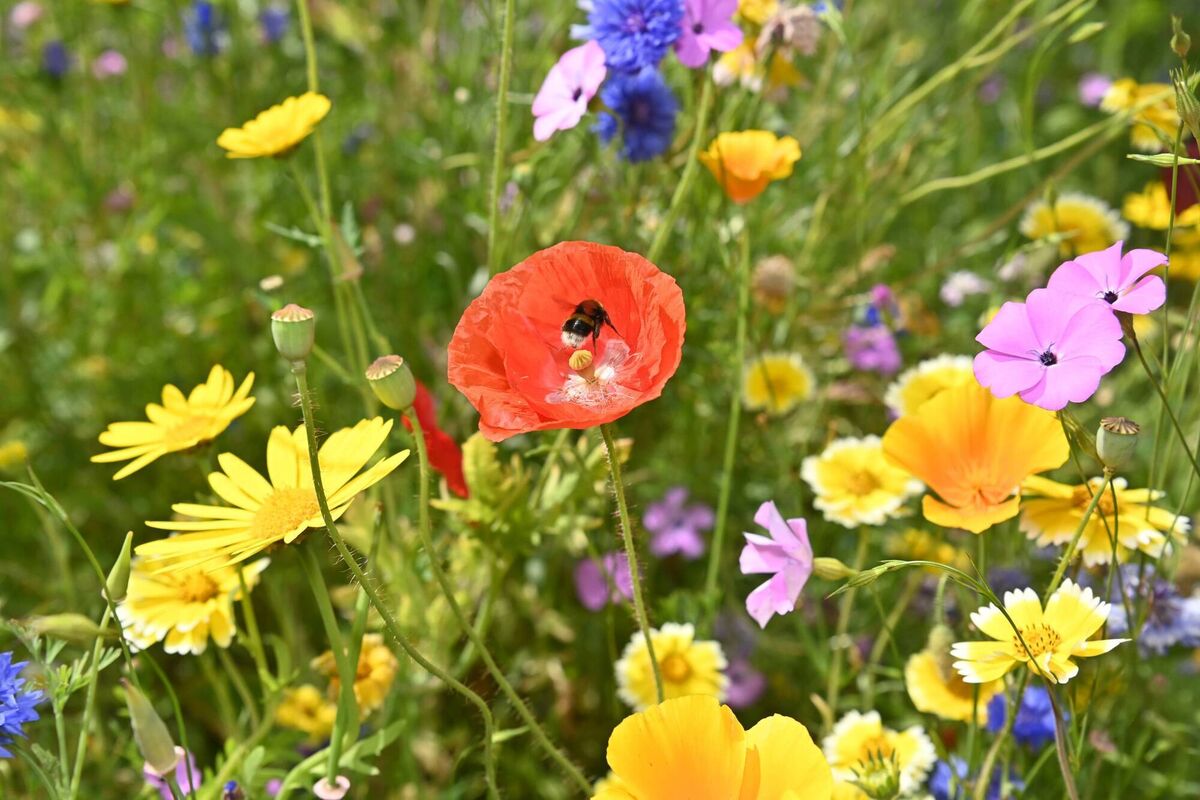
I don’t subscribe to the opinion that those who mow their lawns are suddenly bad people and the only way to show that you care is to let your garden go wild. Every one of us is different and our gardens will reflect this diversity. 

No-mow May has drawn our attention to the beauty of wildflowers in our garden. Picture: Dan Linehan

There are certain things which everybody has to stop, such as using pesticides in the garden, and we each need to be mindful of the wildlife which call our gardens home but if a bit of bling and order in the garden is what you want then good on you and this can be achieved in an ecologically sound way.

The Nurture Landscapes Garden at Chelsea Flower Show, designed by Sarah Price, certainly showed how some sparkle can be added to an environmentally sound garden. Taking her inspiration from British artist and plantsman Sir Cedric Morris and his home, Benton End, the style of Sarah’s garden was naturalistic and informal and was richly planted with one group of plants which, I think, stole the show at this year’s Chelsea.
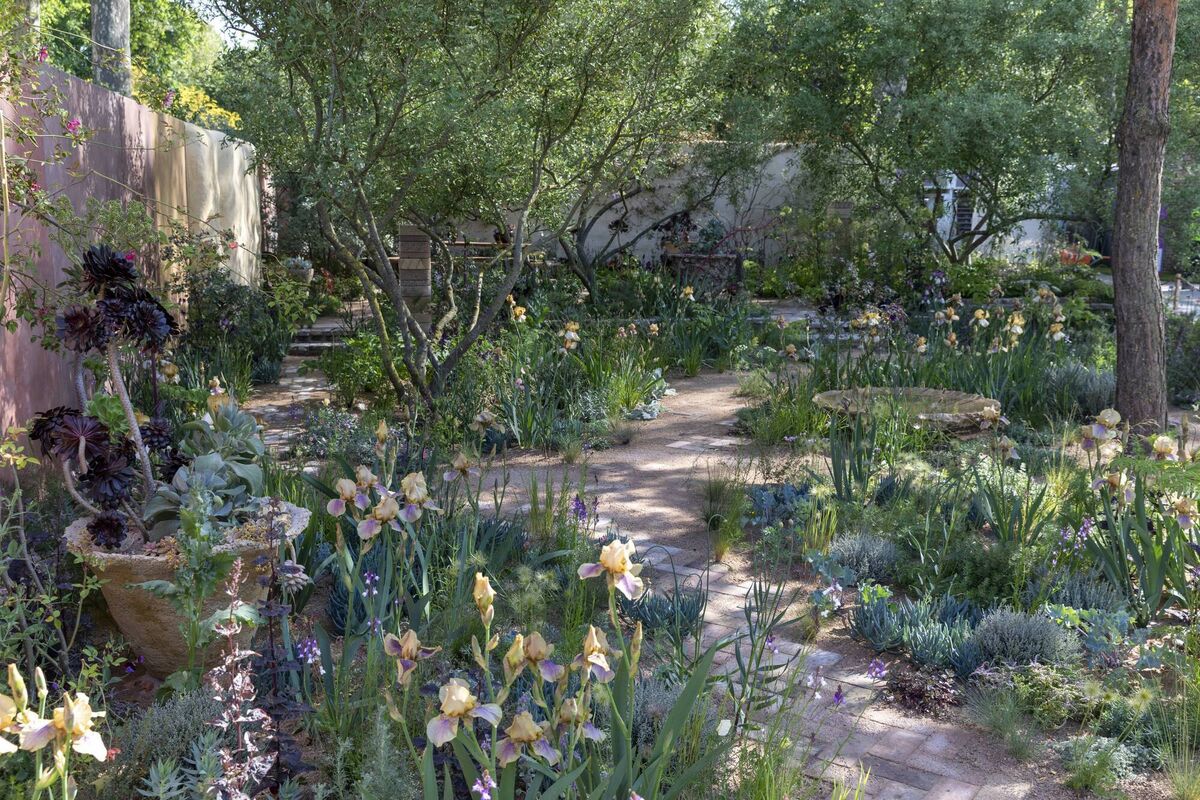
It seems that everybody is talking about them, the Benton irises. These stunners of the plant world will grow to about 1 metre in height with stiff, sword-like leaves which are blue/green in colour. 

Cedric Morris collected and bred irises in Benton End during the 20th century and this group is the result of his work. By bringing them to Chelsea, Sarah has unveiled their beauty to the world, removing them from under the bushel.

The colours are less garish than some of the more modern hybrids, the colour palette perhaps being more subtle, but the arrangement of these colours within each bloom is simply outstanding. They are all bearded irises and thus will want warm, dry conditions in which to thrive. I am hesitating to describe the colours as they are simply indescribable but let me make an attempt.

The Nurture Landscapes Garden at Chelsea.

Benton Arundel is a most delicious mixture of plum and copper colours with fringing, a primarily white petal with a beautiful yellow beard.

Benton Caramel is a much more luxuriant, burgundy tone surrounding a bright golden beard and Benton Deirdre is a paler plum colour with rich veining through the white petal and again a bright gold beard.

The flowers look like they have been painted with minute detail by the world’s finest artist, however, they haven’t of course — they are created by something far greater, that magical energy lying in the soil which, when combined with these rhizomes, manifests itself in the most amazing natural works of art.

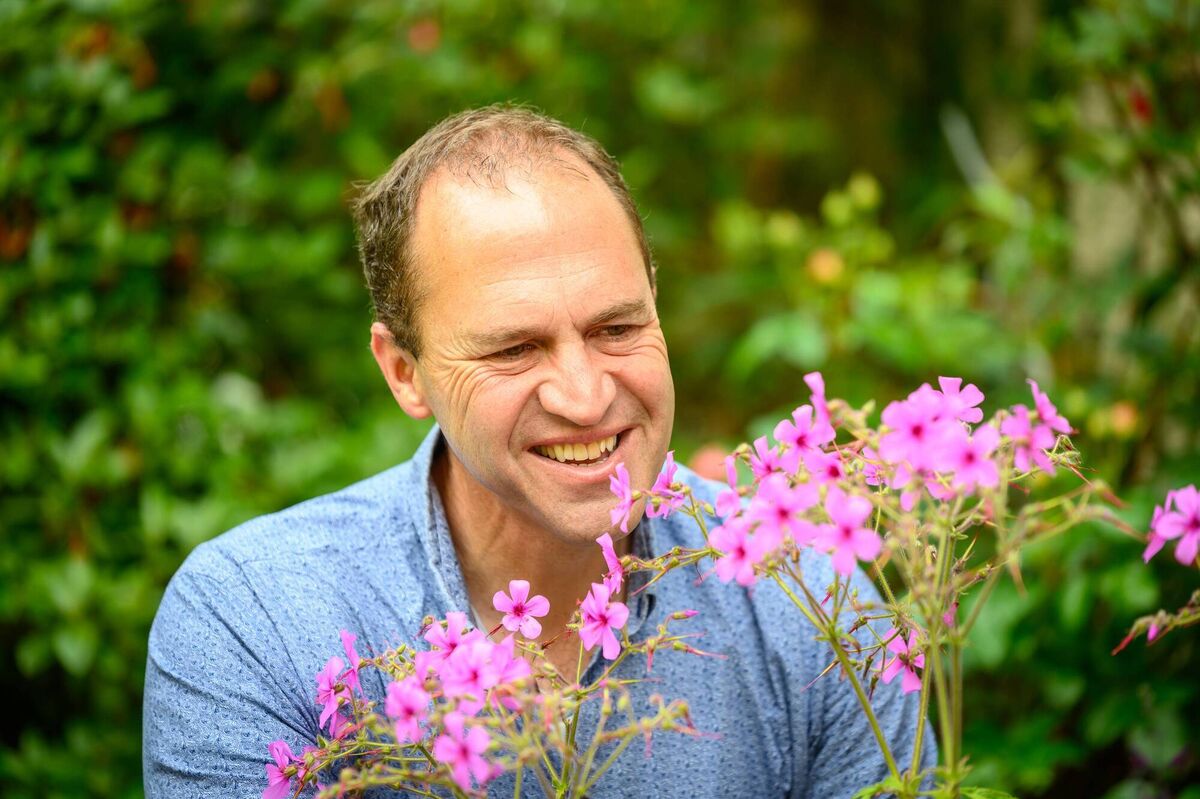
Irish Examiner gardening columnist Peter Dowdall. Picture: John Allen

They are rich in nectar and pollen and will sustain bees and other pollinating insects and, in particular, species of Hymenopteran bees which are thought to be the main pollinators of iris.

Every year, there is a plant which seems to be the star of the show and this year it was undoubtedly these Benton irises, though there were others which stood out, including the winner of the Plant of the Year, Agapanthus Black Jack.

Don’t expect it or the irises to appear on garden centre benches near you anytime soon, for such is the demand in the UK alone for these plants, it could be a while before supply trickles across the Irish Sea. By their very nature, plants cannot be produced at the flick of a switch, it takes that most precious of commodities, time, but when they do appear, treat yourselves.
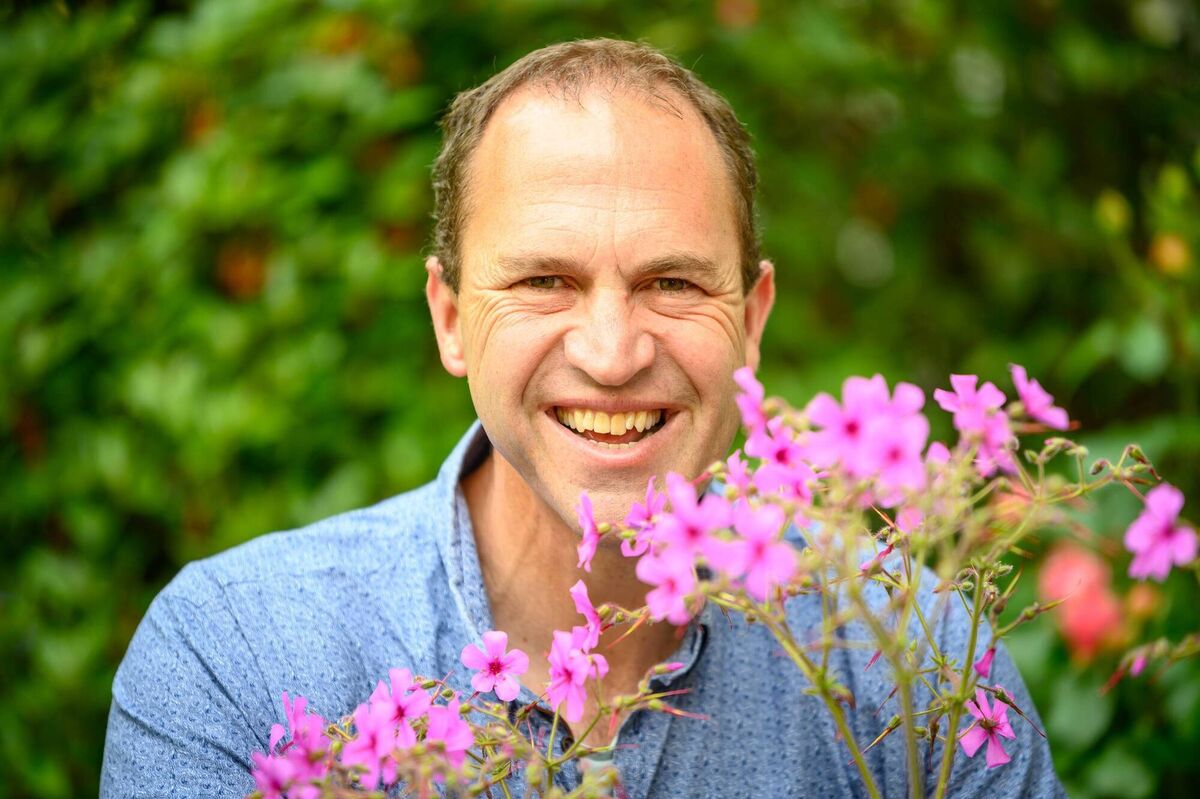
Got a gardening question for Peter Dowdall? Email gardenquestions@examiner.ie

More in this section

Revoiced

Newsletter

Sign up to the best reads of the week from irishexaminer.com selected just for you.

Cookie Policy Privacy Policy Brand Safety FAQ Help Contact Us Terms and Conditions

© Examiner Echo Group Limited