Old-fashioned advice for getting your ovens gleaming
Tips in removing baked-on fatty deposits and a thousand mysterious atrophied food spatters
Old-fashioned advice for getting your ovens gleaming

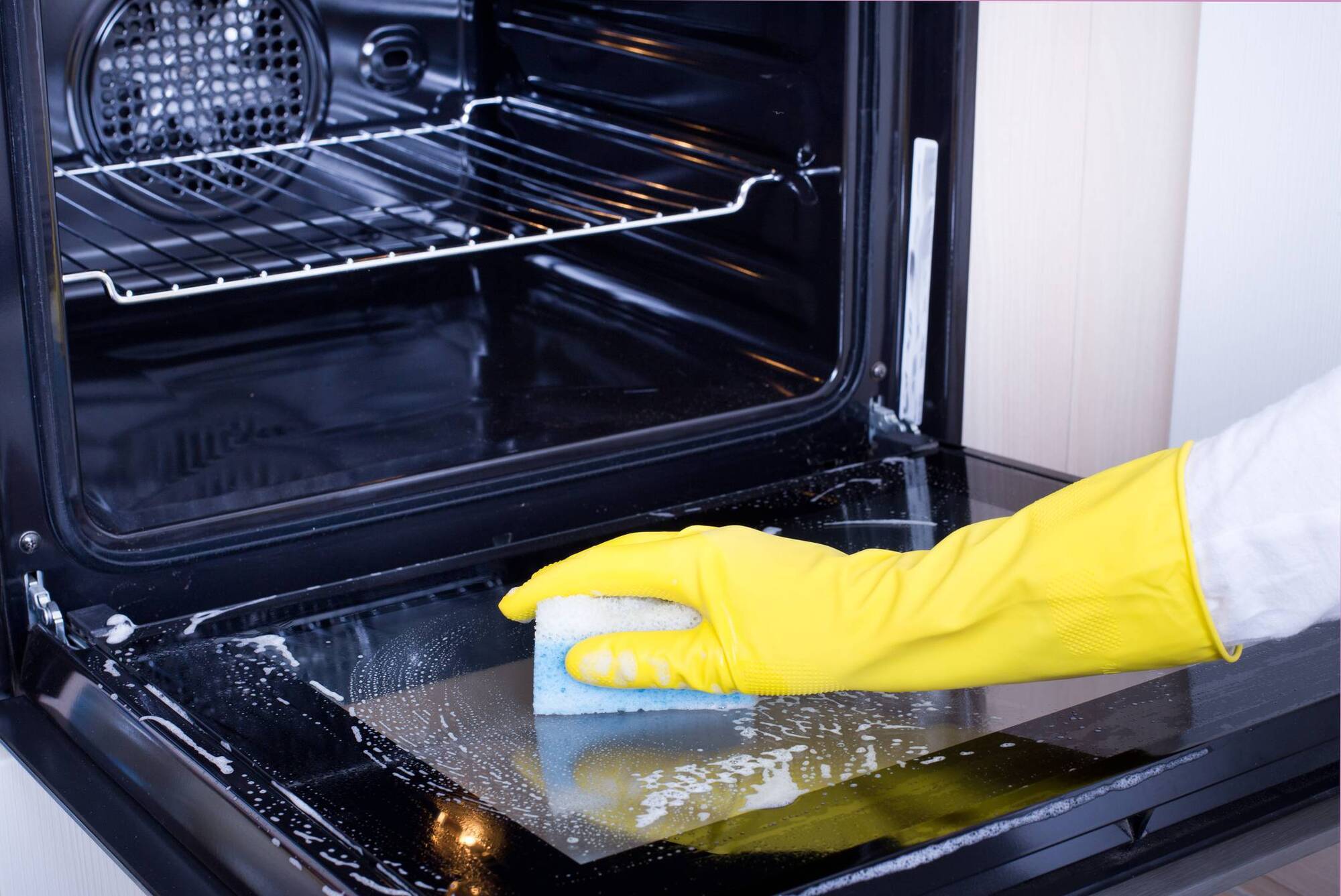
When cleaning any oven, ensure you don’t attack any linings or in particular the glass of the door with too much force or chemistry. Picture: iStock

You finally open the culinary tomb-of-doom, and face down an oven dulled by a rancid landscape of baked-on fatty deposits and a thousand mysterious atrophied food spatters.

Chances are you might instinctively reach for the most toxic chemicals you will ever admit to the house.

Many oven cleaners demand no scrubbing, but they are frightening in their make-up, so throw open the windows, put on chemical-grade gloves, eye goggles, and a paper mask at the very least if you have one and don’t suffer from any respiratory issues. Methylene chloride, lye (sodium and potassium hydroxide) and even pine oil in a baffling combination are all strong enough to sear your lungs and put a hole in your hand.

Cover the floor in front of the cavity with newspaper to catch the falling debris.

Even where the products are scrub-down erasers, claim to be fume-free, or have no acrid smells, it’s still better to take precautions, masking up and ventilating the space.

Clear the kids out of the area and follow the manufacturer’s instructions to the letter. Once you have seared off the grease in this process, think about keeping the oven clean with regular wipe-downs and banish the dangerously branded bottles out of the house. Dispose of them responsibly, never to return.

A litre or so of water in a waterproof and heatproof tray can be brought to a boil in the oven, where the steam will loosen dirt prior to a more rigorous clean (230C for about an hour should do it). Moving forward, there’s a paste that’s useful around the house to safely clean most sealed surfacing without splicing it with tiny non-healing scratches or filling your lungs with a cocktail of irritating chemistry.

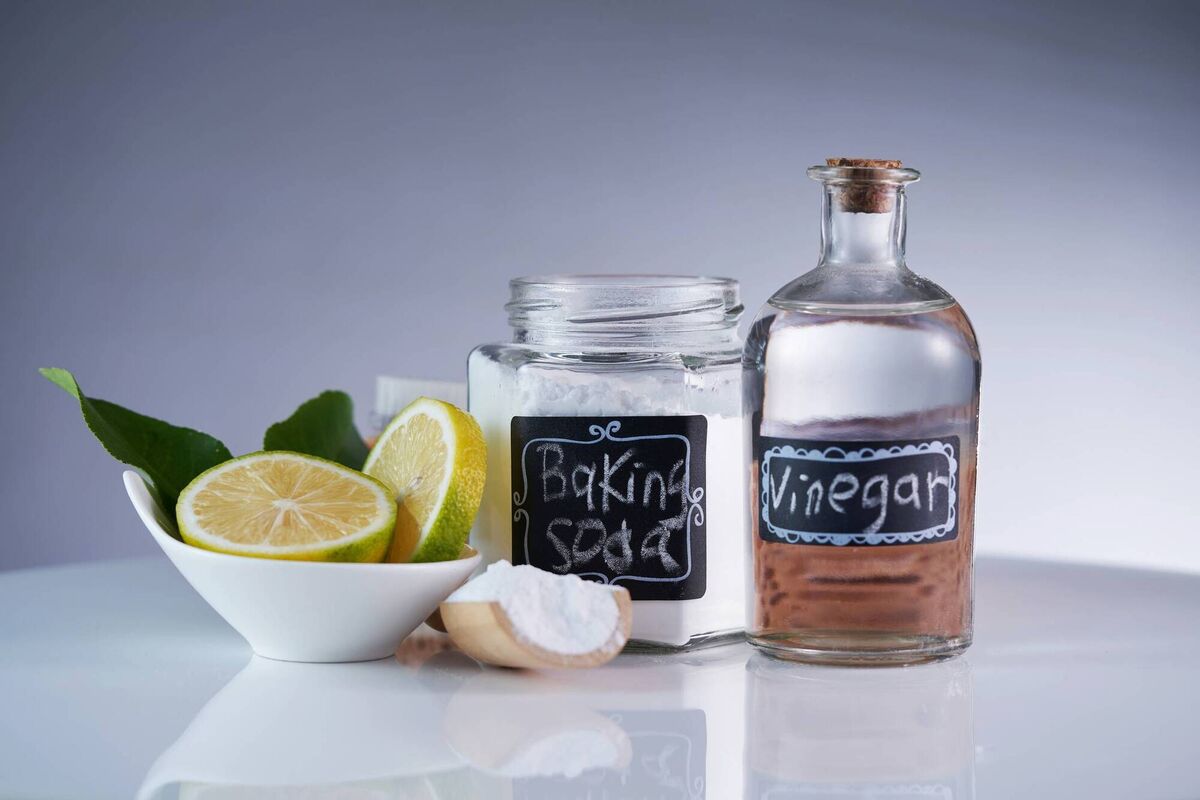
If you’ve followed any of our green clean projects, you’ll know that the building blocks of our safe, biodegradable arsenal are water, washing-up liquid, lemon juice, white vinegar and good old baking soda. Pictures: iStock

If you’ve followed any of our green clean projects, you’ll know that the building blocks of our safe, biodegradable arsenal are water, washing-up liquid, lemon juice, white vinegar, and good old baking soda. You can start with just water and baking soda if the oven is less than the full horror story. In terms of cost, natural cleaners are cheap, available, and will undercut the price of common commercial products that will have to hit the black bin.

The great thing about baking soda and vinegar or water in combination is that you can make this malleable goo up into whatever consistency and strength that suits the job — the drain hole of your sink, the enamel of your stove, and the inside of that gunge encrusted oven cavity.

For the oven, use a relatively firm paste that will adhere to the walls and roof of the cavity. Avoid any fans or pilot lights — you’ll just clog them with your mixture. Apply with gloves pulled up to your elbow, working it into a ridged surfacing with circular motions. Now, leave it alone to break down the greasy layer for around an hour, overnight in the case of a truly awful oven.

The trays, rails, and other metal components can be set into the sink or taken outside for a scrub with the same mix. Bag-cleaning is useful for filthy racks, and you can use a commercial or natural approach to seal in a solution to attach the grease. Try Oven Mate Just for Racks, €8.99 from Homestore & More, and good DIY outlets (good for two routine large oven rack cleans).

For trays — ensure any product will not lift a coating on the piece, and wear gloves before opening the gel packs and applying the chemical cleaner. To go natural — use your baking soda with about half a mug of washing up liquid. Smear it onto the racks, and seal it up in a black plastic bag for a couple of hours. Rinse off with the hose to save yourself devastating the kitchen. Polish up with a microfibre cloth for added flash.

The glass of the oven is best started with a glass scraper, the kind you use for the windows to curl up and wipe off the manky rind. This will also break up any layer of mung, giving cleaning solutions better purchase. Don’t attack the glass with wire wool or even a firm plastic scrubber, as it will scratch and dull, and you may even compromise the integrity of the toughened glass.

Use a very soft toothbrush to work into seams with a little lemon juice (watch your eyes during all of this, natural or not. Flicked into a peeper, it will hurt in the old-fashioned way.) You can find power-scrubber attachments for a standard cordless drill from around €8 a set, but be wary of using a tough paste with simply too much force.

Returning to the cavity, having wiped out the heavy caked-on rubbish from your clean, take a bowl or jug and dart a little lemon juice into some warm water. Using kitchen towel or torn up cotton rags, polish off the rest of the baking soda mix from the cavity — be patient, it could take some time to pick up all the powdery residue. The detritus will stink, so don’t suck it into the innards of your vacuum cleaner where it can cling to the filters.

For routine cleans, if you don’t want to make up your own brew, I can vouch for Lily’s Eco-Clean De-greaser which can be used to wipe down all areas of the kitchen and bathroom. Use it on the inside and outside of your oven, leaving to cure for a while on gripping grime. €4.70, evergreen.ie and many supermarkets. Eco-vibe offers soluble sachets you can make up into spray bottles for everyday oven cleaning, which also contain 70% natural green cleaning ingredients with a little chemical muscle on-board. 5 packs for 5l, €15.50, faerly.ie. For a light scrub, and safe “dwell time” to leave to work, Dirtbuster’s Professional Cleaning Paste is non-scratch, non-toxic, and highly eco-friendly. 500g tub, from €15 from suppliers on Amazon. Always check what the product is intended for. There have been reports of Mrs Hinch’s favourite Pink Stuff taking protective coatings off ovens and glass panels.

Think about wiping out the oven when cool about once a month and avoid allowing food to cook onto the oven in the first place. Pyrolytic cleaning is a useful function in a modern oven — taking the cavity to super high temperatures where dirt and grease will incinerate into ash. Remove the shelves and run the cycle again, once a month if you are using the ovens regularly.

More in this section

Revoiced

Newsletter

Sign up to the best reads of the week from irishexaminer.com selected just for you.

Cookie Policy Privacy Policy Brand Safety FAQ Help Contact Us Terms and Conditions

© Examiner Echo Group Limited