Why we must learn to love and care for our garden's 'ugly bugs' 
They're vital to biodiversity. Take inspiration from Chelsea gold medallist Tom Massey’s forthcoming bug-friendly show garden 
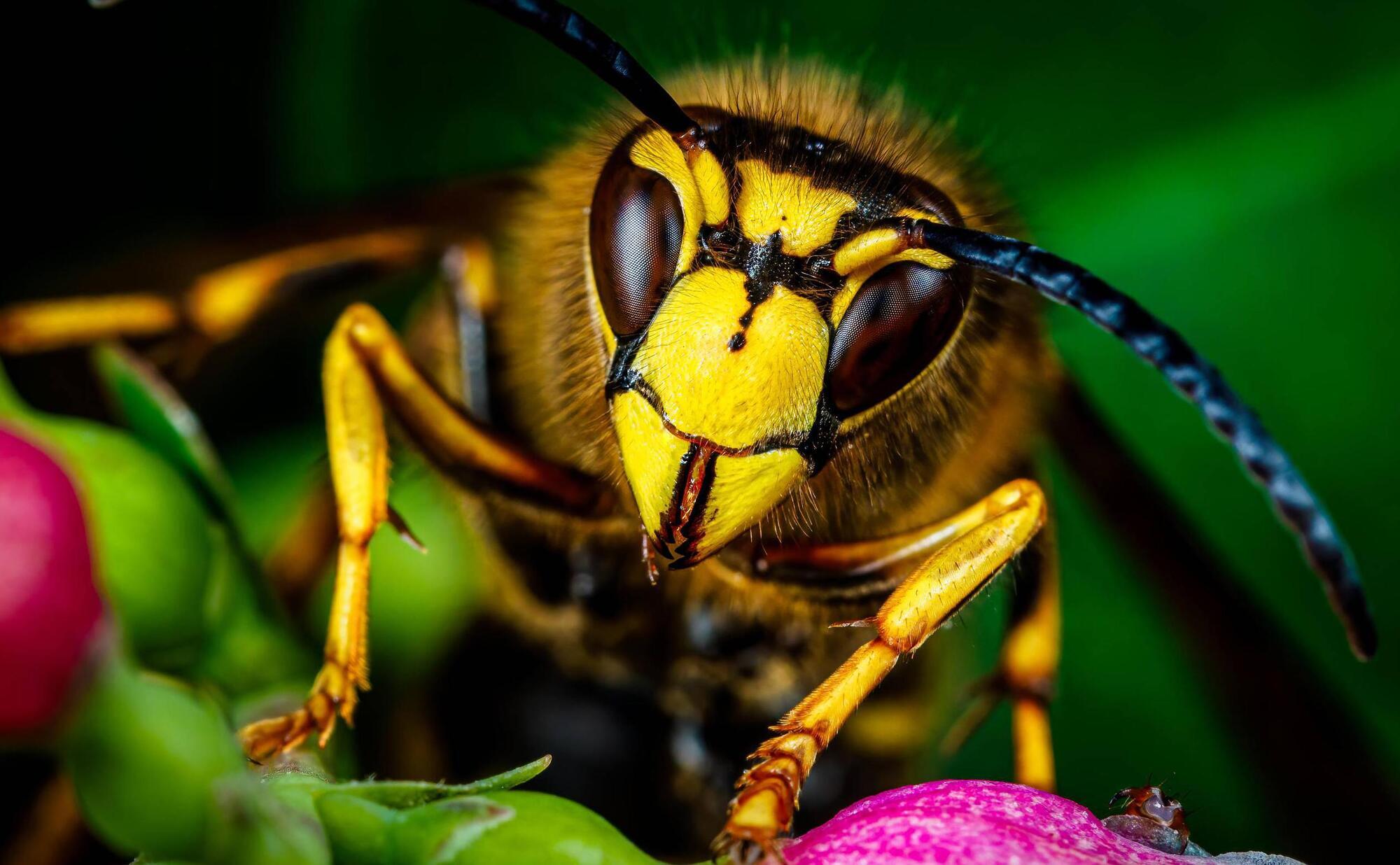
Median wasp (Dolichovespula media).

Median wasp (Dolichovespula media).

Bees and butterflies always get plenty of attention in the garden — but what about the less attractive insects? Moths, beetles, hornets and ants are all important for biodiversity, insists top garden designer Tom Massey, whose Royal Entomological Society Garden at this year’s RHS Chelsea Flower Show will feature a plethora of plants which act as magnets for insects.

The show garden will also incorporate hard landscaping designed to be permeable and habitable to insects, including retaining walls made out of recycled materials using deadwood and crushed and graded construction waste.

Gardeners need to be thinking about gardens as part of a wider landscape, not in isolation, he says.

Hornets have their place, says Massey. Picture: Alamy/PA

Accept the ‘less attractive’

CLIMATE & SUSTAINABILITY HUB

“Wasps and ants, for example, may be seen as the enemy, but they are actually really important to break down material and are a valuable food source for other important garden animals such as frogs and birds,” he notes.

Embrace weeds

Plants including dandelions, clover, vetch and knapweed, which have historically been the gardener’s bugbear, are food sources for insects and will all feature in Massey’s show garden. Dandelions, too, provide an early source of pollen and nectar.

Create a range of habitats

Massey’s Chelsea show garden features rammed earth floors, log piles, rubble, sand and gabion walls. “Choose permeable, natural hard landscaping materials such as dry-stone walling and woven willow fences that provide crevices and gaps where insects can shelter,” he says.

Find city solutions

“Habitat loss is a big reason for insect decline. You could have a tiny bug hotel which might include bits of wood screwed together and some material placed inside in a creative and interesting-looking way. Stack up bug hotels on a balcony or have a few pots with plants for pollinating insects, providing some sort of green space within your plot.”

Mix up your urban pots

“If you’ve space for five pots, five different species of plants would be a good way to go, just to give a range of different food sources for different types of insects.”

Use meadow turf

Instead of having a manicured lawn, allow an area to grow longer or use meadow turf to have a wildflower meadow with more biodiversity which will be more beneficial to insects.

Strike a balance

Strike a balance between nature and rewilding. “If you want tidy, neat and organised, perhaps you could have an untidier area that you can’t see from your house,” he says.

  • At the end of the show, Massey’s garden will be relocated to IQL Stratford next to the Queen Elizabeth Olympic Park in East London where it will open to the public

More in this section

Revoiced

Newsletter

Had a busy week? Sign up for some of the best reads from the week gone by. Selected just for you.

Cookie Policy Privacy Policy Brand Safety FAQ Help Contact Us Terms and Conditions

© Examiner Echo Group Limited