Peter Dowdall: Magnolias are part of Ireland's spring landscape 
Whether you're a gardening beginner or expert, Irish Examiner columnist Peter Dowdall has the answer to your questions
Peter Dowdall: Magnolias are part of Ireland's spring landscape 

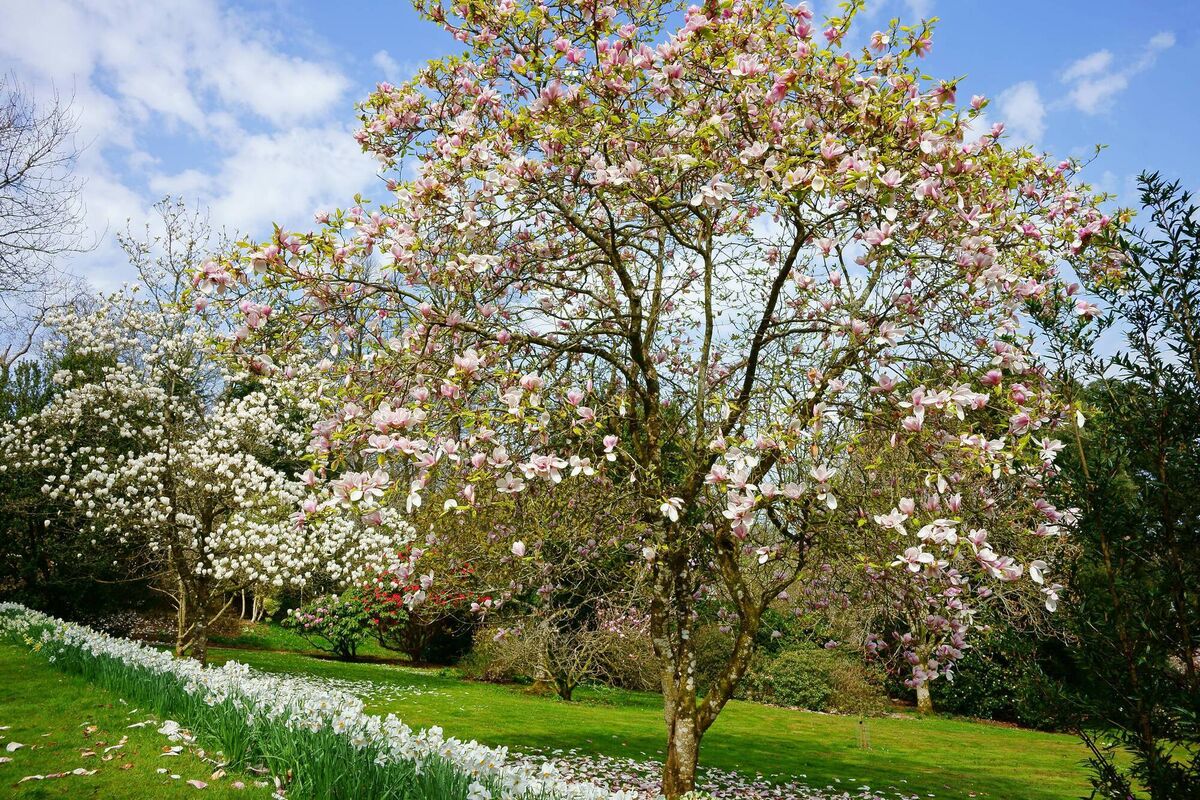
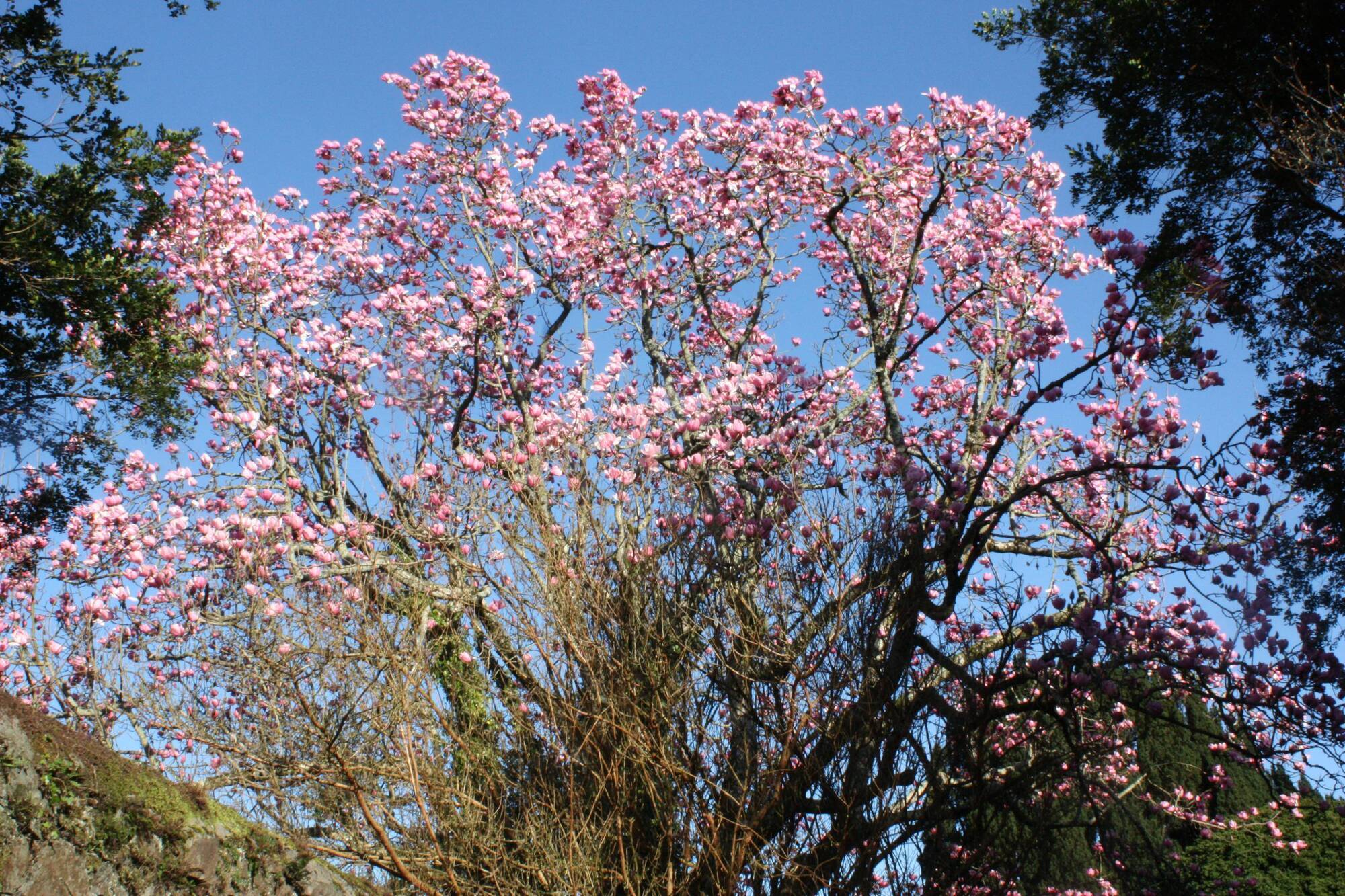
Magnolia campbellii, Kilmacurragh.
Many magnolias are grown for timber in their native habitat, something that I didn’t know until I heard Seamus O’Brien promoting national Magnolia Week at the National Botanic Gardens in Kilmacurragh recently.

I am so sorry that I only saw this advertising after the week was over as I would have loved to enjoy another walk through these beautiful gardens, hearing the stories of the magnolias and all the different species and how they came to be here in this fabulous garden in county Wicklow.

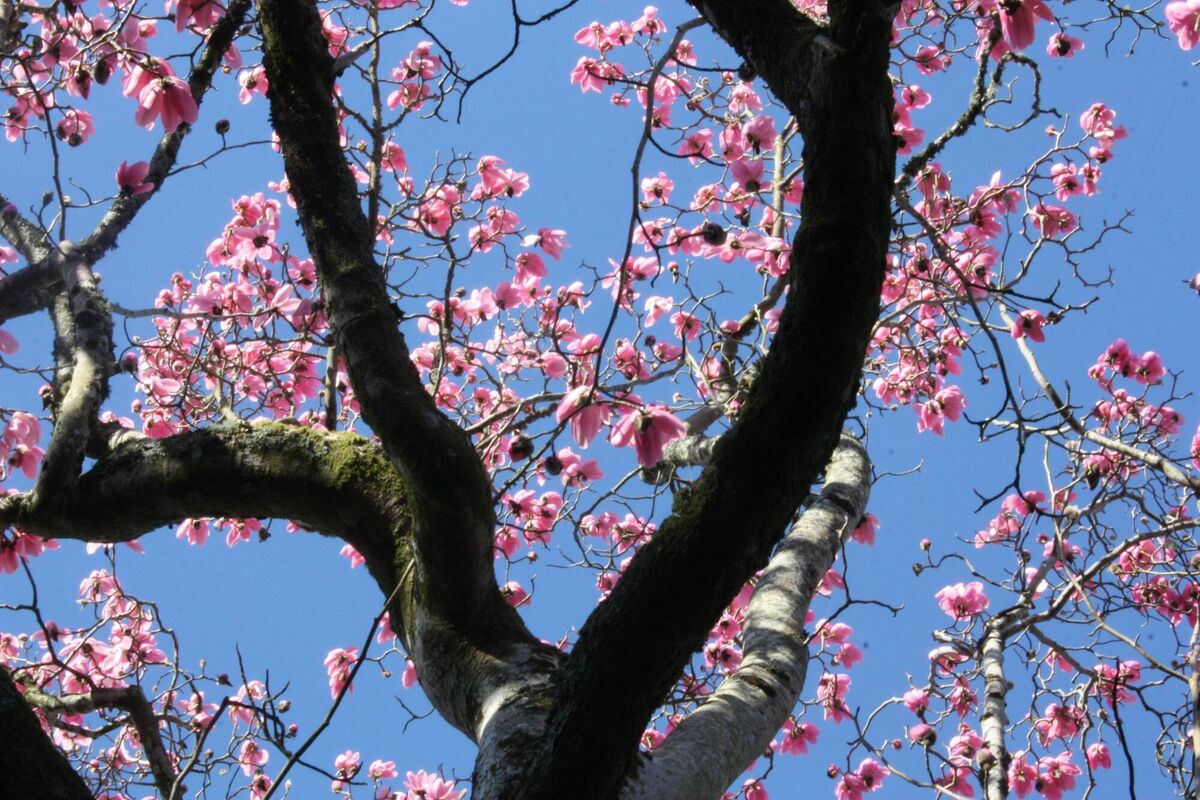
Magnolia campbellii, Kilmacurragh.

If you were lucky enough to attend any of the lectures or walks and talks, then you were fortunate indeed.

Magnolias represent some of the largest flowering trees that we grow and they are an intricate part of the spring landscape in Ireland with so many growing in private gardens.

A specimen of Magnolia campbellii is one of the real treasures you will find growing in Kilmacurragh and I am sure that it must have been in full bloom and resplendent during Magnolia Week and if you hurry you will probably still catch it. This amazing specimen began life as a seedling in a forest near Darjeeling in West Bengal.
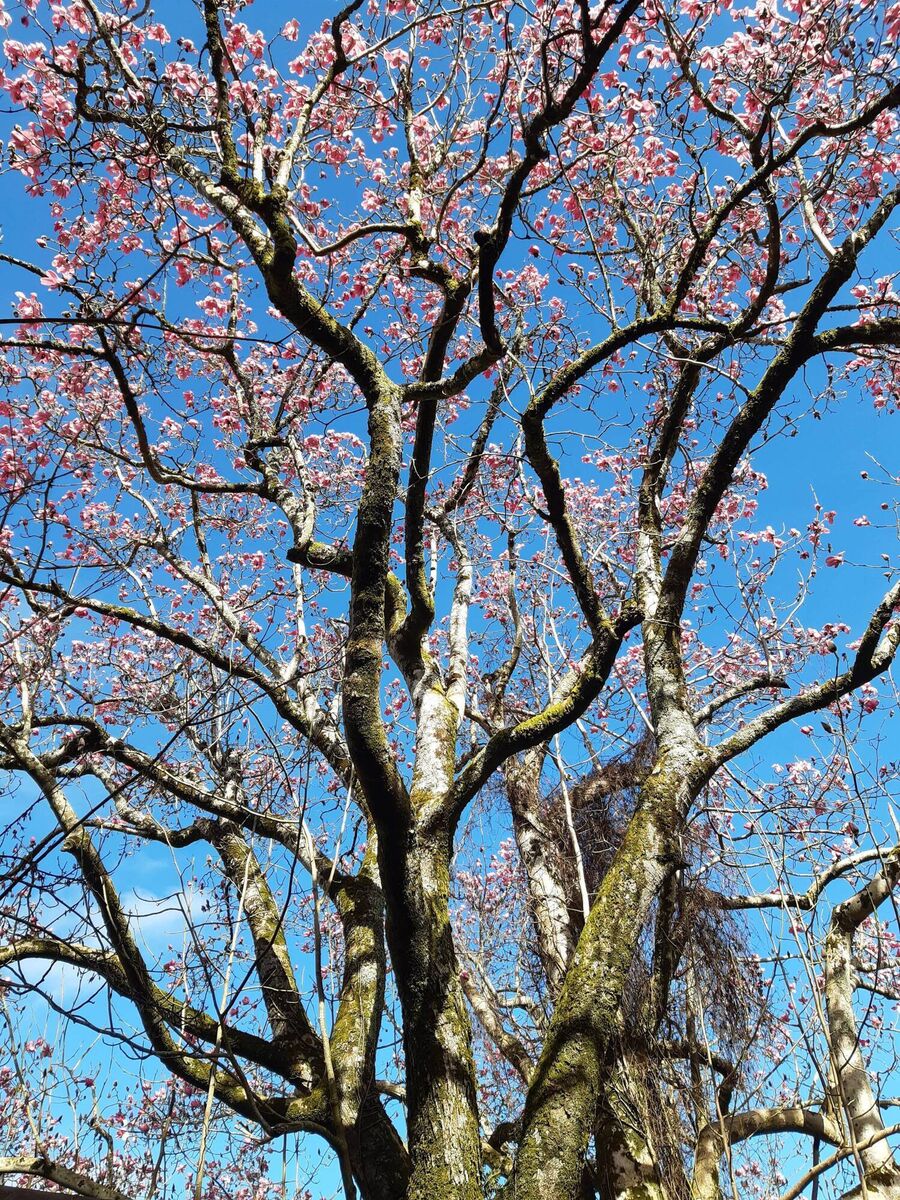
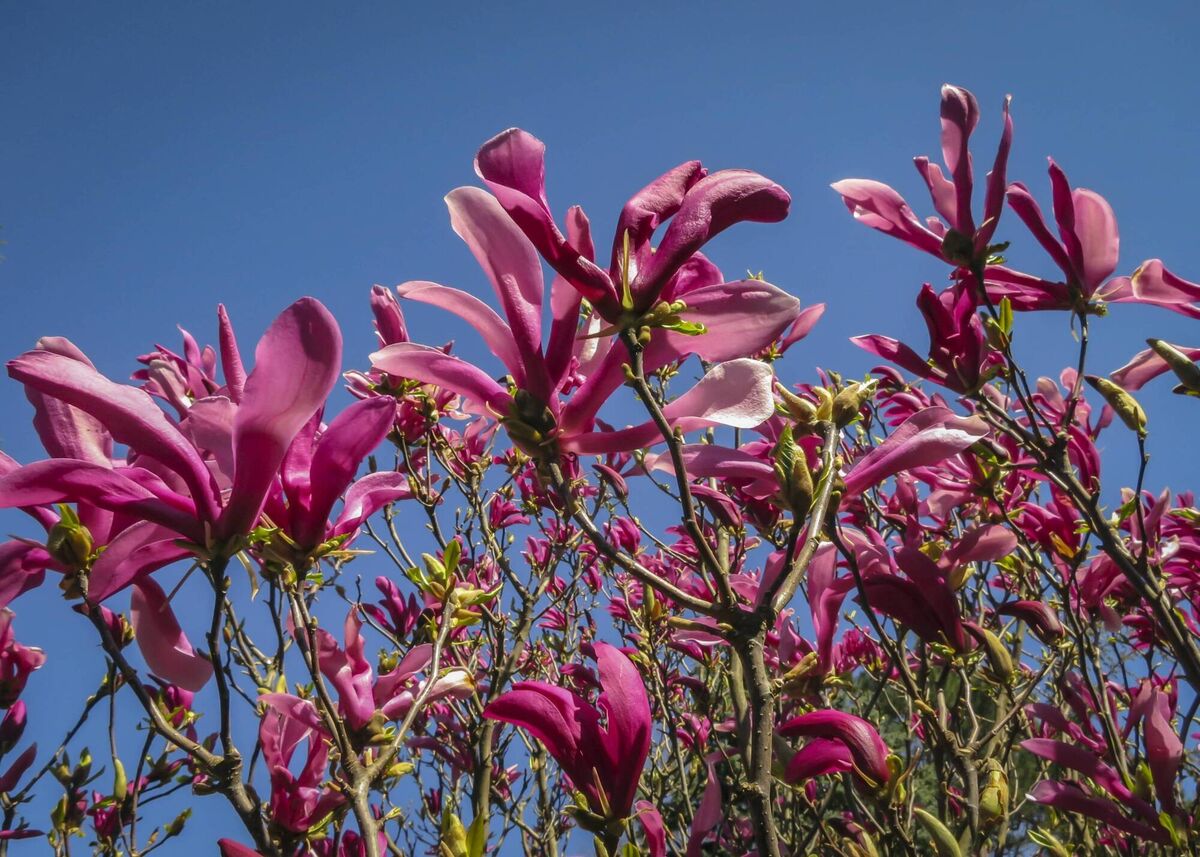
Magnolia campbellii, Kilmacurragh.

Sir George King who was superintendent of the Calcutta Botanic Gardens ordered for it to be lifted and brought to Calcutta where it then travelled on, packed in an Edwardian case by boat, to Europe and to Co. Wicklow to be precise.

It was planted against the north wall in Kilmacurragh in 1876 and having earned the title of the longest recorded wait to flower, of any magnolia, after 31 years, in 1905 it opened up into bloom. In three years’ time, this particular beauty will celebrate its 150th birthday.

There is another fantastic Magnolia campbellii in the arboretum in Fota, which interestingly came from the same source in 1870, making it six years older — not that I’m one to brag about Cork, of course.

To enjoy a walk around the gardens with Seamus O’Brien, head gardener at Kilmacurragh is a treat indeed. I don’t think that I have ever before met someone as knowledgeable as he on their subject.

He combines this with infectious enthusiasm and a willingness to share this information.

Often, the best in their field are not great communicators, Seamus is both and stories, like the one above about that magnolia, abound in Kilmacurragh when you are walking with Seamus.

Over the last 200 years, many magnolia species have become threatened or endangered due to habitat destruction in their native lands.

Seamus and his team in Kilmacurragh were talking about the plight of these trees during the week along with measures being taken to assure their survival.

But don’t be put off visiting these gardens just because you missed Magnolia week, I know I won’t, for these gardens are open all year round, admission is free and they really are not just beautiful to behold but critically important because of the work that they do there in plant conservation.
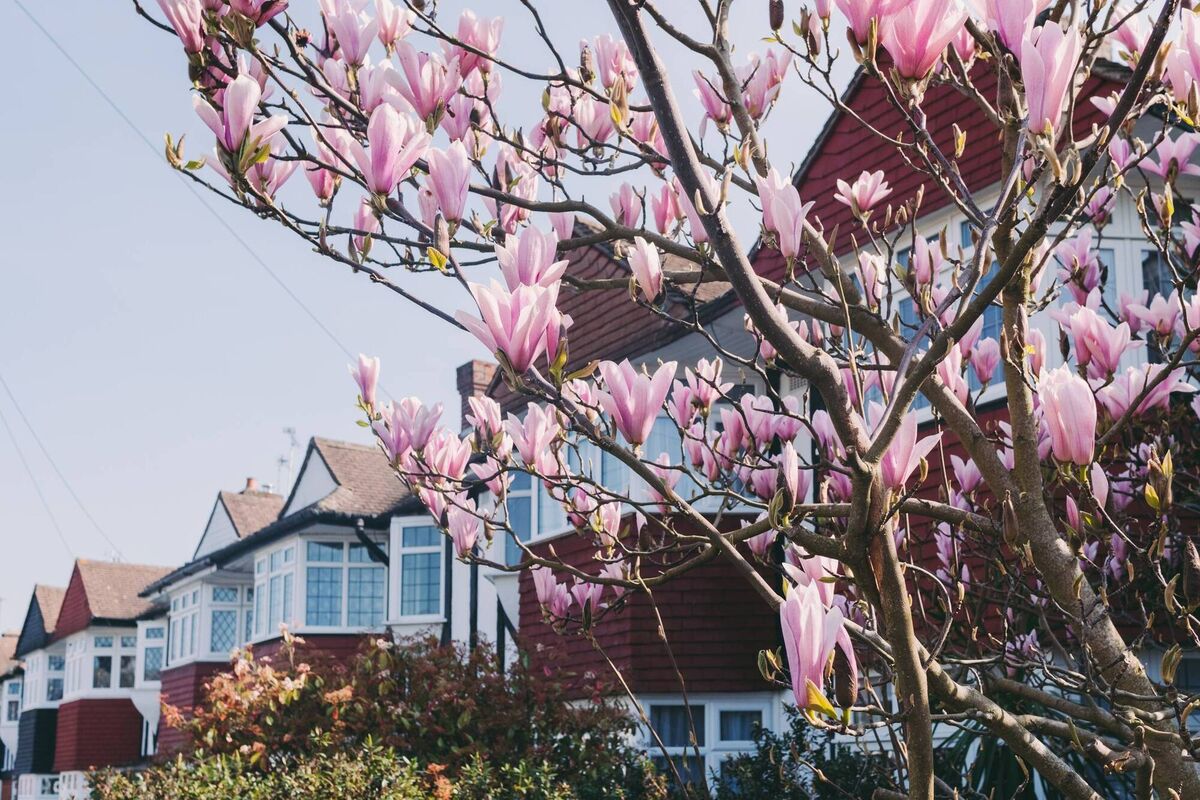
If the season starts with the Magnolia campbellii, it positively erupts into colour from then on. The crocus meadow is in full bloom right now and the camellias and rhododendrons are only coming into their best as we enter this magical season of spring colour.

Many champion trees are growing in these gardens along with some such as Pinus armandii var. dabeishanensis which is the only specimen growing in cultivation, outside of its native habitat, anywhere in the world.

In our own gardens, we most often grow varieties of Magnolia soulangeana, Magnolia stellata or Magnolia loebneri.

All these are spring flowering and prefer a humus-rich soil in a semi-shaded position, ideally a west-facing aspect, away from the harsh rays of the full sun so avoid planting magnolias in a position facing due south or east, instead give it some dappled shade where it can get plenty of evening sunshine when the rays are softer and less likely to burn the opening flower buds.
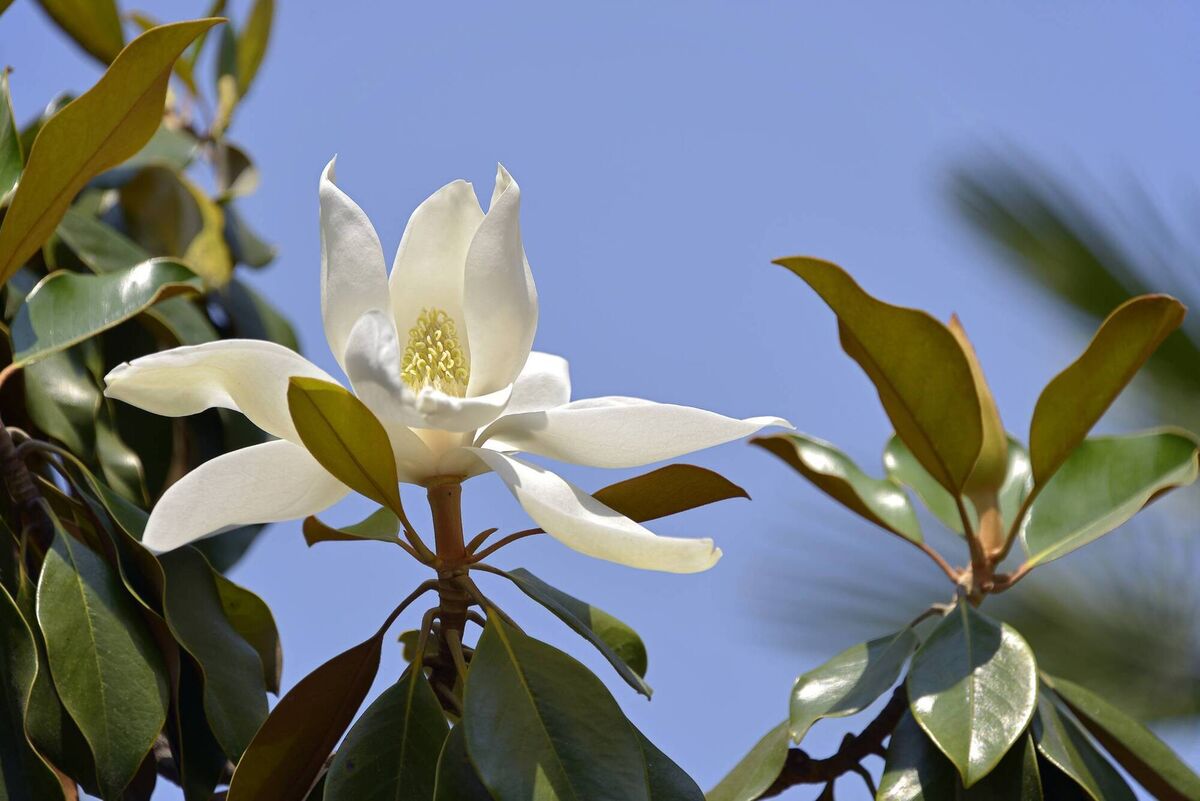
Magnolia grandiflora. Picture: iStock

With the exception of Magnolia stellata, magnolias prefer acid soil, that is soil with a pH of seven or less.

Magnolia stellata gets its specific epithet from the shape of its flower which is in the shape of a star and quite different to the goblet or tulip-shaped blooms of M. soulangeana.

This star magnolia is well suited to smaller gardens as it will not reach a height over two meters and also it is more adaptable to a broader range of soils but again be careful in your positioning of this beauty as too much early sunshine can burn the beautiful flowers.
More in this section

Revoiced

Newsletter

Had a busy week? Sign up for some of the best reads from the week gone by. Selected just for you.

Cookie Policy Privacy Policy Brand Safety FAQ Help Contact Us Terms and Conditions

© Examiner Echo Group Limited