Peter Dowdall: Time to enjoy the green energy of spring in your garden
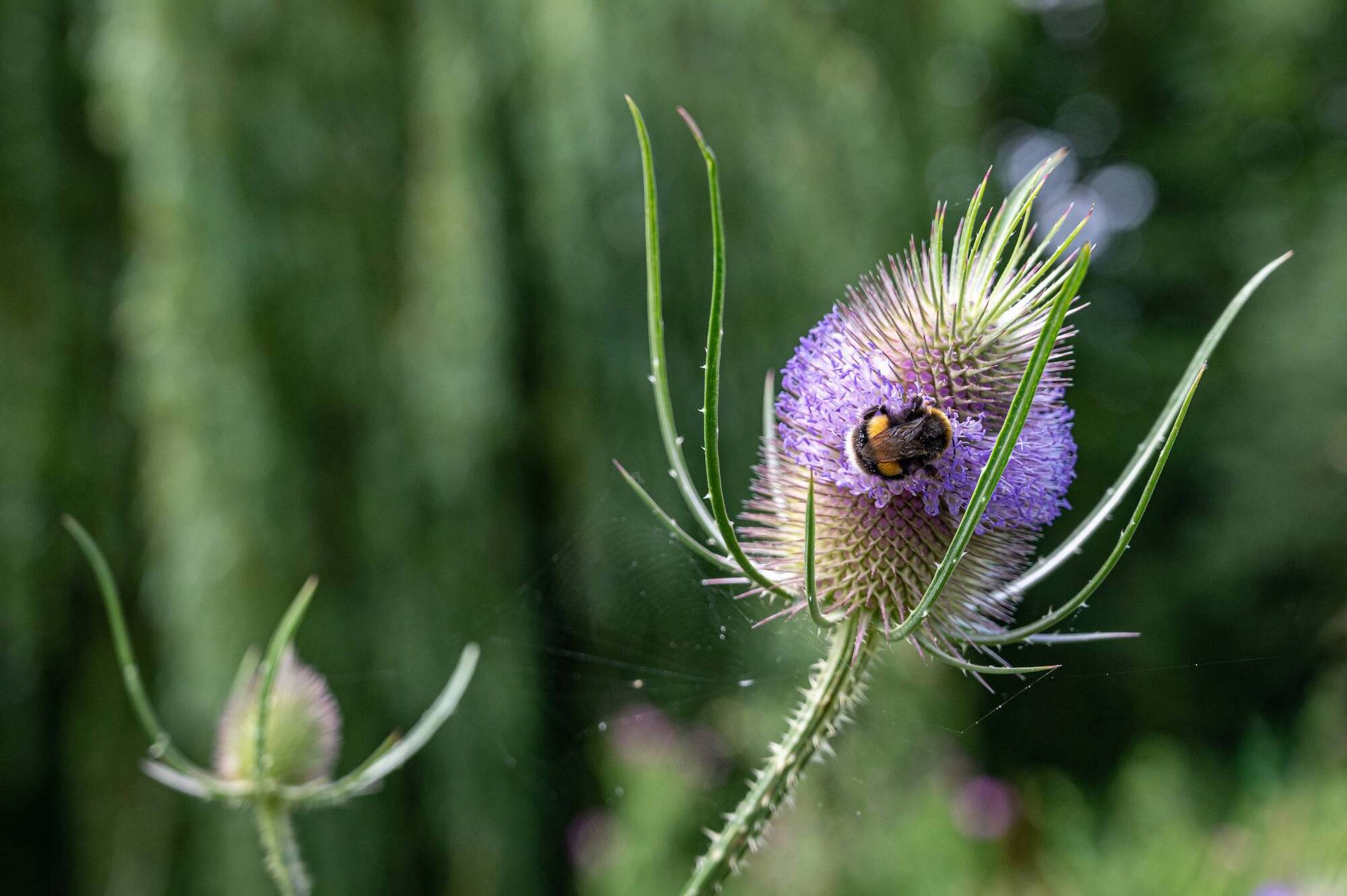
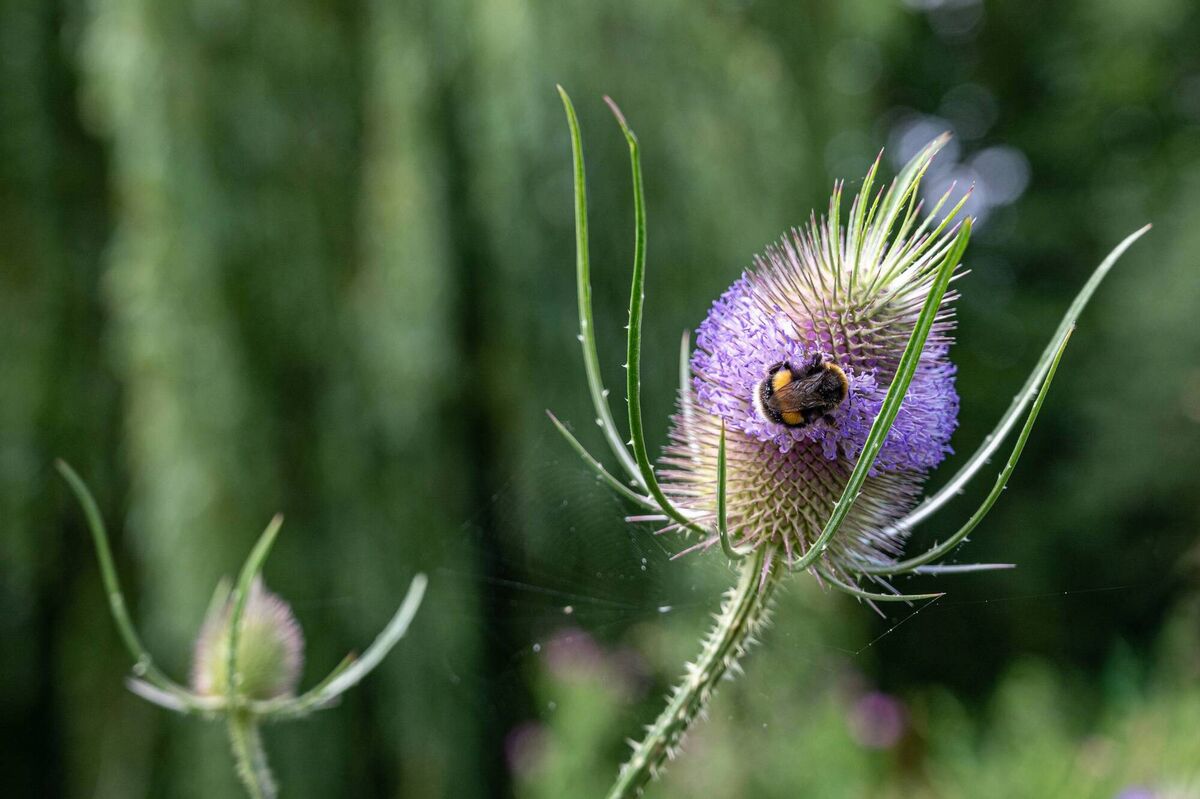
Teasel is a beautiful native plant in any garden, loved by bees and butterflies when in flower and later, will act as a feeding station for small birds. Picture: iStock
THE energy simmering beneath our feet all winter is emerging above ground all over the landscape right now in the form of grass growth, leaves and flowers bursting from dormant buds and of course flower bulbs.
The spring-flowering bulbs are growing in front of our eyes at the moment, with many already done for the year, early crocuses have done their thing, opened their cheery goblet-shaped faces to the sun and passing insects and are now becoming compost once more.
It’s that fantastic time of the year which brings such renewed promise once more and if you blink now, you will miss something in the garden.
All but the latest flowering daffodils are in full bloom now along with hyacinths, muscari and so many others, creating a beautiful floral tapestry on the soil. Next, will be the tulips and later still, the alliums will announce their magnificence with perfectly formed globes of pink, purple and white atop straight stems like giant, horticultural lollipops.
The willow and hazel catkins, so important during January and February for the bees, as the queens emerge to forage at the beginning of another year, are finished now and soon, it will be the alders which will provide such sustenance.
Of the over 100 species of plants which grow in our hedgerow, as well as the alders we will soon see many others open up into bloom, including primroses, wood anemones, blackthorn, dog violets, speedwell and gorse.
These hedgerows, oases of biodiversity on our land, which need to be valued and protected more than we realise, offer perfect opportunities to enhance and repair the tapestry.
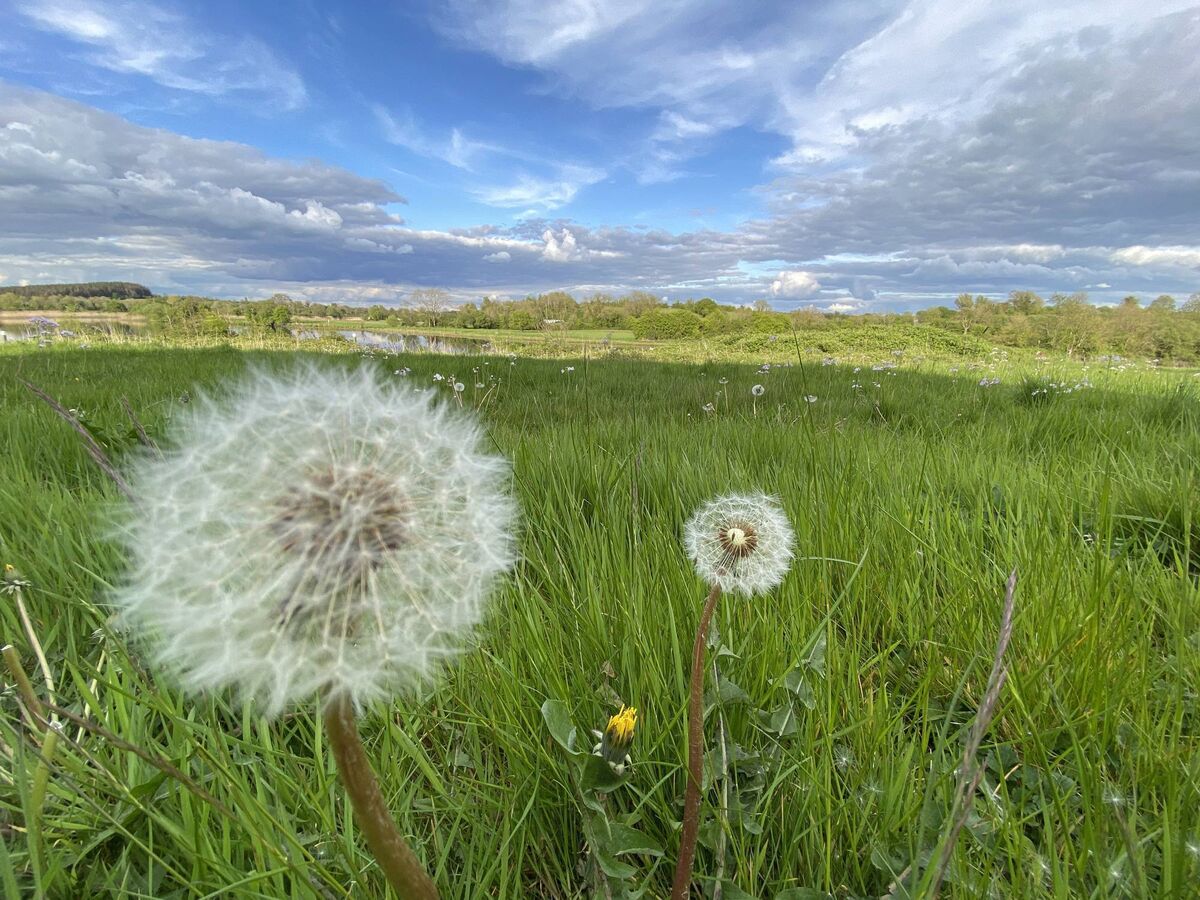
In our own gardens, whilst we may not want our slice of suburban Ireland to replicate the wild Irish countryside, it is vital that we are cognizant of the importance of our spaces. Dandelions, for instance, which marketing, over many years, has convinced us need to have nasty poisonous chemicals poured upon them at first sight, need to be valued and appreciated for what they are, one of the building blocks for life itself, for they are a vital food source for bees at this time of year.
Many of the plants which grow wild in the countryside should be left just there, as they are far too vigorous to find a home in a small private garden but many others will only make our spaces more beautiful and life-sustaining.
Native Irish dog violets and wood anemones are incredibly beautiful and will enhance any of our gardens, as will the primroses and cowslips. We must not take them from the wild but you will find native Irish species available to purchase.
Later in the year, during late summer, the Teasel will stand proud, reaching as high as two metres. The flower in July and August, is mostly green with mauve petals which they lose quickly as the bees come to feed. Later in the winter, it makes a really beautiful addition to any garden, on the frosty mornings when you will see bullfinches feeding on the seedheads.
I can’t think of nicer trees for a small or medium garden than the hawthorn or blackthorn, when they bloom, they are a sight to behold and later in the year they give a great autumn display before leaf fall.
Teasel is a biennial which means that it flowers in the second year after sowing and dies after flowering. To ensure a continuation, sow some seeds every year or every second year. You're unlikely to ever see it available as a plant but you can collect seeds quite easily from the seedheads. Sow in damp, heavy soil in late autumn or early spring.
For those among us who prefer our gardens more managed than rewilded and I must admit, I include myself in that number, weeds will soon begin to emerge and perhaps even take over.
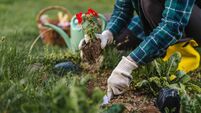
Firstly, as with the dandelion and daisies in the lawn, we must learn to love as many as we can but for those unwanted guests, and remember, a weed is simply a plant growing where we don’t want it, a quick hoe or some time on hands and knees now, pulling out the undesired will pay rich dividends for if you leave them to develop and go to seed, soon you will have many hundreds more.
A mulch with any good organic material, well-rotted, farmyard manure, chipped wood or bark, mushroom compost or your own homemade compost will not only prevent weeds from germinating, but it will also add nutrients, microbes and beneficial fungi and bacteria to the soil, thus improving the soil structure and leading to increased activity in the soil.
Even in the smallest, most manicured of gardens there is always space to leave a small patch to nature and let the web develop.
CONNECT WITH US TODAY



Be the first to know the latest news and updates