Mindful spaces: How to create the home you want to live in
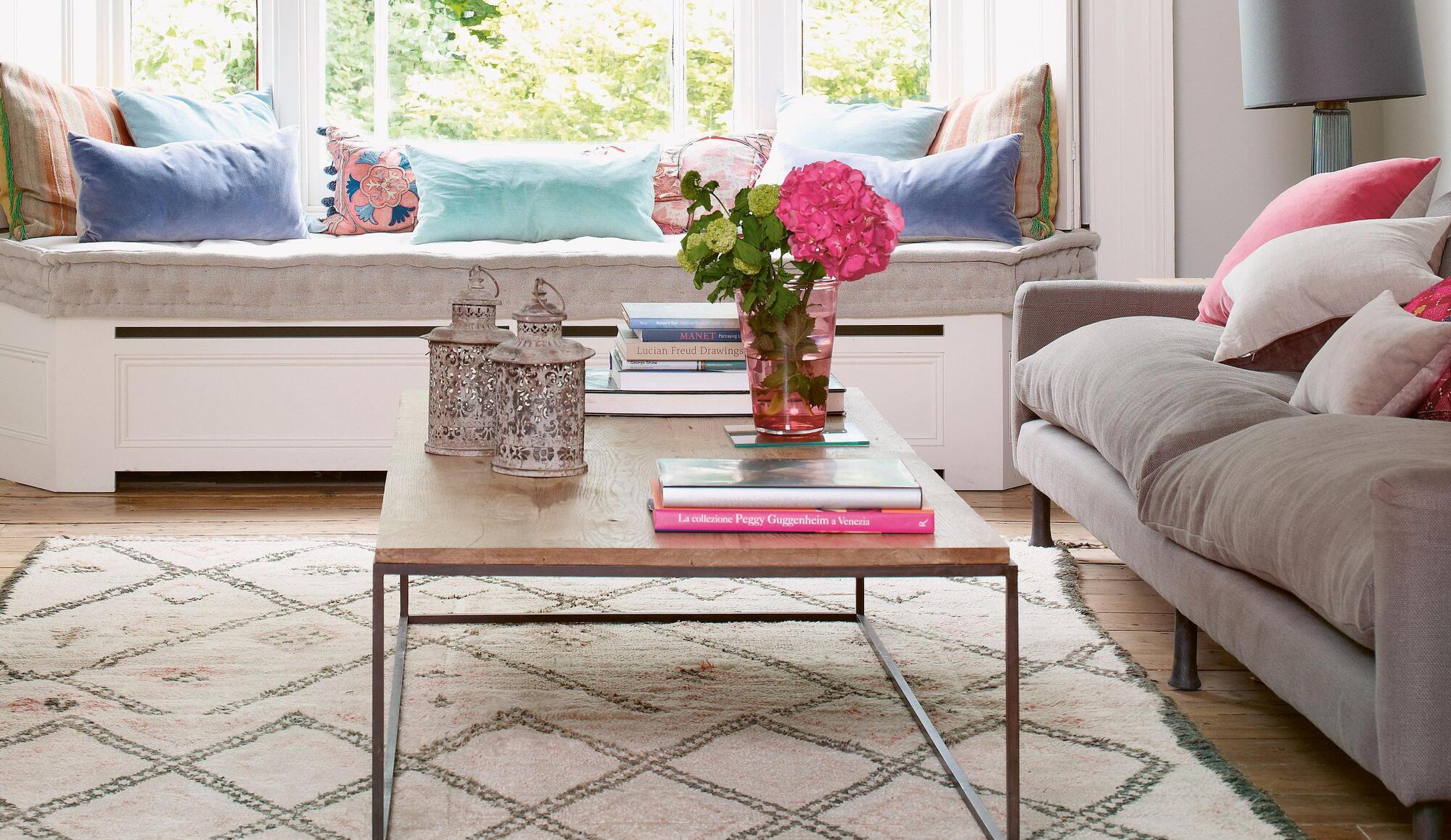
Curate your living room with harmonious seating to invite friendships and conversations.
What's happened to RTE's Home of the Year? We’re halfway through the season and it’s a conveyor belt of cavernous open-plan living, dining and kitchen areas, with massive windows.
I actually like this look and totally advocate for professional architectural and interior design input to make the best of your home, but surely there’s more variety available seeing as we’ve all gone interiors mad.
Where are the quirky homes from the early series, created with love and oodles of character?
I recall my reactions from the sofa — loving or loathing, smiling or wincing, but this season it’s expressionless me sighing at yet another Hans Wegner Wishbone chair with a sheepskin draped over; the tea and coffee station cupboard and trio of lights above the kitchen island.
Maybe it’s too intimidating for DIY homemakers to apply when they’re up against some of these architecturally exacting, big-budget projects, but while viewers are getting a steer from the programme on good design, it’s really become Designer Home of the Year.
I haven’t watched the latest episode as I’m happily distracted by a book on mindful homes. Not the homes to win accolades necessarily, but created around what feels right for the occupants using feng shui principles.
That’s right, feng shui is back and not feeling as difficult to apply as when it hit the West in the '90s.
Many, though, have progressed with its offshoot — decluttering — but now we’re so well versed in it and mindfulness, feng shui doesn’t seem so alien this time round.
, by Anjie Cho, architect, and feng shui master, starts with the author saying, “When we change our homes, we change our lives.”
This is down to what Cho calls qi, pronounced "chee”, the energy around us and how it flows or gets stuck around possessions.
A simple exercise to get started on creating good flowing qi is to determine where it’s blocked which in turn blocks us in life, according to Cho.
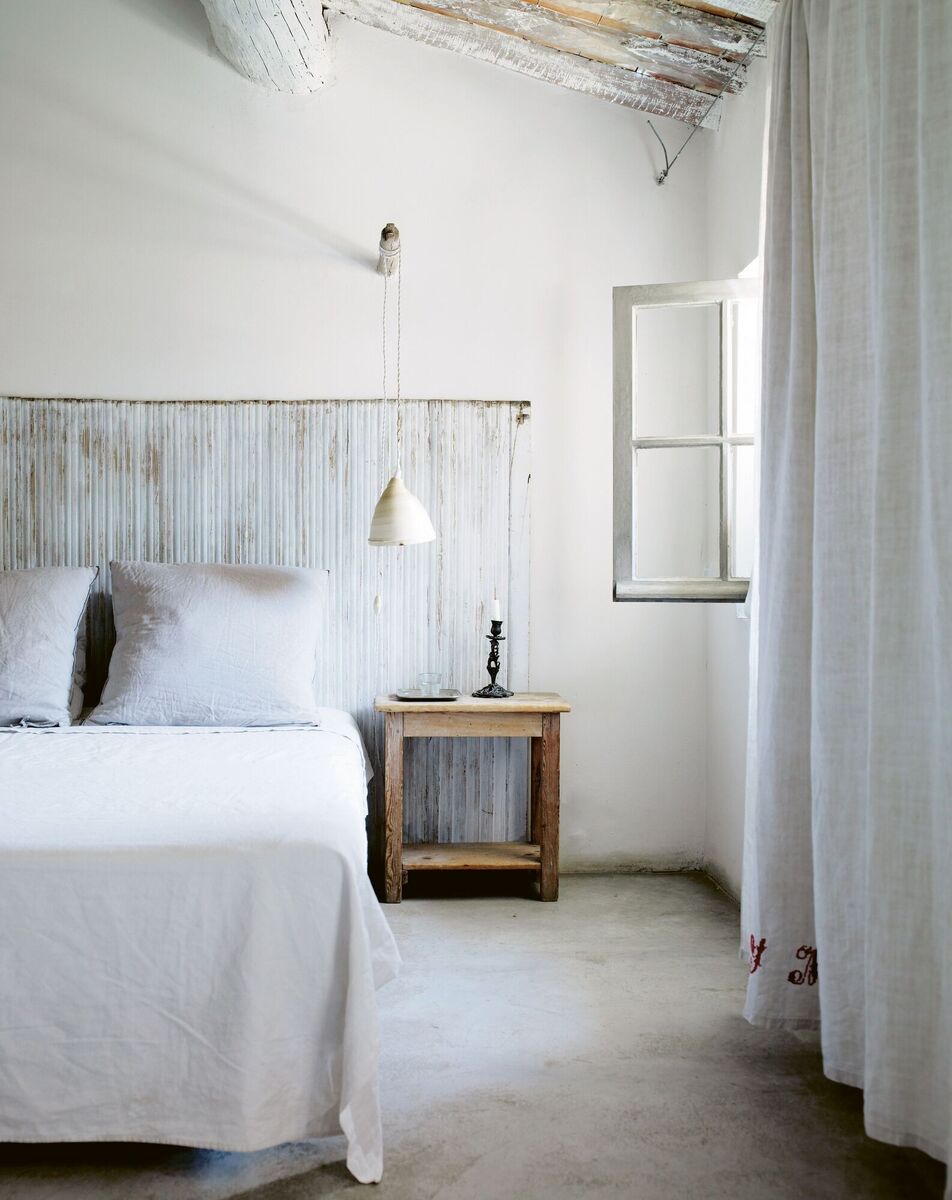
“Get out of bed, go to the bathroom or whatever you do and however you start your day,” she says. “Literally walk through your typical daily path and take notice of the flow. Is it easy to move through your home? Are there obstacles or is the qi smooth? Is there anything in your way? Do the doors open easily? Can you walk spaciously? Do you see something that makes you feel happy or feel dread? How does it feel?”
After that, enhancing our homes brings back the bagua, a map representing various areas of our lives — health, prosperity, reputation, career path, off-spring, new beginnings, helpful people and knowledge — with corresponding colours and materials.
It’s the bit of feng shui I find easiest to grasp and I’m loving playing with it after determining how my qi is behaving.
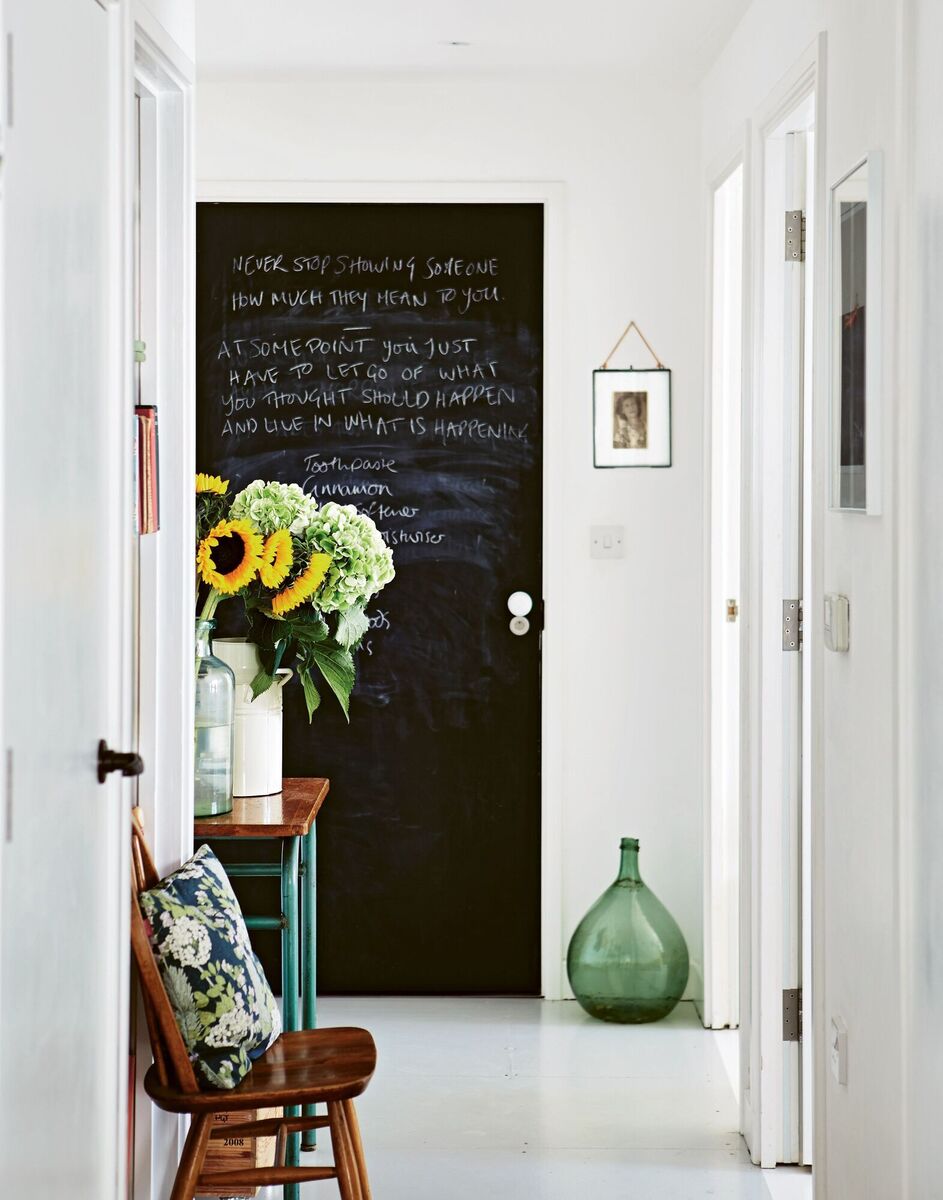
The idea is to place the bagua over your home’s floor plan and see where each area lands, determining furniture placement and guiding decorating schemes, although it can be tricky to apply precisely to a western home.
“Not everyone has a straightforward home floorplan,” says Cho, “so please don’t be dismayed if the bagua doesn’t initially work out so easily for you. Also, you need not even use it on your entire home if it’s too complicated. Instead, I encourage you to keep it simple. We can use the feng shui bagua in a single room in your home.”
The surprise, though, was no talk of decluttering.
“People think that feng shui equals decluttering,” Cho explains. “However, when feng shui was developed in ancient China there was no such thing as clutter. Only in the past few decades have human beings lived in such a consumer-focused society. We have way too many things.”
As a second book for the author who penned a tips-based approach to feng shui prior, her approach now is slower and mindful, a trend developing among decluttering experts maturing in their practice, steering away from frantic disposal of possessions and maintaining immaculate homes in favour of prioritising enjoyment of our homes first. Being easy, if you will.
“Keep it simple,” Cho says. “You don’t need to do everything. There’s no need to get overwhelmed and try to do it all. Listening to what your intuition tells you is the most important thing for you to do.”


CONNECT WITH US TODAY



Be the first to know the latest news and updates