How to use home appliances like a pro — and save money

Energy-savvy and cost-cutting secrets to know about washing machines, dishwashers, tumble dryers and vacuum cleaners 
How to use home appliances like a pro — and save money

Vacuums groom carpeting, they do not clean them of petrochemicals, mould spores and other snagged and viscous biological nasties.

Now that a spring clean is on the horizon, it’s time to fully demystify the performance, maintenance, and hidden features of our beloved domestic champions. 

Here are our favourite hacks to handle those big white kWh-swallowing boxes like a pro!

Vacuum cleaner

Vacuums groom carpeting, they do not clean them of petrochemicals, mould spores, and other snagged and viscous biological nasties. A study by ScS carpet specialists (UK) last year found bedroom carpeting to be 10 times dirtier than a toilet seat. Carry out a deep (shampoo-based) blitz annually.

Clean carpets in various directions at a slow pace to train the head on the area. Fan out and turn or work east/west and then north/south. This will allow the brushes to sit into the fibres, flicking dirt from the pile. Don’t treat the machine like a Formula One lawnmower. Pivot like a robot vacuum.

Unless you have a cyclonic-powered Dyson, once the waste bin or bag (reusable or fixed) is 50% full, you should empty or dump it, as the efficacy of the machine falls to around 40%.

Don’t fish out the load from a paper variety of bags. The tiny particulate matter will inevitably plume up into your face (and lungs). The disposable in-bag is porous, single-use and is a form of working filter intended for your black (waste) rubbish bag.

Integrated filters are an integral part of vacuum cleaners, and are supposed to be cleaned regularly. Check the paper instructions or PDF for your model and get to know their quirks. If you don’t, the filters will become clogged with tiny sherds of dirt and you may end up blowing much of this back into your atmosphere.

Fed up snipping human hair and animal hair from the roller? Invest in a seam-ripper intended for sewing work, one whip to rip and it’s over.

Dishwasher

Cheerfully smashing the stems of your wine glasses off the top of the dishwasher? Prepare for a life-altering moment. Go to the machine, reach to each side exterior flank of the top basket, and depress the levers you will find there (common to 98% of machines). Squeezed simultaneously, this drops the basket down 3-5cm in one elegant move.
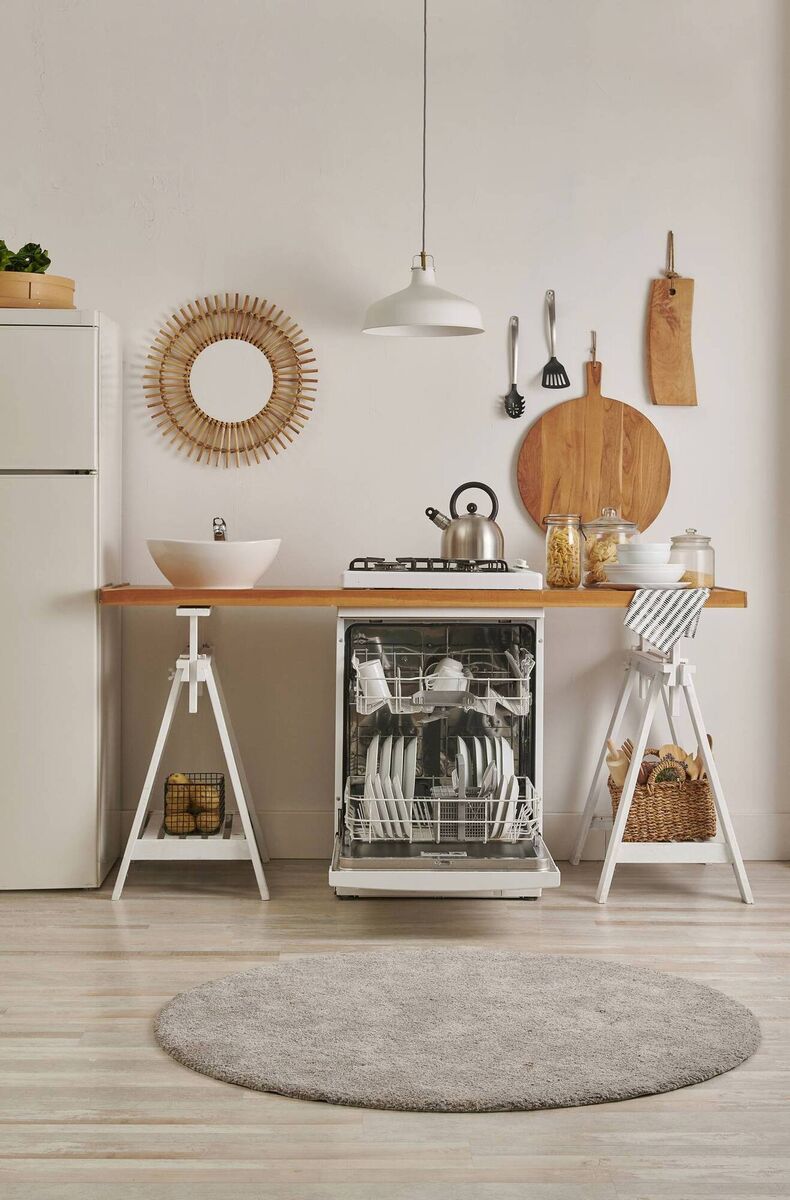
Pre-rinsing your plates before loading the machine can baffle the fuzzy logic of your turbidity sensors into thinking the dishes are cleaner than they are. Modern machines use an exploratory pre-rinse to determine the amount of water/heat to use per load. Just scrape off solids.

Pre-rinsing your plates before loading the dishwasher can baffle the fuzzy logic of your turbidity sensors into thinking the dishes are cleaner than they are.

Clean dishes rely on a relatively clean cabinet. Treat the whole machine once a month. Lift out the filters and rinse in hot water. Remove any trapped water in the drain with a wadded-up kitchen towel or a sponge and use a toothpick to tease out debris in the holes of the spray arm.

Tumble dryer

If you have a heat pump dryer, the warmth in the drum will be relatively low and the cycle very long (three hours to be green and pert). Opening the door can extend this odyssey by an entire half hour.

Using the quick-dry cycle with a heat pump dryer does not convert it to the swift performance of a vented or condenser machine, it just eats power and adds a smidge of speed.

Dryers are not designed as rock-tumblers. Empty the change and detritus out of your pockets and do up any zips. Do up the buttons on duvet covers to stop them from swallowing the load, keeping it wet.

Wasting money on dryer sheets? Mrs.ds.cleaning.reviews on Instagram, went viral for her deliciously home-scented sponges. Simply put a couple of any-size (clean!) sponges in a lunch box. Mix a cap full or two of fabric softener with a little water and massage into the sponges on both sides. Put on the lid and infuse. When drying, squeeze out excess moisture and chuck in a sponge.

Lint collectors are the lungs of the machine and should be emptied every cycle. If you hate doing this job, pick up a cheap flexible lint brush to tease this bunny fluff out of the filters, doorway and seals. Lint goes in the waste (black bin). Don’t DIY stuff a teddy with the noxious synthetic, micro-fibre waste.

Throw in a towel to slash drying times by as much as 20 minutes in a typical vented machine. Use a fat, large, clean, dry bath towel and don’t overload the machine (under or over-loading kills efficiency).

Guess what? Expelling air, the vent pipe is part of an annual cleaning cycle for a tumble dryer. Pull out the machine and use your crevice tool to ensure it’s clear. This will optimise the running of the machine.

Washing machine

Not sure about that kg rating? Before you run, put your whole hand into the top of the machine. Turn it sideways. If it still fits, you are good to go and most likely not over-loaded
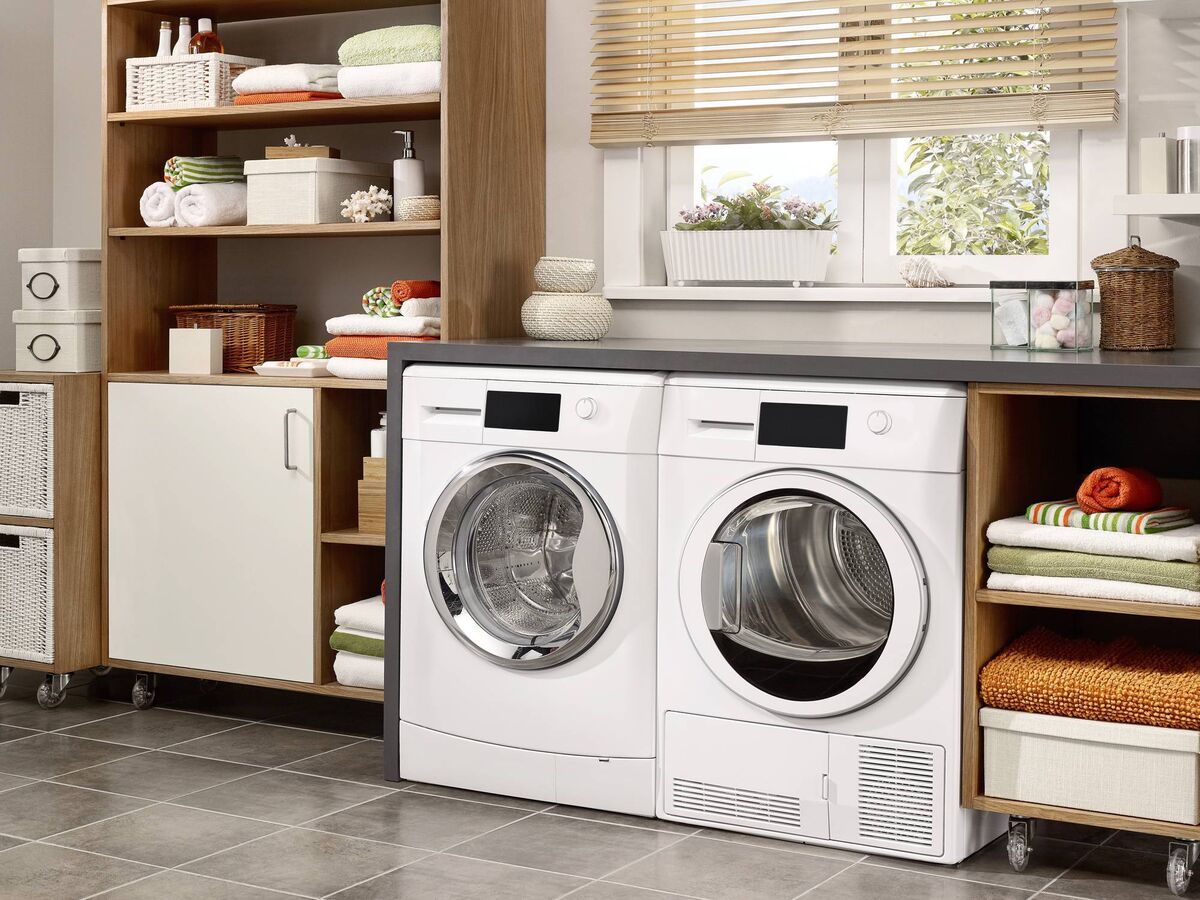
Check out your washing machine’s detergent drawer for a credit card-like partition to help save on powder use. Influencer Mrs Hinch caused a frenzy online pointing out the little feature of slot A and slot B!

Go cold. Enzyme-based detergents and cool, even stone-cold temperatures. around 30C will not only save you on the energy bill but make your clothes last longer.

Sort by fabric type to prevent rough denim from grinding off silk. Fabric conditioners reduce the absorbency of cloth nappies and towels. If you don’t need the coating of artificial ingredients — ditch this unnecessary expense and use a slosh of white vinegar instead.

A higher spin speed can save hundreds on your tumble dryer bill. Try setting the RPM to get your clothes creaky dry before putting them into the greedy mouth of your dryer (up to 5kWh a load).

Check out the coin catcher (pump-drain) once a week. Generally, it’s located at the front of the machine behind a small door together with a tiny pipe for manual draining (useful). Open it slowly and use a tray or shallow container to catch any run-off. Winkle out hair clips and other rubbish that slow your machine draining.

According to the manufacturer Beko, 8% of people wash their jeans just once a year. Explore the freshen cycle (for example Whirlpool/Steam Refresh) offered with your washing machine and/or dryer. This can deodorise and refresh the fibres of lightly used garments in under 20 minutes.

A sticky door? Ariel advises: “If the pressure switch doesn’t reset, it keeps the door lock energised. Turning off the machine at the mains should allow the door lock to cool down, and after a few minutes, you’ll be able to open the door. The interlocks can take some time to release — be patient. Water in the machine? Try running a spin/drain cycle.”

Enzyme-based detergents and cool, even stone-cold temperatures. around 30C will not only save you on the energy bill but make your clothes last longer.

Wash the washer once a month with a maintenance run to clear accumulated bacteria, mould and dirt that collect inevitably with cool temperature cycles. Add two-three tablespoons of bicarbonate of soda to the detergent drawer, and a mug full of white vinegar thrown in the drum. Use a hot setting (60C) and once complete, clean rubber seals with a 1:1 solution of white vinegar and water.

Pop fluffy fine knits into the freezer before washing to avoid pilling during the appropriate wool cycle.

Leave the door ajar. This goes for the dishwasher (after a run), the dryer (in particular that heat pump or condenser) and the washing machine. Allowing the drum to air will cut down on the growth of mildew, mould, and bad smells.

More in this section

Revoiced

Newsletter

Sign up to the best reads of the week from irishexaminer.com selected just for you.

Cookie Policy Privacy Policy Brand Safety FAQ Help Contact Us Terms and Conditions

© Examiner Echo Group Limited