Furniture: How to source the perfect vintage chest of drawers
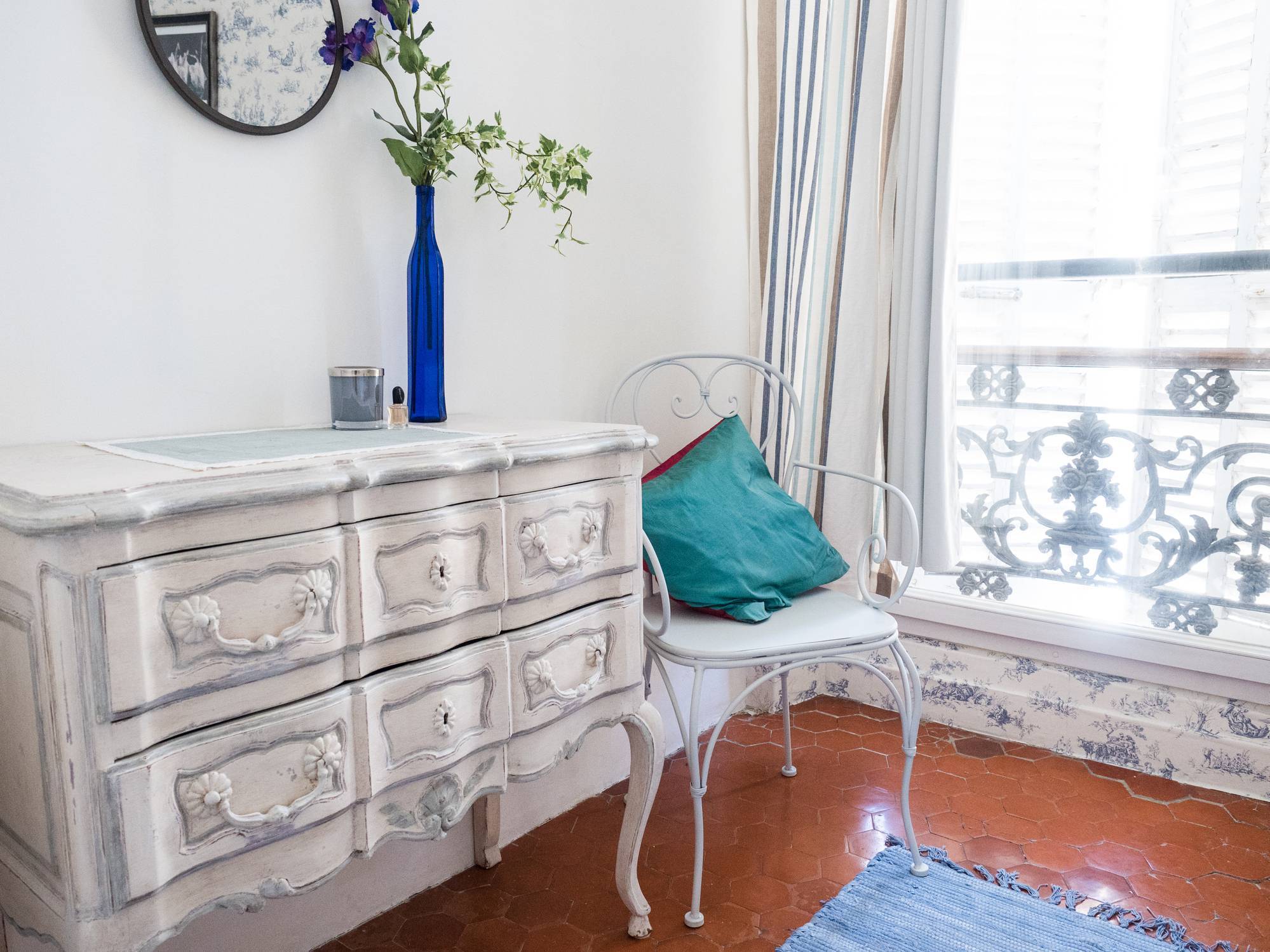
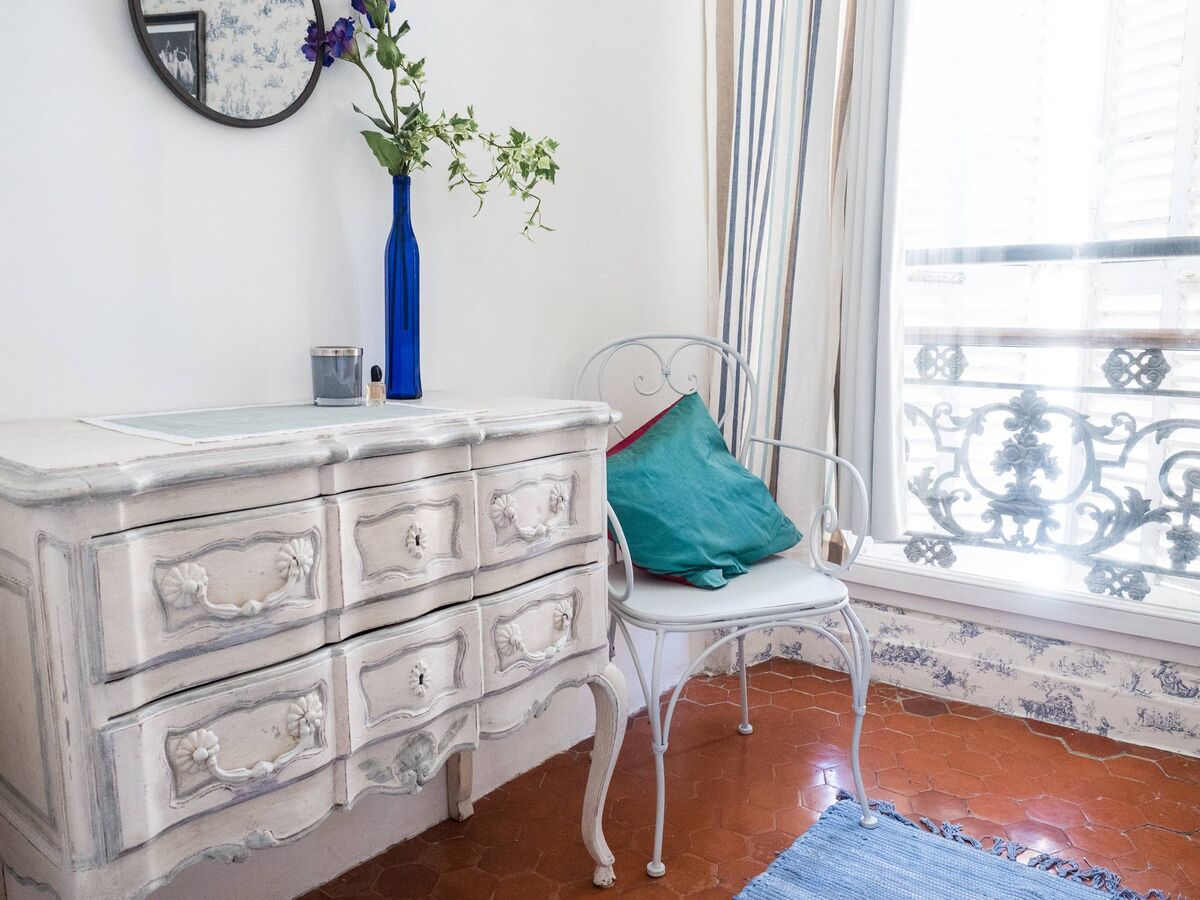
Some battered examples of soft-wood chests may be better lightly repaired and left in-the paint. Picture: iStock
There are design moments that never get old. The glass lemon juicer, the cantilevered dining chair, and the box containing the suite of moving storage boxes — the chest of drawers. It’s still the ultimate example of exquisitely tailored blind storage.
Chests of drawers in classic, antique form come in a variety of sizes and profiles and they remain wildly popular second-hand buys for their craftsmanship, practicality and visual appeal. Together with plain, country furniture in oak and pine (still plentiful at any mixed auction) good Georgian examples of drawered furniture have not tumbled in value like standard “brown furniture” from the mid-19th to early 20th century.
Practical, beautiful and all but bomb-proof if the joints are all happy, keep your eyes open for a good period or second-hand example in the perfect size for your project. Any dealer will tell you that drawered furniture sells fast to park in a hallway, to take clothes or paperwork, or as eclectic eye-catchers to cheer up a drab corner or uncomfortable length of wall. Add to this the enduring interest in up-cycling. The hunt is on.
Due to the demand for more petite to mid-sized oldies, smaller vintage and period examples can outstrip the oak elephants on the auction room floor. Bring your tape measure.
With dovetailed drawers and superb mortise and tenon construction, lively veneers and elaborate mouldings, once you lay your hands on something old and/or completely handmade, a high street buy will seem cheap and shoddy. In vertical shapes where the structural integrity is under pressure, many newly made budget chests are flimsy, MDF, rock-and-rollers, clapped in a photograph of match-booked, real timber.
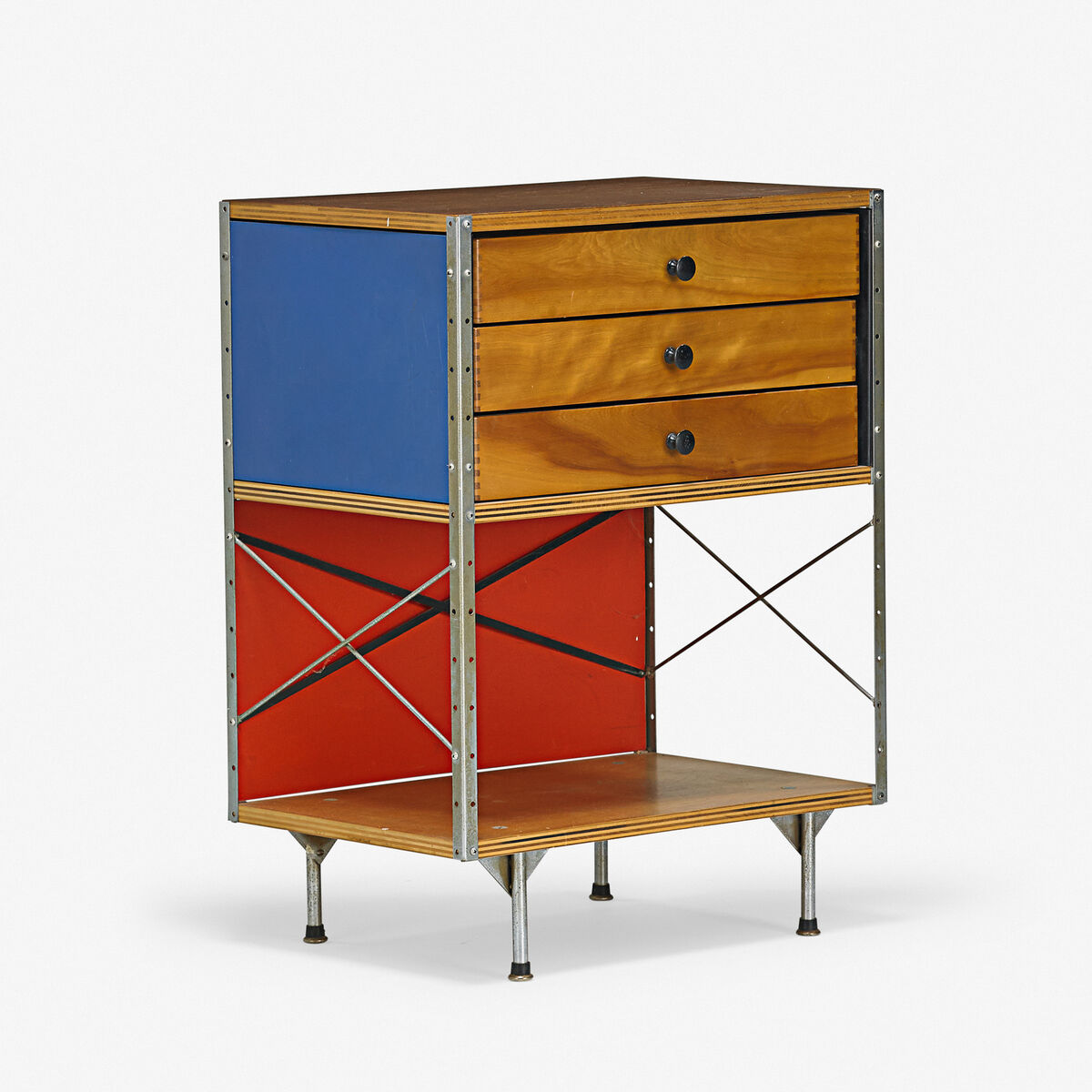
An old variety can price-match these budget buys and is much more sustainable.
For the Downton Abbey line on a pinched budget, learn to appreciate early 20th-century Georgian reproductions in Hepplewhite and Sheraton types, made right up into the 1950s. These later tributes to the great makers in walnut, scoffed at by collectors half a century ago, are brim full of quality and highly sought after today, with prices climbing.
Crisp carving, attractive veneer and attention to detail mark them out from clumsy, mass-produced, faux antiques, so don’t be put off by older reproductions. For Parisian Beau Monde — pick up bosomy commode styles with flashy ormolu and inlaid detail, often early 20th-century copies.
Chest of-drawers are articulated and rely on perfect balance with a full, top drawer slid open. Run any potential buy through its paces, looking for any wobble to the carcass or a stick to the drawers. The higher and skinnier it is the more likely it is to tip. A meaty plinth base can really help with that essential stability.
Any serious buyer of old things has a tiny torch stashed in their pocket. Whether at a dealer’s showroom or while viewing an auction, put your eye over the entire chest. Then - pull open and remove at least one to peer in front to back.
It’s not unusual to find cheaper softwoods drawers concealed in fine pieces of furniture — liners and backing boards were often left in pine (not ply) for economy. Oak and mahogany liners are a mark of top quality, and liners with the grain running front to back are usually very old Georgians.
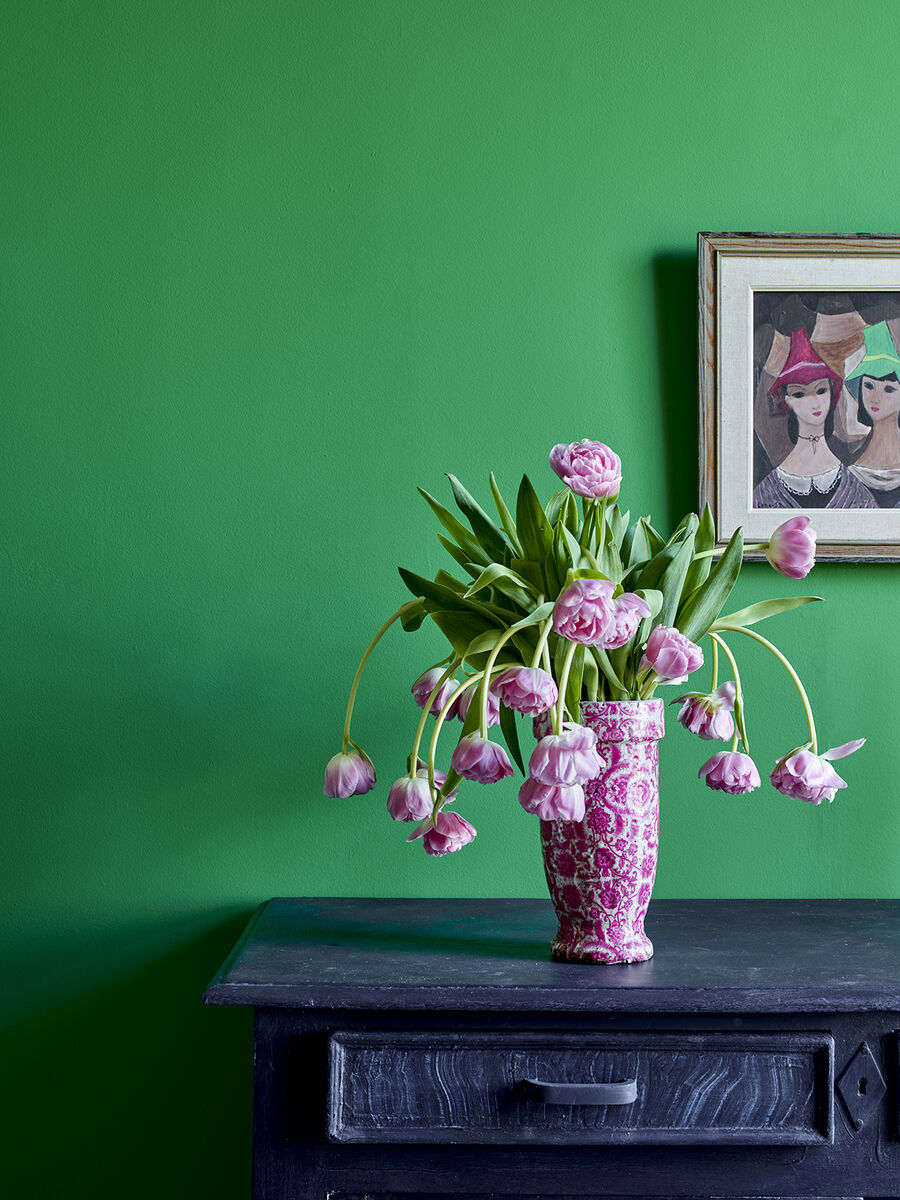
You may find a solid timber chest in oak or softwood, but a gorgeous patina is most lively veneered onto a supporting wood. With mid-century pieces in modern synthetic materials — chips and cracks will decimate value as these fabrics cannot be repaired.
Look for signs of active woodworm — obvious by a tap with the flat of your hand producing fresh-looking fine dust. The larvae woodworm, find walnut delicious, so the veneer can be peppered with damage. If the larvae are live, this will have to be treated before you bring it indoors; otherwise, a light waxing will fill up the gunshot.
Are the drawers intact? Are there splits to the base? Small breaks are commonplace due to the shrinkage of a chest being dragged into varying temperature and humidity conditions down the centuries. If they are not yawning gaps, they can be filled with a malleable wood filler, slivers of wood, or taped up with an elastic fabric.
Now, how does each drawer run? A little hesitation can be fixed with a rub of candle grease to the base of the drawer, but a true sticker may need new runners. Budget for this work by an experienced artisan craftsman. The drawer should not run back into the body of the chest, hitting the backboard. Again, this means the runners are shot. It’s unsettling to use, and with something like a serpentine fronted chest — its gaping look is really ugly.
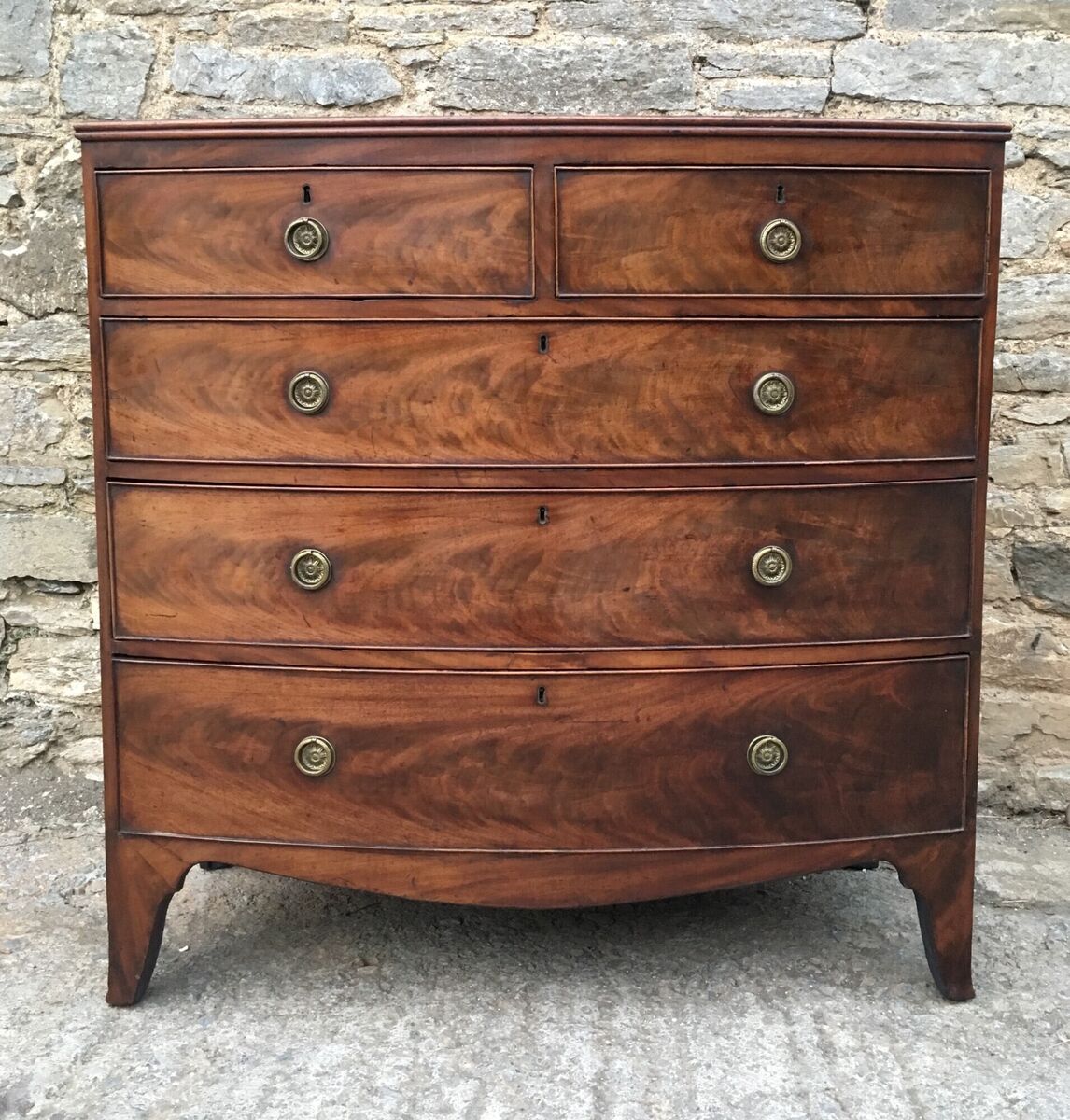
An elegant period high-boy or chest-on-chest takes up a small footprint in a small house. Expect to pay an investment price for perfect proportion, bow fronts and perfectly graduated drawers. There are 18th-century and mid-20th-century examples of high boys on leggy frames, some designs well over nose level.
The top drawers will be impossible to see into if you’re of average build, so look for something no more than shoulder height, finished on all visible sides. Any tall or heavy furniture should be bracketed to the wall. Your little Tensing Norgay will use open drawers as a lethal stairway to Heaven. The weight is completely redistributed once the drawers are pulled forward.
Details like the timber, banding, stringing and other inclusions can be used to date your chest. Original feet or supports are a nice touch, but replacements (often done decades ago to keep the piece fashionable) are fine if they are in keeping with the overall look of the chest. Look up the style to decide if those buns, Queen Anne legs or simple ogee supports look right.
To judge if the handles are original, open the drawers and look for sharp, new nuts, extra holes or traces of replacement. On the drawer front, old handles will have a dark shadowing where excess oils and waxes used to polish the piece will have settled around the intricate edges and details of the pulls. Many of the original stamps for these handles and pulls have been archived and are still in use, making replacements widely available.
For a larger piece of adult furniture, look out for “Scottish” styles of chest in flaming patinas of mahogany, rosewood, walnut or laburnum veneers (ruby to almost purple colourways). These stately 19th-century chests of drawers often come with cut glass knobs, but with a deeper frame, they are heavy to operate.
Ensure they won’t overwhelm a room, fight with modern pieces, or drive you mad digging with your hands flailing overhead burrowing for your undies on a Monday morning.
The odd bit of lost veneer can be either repaired or disguised with a little stain and keep in mind that once polished up, scratches and blemishes can be left on show as the honest history. Start with a light clean and a little beeswax, often the only attention a neglected chest will need to glow with its original magic.
Don’t paint up an old mysterious chest of drawers. Even a teak Vodder or G-plan chest from the 1970s is a quality cabinet. Unsure? Take advice from an antique specialist before pinging open that can of Annie Sloan with a teaspoon.


CONNECT WITH US TODAY



Be the first to know the latest news and updates