Peter Dowdall: So much for gardeners to look forward to 
It's all action in our rooms outside, from spring bulbs surfacing to the creative displays being planned for Chelsea Flower Show 
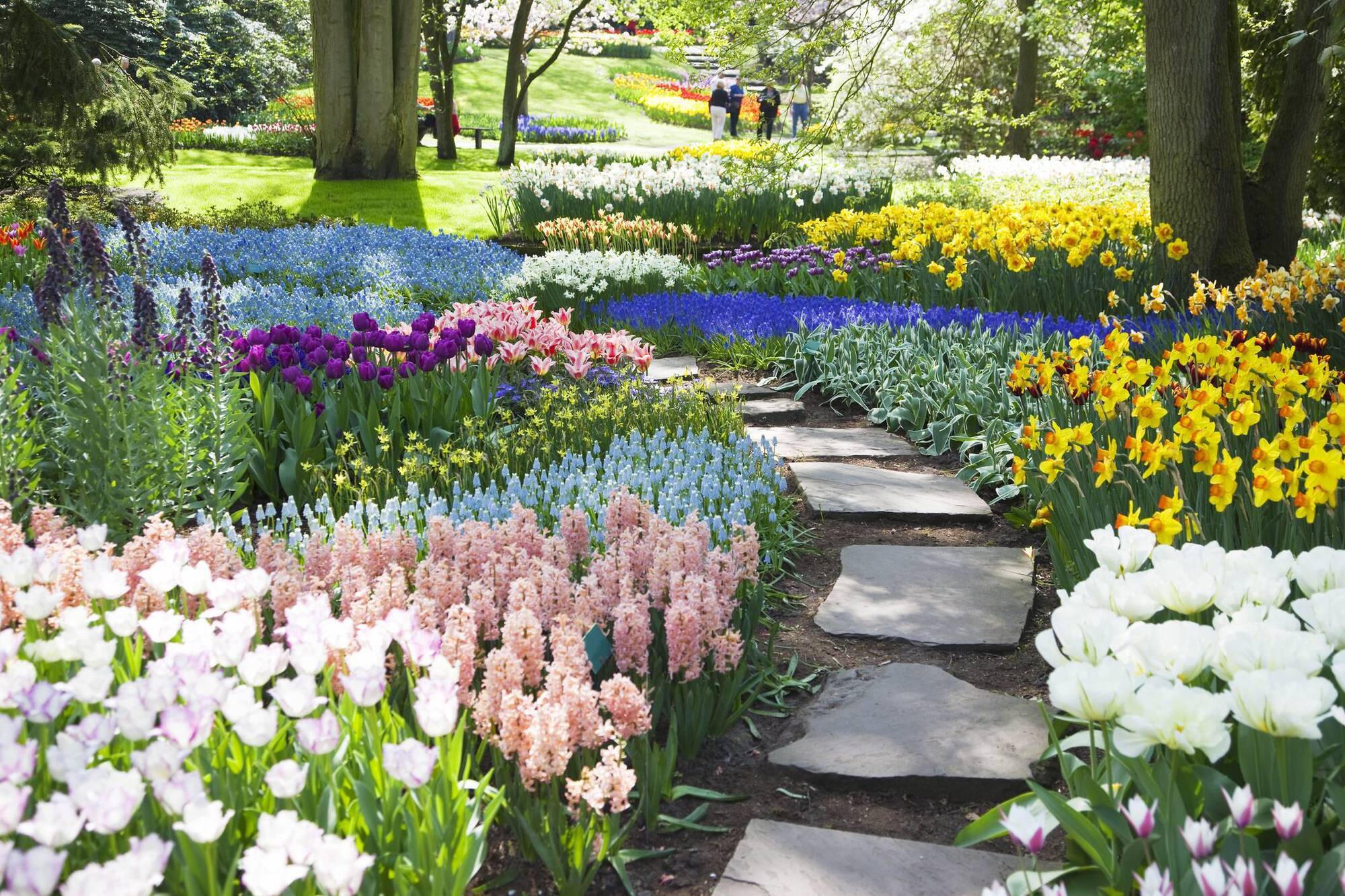
Soon, the spring bulbs will break the surface, if they haven’t done so already and then the spring and early summer perennials announce their presence once more, says Peter Dowdall. Picture: iStock

Soon, the spring bulbs will break the surface, if they haven’t done so already and then the spring and early summer perennials announce their presence once more, says Peter Dowdall. Picture: iStock

It's always nice to think of the upcoming gardening season during January. The thoughts of warmer days, longer periods of sunshine and plants re-emerging, help to lighten January’s mood. 

Soon the spring bulbs will break the surface, if they haven’t done so already, and then the spring and early summer perennials announce their presence once more and in the blink of an eye my thoughts travel to summer and first, of course, to the Chelsea Flower Show which takes place this year from May 23 to 27.

Ireland will be proudly represented this year, Billy Alexander of Kells Bay Gardens in Kerry will hope to replicate past gold medal success with his nursery exhibit in the Great Pavilion and Anne Hamilton will design her first Chelsea Show Garden for 2023.
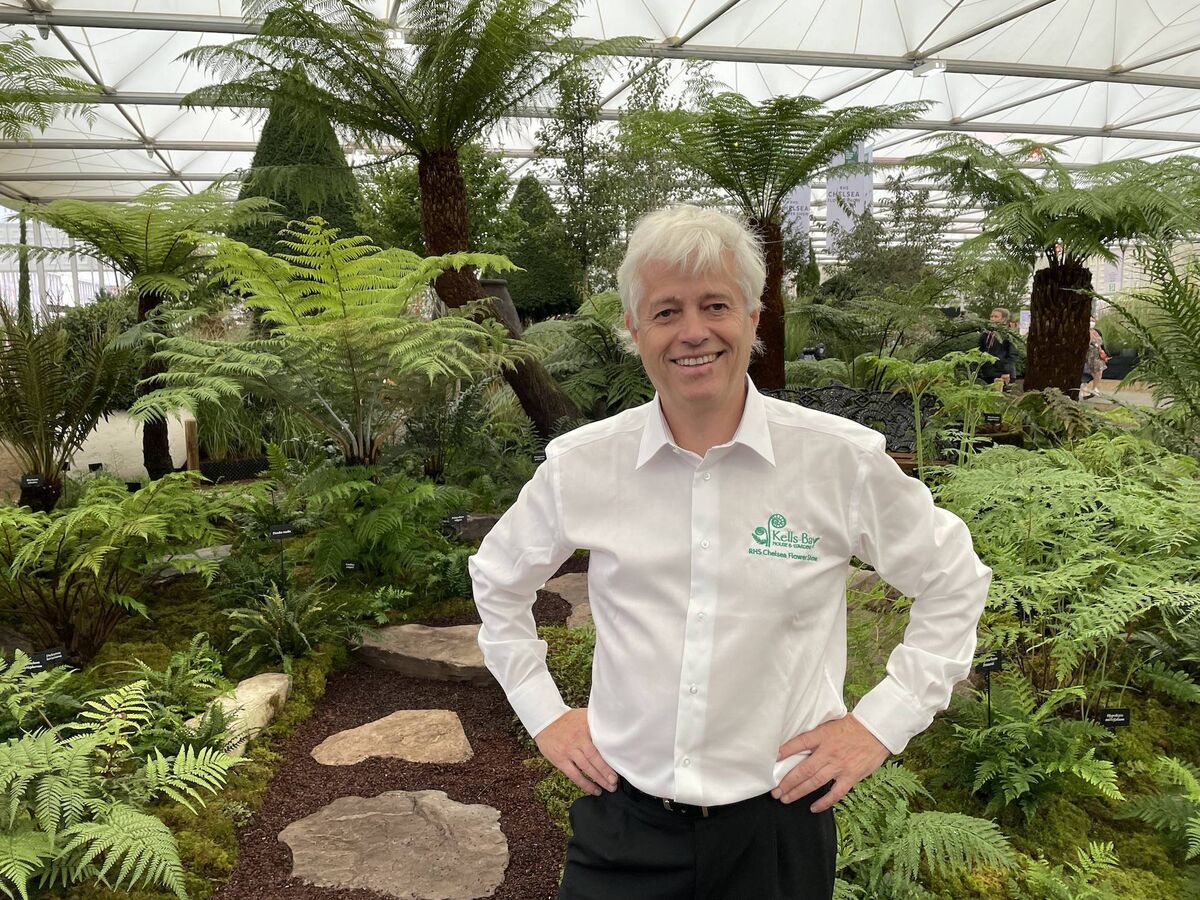
Billy Alexander of Kells Bay Gardens in Co Kerry, a previous gold medal winner at RHS Chelsea Flower Show. 

She’s not quite a newcomer to the world of show gardens as Anne has worked with several designers at the Chelsea Flower Show over the last eight years including Paul Martin, Mark Gregory and Taina Suonio. Indeed, it is with Taina that Anne has designed her 2023 Show Garden, the “Cavernoma on My Mind” garden.

The garden will be an opportunity for The Cavernoma Society, a UK-based charity supporting those affected by cavernoma, to raise awareness of this rare neurological condition globally and the garden will take visitors on a sensory journey depicting the daily symptoms cavernoma patients live with.

A cavernoma is a rare lesion most commonly found on the brain or spine. One in 600 people are affected by cavernoma, but only 1 in 400,000 experience symptoms, thus making it a rare condition. Symptoms include, but are not limited to, strokes, seizures, neurological deficits and disability.

The “Cavernoma on My Mind” garden will sit in the sanctuary space, and consist of named areas which are used to describe feelings of the cavernoma patients, like Fragility of Life, Unconditional Love and Fresh Start.

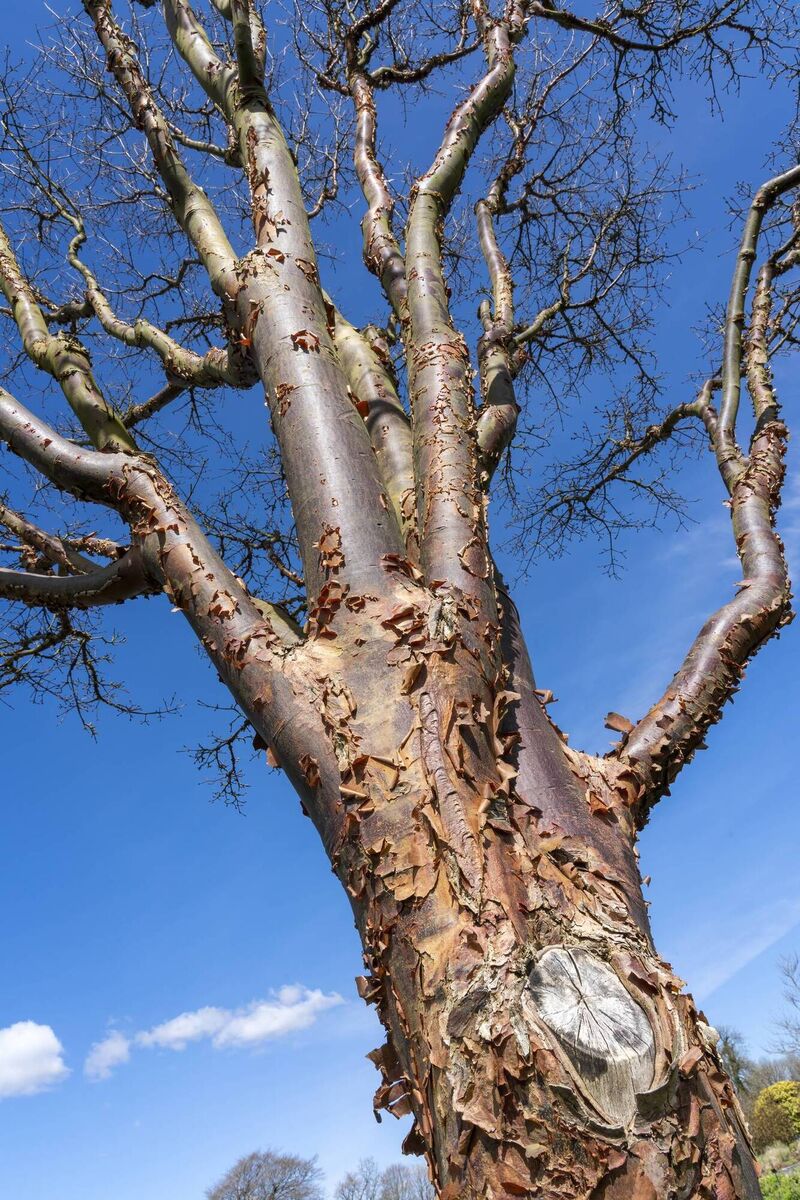
The plants in these named areas have been chosen for symbolism describing the cavernoma or the feelings a patient goes through, or for the plants’ healing quality stemming from spirit-lifting beauty. For instance, Acer griseum represents the thin blood vessels that make up cavernomas and its peeling bark symbolises the fragility of life. 

The Acer griseum tree, commonly known as paperbark maple. Picture: iStock

Yew (Taxus baccata) cushions in different sizes represent the stages of cavernoma and the prickly foliage describes the shooting nerve pains that patients suffer from. The dark flowers, such as Rosa Nuits de Young and Aconitum napellus, denote the despair and fear of death that cavernoma sufferers feel.

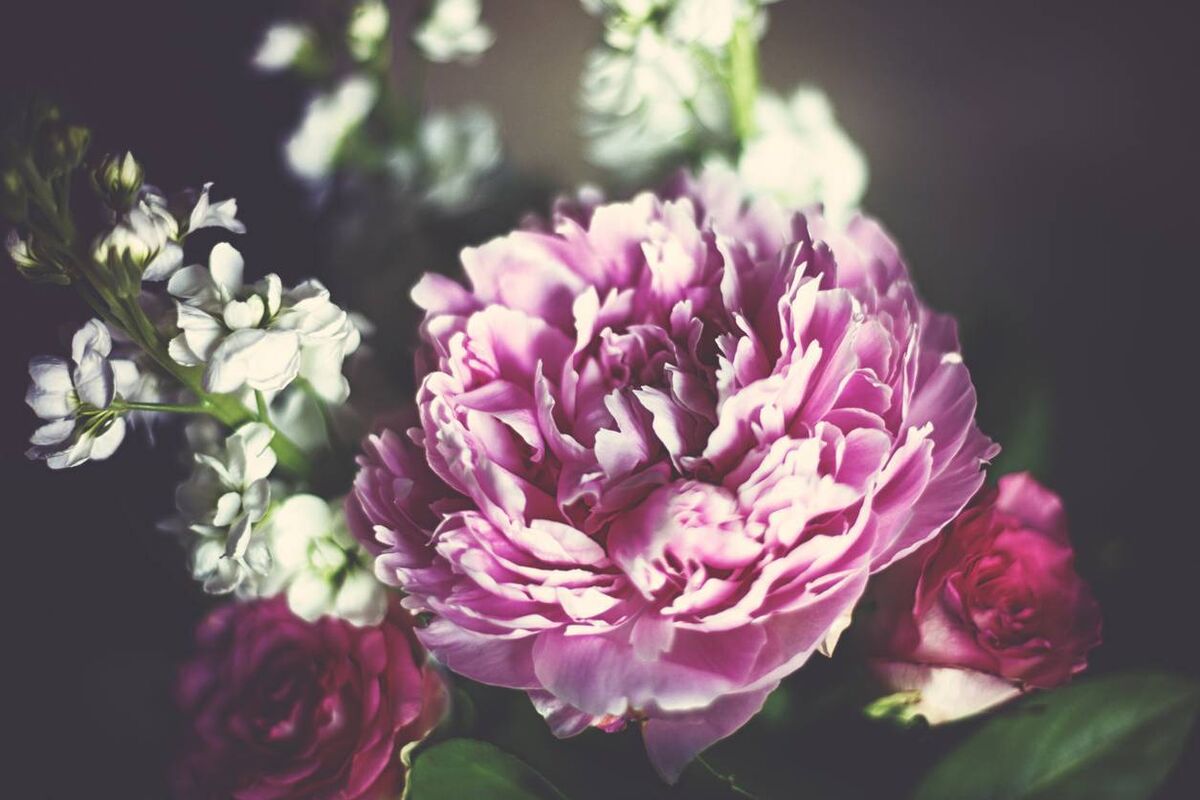
Nature is a healer for many people with cavernoma, who go through various periods of hardship with varying degrees of severity and even a single plant can have an impact on well-being and support a healing process. The beauty of peonies (Paeonia officionalis and lactiflora) in the garden awakens positive feelings but they are also part of this garden for their root extract’s remarkable medicinal qualities against epilepsy and seizures. 

Of course, the garden would not be the same without raspberries, as the logo of The Cavernoma Society is the raspberry. The glass steps ascending to the viewing platform symbolise hope for progress and optimism required for living with the condition, while the viewing platform represents security and clarity of vision into the future. 

Paeonia officinalis. File picture: iStock

“The glass that we are using for the stairs emulates the fragility you feel when first diagnosed with cavernoma, as you are unsure what lies ahead, then when you reach the platform on top you have the opportunity to see further and glimpse into your future, it’s meant to be uplifting,” says Anne.

The ethos of positivity and support is further enhanced as the steps and platform are supposed to represent an arm wrapping around you. The water feature which flows gently down a wall and amidst the plants through the garden denotes on one hand the tears of anxiety and pain shed by the patients, and on the other, the calming effect of letting your emotions out.

Altogether, the complete garden, a sanctuary of biodiversity full of symbolism, is an outlet for the patient’s feelings and raises awareness about the condition. “We’re delighted to be working with the incredibly talented designers Taina Suonio and Anne Hamilton, who Simona Stankovska, founder of The Cavernoma Society, has worked with in the past.

Taina Suonio has been taking part in The RHS Chelsea Flower Show for the past 18 years. This will be her fourth garden at the show. She won a silver gilt medal for her gardens in the past three years.
She is an internationally awarded landscape designer, horticulturist, MSc. environmental biologist and researcher in the Fifth Dimension — Vegetated Roofs in Urban Areas research group of the University of Helsinki. Her research concentrates particularly on environmental change and policy with regard to vegetated roofs in urban areas.

Garden design has been Anne’s life for the past 20 years. Before this, she designed and built two award-winning show gardens at Bloom in the Park, Dublin. The garden will be built by landscapers Tom Salmon Landscaping Ltd, and The Cavernoma Society will look to donate the garden to a neurological hospital after the show.

More in this section

Revoiced

Newsletter

Had a busy week? Sign up for some of the best reads from the week gone by. Selected just for you.

Cookie Policy Privacy Policy Brand Safety FAQ Help Contact Us Terms and Conditions

© Examiner Echo Group Limited