Why radiators are no longer an afterthought in your new build or renovation

Terma Hex offers a startling shattered honeycomb in a wide array of RAL colours. With 50mm fittings at 486mm per panel length, it is stunning when hung as if growing directly out of the wall, and the little jutting peg type parts are perfect for hanging kitchen or bathroom towels if you can stand to hide it. From €530 at B&Q.
RADIATORS are now hotter than ever, but their selection and detailing is often left as an afterthought in the frenetic drama of a build or renovation.
The 1960s “mattress” varieties have survived the aesthetic and thermal purge, but the choice in design, material and finishes now accommodates everything from rococo cast-iron darlings on pawed feet, to daring sculptural imaginings.
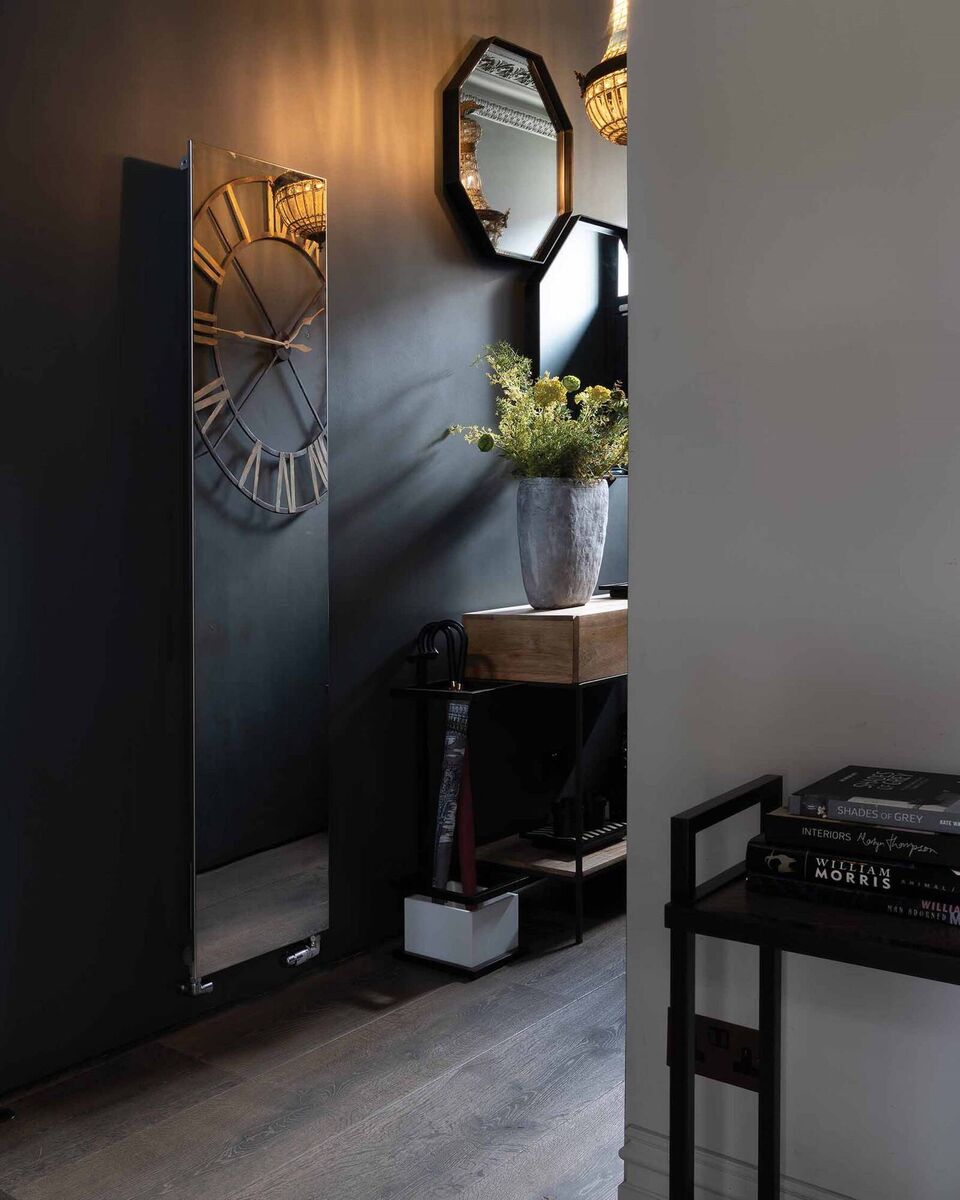
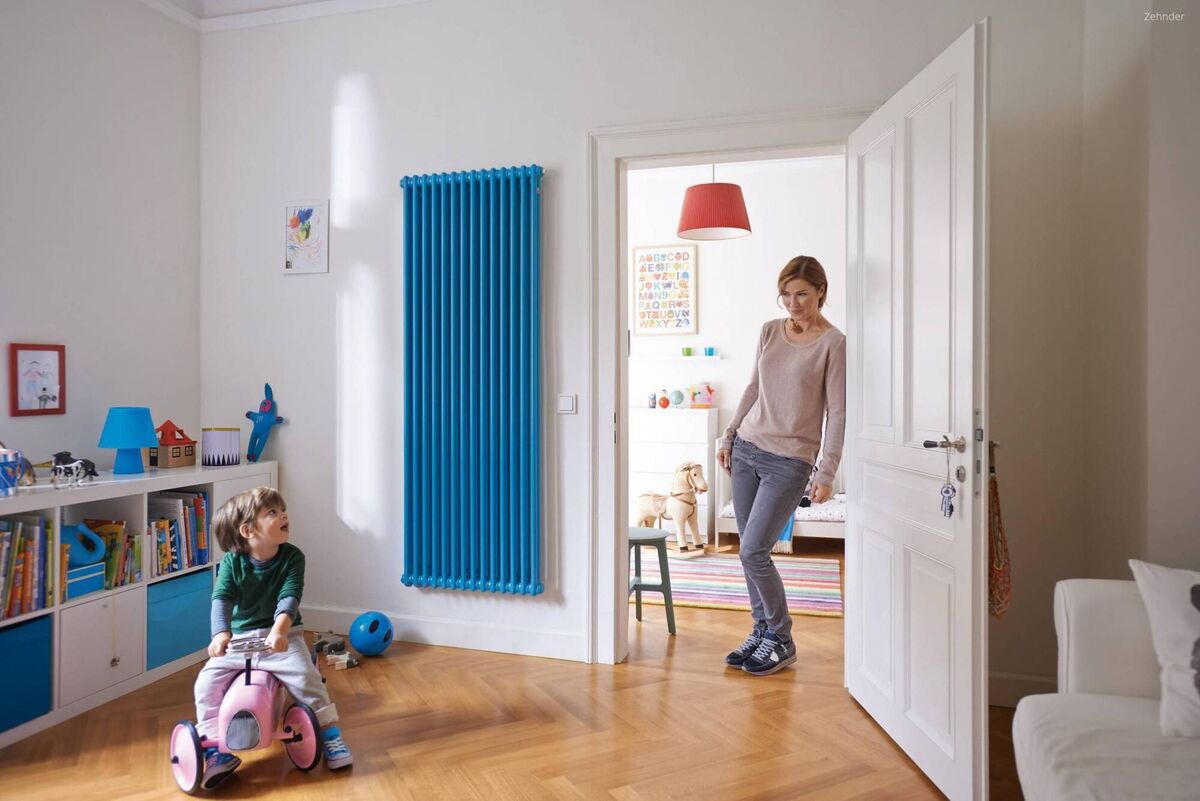
Brass, glass, marble and graphite radiators are making their mark but take the time to explore the thermal efficiency of any off-standard dandy. Skirting varieties can skim behind furniture, while popular vertical columns will take up just a small sliver of available wall.
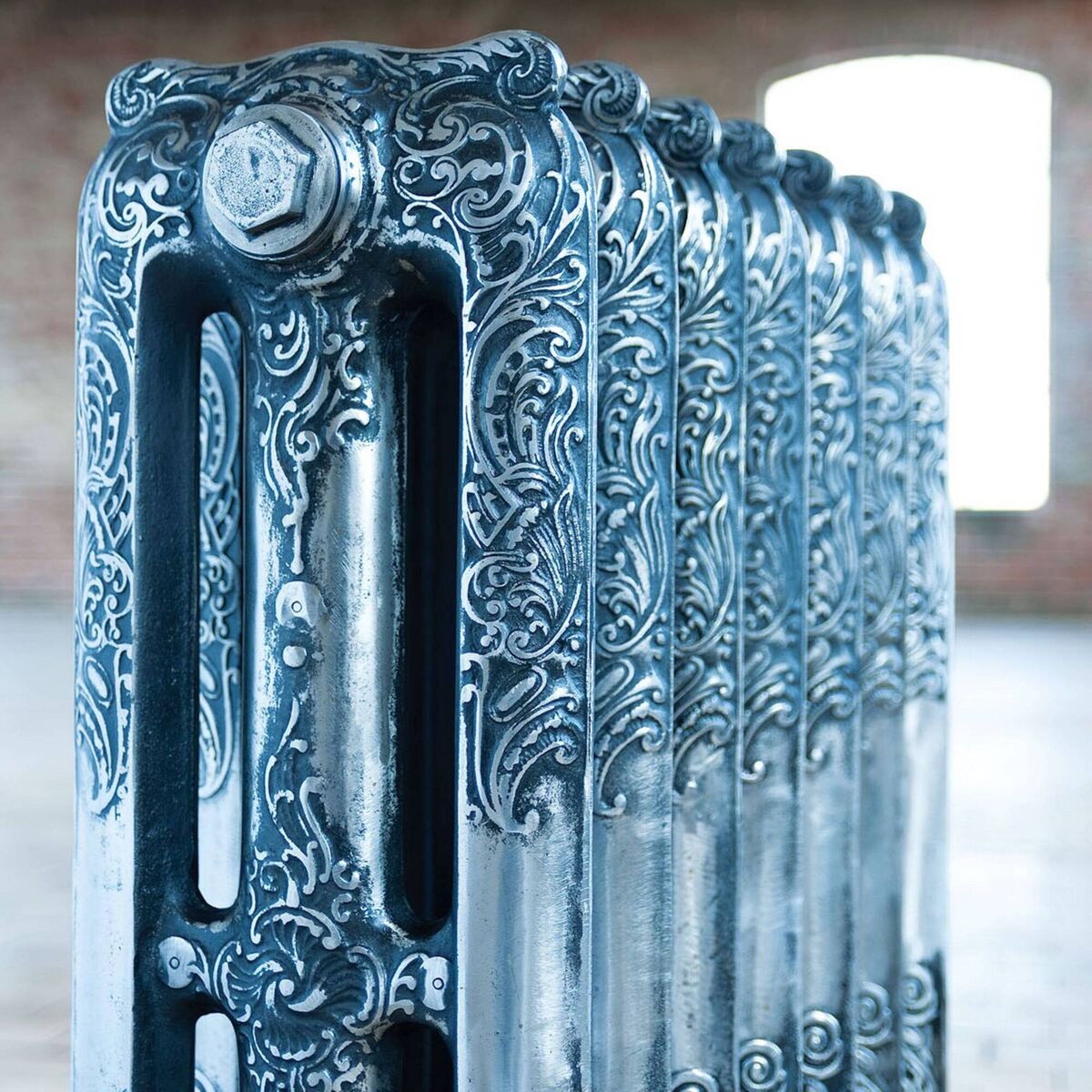
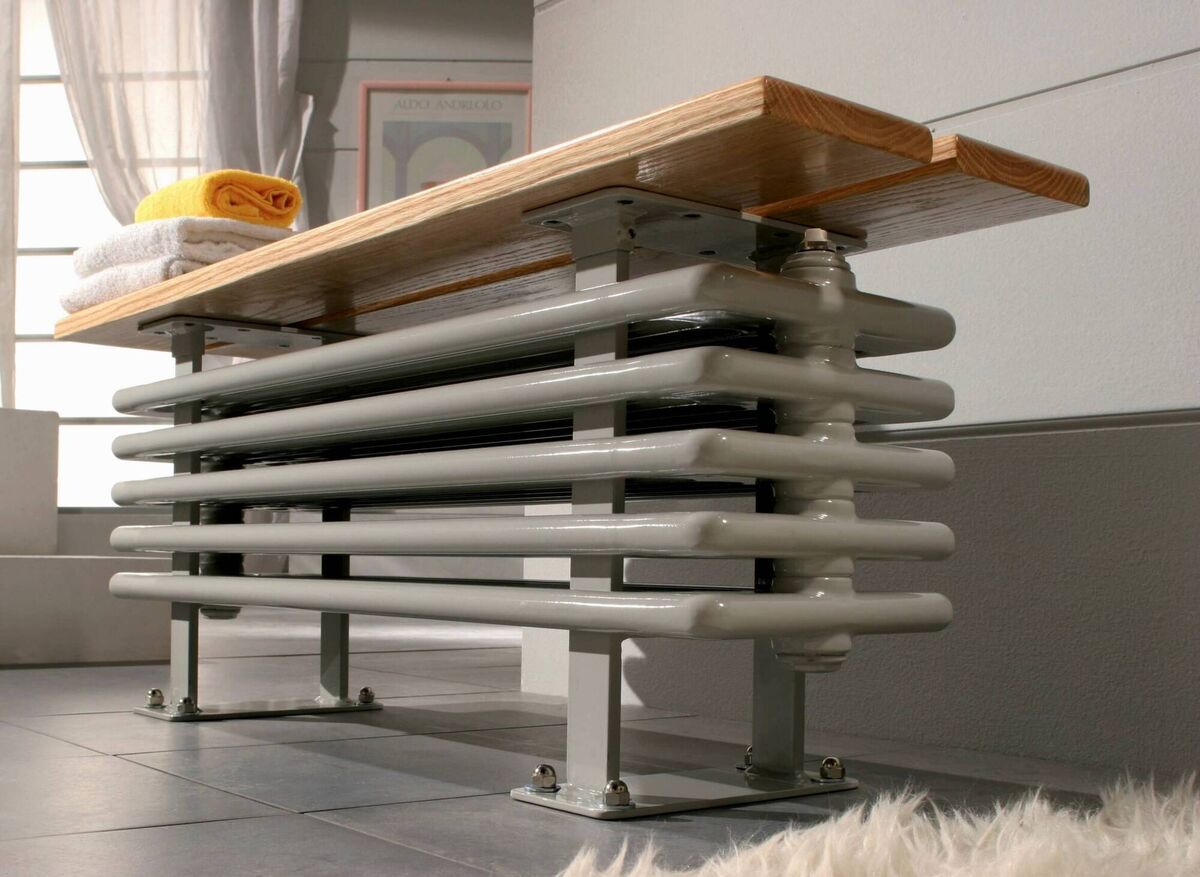
Radiators come in single and double panels (doubling the surface area with a bit of added depth), columns that can be stacked to build your design, and tubes – often used for bathroom rads. Even where an air-source heat pump (ASHP) has evicted your fossil fuel boiler, with a deep-energy-retrofit, underfloor heating cannot always be accommodated in an extant house.
Upstairs rooms in new builds with ASHP, often require the occasional service of radiators to convect a little warmth in the cooler months.
Your radiators, whatever their styling, are the emitters at the comfort end of a wet central heating system or powered by electricity. It’s crucial to determine the correct output with your heating engineer, or using a suitable online calculator the British Thermal Units (BTUs) for wet radiators and kWs units for electric radiators. A professional will key in the heat losses and insulation levels of your home, something you might not be experienced enough to work out.
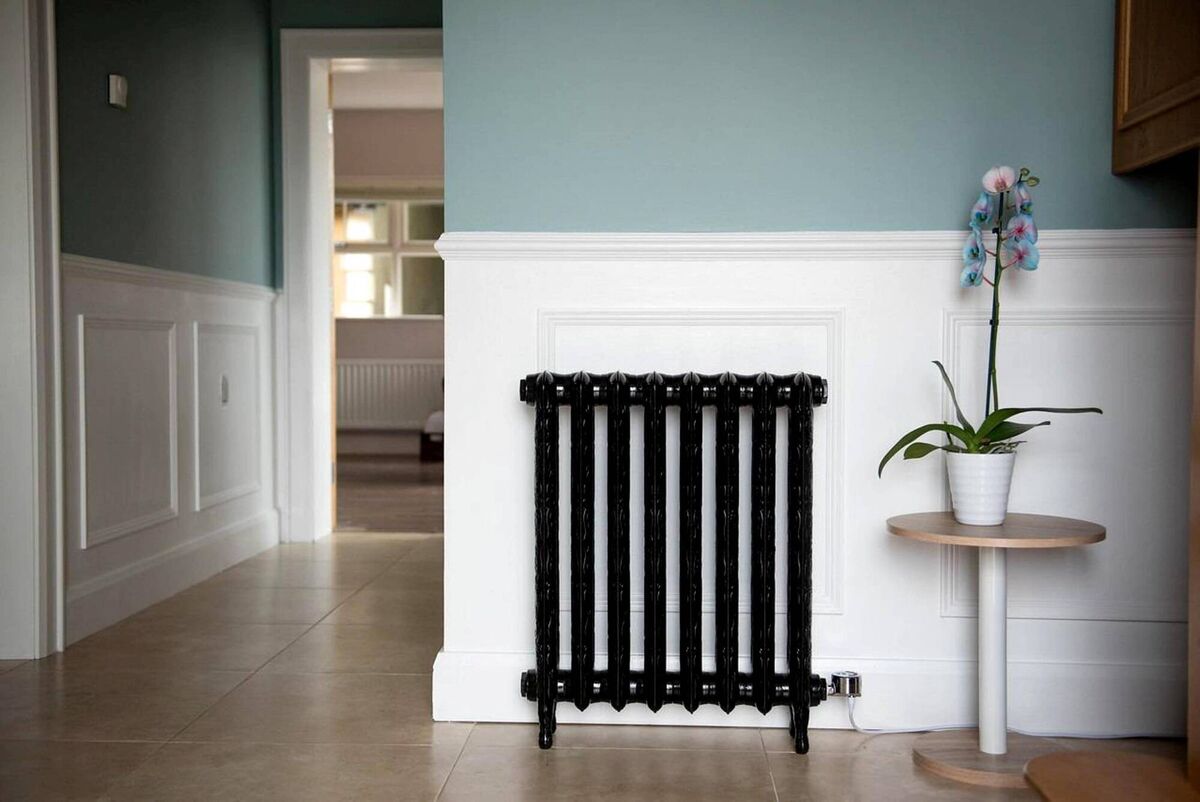
Where your home is ultra-efficient (in the B2 plus categories of the BER) a larger, more reactive aluminium radiator (a fully recyclable super-conductor) with a slow flow, and low-surface-temperature (LST)may be more suited to your situation than thermally retentive but slower to heat cast iron or steel.
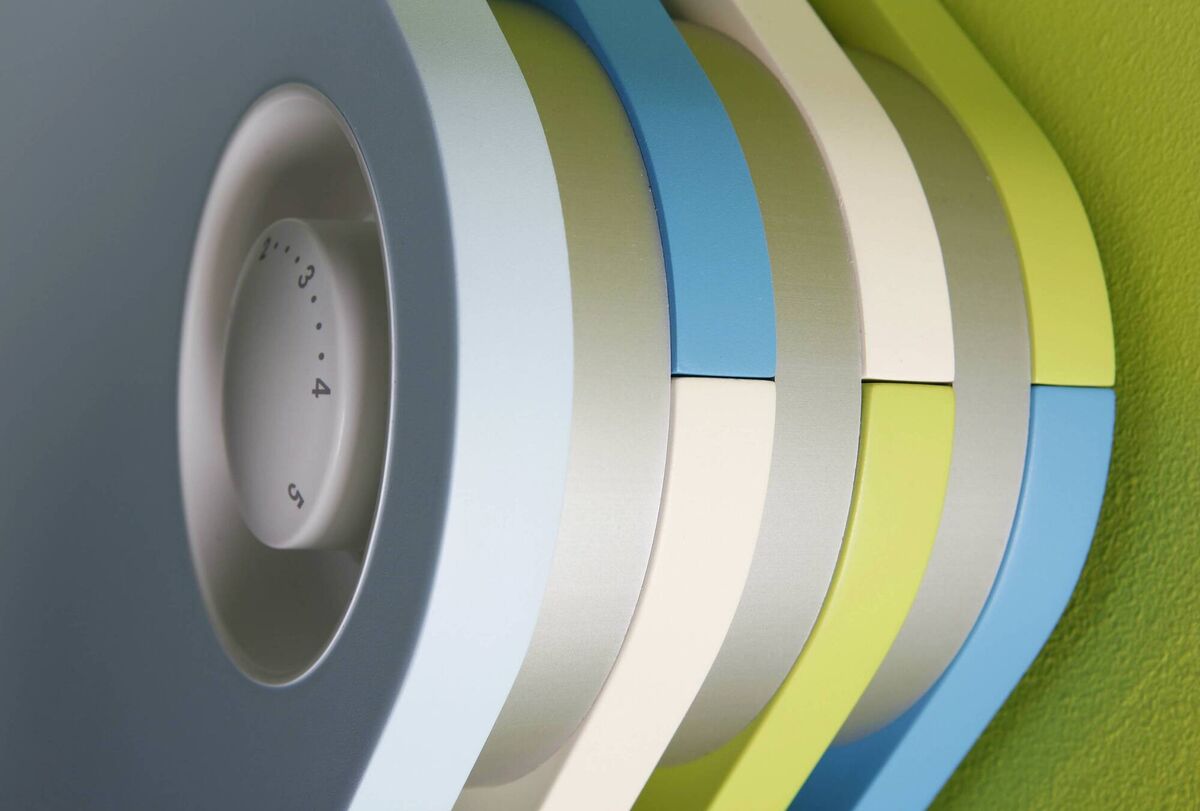
In some instances, a stand-alone electrically powered radiator, with a very low thermal-fluid content and programmable, app-tweaked thermostat, will be all that’s needed. Dual-fuel rads include a summer heating element, so that you don’t have to kick on the CH to warm say, cosy up your ensuite.
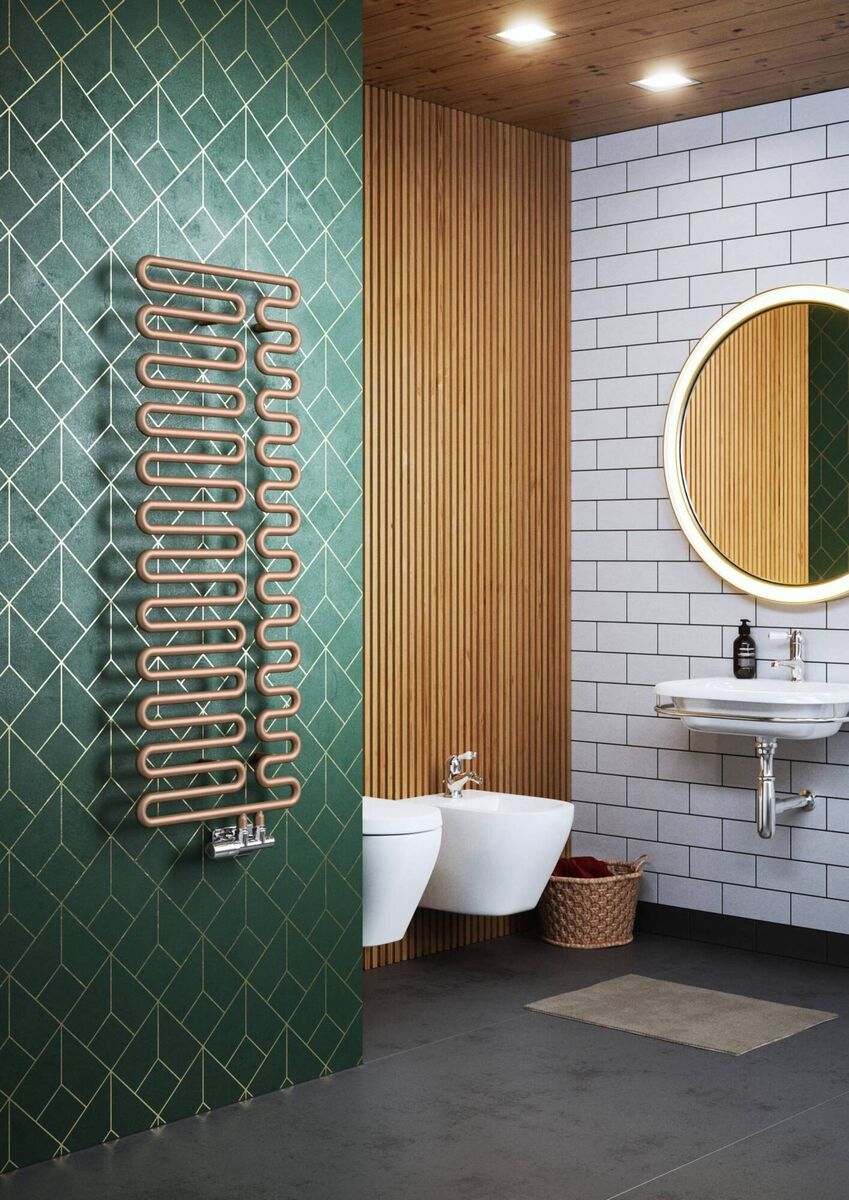
Keep in mind, that if you windows have low “U” values, there’s no need to dutifully site a radiator underneath the sill. The uncontrolled currents of yesteryear will no longer push the warm air around the room. Knowing the sizing and output is correct, it’s up to you to decide how present you want your radiators to be.
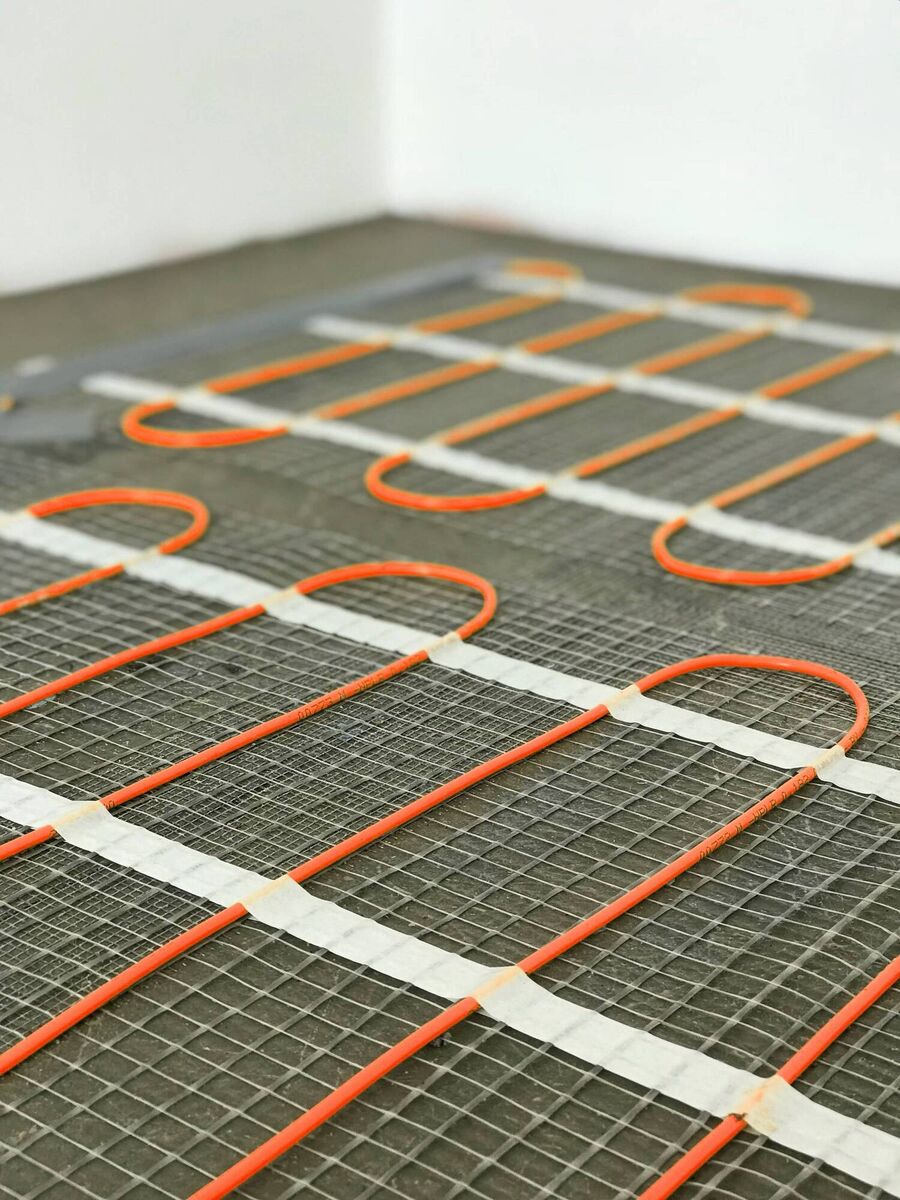
Painted in white or a dramatic colour drench to match the walls, a panel or column radiator sill all but sink vanish back into a little texture. Still, there’s nothing to stop you celebrating some scorching style with a generous palette of RAL industry colour now on offer with many brands.
CONNECT WITH US TODAY



Be the first to know the latest news and updates